Time Periods
Paleolithic
Mesolithic
Neolithic
Chalcolithic
Bronze Age
Iron Age
Classical Period
Post-Classical Period
Early Modern Period
Industrial Period
Contemporary Period
Time Periods
Paleolithic
Mesolithic
Neolithic
Chalcolithic
Bronze Age
Iron Age
Classical Period
Post-Classical Period
Early Modern Period
Industrial Period
Contemporary Period
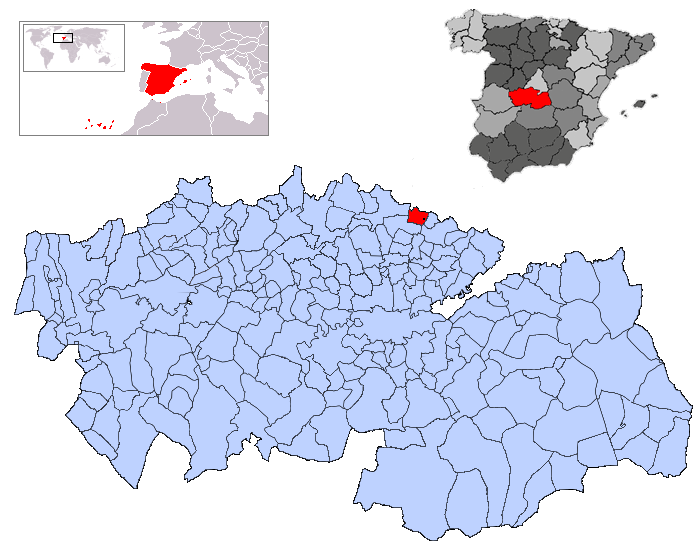
Location
About
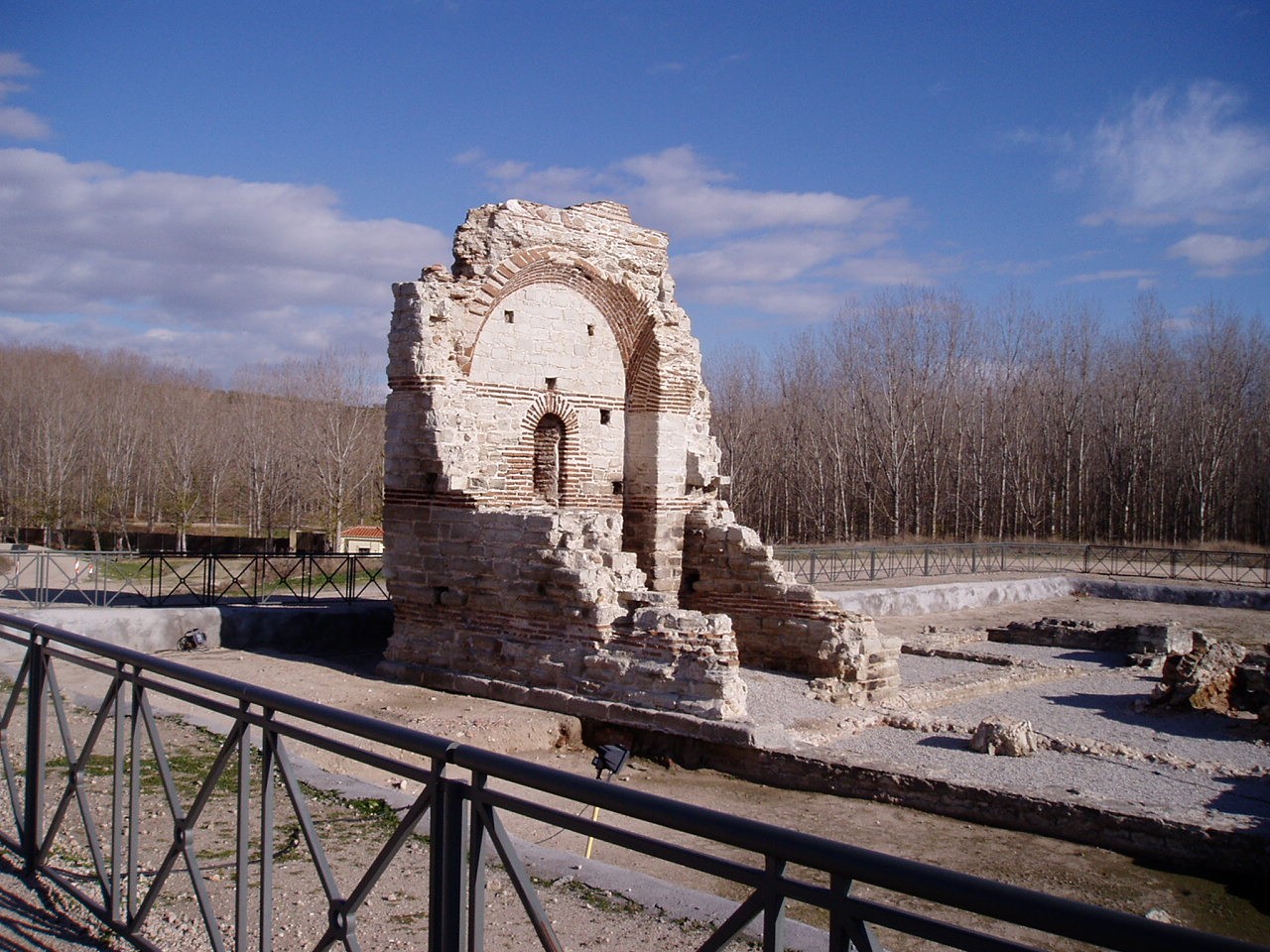
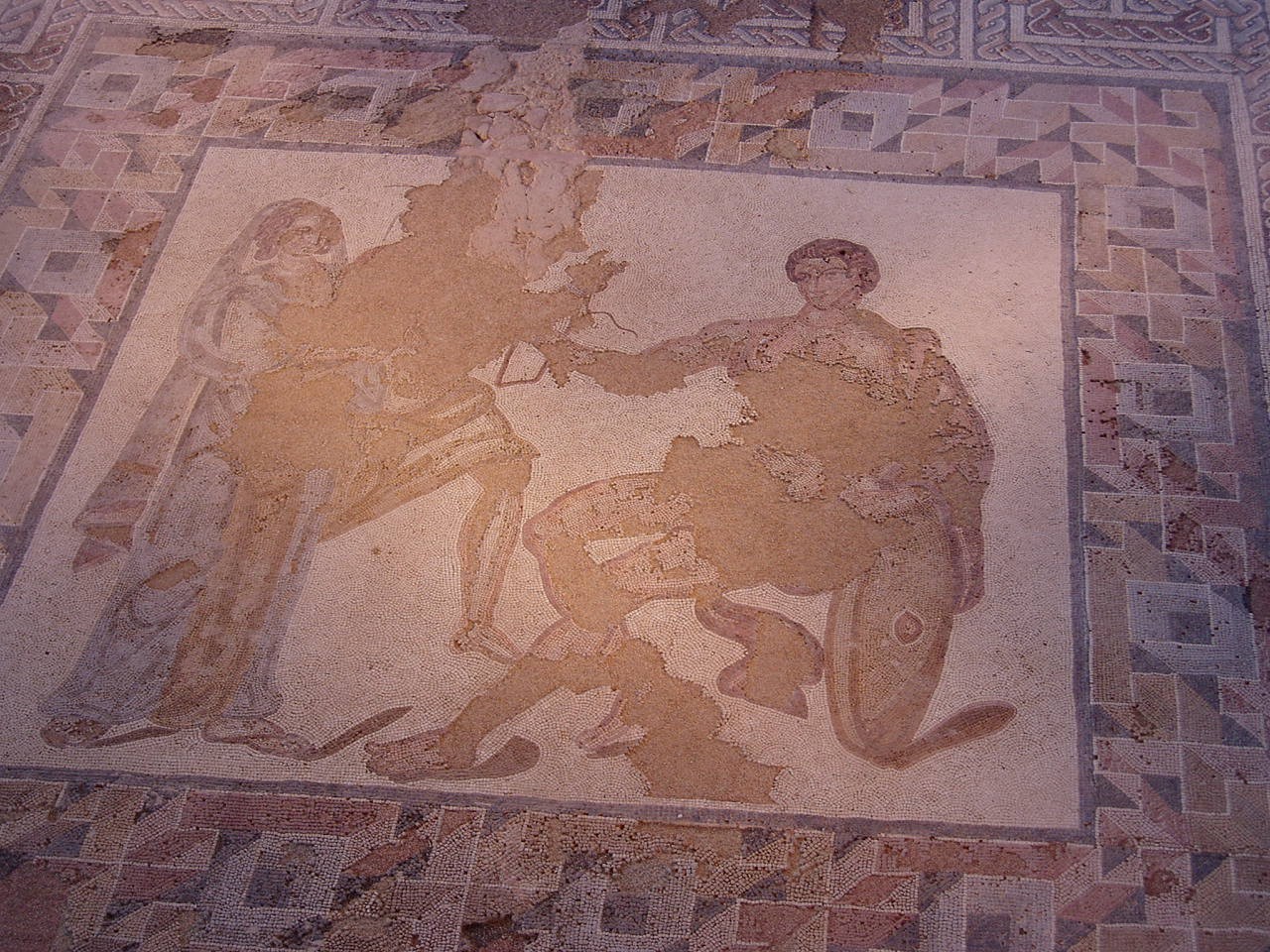
The archaeological site in Carranque, Spain, features a Roman villa dating back to the late 4th century CE, known for its intricate mosaics and opulent design. The site includes significant structures like a basilica, which transitioned from a Roman governor's palace to a Christian church and later served various functions through the Visigothic, Islamic, and Templar periods. The villa showcases a blend of luxurious elements such as monolithic marble columns and mosaics, highlighting the wealth and status of its occupants. Over time, elements of the site were repurposed, including its use as a cemetery until the 17th century. Despite some destruction in the 20th century, Carranque remains a crucial site for understanding the region's Roman and post-Roman history.
Gallery
Explore photographs of ancient structures, artifacts, and archaeological excavations at Carranque
Archaeological Features
Explore the unique architectural and cultural elements found at this historical site
Water Management Features
Burial and Funerary Structures
Religious and Ritual Structures
Artistic and Decorative Features
Domestic and Habitation Structures
Historical Timeline
Journey through time and discover key events in this site's archaeological history
Plan Your Visit
Details
- Country
- Spain
- Source
- Wikipedia
More Sites in Spain
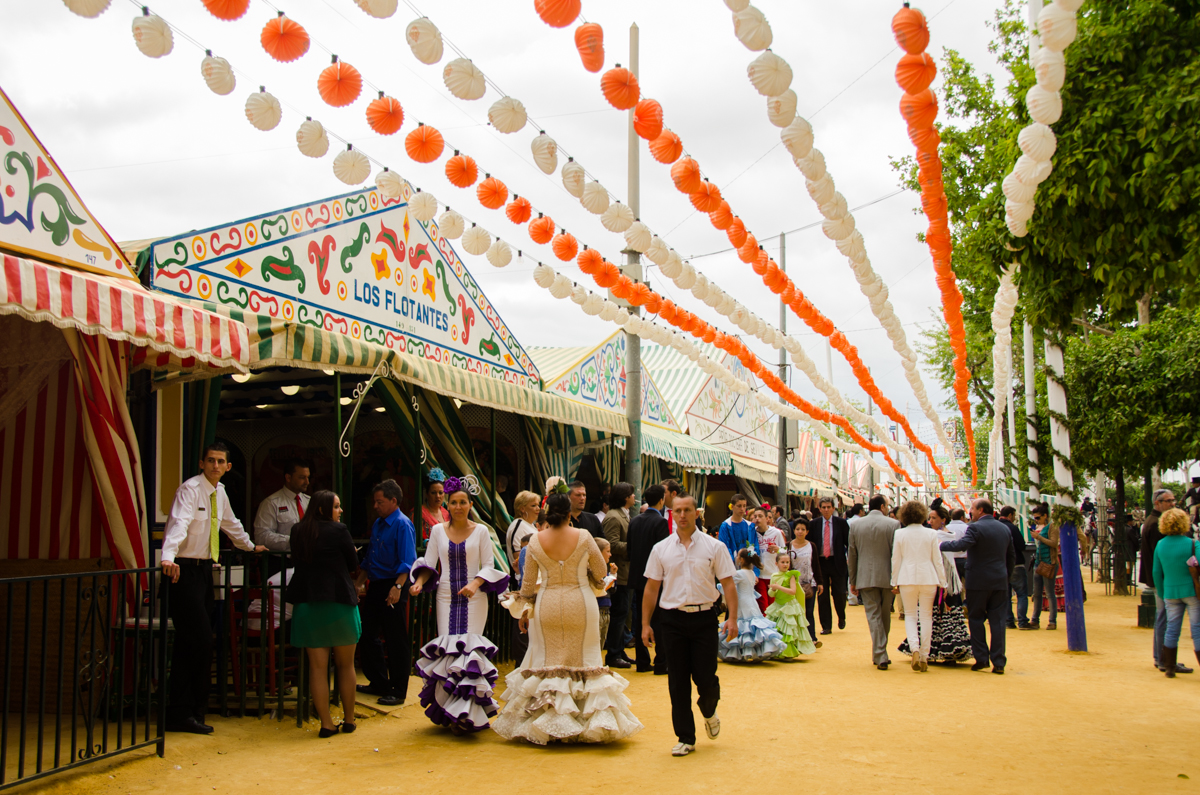
Seville
Multicultural historical city with Roman origins.
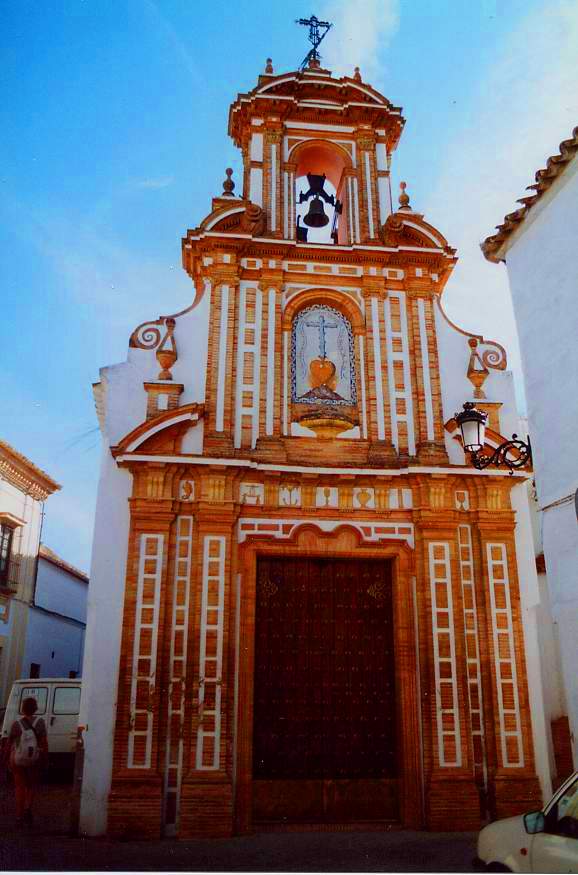
Carmona, Spain
Historical city with rich archaeological layers
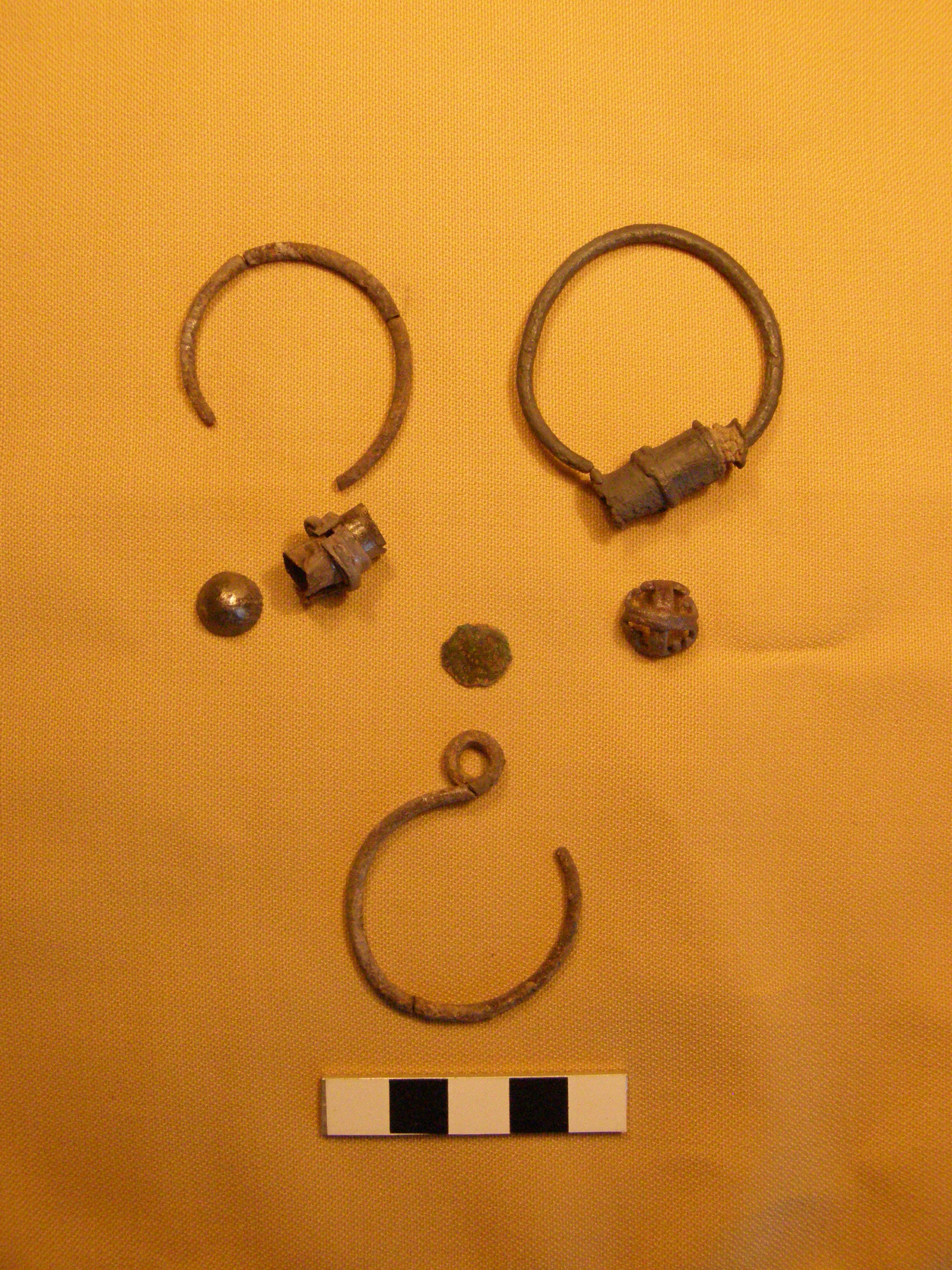
Sanisera
Ancient Roman city on Menorca's coast
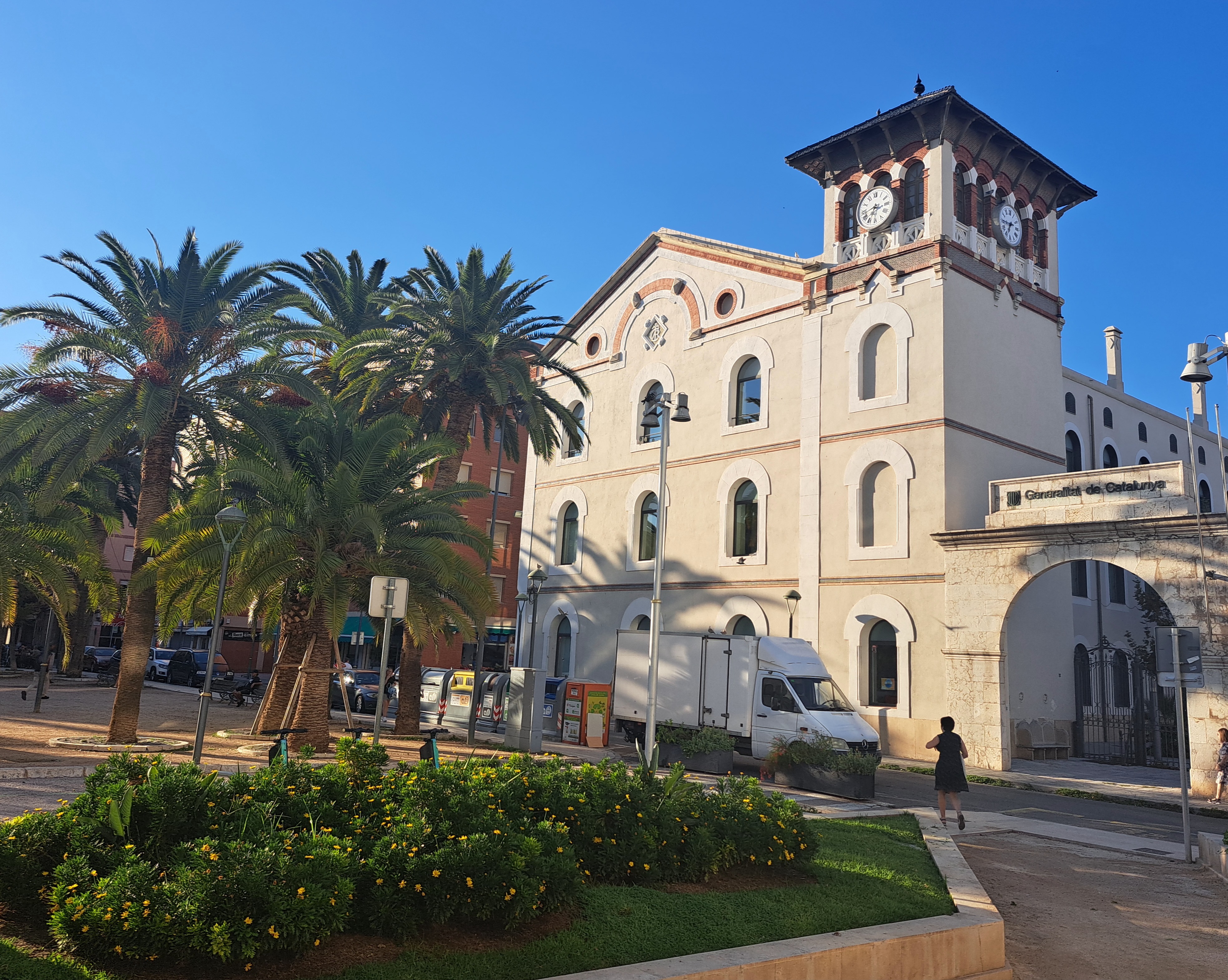
Tarragona
Roman heritage site with ancient ruins
Cieza, Murcia
Archaeological site with multi-period remains.
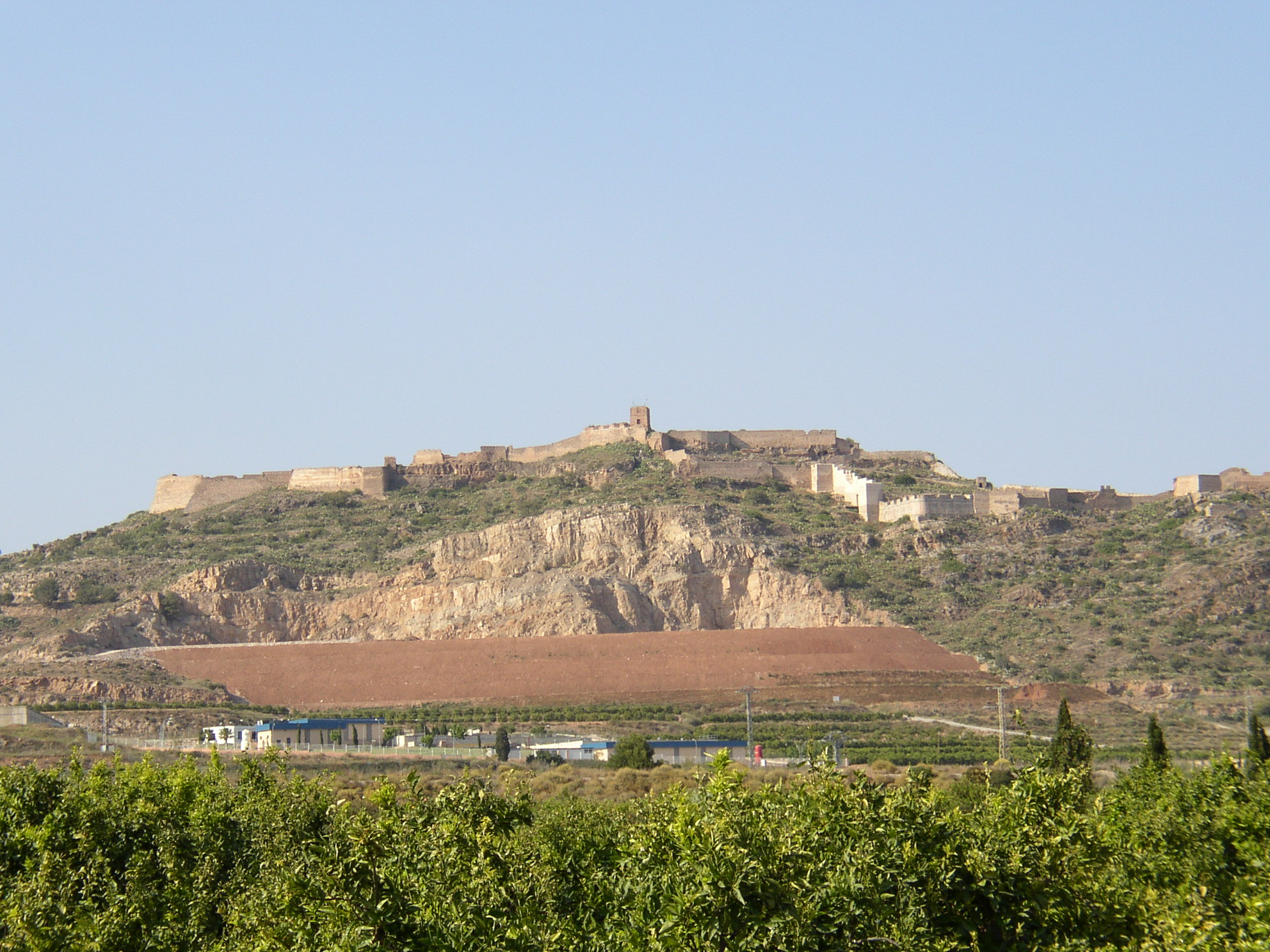
Sagunto
Ancient Iberian and Roman city remains