Time Periods
Paleolithic
Mesolithic
Neolithic
Chalcolithic
Bronze Age
Iron Age
Classical Period
Post-Classical Period
Early Modern Period
Industrial Period
Contemporary Period
Time Periods
Paleolithic
Mesolithic
Neolithic
Chalcolithic
Bronze Age
Iron Age
Classical Period
Post-Classical Period
Early Modern Period
Industrial Period
Contemporary Period
Location
About
Carmona, located in the province of Seville, Spain, is a site of significant archaeological interest due to its long and varied history. Originally a settlement of the Tartessian-Turdetani people, it was transformed by Phoenician traders into a fortified city named Qrt-Ḥmn. It later became an important Roman stronghold known as Carmo during the Classical period. The city saw further development under Moorish rule, with defensive walls and palaces being constructed. Captured by Ferdinand III of Castile in 1247, Carmona maintained a Muslim-majority population even under Christian rule. The citadel of Carmona, a notable feature during the reign of Peter the Cruel, reflects the city's strategic importance. Recent archaeological discoveries, such as the well-preserved wine urn from a Roman tomb, underscore Carmona's rich historical tapestry.
Gallery
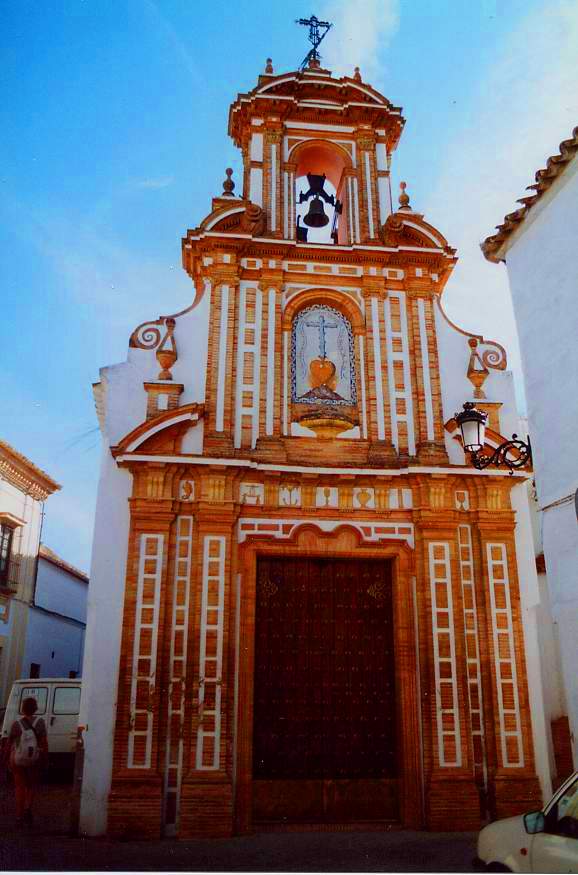
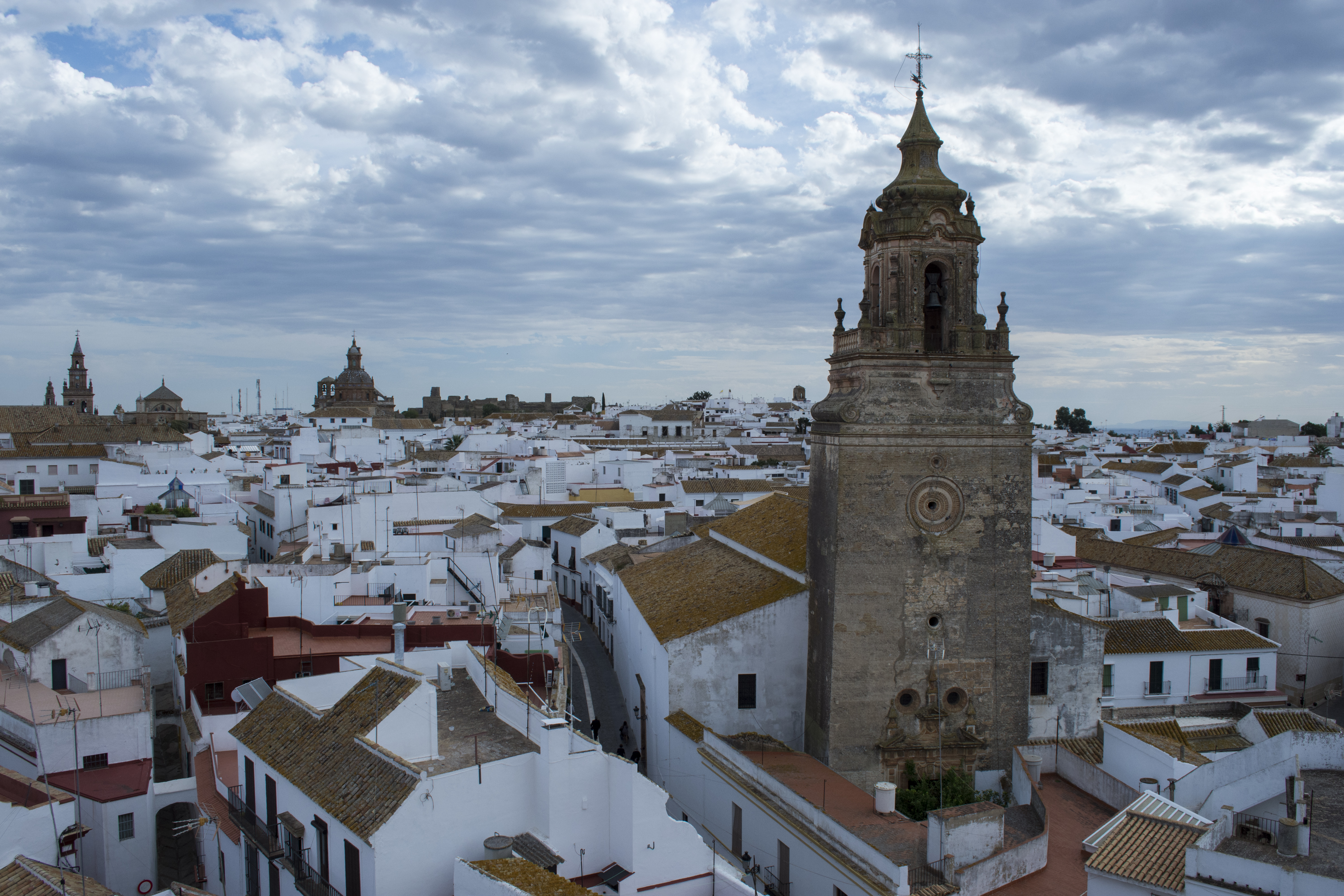
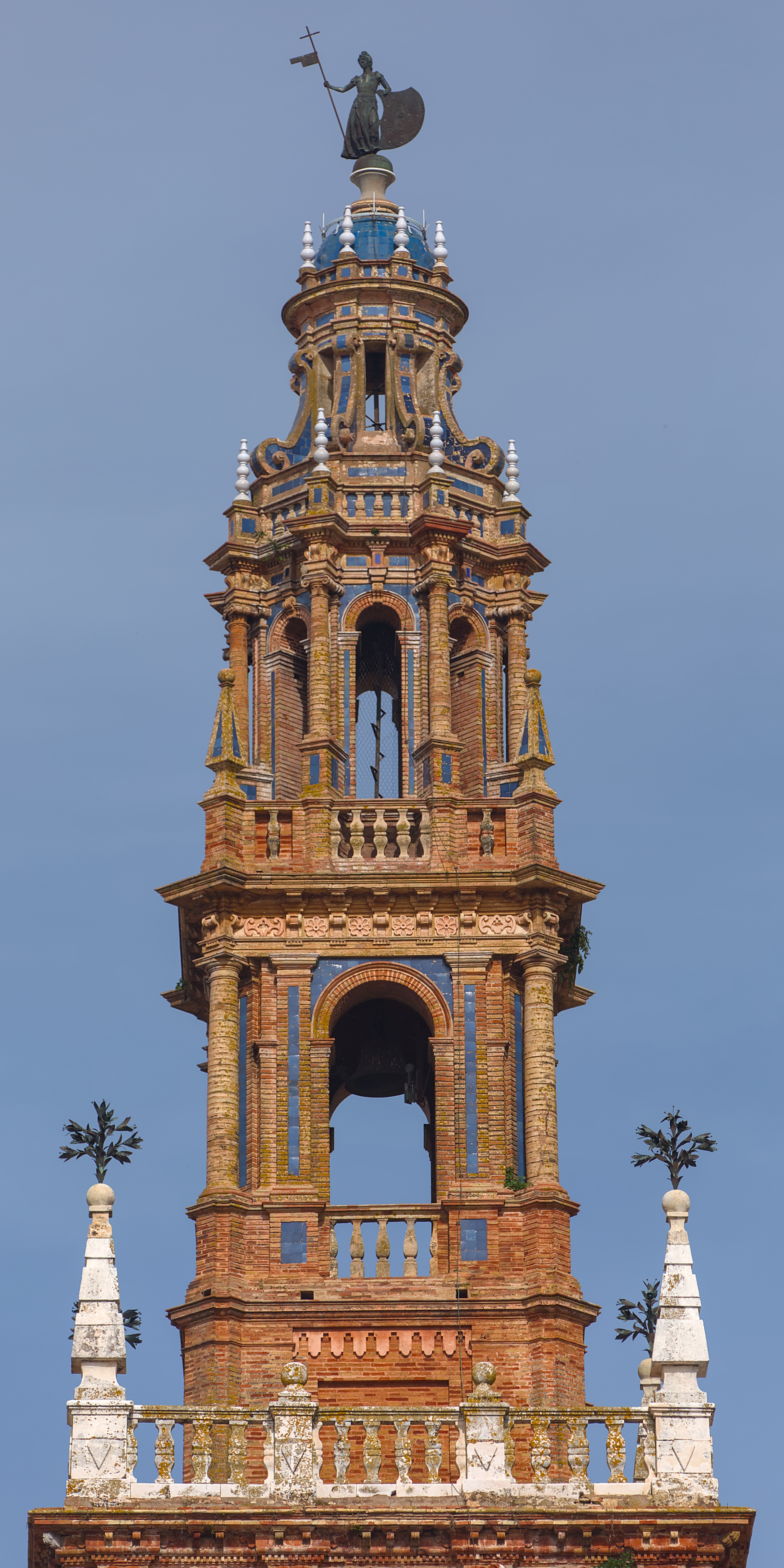
Explore photographs of ancient structures, artifacts, and archaeological excavations at Carmona, Spain
Archaeological Features
Explore the unique architectural and cultural elements found at this historical site
Defensive Structures
Burial and Funerary Structures
Domestic and Habitation Structures
Historical Timeline
Journey through time and discover key events in this site's archaeological history
Plan Your Visit
Details
- Country
- Spain
- Source
- Wikipedia
More Sites in Spain
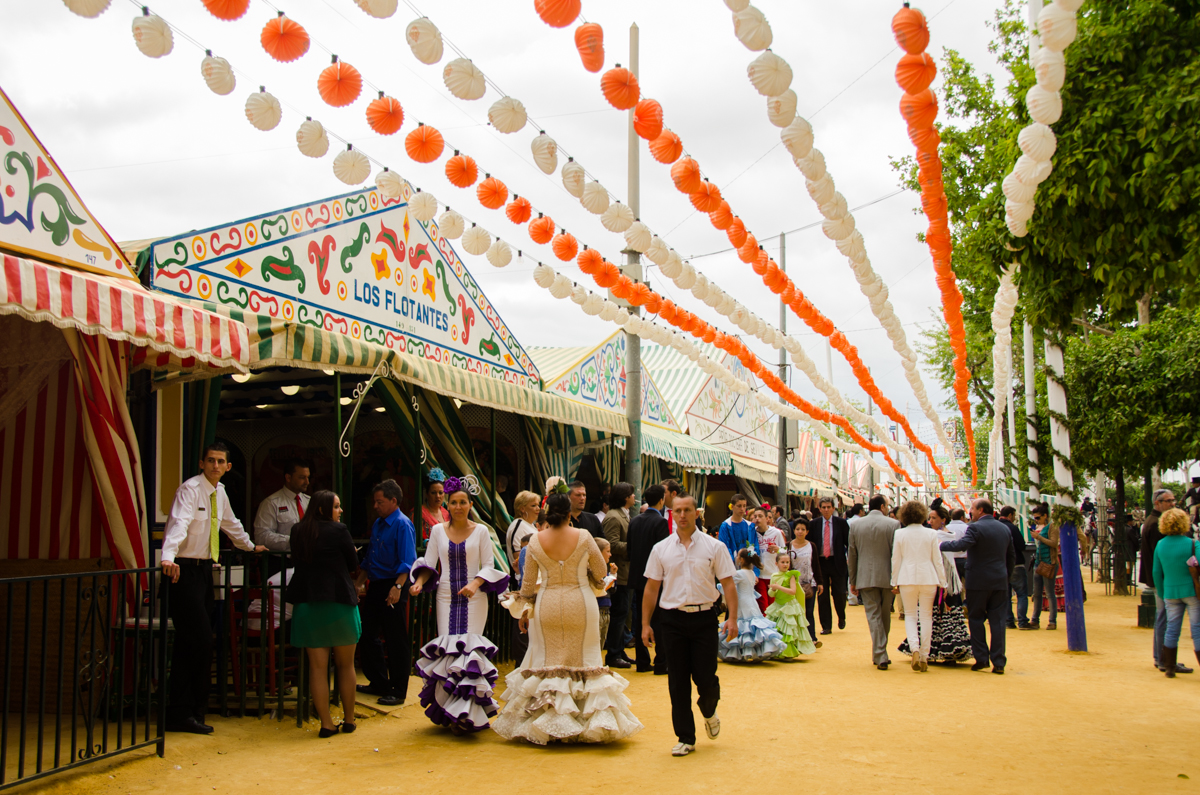
Seville
Multicultural historical city with Roman origins.
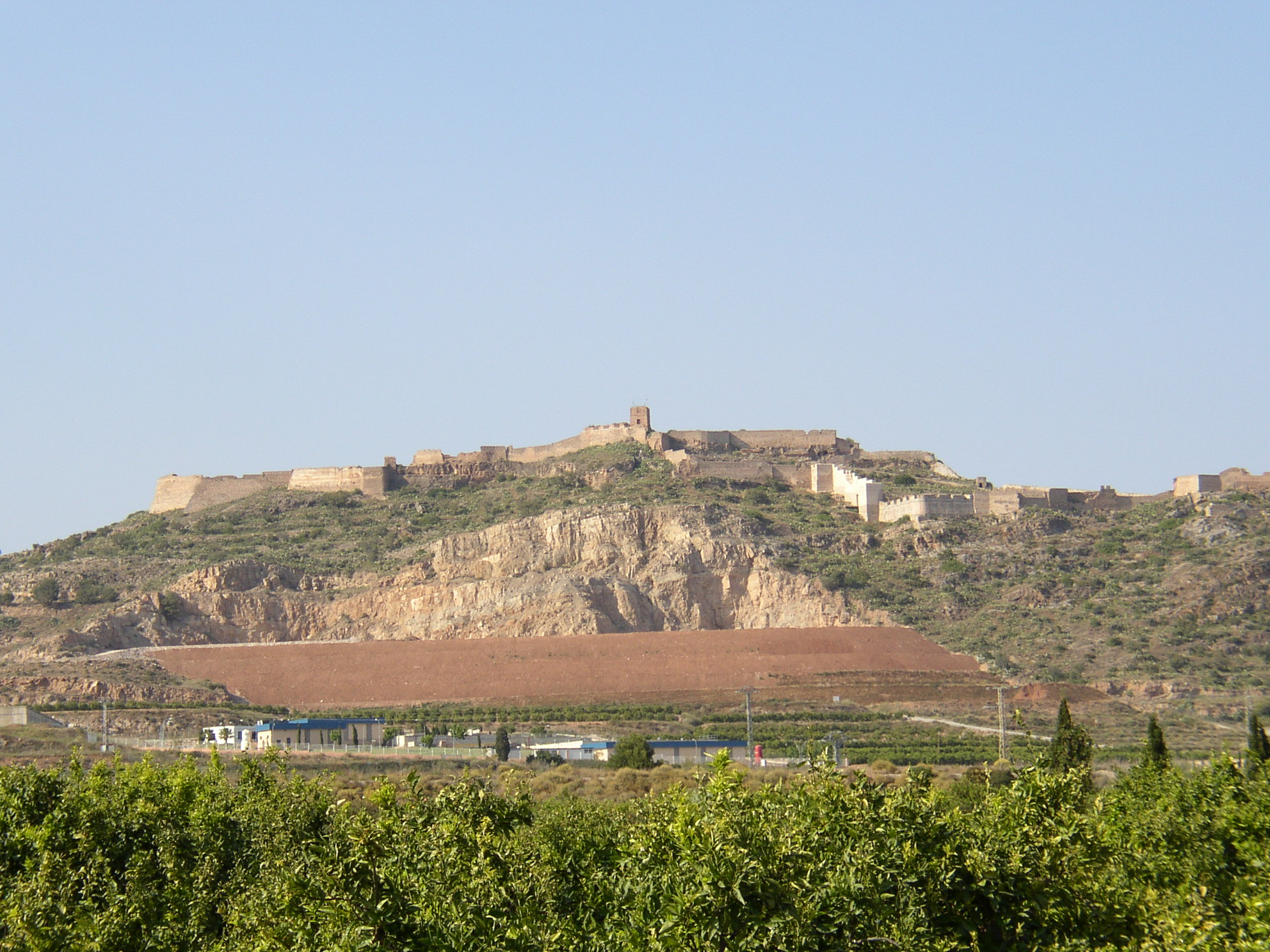
Sagunto
Ancient Iberian and Roman city remains
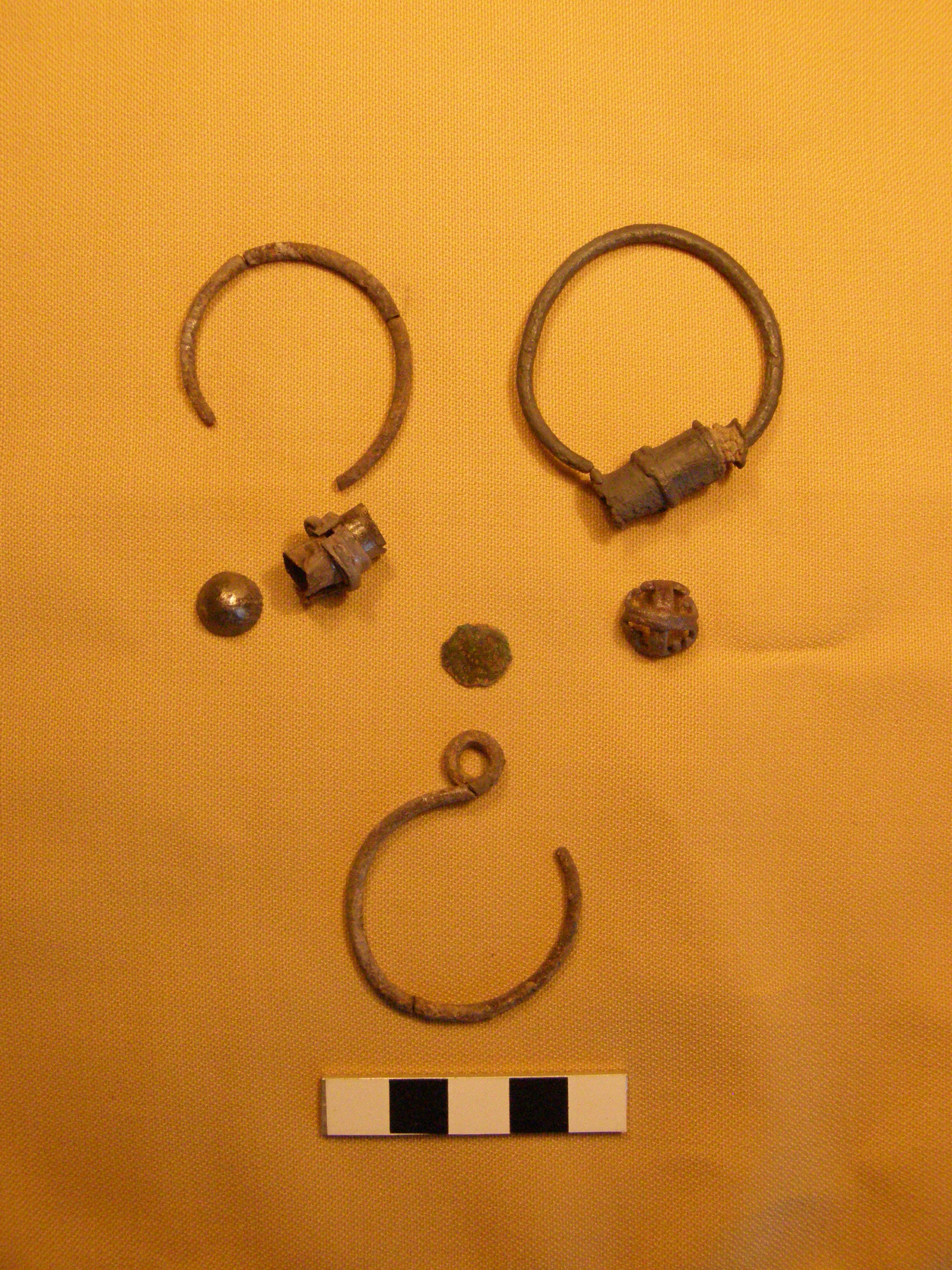
Sanisera
Ancient Roman city on Menorca's coast
Cieza, Murcia
Archaeological site with multi-period remains.
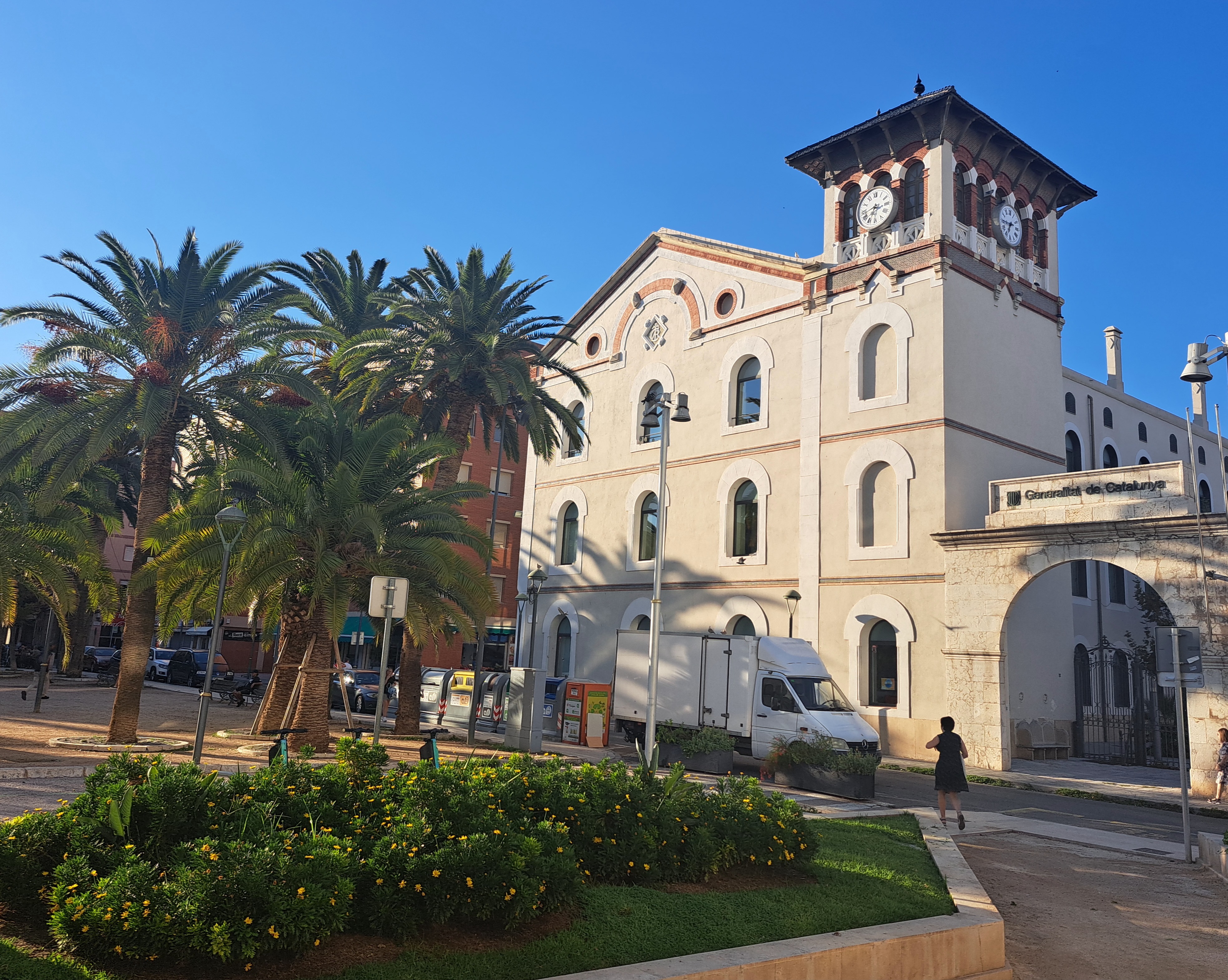
Tarragona
Roman heritage site with ancient ruins
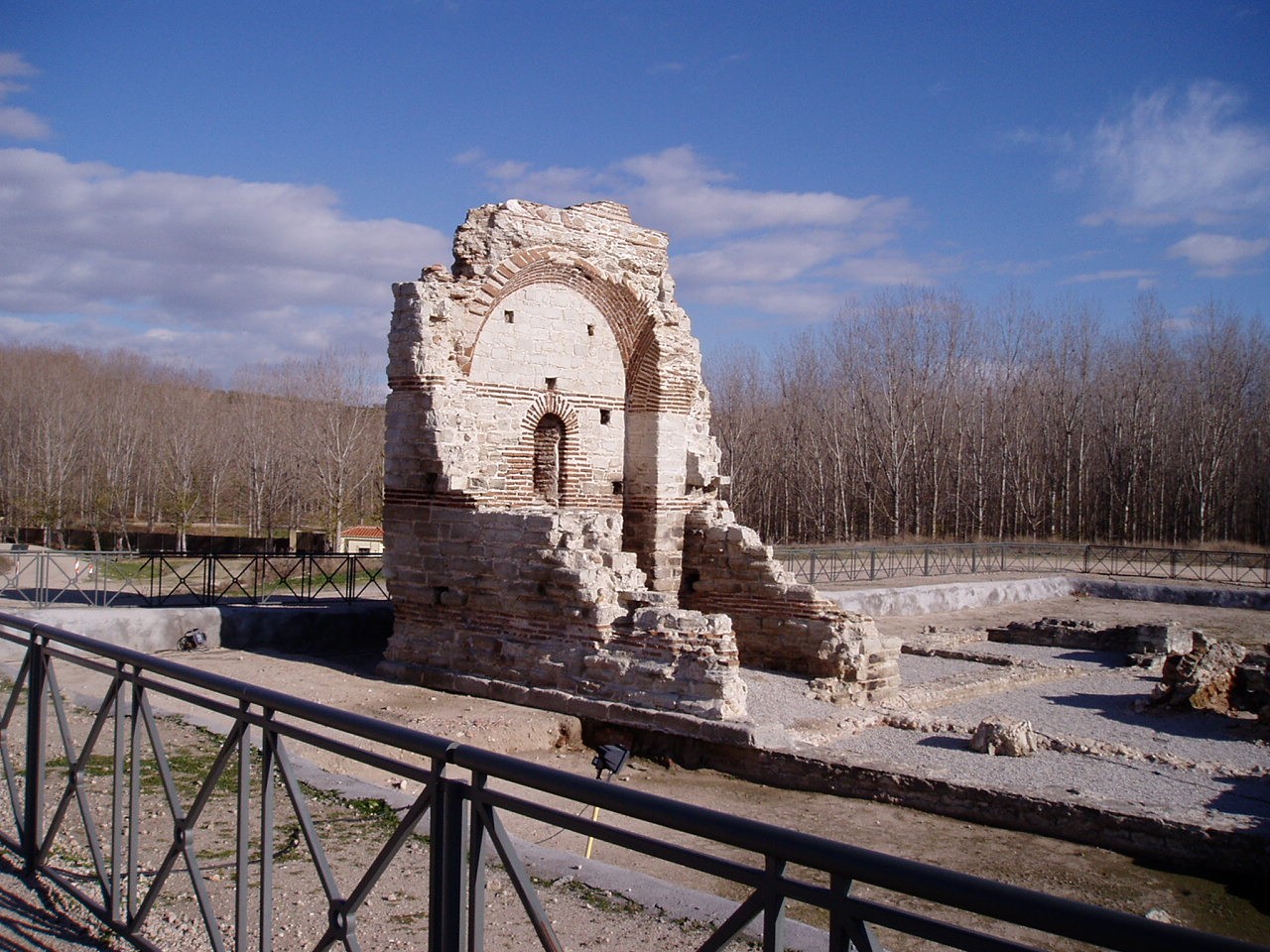
Carranque
Roman villa with mosaics and basilica