
Augusta Emerita
Augusta Emerita, also called Emerita Augusta, was a Roman colonia founded in 25 BC in present day Mérida, Spain.
Explore the Map
Augusta Emerita
38.9167° N, -6.3333° E
About
Augusta Emerita, also called Emerita Augusta, was a Roman colonia founded in 25 BC in present day Mérida, Spain. The city was founded by Roman Emperor Augustus to resettle Emeriti soldiers from the veteran legions of the Cantabrian Wars, these being Legio V Alaudae, Legio X Gemina, and possibly Legio XX Valeria Victrix. The city, one of the largest in Hispania, was the capital of the Roman province of Lusitania, controlling an area of over 20,000 square kilometres (7,700 sq mi). It had three aqueducts and two fora. The city was situated at the junction of several important routes. It sat near a crossing of the Guadiana river. Roman roads connected the city west to Felicitas Julia Olisippo (Lisbon), south to Hispalis (Seville), northwest to the gold mining area, and to Corduba (Córdoba) and Toletum (Toledo). Today the Archaeological Ensemble of Mérida is one of the largest and most extensive archaeological sites in Spain and a UNESCO World Heritage Site since 1993.
Plan Your Visit
Tours, travel arrangements, and practical information
More Sites in Spain
Calatrava la Vieja
Medieval fortress and town in Castile‑La Mancha, Spain
Castulo
Iberian town and Roman-era settlement in Andalusia, Spain
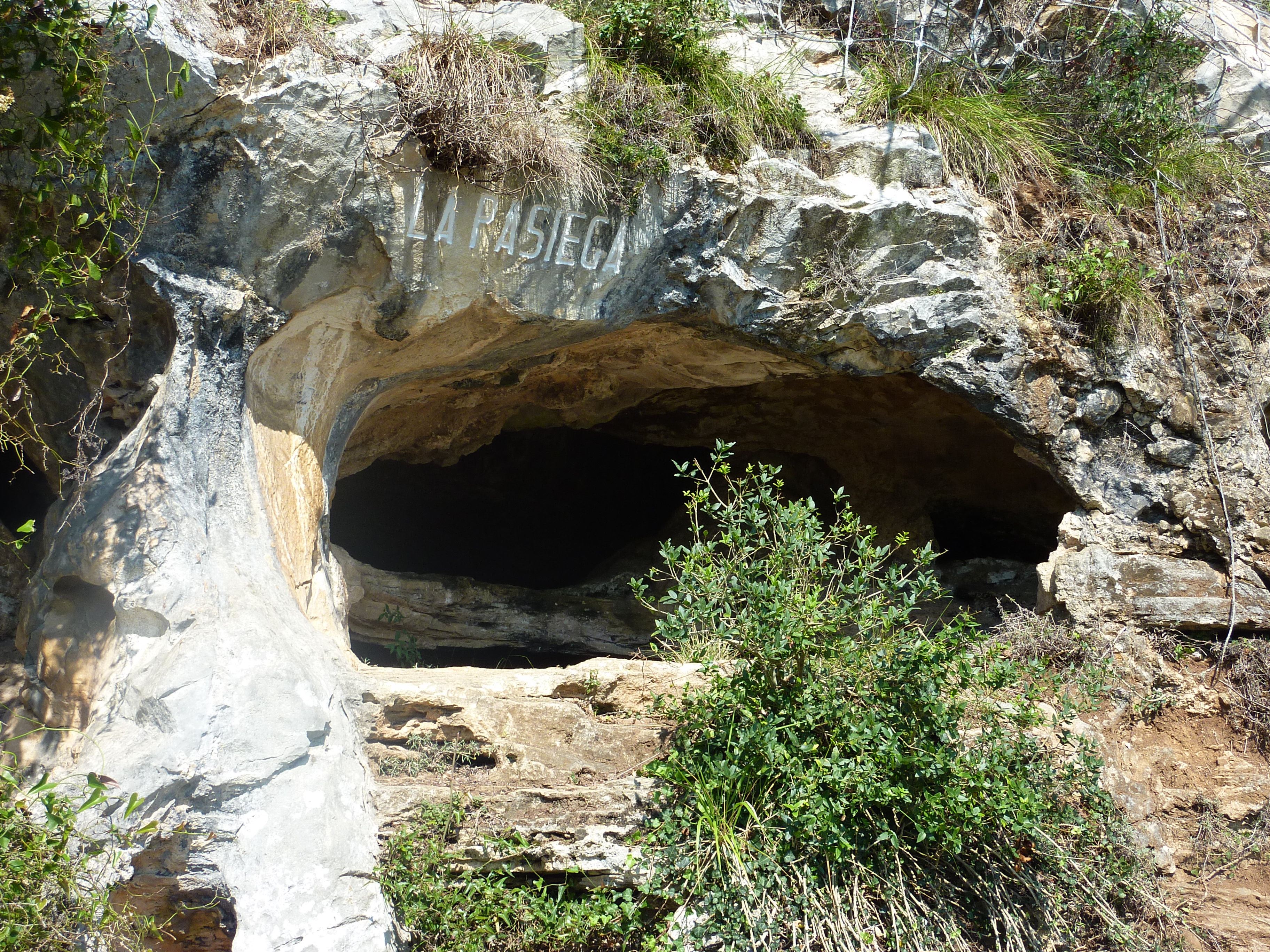
Cave of La Pasiega
Complex cave with Paleolithic rock art.
Las Capellanías
Prehistoric funerary complex in Huelva, Spain
Castro de Borneiro
Iron Age castro in Galicia, Spain
Dolmen of Guadalperal
Megalithic dolmen in Extremadura, Spain (3000–2000 BC)