Explore the Map
Biniai Nou hypogea
39.9058° N, 4.2123° E
About
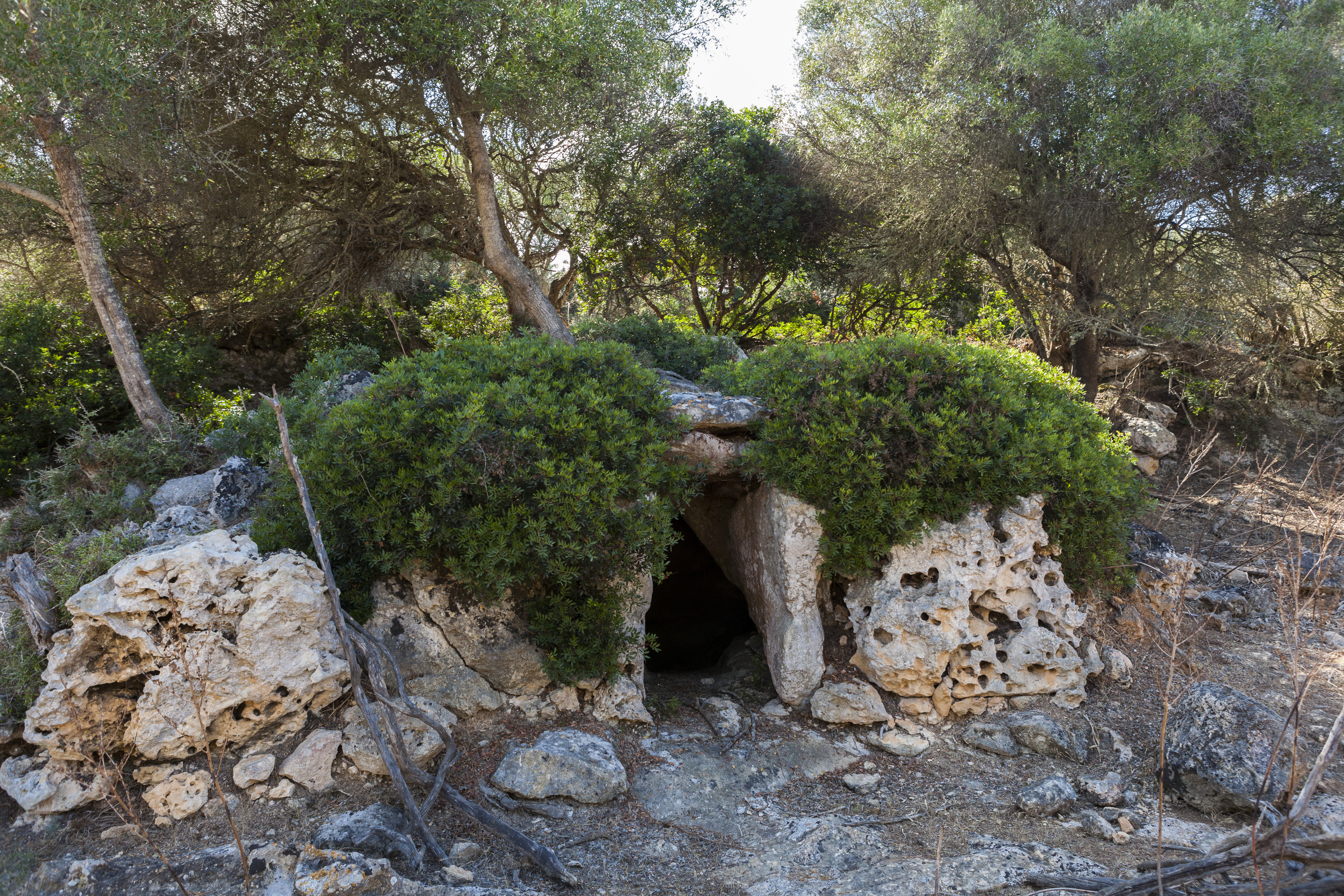
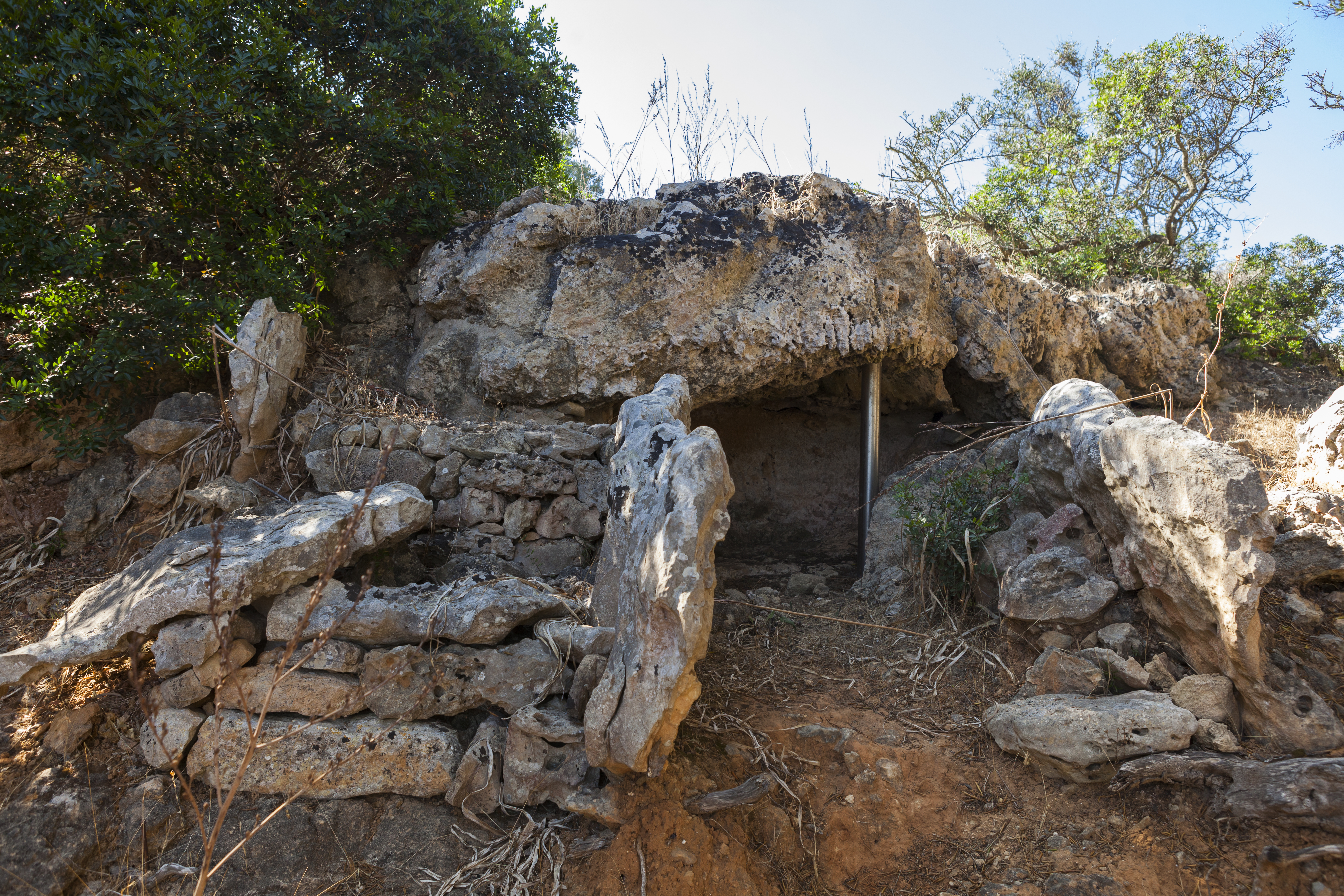
The Biniai Nou site in Menorca, Spain, features two funerary hypogea constructed during the Chalcolithic period, among the oldest known phases of human presence on the island. These rock-cut chambers, accessed through megalithic façades of vertical stone slabs, provide insight into burial practices of the era. Archaeological investigations revealed grave goods including ceramic vessels and radiolarite fragments, suggesting a culture familiar with tool-making. Radiocarbon dating of human remains from these hypogea confirms the site's significance, offering the earliest evidence of human occupation in Menorca, around 2290-2030 BCE. The site underscores the transition to settled life, with early inhabitants practicing agriculture and animal husbandry, evidenced by the presence of domestic livestock.
Gallery
Explore photographs of ancient structures, artifacts, and archaeological excavations
Historical Timeline
Journey through time and discover key events in this site's history
Chalcolithic hypogea construction
2290 BCE
Oldest human presence in Menorca
2030 BCE
Archaeological Features
Unique architectural and cultural elements found at this historical site
Miscellaneous Features
Burial and Funerary Structures
Agricultural and Land Use Features
Frequently Asked Questions
Plan Your Visit
Tours, travel arrangements, and practical information
More Sites in Spain
Las Capellanías
Prehistoric funerary complex in Huelva, Spain
Castell de la Fosca
Castell de la Fosca or Punta del Castell is an ancient Iberian settlement or oppidum sited on a rocky promontory at the north end of the beach called
La Olmeda
Late Antique Roman villa, Palencia, Spain
Tito Bustillo Cave
The Tito Bustillo Cave is a prehistoric rock shelter located in the small town of Ribadesella, in the autonomous community of Asturias, Spain.
Calatrava la Vieja
Medieval fortress and town in Castile‑La Mancha, Spain
El Castillón
El Castillón is an archaeological site located in the Spanish hamlet of Santa Eulalia de Tábara, in the municipality of Moreruela de Tábara, province