
Explore the Map
Cave of Altamira
43.3825° N, -4.1203° E
About
The Cave of Altamira ( AL-tə-MEER-ə; Spanish: Cueva de Altamira [ˈkweβa ðe altaˈmiɾa]) is a cave complex, located near the historic town of Santillana del Mar in Cantabria, Spain. It is renowned for prehistoric cave art featuring charcoal drawings and polychrome paintings of contemporary local fauna and human hands. The earliest paintings were applied during the Upper Paleolithic, around 36,000 years ago. The site was discovered in 1868 by Modesto Cubillas and subsequently studied by Marcelino Sanz de Sautuola. Aside from the striking quality of its polychromatic art, Altamira's fame stems from the fact that its paintings were the first European cave paintings for which a prehistoric origin was suggested and promoted. Sautuola published his research with the support of Juan de Vilanova y Piera in 1880, to initial public acclaim. However, the publication of Sanz de Sautuola's research quickly led to a bitter public controversy among experts, some of whom rejected the prehistoric origin of the paintings on the grounds that prehistoric human beings lacked sufficient ability for abstract thought. The controversy continued until 1902, by which time reports of similar findings of prehistoric paintings in the Franco-Cantabrian region had accumulated and the evidence could no longer be rejected. Altamira is located in the Franco-Cantabrian region and in 1985 was declared a World Heritage Site by UNESCO as a key location of the Cave of Altamira and Paleolithic Cave Art of Northern Spain. The cave can no longer be visited, for conservation reasons, but there are replicas of a section at the site and elsewhere.
Historical Timeline
Journey through time and discover key events in this site's history
Later excavation
1968
Sealing rockfall
c. 13,000 years ago
Lower Magdalenian occupation
c. 16,590–14,000 years ago
Discovery of cave
1868
Recognition of paintings
1879
First major publication
1880
Scientific rehabilitation
1902
Excavations by Alcalde del Río
1902–1904
Obermaier excavations
1924–1925
Initial public closure
1977
Limited reopening
1982
UNESCO inscription
1985
Replica completed
2001
Further U-Th datings
2012
Earliest painting phase
c. 36,000 years ago
Mould detection and closure
2002
Uranium-thorium dating study
2008
Solutrean occupation artifacts
c. 18,500 years ago
Archaeological Features
Unique architectural and cultural elements found at this historical site
Artistic and Decorative Features
Domestic and Habitation Structures
Environmental and Natural Features
Frequently Asked Questions
Plan Your Visit
Tours, travel arrangements, and practical information
More Sites in Spain
Castulo
Iberian town and Roman-era settlement in Andalusia, Spain
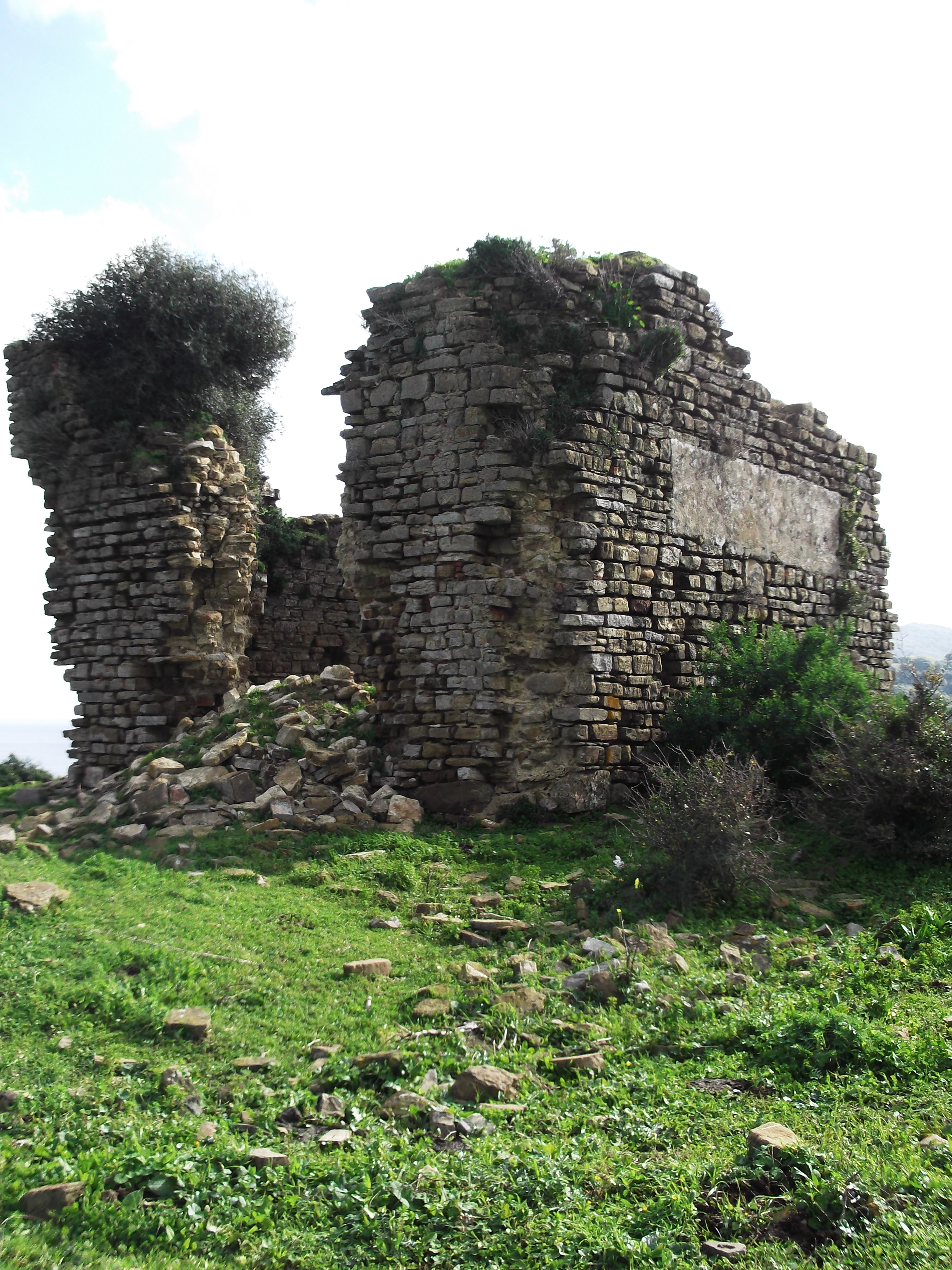
Torre del Arroyo del Lobo
Ruined medieval defensive tower in Spain
Calatrava la Vieja
Medieval fortress and town in Castile‑La Mancha, Spain
Castro de Borneiro
Iron Age castro in Galicia, Spain
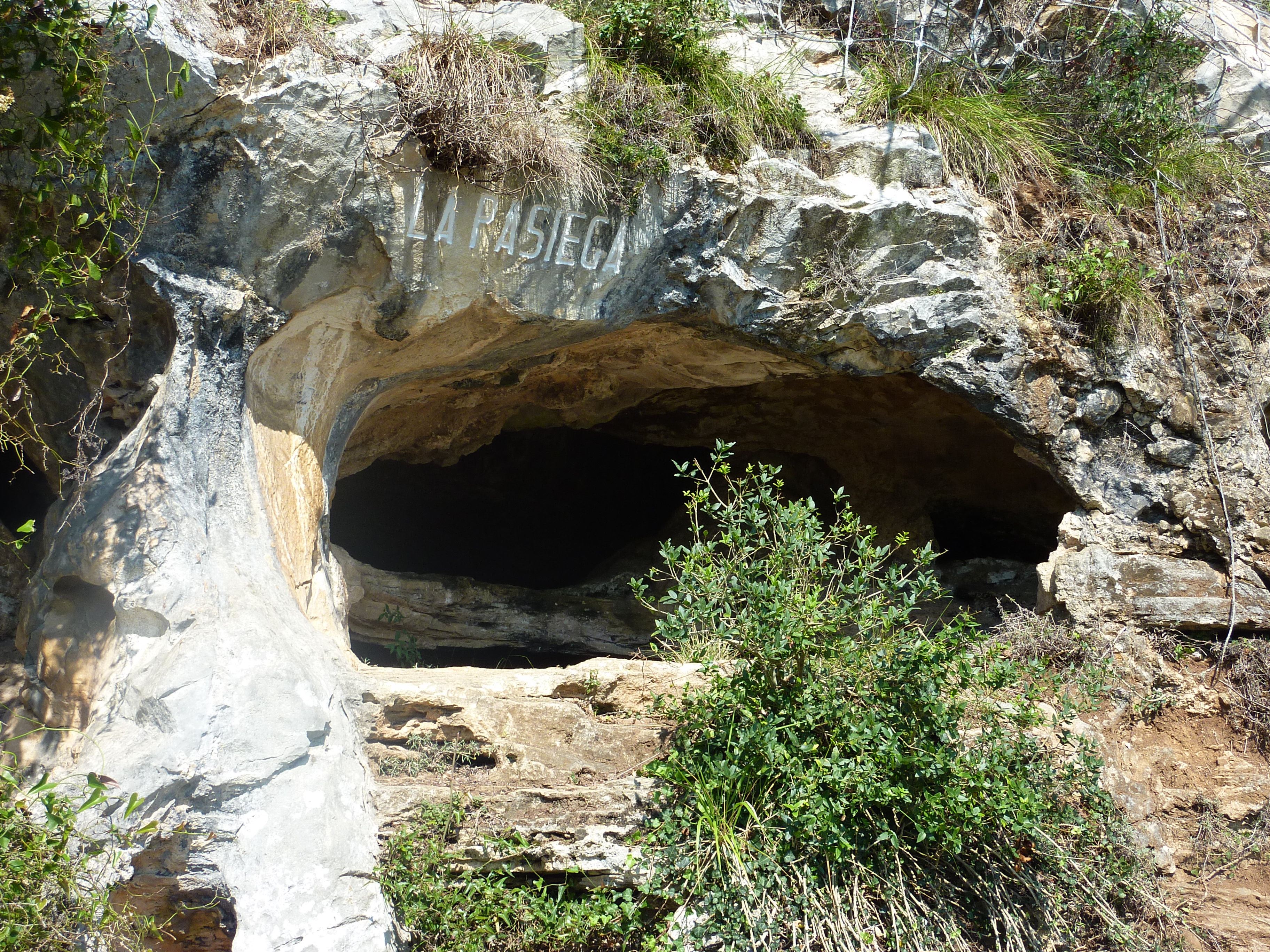
Cave of La Pasiega
Complex cave with Paleolithic rock art.
Cave of Chufín
Paleolithic cave art in Cantabria, Spain