
Explore the Map
Cave of the Guanches
28.3769° N, -16.7231° E
About
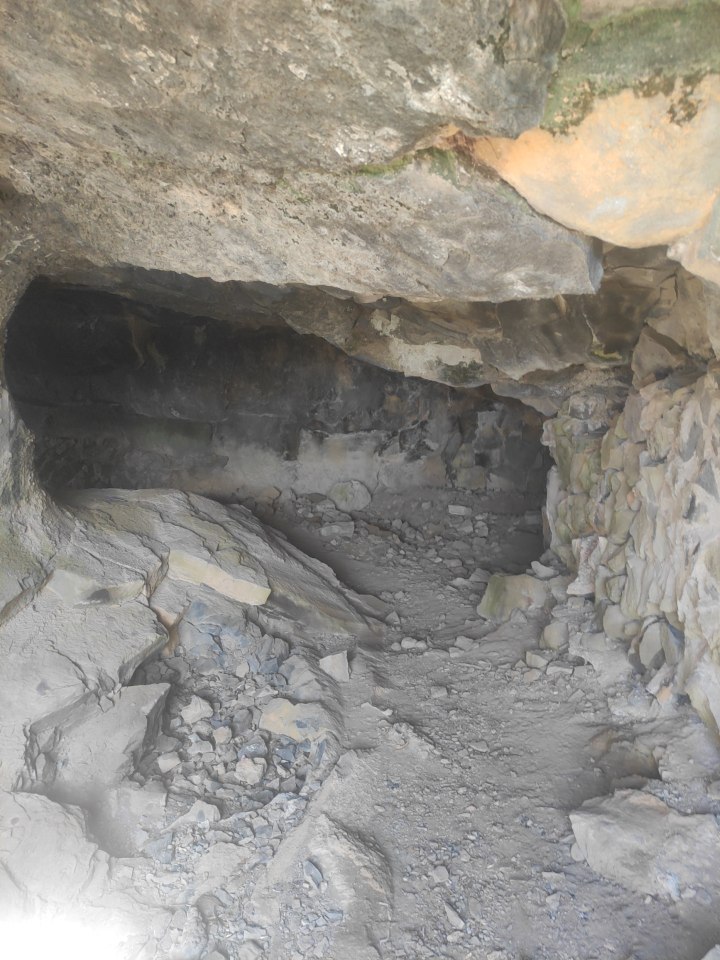
The Cave of the Guanches is a significant archaeological site located in the northern part of Tenerife, Canary Islands, within the municipality of Icod de los Vinos. This site is renowned for being one of the earliest known Guanche settlements on the island, dating back to the 6th century BCE. Situated at 125 meters above sea level on a cliff, the area was once a village comprised of natural caves and huts. Notably, the site includes a rare secondary burial pit, reflecting unique funerary practices of the Guanche people. Archaeological findings such as pottery shards, bone tools, and marine shells provide insights into the daily life and culture of the Guanches. Many of these artefacts are preserved in the Museo Guanche and the British Museum. The site is recognized as a Site of Cultural Interest, highlighting its importance in understanding the pre-Hispanic history of the Canary Islands.
Gallery
Explore photographs of ancient structures, artifacts, and archaeological excavations
Historical Timeline
Journey through time and discover key events in this site's history
Early Guanche Settlement
600 BCE
Archaeological Features
Unique architectural and cultural elements found at this historical site
Burial and Funerary Structures
Domestic and Habitation Structures
Environmental and Natural Features
Frequently Asked Questions
Plan Your Visit
Tours, travel arrangements, and practical information
More Sites in Spain
Castro de Borneiro
Iron Age castro in Galicia, Spain
Castulo
Iberian town and Roman-era settlement in Andalusia, Spain
La Fonteta Phoenician Port
La Fonteta is an ancient Phoenician port city that was located in what is now the town of Guardamar del Segura, Alicante, Spain.
La Olmeda
Late Antique Roman villa, Palencia, Spain
Ca n'Oliver Iberian Settlement and Museum
The Ca n'Oliver Iberian settlement is a very large Iberian settlement found in the Collserola mountain range, in the territory formerly known as Laietania, in present-day Cerdanyola del Vallès.
El Castillón
El Castillón is an archaeological site located in the Spanish hamlet of Santa Eulalia de Tábara, in the municipality of Moreruela de Tábara, province