Time Periods
Paleolithic
Mesolithic
Neolithic
Chalcolithic
Bronze Age
Iron Age
Classical Period
Post-Classical Period
Early Modern Period
Industrial Period
Contemporary Period
Time Periods
Paleolithic
Mesolithic
Neolithic
Chalcolithic
Bronze Age
Iron Age
Classical Period
Post-Classical Period
Early Modern Period
Industrial Period
Contemporary Period
Location
About
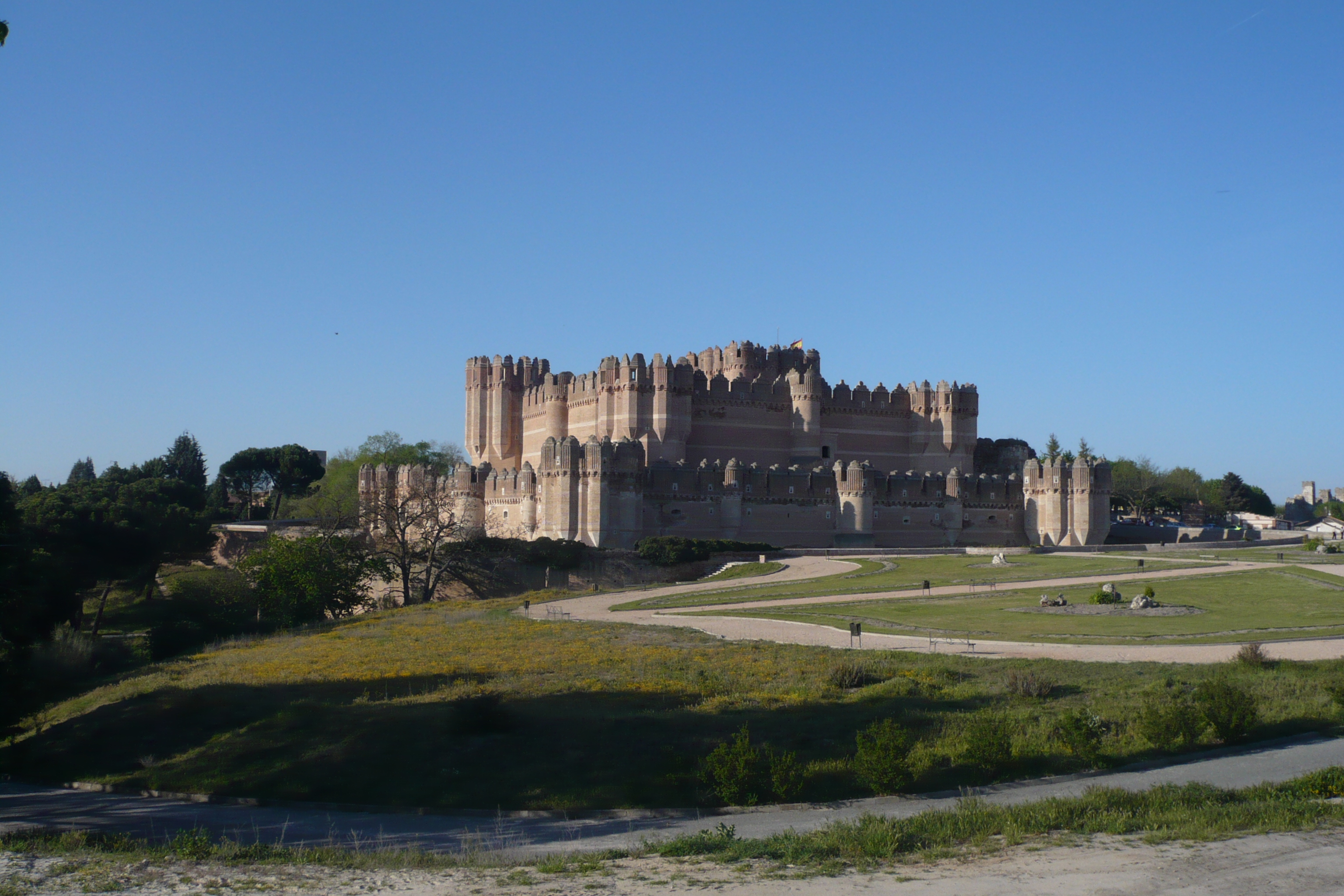
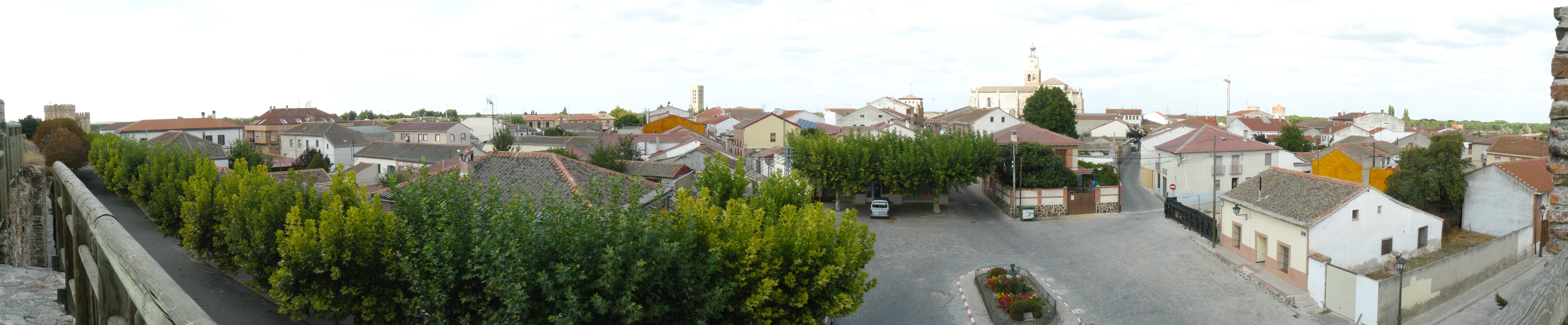
The town of Coca in the province of Segovia, central Spain, holds significant archaeological interest primarily due to the presence of the Castillo de Coca, a 15th-century Mudéjar-style castle. This castle represents an important architectural feature from the Late Post-Classical Period, illustrating the blend of Gothic and Islamic art styles that characterized Mudéjar architecture during this era. Additionally, Coca is historically notable as the birthplace of Roman Emperor Theodosius I in 347 CE. The town also had a thriving Jewish community until their expulsion in 1492 CE. Coca's historical narrative is enriched by these cultural and architectural elements, offering insights into the region's medieval past and its socio-political dynamics over centuries.
Gallery
Explore photographs of ancient structures, artifacts, and archaeological excavations at Coca, Segovia
Archaeological Features
Explore the unique architectural and cultural elements found at this historical site
Defensive Structures
Historical Timeline
Journey through time and discover key events in this site's archaeological history
Plan Your Visit
Details
- Country
- Spain
- Source
- Wikipedia
More Sites in Spain
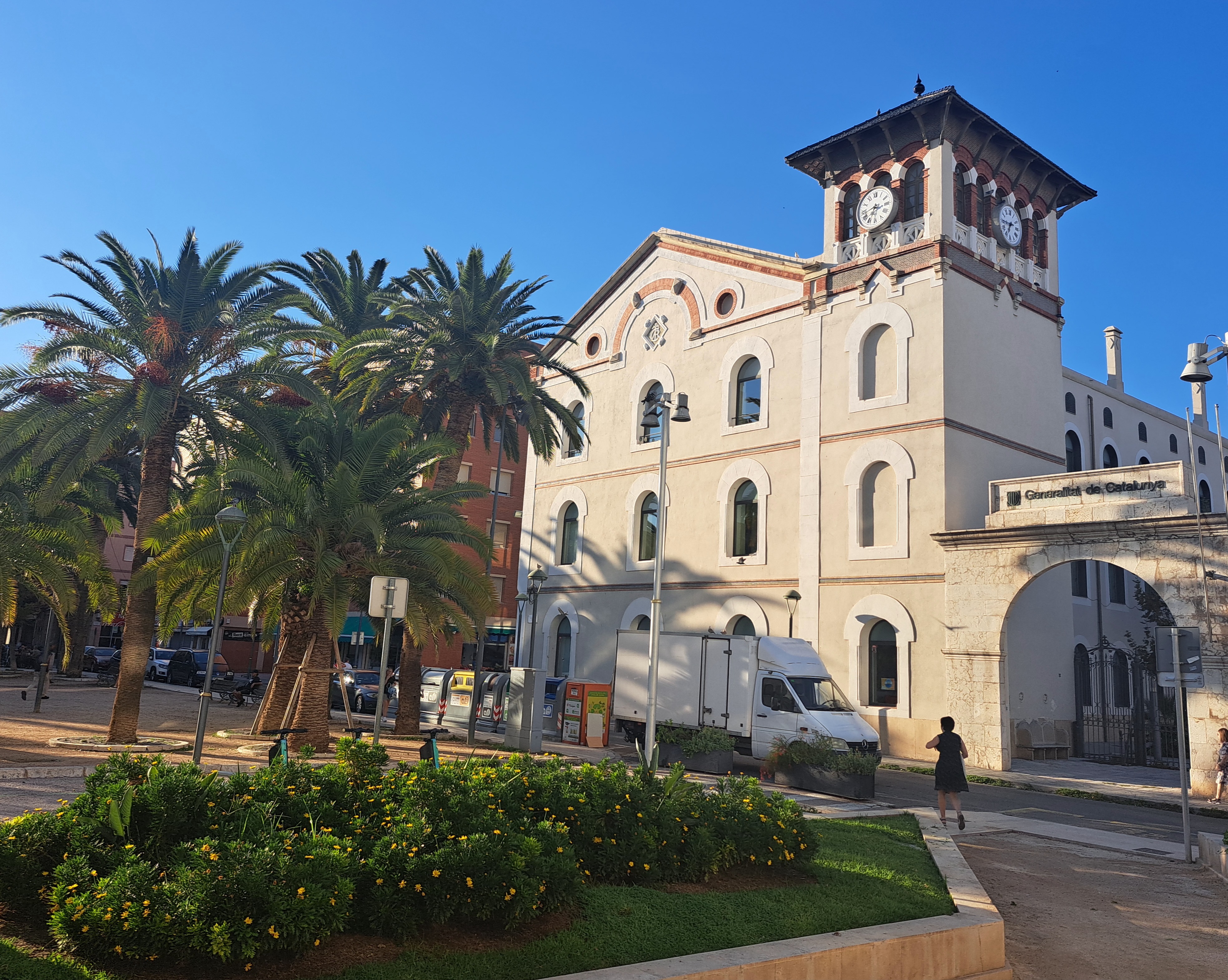
Tarragona
Roman heritage site with ancient ruins
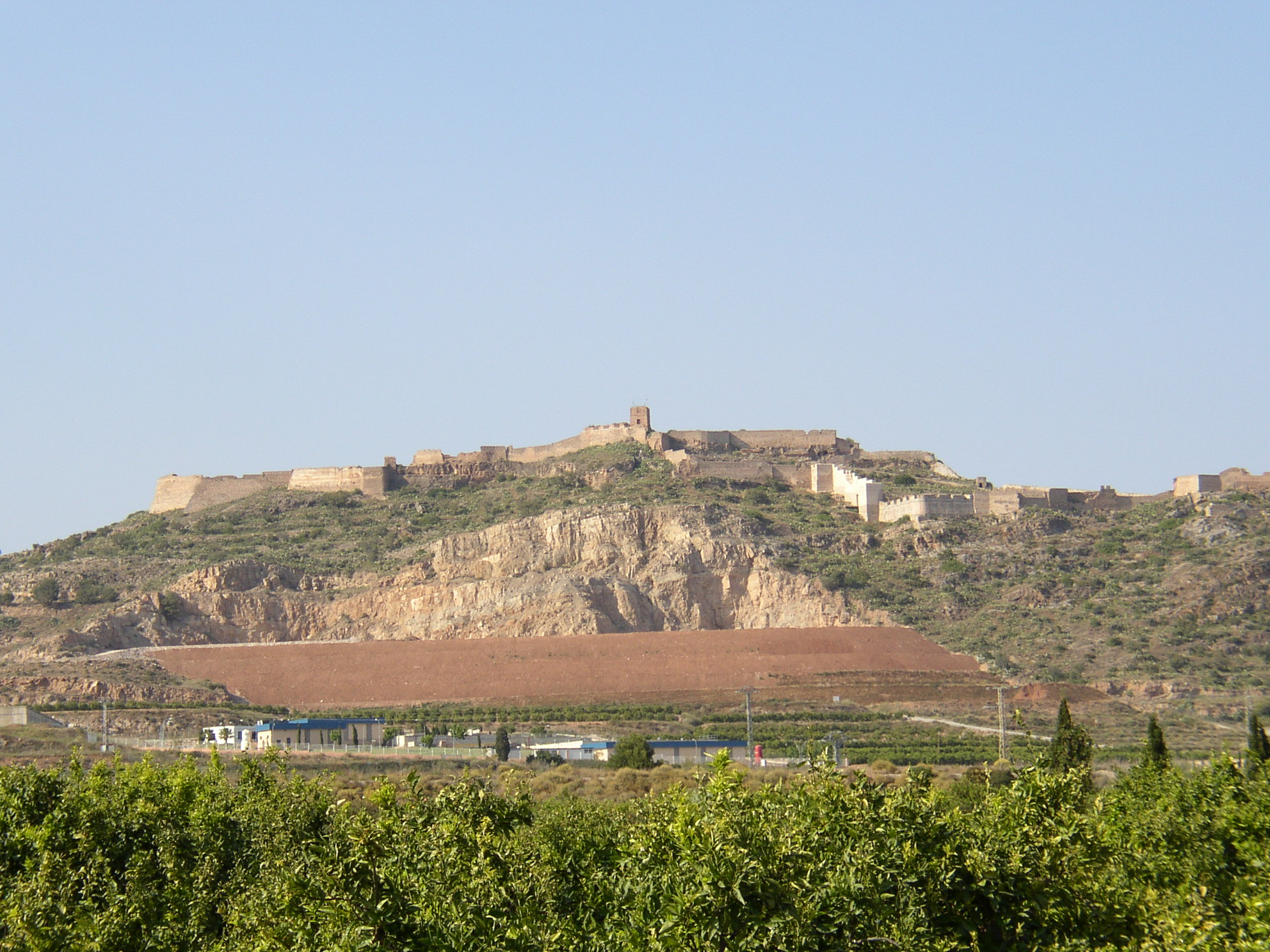
Sagunto
Ancient Iberian and Roman city remains
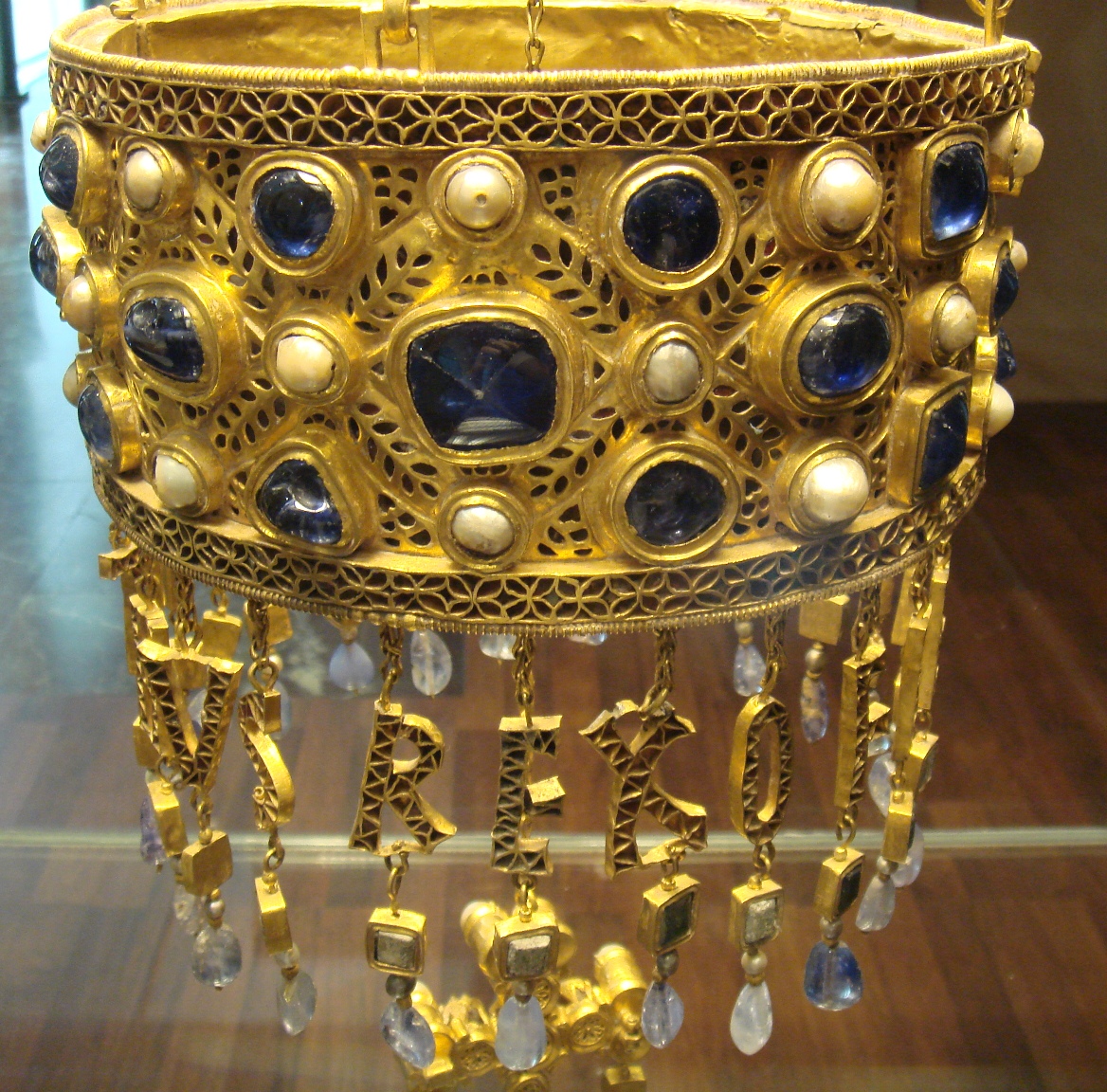
Treasure of Guarrazar
Visigothic votive crowns and gold crosses
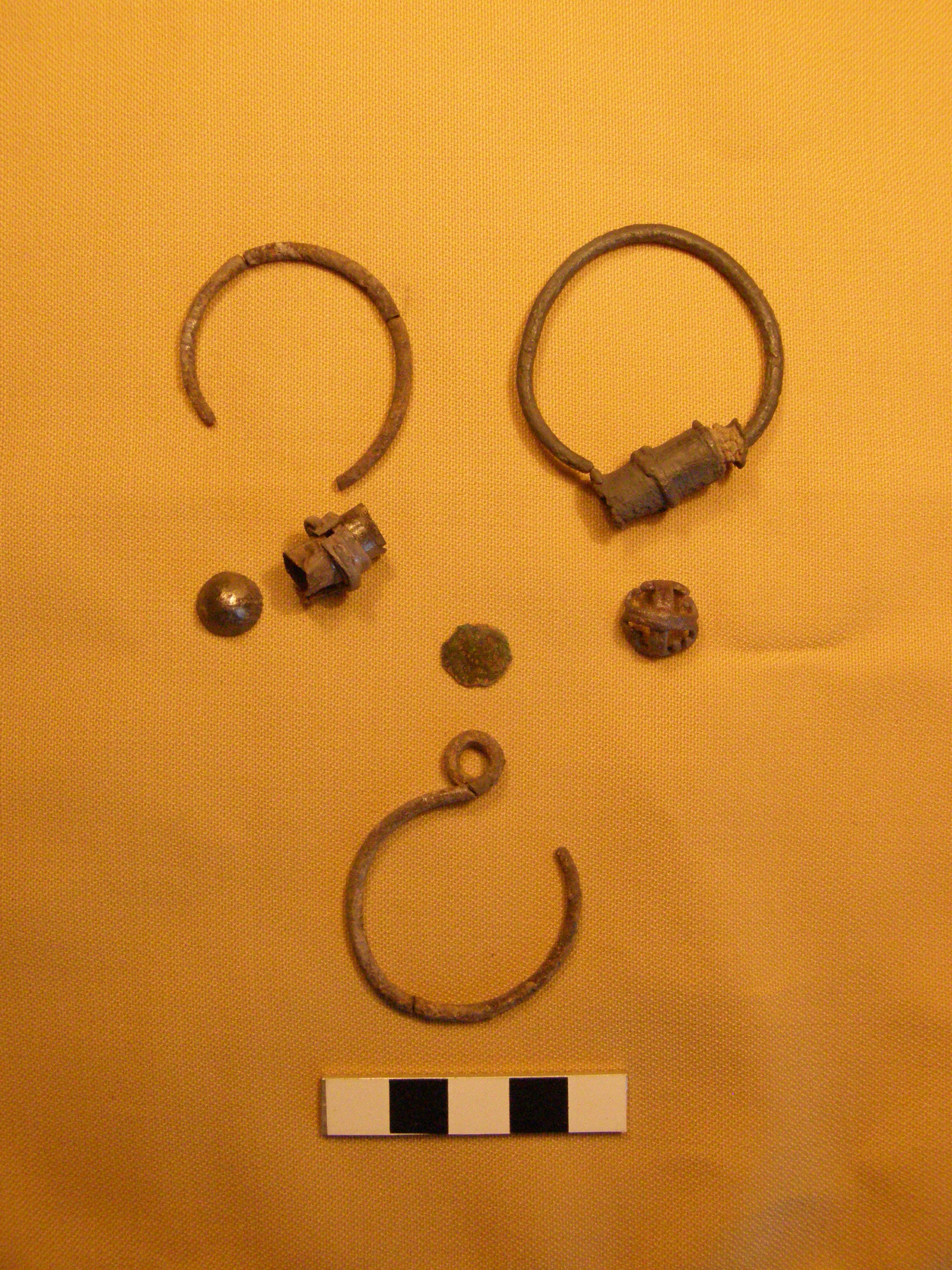
Sanisera
Ancient Roman city on Menorca's coast
Cieza, Murcia
Archaeological site with multi-period remains.
Jewish cemetery, Lucena
Largest Jewish necropolis in Spain.