Explore the Map
Jewish cemetery, Lucena
37.4029° N, -4.4884° E
About
The Jewish necropolis of Lucena, discovered in 2006, stands as the largest Jewish cemetery found in Spain. This significant archaeological site features 346 catalogued graves, with some gravestones dated as early as the 8th century CE, marking the presence of a thriving Jewish community in Lucena during the Early Post-Classical Period. The cemetery provides a glimpse into the Jewish heritage of the region, spanning several centuries up until the community's decline due to the city's destruction by the Almoravid dynasty in 1146 CE. Excavations and studies, including analyses of dental remains, offer insights into the life and customs of the Jewish population, making the site a vital link to the past Jewish cultural and religious practices in the Iberian Peninsula.
Historical Timeline
Journey through time and discover key events in this site's history
8th century CE: Earliest Gravestones
700 CE
1000-1050 CE: Additional Burials
1000 CE, 1050 CE
1146 CE: Destruction of Lucena
1146 CE
Archaeological Features
Unique architectural and cultural elements found at this historical site
Burial and Funerary Structures
Frequently Asked Questions
Plan Your Visit
Tours, travel arrangements, and practical information
More Sites in Spain
Calatrava la Vieja
Medieval fortress and town in Castile‑La Mancha, Spain
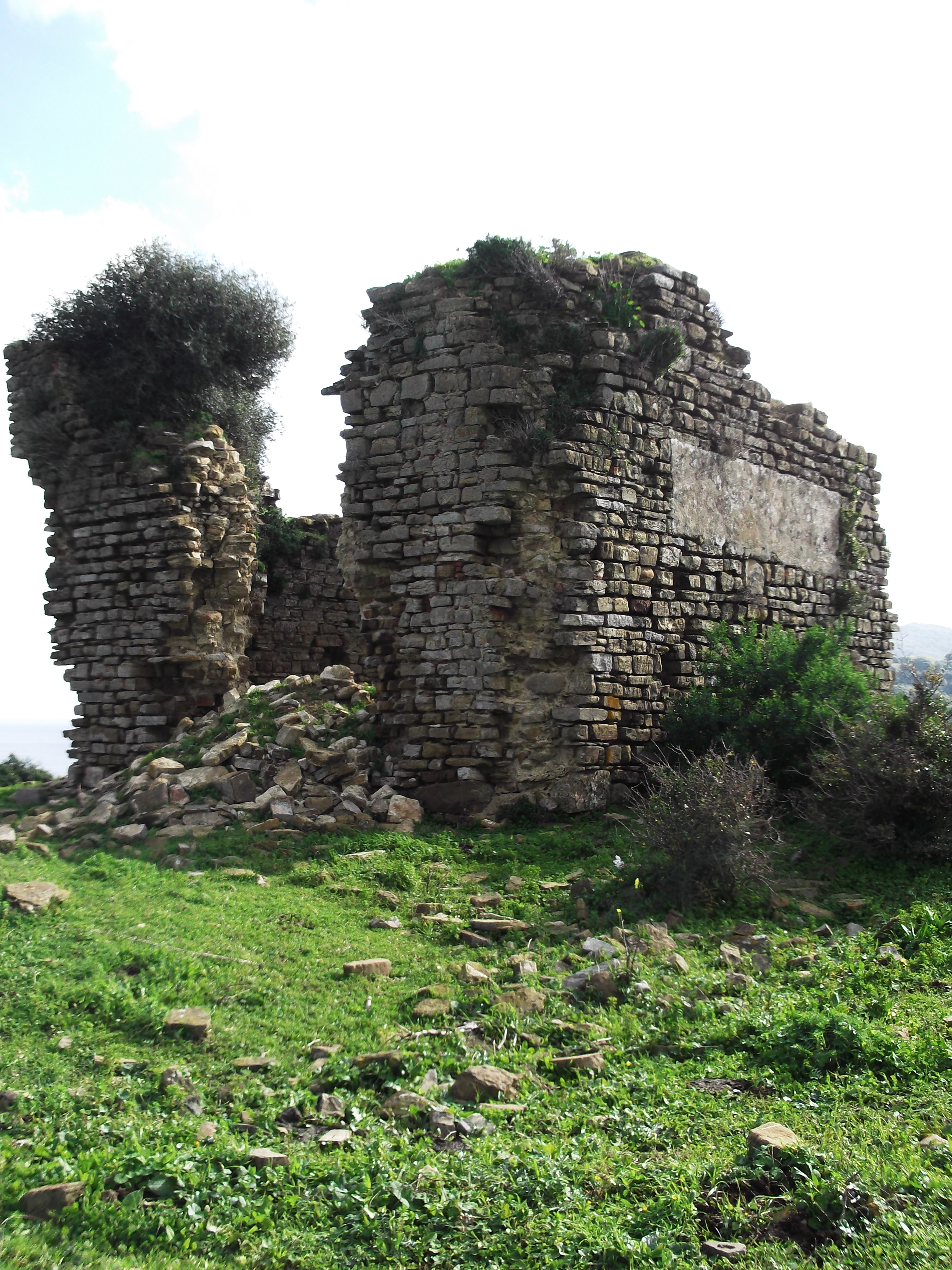
Torre del Arroyo del Lobo
Ruined medieval defensive tower in Spain
Castro de Borneiro
Iron Age castro in Galicia, Spain
Castulo
Iberian town and Roman-era settlement in Andalusia, Spain
Las Capellanías
Prehistoric funerary complex in Huelva, Spain
Cave of Chufín
Paleolithic cave art in Cantabria, Spain