
Explore the Map
Cueva Antón
38.0644° N, -1.4964° E
About
Cueva Antón is a paleoanthropological and archeological site in the Region of Murcia of southeast Spain. The cave is located about 60 kilometers from the Mediterranean port city of Cartagena inland in the territory of the municipality of Mula. It was eroded by the Río Mula and served as a cave in the Middle Palaeolithic inhabited by Neanderthals. The cave became internationally known in 2010, after a shell at least 43,000 years old with adhering orange pigment was discovered there. The pigment found was interpreted as evidence that the shell was used "in an aesthetic and probably symbolic" way. The find from the Cueva Antón was published together with similar finds from the Cave of Los Aviones; they were named as the first such Neanderthal jewelry found in Europe. The colonization of the Iberian Peninsula by modern man ( Homo sapiens ) took place only several thousand years after the creation of the jewelry from the Cueva Antón. This site is the last known place where Neanderthal people resided. The rock of the cave is Eocene limestone. It is at the base of a 25 meter high cliff on the bank of the Río Mula. The base of the cave was filled with four meters of sediment.
Historical Timeline
Journey through time and discover key events in this site's history
Pigment-bearing shell age
c. 43,000 years BP
International attention following shell discovery
2010
Archaeological Features
Unique architectural and cultural elements found at this historical site
Domestic and Habitation Structures
Environmental and Natural Features
Frequently Asked Questions
Plan Your Visit
Tours, travel arrangements, and practical information
More Sites in Spain
Cave of Chufín
Paleolithic cave art in Cantabria, Spain
Calatrava la Vieja
Medieval fortress and town in Castile‑La Mancha, Spain
Castro de Borneiro
Iron Age castro in Galicia, Spain
Castulo
Iberian town and Roman-era settlement in Andalusia, Spain
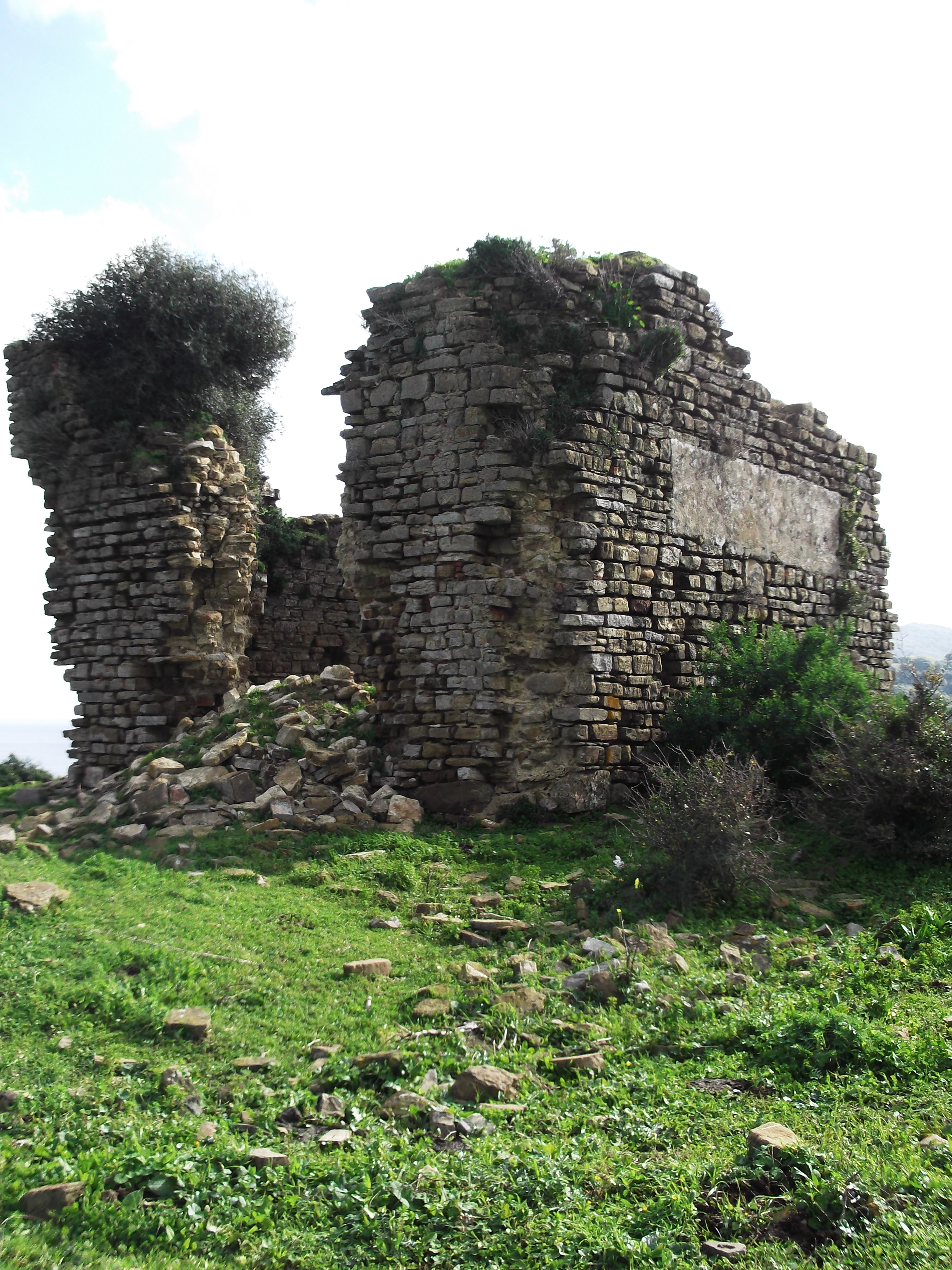
Torre del Arroyo del Lobo
Ruined medieval defensive tower in Spain
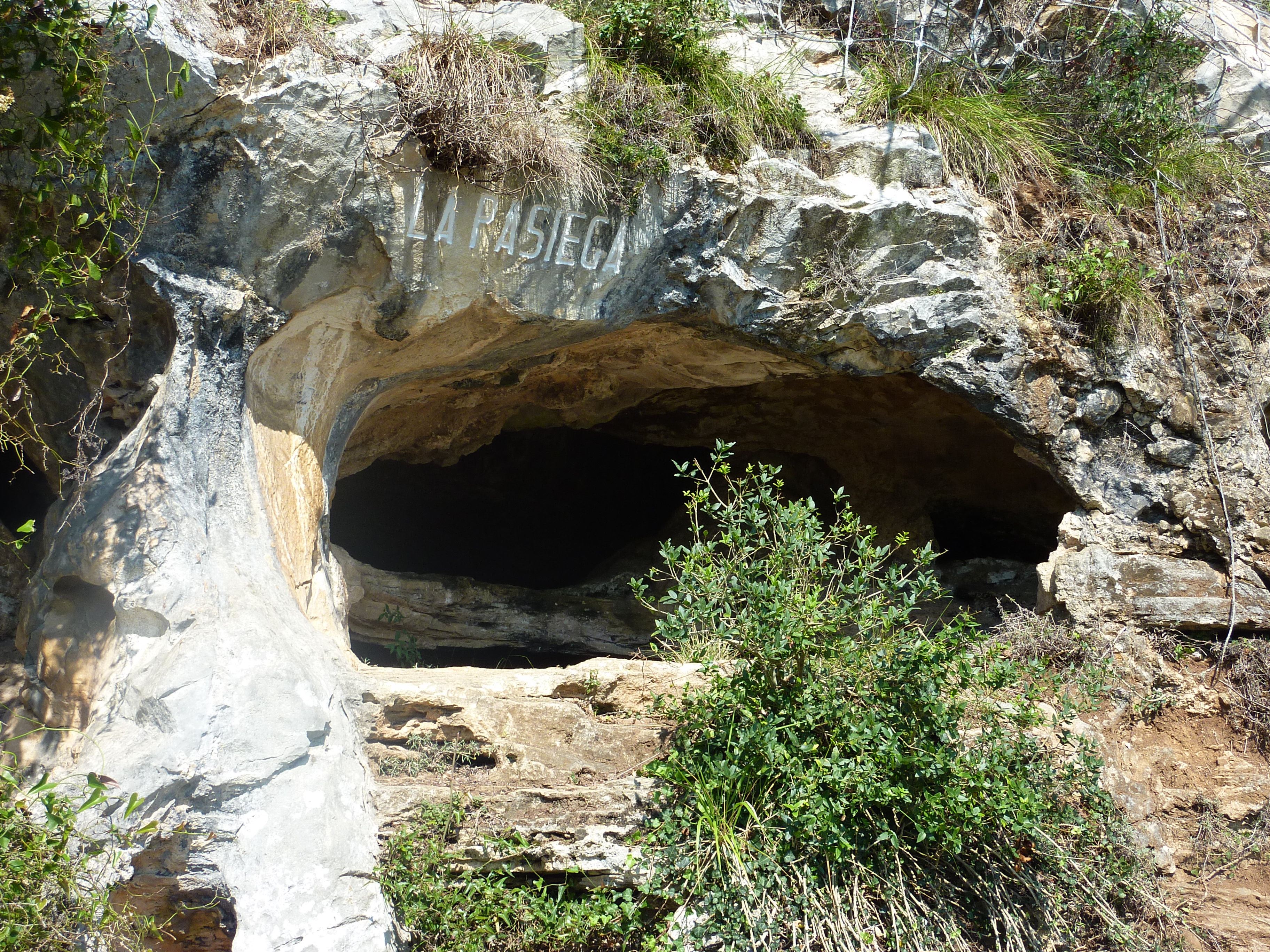
Cave of La Pasiega
Complex cave with Paleolithic rock art.