Explore the Map
Cueva Des-Cubierta
40.9231° N, -3.8081° E
About
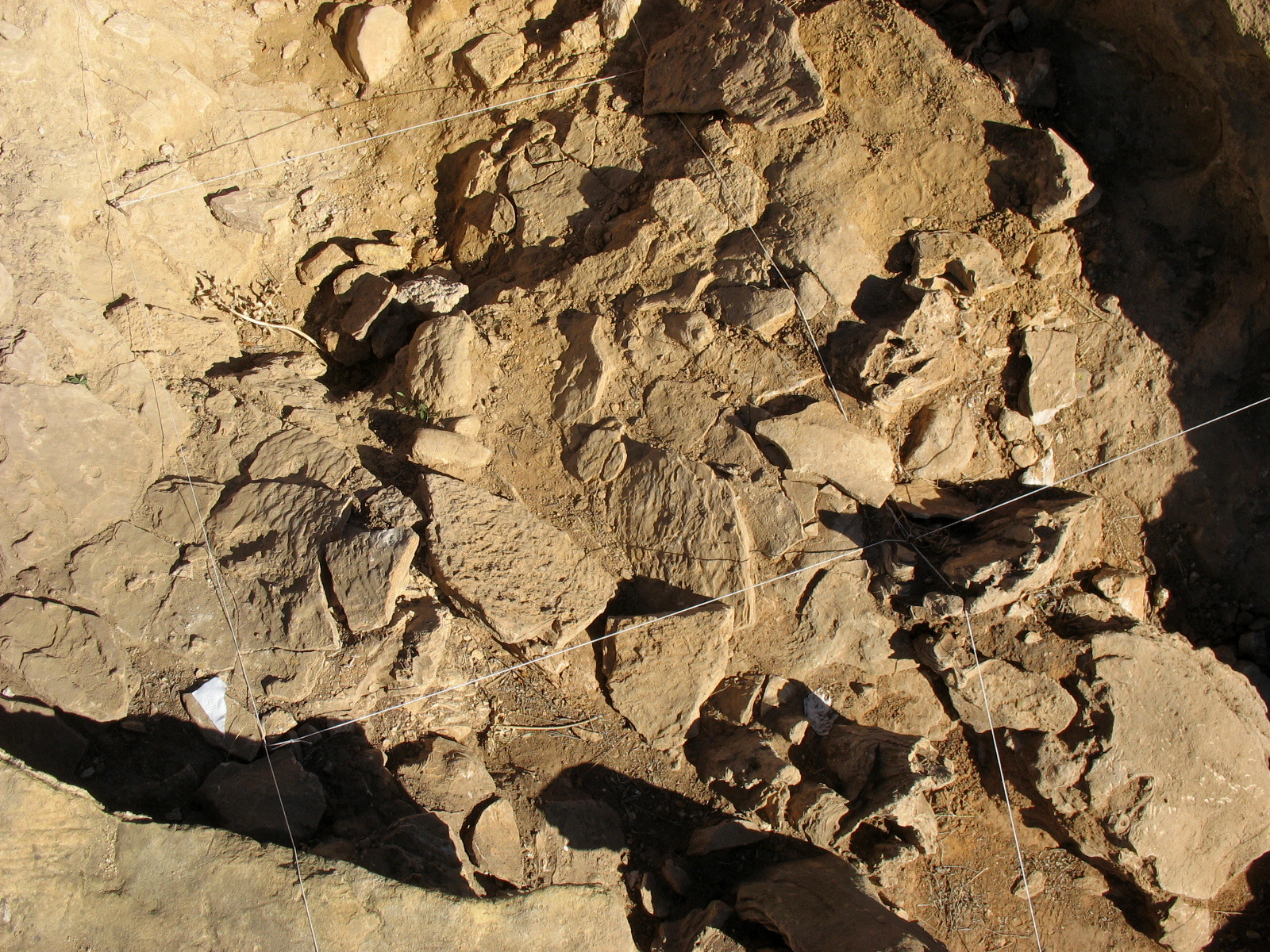
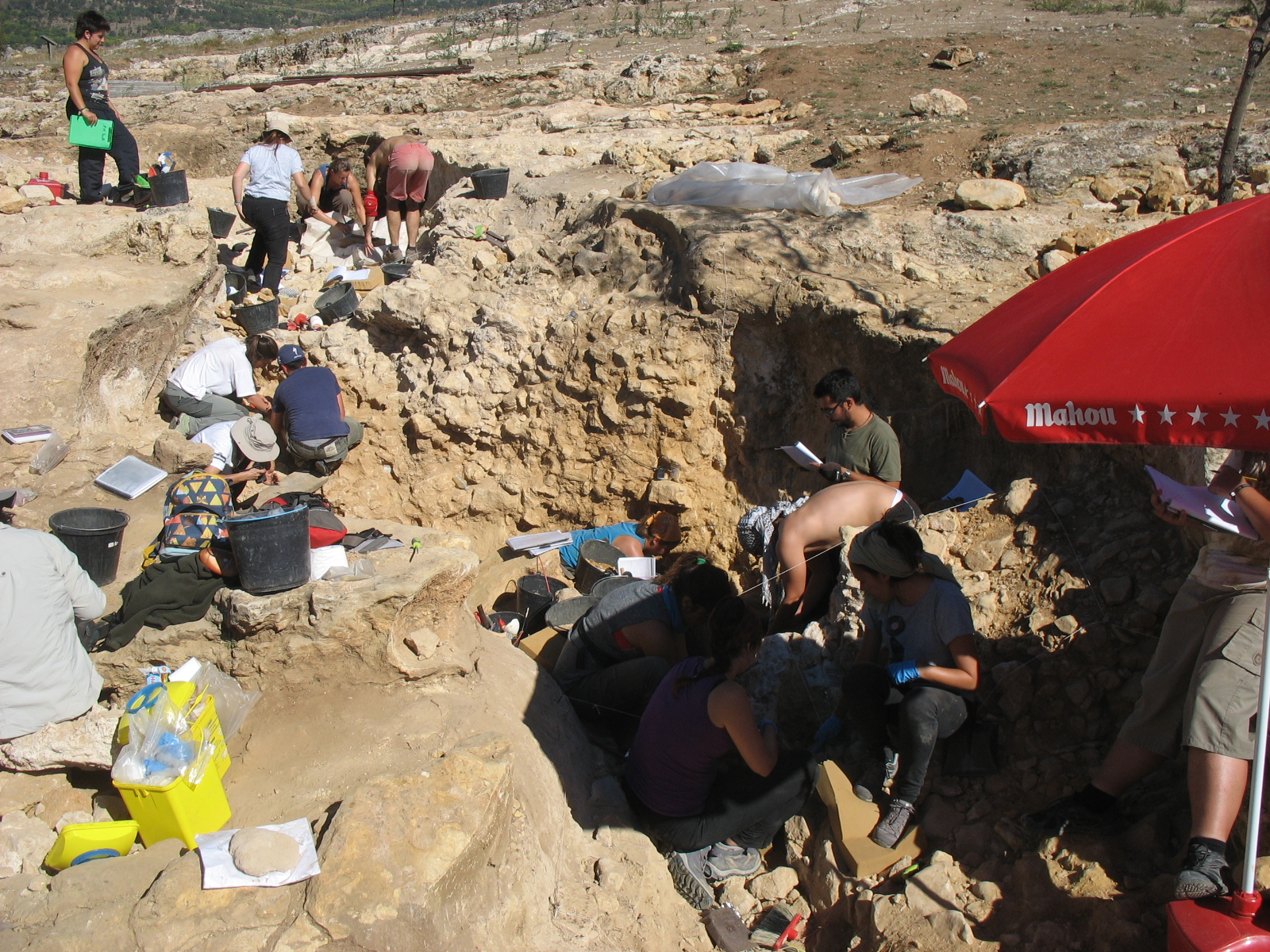
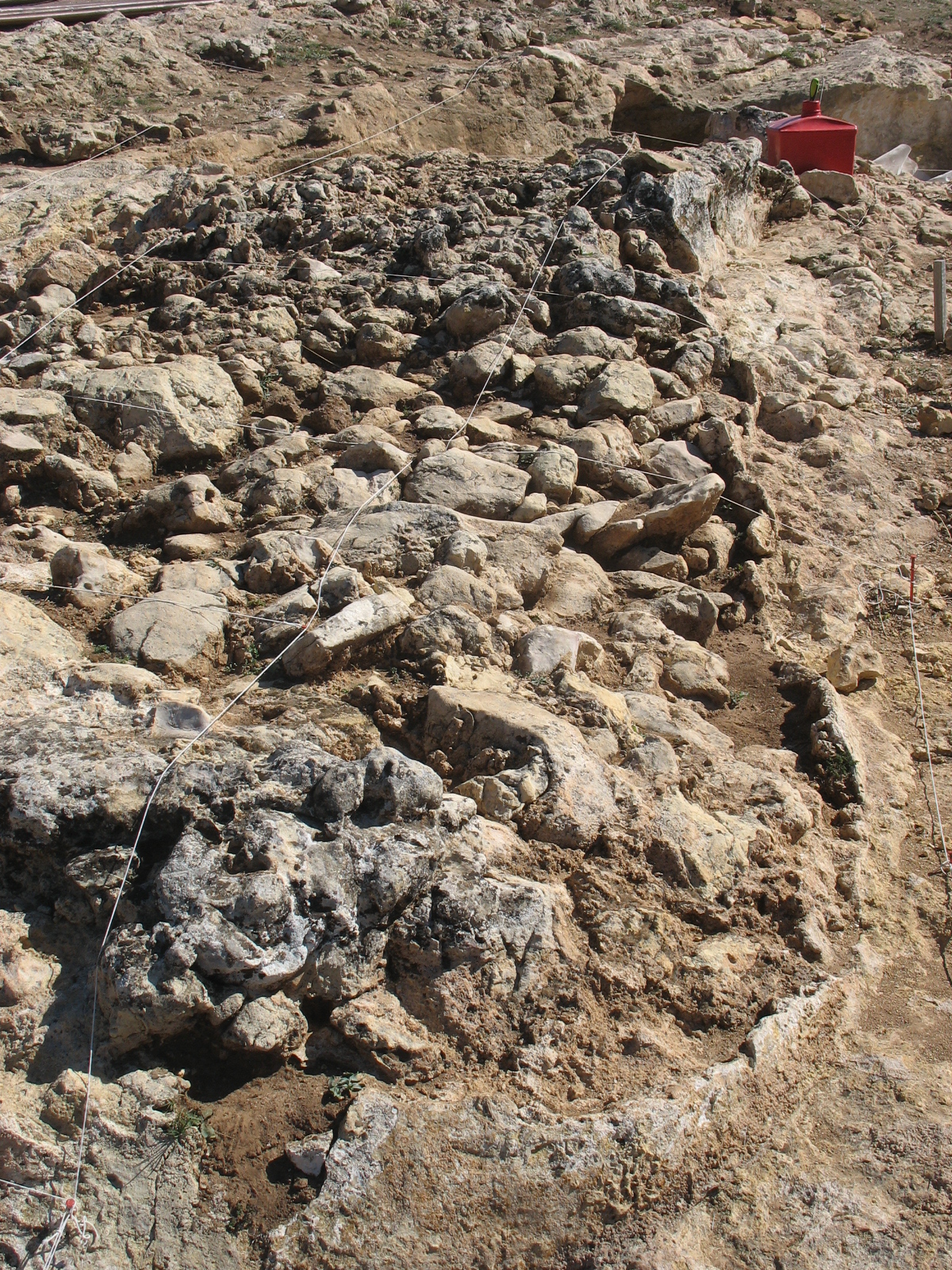
Cueva Des-Cubierta is a remarkable archaeological site located in Pinilla del Valle, Spain, known for its significant Neanderthal presence. The cave, part of the Valle de los Neandertales archaeological park, has yielded evidence of Neanderthal activity dating back approximately 71,000 to 38,000 years ago. The site's key findings include Mousterian lithic tools, animal bone arrangements, and hearths, suggesting possible ritualistic or symbolic behaviors. Notably, the cave contains a burial of a Neanderthal child, dubbed the 'Lozoya Child,' potentially the first of its kind on the Iberian Peninsula. The strategic placement of animal remains, such as aurochs and steppe bison skulls, indicates possible ritual significance. The discovery of the site has provided invaluable insights into Neanderthal life, cognition, and cultural practices, highlighting their capability for complex behavior.
Gallery
Explore photographs of ancient structures, artifacts, and archaeological excavations
Historical Timeline
Journey through time and discover key events in this site's history
Lozoya Child Burial
38,000 years ago
Neanderthal Occupation Phase
71,000 years ago
Archaeological Features
Unique architectural and cultural elements found at this historical site
Burial and Funerary Structures
Domestic and Habitation Structures
Environmental and Natural Features
Food Production and Processing Features
Frequently Asked Questions
Plan Your Visit
Tours, travel arrangements, and practical information
More Sites in Spain
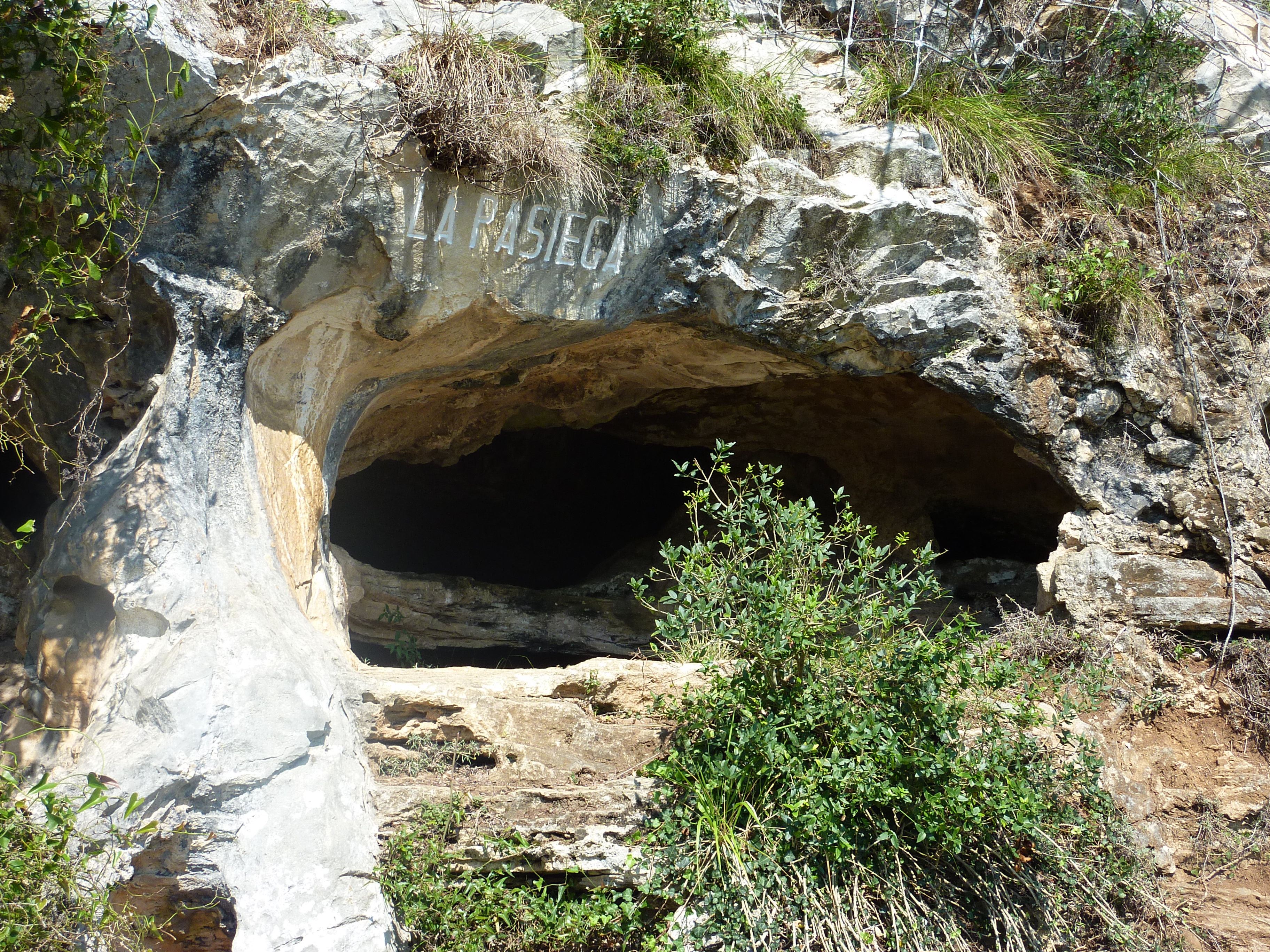
Cave of La Pasiega
Complex cave with Paleolithic rock art.
Cave of Chufín
Paleolithic cave art in Cantabria, Spain
Ca n'Oliver Iberian Settlement and Museum
The Ca n'Oliver Iberian settlement is a very large Iberian settlement found in the Collserola mountain range, in the territory formerly known as Laietania, in present-day Cerdanyola del Vallès.
Las Capellanías
Prehistoric funerary complex in Huelva, Spain
La Olmeda
Late Antique Roman villa, Palencia, Spain
Caves of Nerja
The Caves of Nerja (Spanish: Cueva de Nerja) are a series of caverns close to the town of Nerja in the Province of Málaga, Spain.