
Explore the Map
El Mirón Cave
43.2464° N, -3.4511° E
About
The El Mirón Cave is a large cave in the upper Asón River valley towards the eastern end of Cantabria in northern Spain, near the border of the Basque country. It is an archeological site in Ramales de la Victoria. It is known for a skeleton belonging to a woman nicknamed The Red Lady of El Mirón. She is estimated to have died around 18,700 years ago, during the Upper Paleolithic (Magdalenian). The skeleton is estimated to be that of a woman between 35 and 40 years. Her bones were coated with ochre, a red iron-based pigment, hence, her name. The cave was discovered in 1903 by amateur archaeologists Hermilio Alcalde del Río and Lorenzo Sierra. It contains a rich collection of Upper Paleolithic art. Among the prominent art there are the engravings of a horse and possibly one of a bison. The first systematic excavation started only in 1996. The team of archaeologists, led by Lawrence Straus of the University of New Mexico and Manuel González Morales of the University of Cantabria, made a discovery of a number of prehistoric remains. The Red Lady was discovered in 2010. The cave contains a large limestone block towards the rear. A narrow space running through the block was the location of the skeleton.
Historical Timeline
Journey through time and discover key events in this site's history
Cave discovered
1903
First systematic excavation began
1996
Red Lady discovered in excavations
2010
Estimated burial date of the Red Lady
c. 18,700 years ago
Archaeological Features
Unique architectural and cultural elements found at this historical site
Burial and Funerary Structures
Artistic and Decorative Features
Domestic and Habitation Structures
Environmental and Natural Features
Frequently Asked Questions
Plan Your Visit
Tours, travel arrangements, and practical information
More Sites in Spain
Cave of Chufín
Paleolithic cave art in Cantabria, Spain
Calatrava la Vieja
Medieval fortress and town in Castile‑La Mancha, Spain
Castro de Borneiro
Iron Age castro in Galicia, Spain
Castulo
Iberian town and Roman-era settlement in Andalusia, Spain
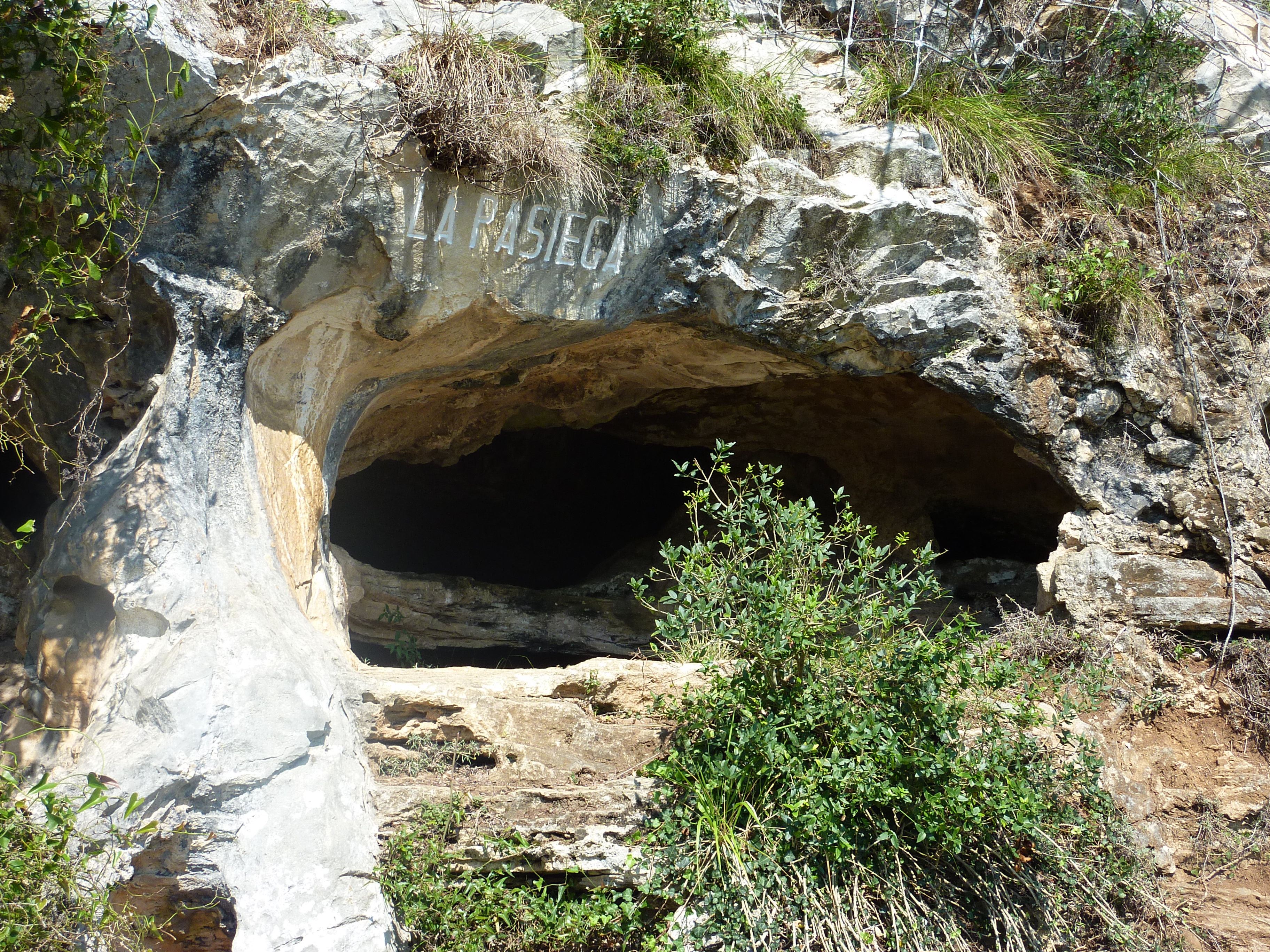
Cave of La Pasiega
Complex cave with Paleolithic rock art.
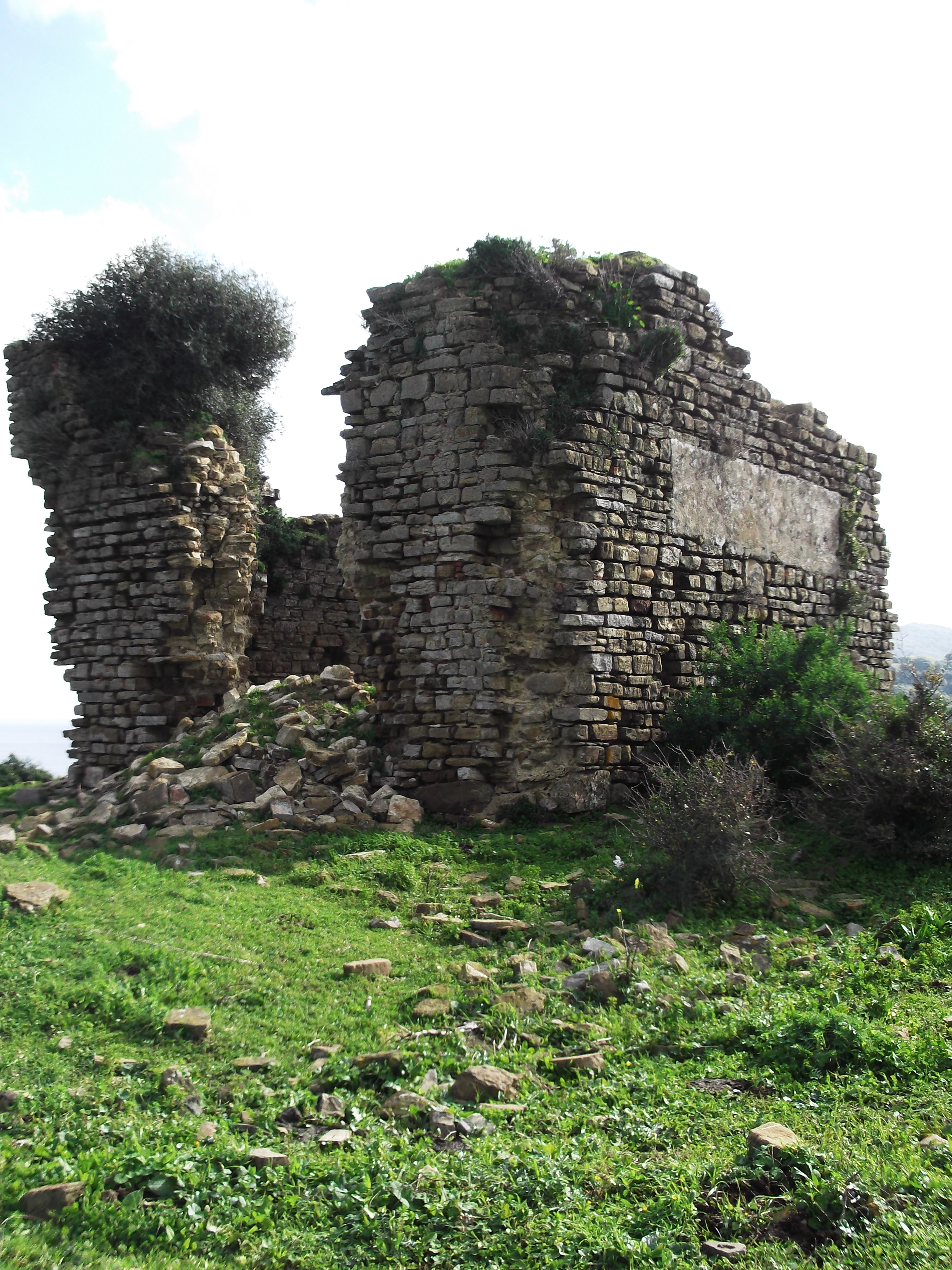
Torre del Arroyo del Lobo
Ruined medieval defensive tower in Spain