
Madinat al-Zahra
Madinat al-Zahra or Medina Azahara (Arabic: مدينة الزهراء, romanized: Madīnat az-Zahrā, lit.
Explore the Map
Madinat al-Zahra
37.8880° N, -4.8670° E
About
Madinat al-Zahra or Medina Azahara (Arabic: مدينة الزهراء, romanized: Madīnat az-Zahrā, lit. 'the radiant city') was a fortified palace-city on the western outskirts of Córdoba in present-day Spain. Its remains are a major archaeological site today. The city was built in the 10th century by Abd ar-Rahman III (912–961), a member of the Umayyad dynasty and the first caliph of Al-Andalus. It served as the capital of the Caliphate of Córdoba and its center of government. The main reason for its construction was politico-ideological: Abd ar-Rahman III had declared himself "caliph" in 929 and the dignity of this new title required the establishment of a new city, a symbol of his power, imitating eastern caliphates. It sought to demonstrate his superiority over his great rivals, the Fatimid Caliphs of Ifriqiya in North Africa and the Abbasid Caliphs in Baghdad. The city was built near Córdoba, the existing capital of al-Andalus under Umayyad rule. Construction began in 936–940 and continued in multiple phases throughout his reign and the reign of his son, Al-Hakam II (r. 961–976). The new city included ceremonial reception halls, a congregational mosque, administrative and government offices, aristocratic residences, gardens, a mint, workshops, barracks, service quarters, and baths. Water was supplied through aqueducts. After al-Hakam II's death, however, the city ceased to act as the center of government under the rule of Ibn Abi Amir al-Mansur (Almanzor). Between 1010 and 1013 it was sacked during a civil war and thereafter abandoned, with many of its materials re-used elsewhere. The ruins of the city were excavated starting in 1911. Only about 10 hectares of the 112 hectares (0.43 sq mi) of the city have been excavated and partially restored, but this area includes the main palaces. A dedicated archeological museum, located on the edge of the site, was opened in 2009. On July 1, 2018, the site was listed as a UNESCO World Heritage Site with the inscription name "Caliphate City of Medina Azahara".
Plan Your Visit
Tours, travel arrangements, and practical information


More Sites in Spain
Calatrava la Vieja
Medieval fortress and town in Castile‑La Mancha, Spain
La Olmeda
Late Antique Roman villa, Palencia, Spain
Castulo
Iberian town and Roman-era settlement in Andalusia, Spain
Ca n'Oliver Iberian Settlement and Museum
The Ca n'Oliver Iberian settlement is a very large Iberian settlement found in the Collserola mountain range, in the territory formerly known as Laietania, in present-day Cerdanyola del Vallès.
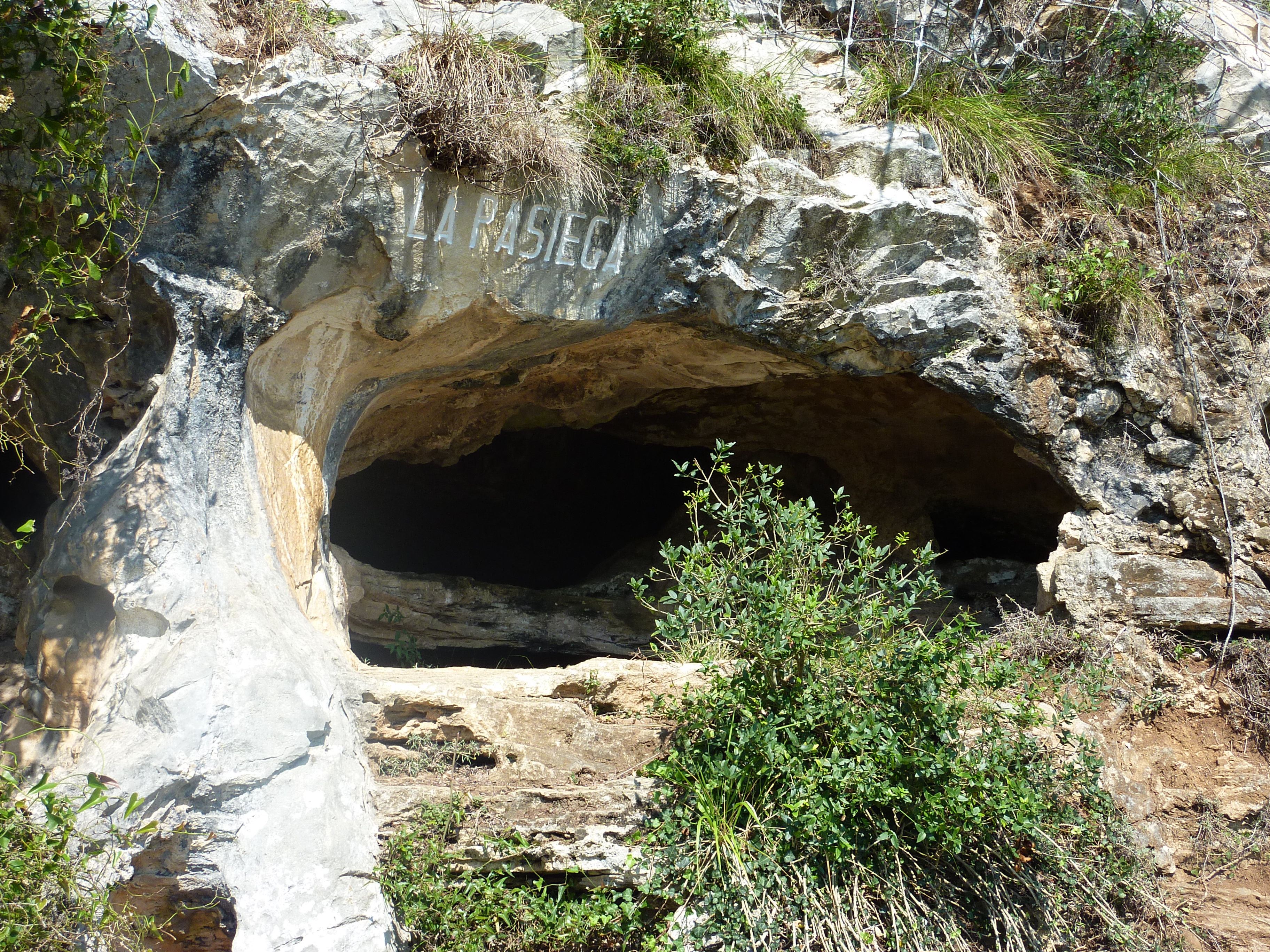
Cave of La Pasiega
Complex cave with Paleolithic rock art.
Castro de Borneiro
Iron Age castro in Galicia, Spain