
Explore the Map
Santimamiñe
43.3467° N, -2.6367° E
About
Santimamiñe cave, Kortezubi, Biscay, Basque Country, Spain, is one of the most important archaeological sites of the Basque Country, including a nearly complete sequence from the Middle Paleolithic to the Iron Age. Its complete sequence includes the following cultures: Mousterian Chatelperronian Aurignacian Gravettian Solutrean Magdalenian Azilian Plus unclassified remains of the Neolithic, Chalcolithic, Bronze and Iron ages. It is best known for its mural paintings of the Magdalenian period, depicting bisons, horses, goats and deer. It was discovered by children in 1917. Its excellent location over the Urdaibai estuary was probably most important in its continued habitation, first by Neanderthals and later by Homo sapiens. It is located on the west side of mount Ereñusarre/Ereñozar. Between 1982 and 1985, local artist Agustín Ibarrola painted on the trees of the nearby Oma forest. Since 2008, it is one of the caves included as a World Heritage Site within "Cave of Altamira and Paleolithic Cave Art of Northern Spain".
Historical Timeline
Journey through time and discover key events in this site's history
Discovery
1917
Oma forest paintings
1982–1985
UNESCO inscription
2008
Archaeological Features
Unique architectural and cultural elements found at this historical site
Artistic and Decorative Features
Domestic and Habitation Structures
Environmental and Natural Features
Frequently Asked Questions
Plan Your Visit
Tours, travel arrangements, and practical information
More Sites in Spain
Castulo
Iberian town and Roman-era settlement in Andalusia, Spain
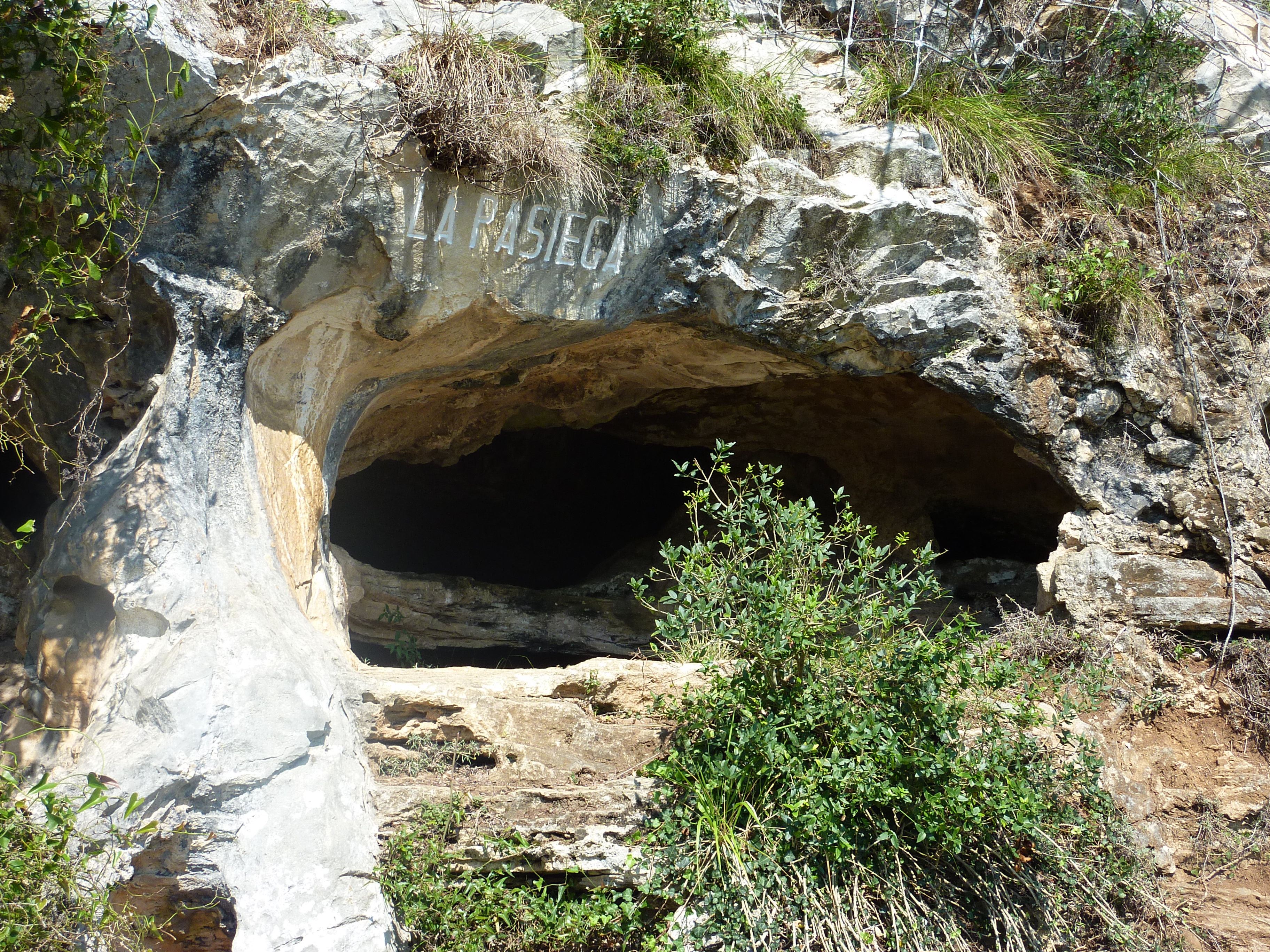
Cave of La Pasiega
Complex cave with Paleolithic rock art.
Castro de Borneiro
Iron Age castro in Galicia, Spain
Cave of Chufín
Paleolithic cave art in Cantabria, Spain
Ca n'Oliver Iberian Settlement and Museum
The Ca n'Oliver Iberian settlement is a very large Iberian settlement found in the Collserola mountain range, in the territory formerly known as Laietania, in present-day Cerdanyola del Vallès.
La Fonteta Phoenician Port
La Fonteta is an ancient Phoenician port city that was located in what is now the town of Guardamar del Segura, Alicante, Spain.