
Explore the Map
Sidrón Cave
43.3861° N, -5.3283° E
About
The Sidrón Cave (Asturian: Cueva del Sidrón) is a non-carboniferous limestone karst cave system located in the Piloña municipality of Asturias, northwestern Spain, where Paleolithic rock art and the fossils of more than a dozen Neanderthals were found. Declared a "Partial Natural Reserve" in 1995, the site also serves as a retreat for five species of bats and is the place of discovery of two species of Coleoptera (beetles).
Historical Timeline
Journey through time and discover key events in this site's history
Remains discovered
1994
Declared Partial Natural Reserve
1995
Galería del Osario excavations
2000–2013
Soil DNA sequencing
2017
Age estimate for Neanderthal remains
c. 49,000 years ago
Archaeological Features
Unique architectural and cultural elements found at this historical site
Miscellaneous Features
Burial and Funerary Structures
Artistic and Decorative Features
Domestic and Habitation Structures
Environmental and Natural Features
Frequently Asked Questions
Plan Your Visit
Tours, travel arrangements, and practical information
More Sites in Spain
Cave of Chufín
Paleolithic cave art in Cantabria, Spain
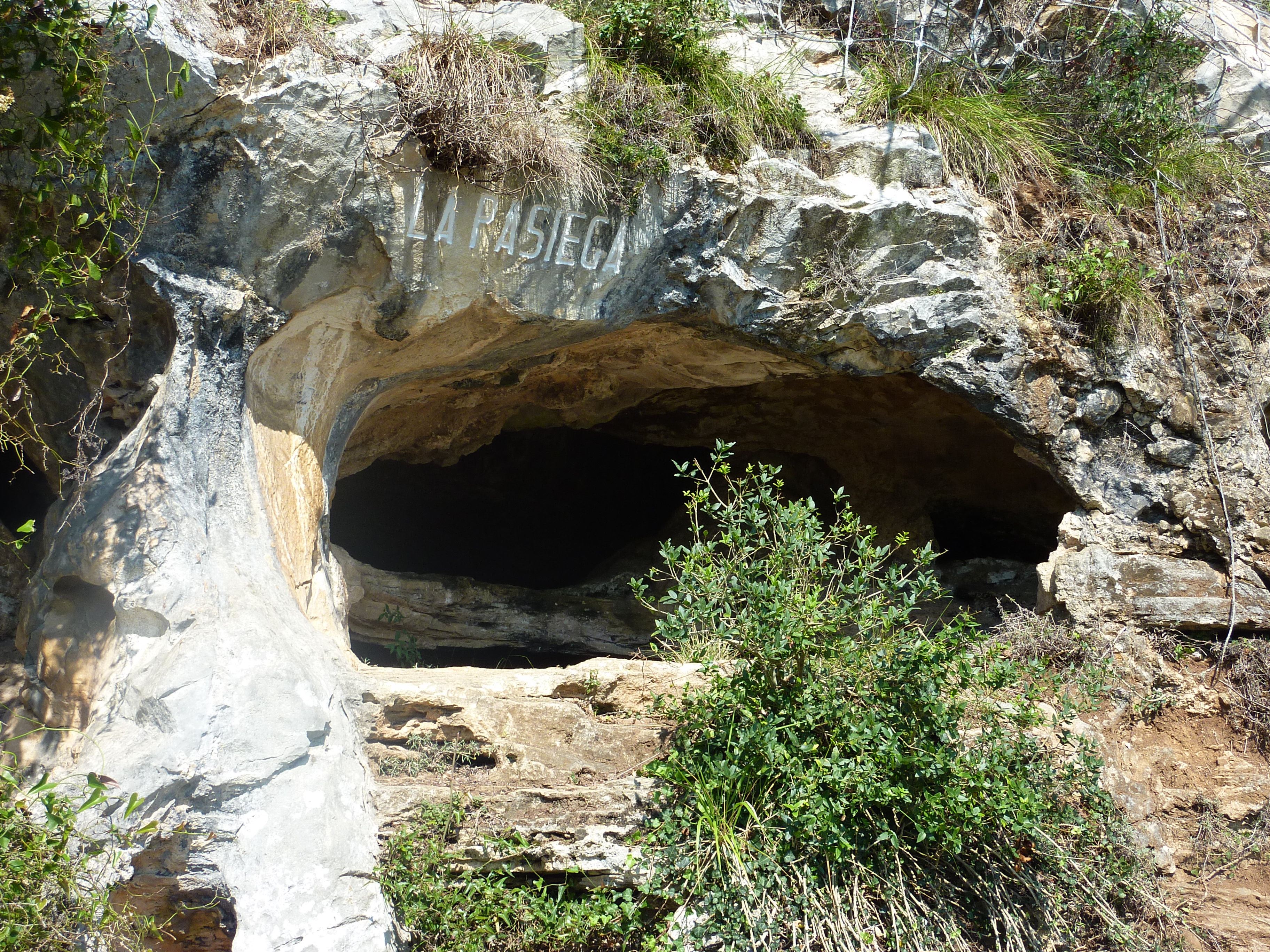
Cave of La Pasiega
Complex cave with Paleolithic rock art.
Ca n'Oliver Iberian Settlement and Museum
The Ca n'Oliver Iberian settlement is a very large Iberian settlement found in the Collserola mountain range, in the territory formerly known as Laietania, in present-day Cerdanyola del Vallès.
Castulo
Iberian town and Roman-era settlement in Andalusia, Spain
Las Capellanías
Prehistoric funerary complex in Huelva, Spain
Calatrava la Vieja
Medieval fortress and town in Castile‑La Mancha, Spain