Explore the Map
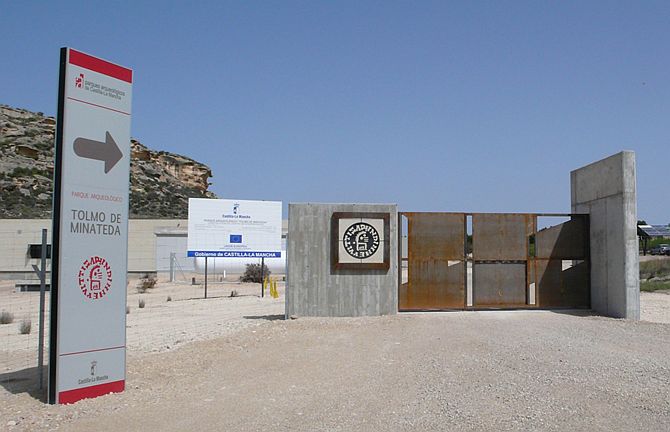
Tolmo de Minateda
38.4763° N, -1.6059° E
About
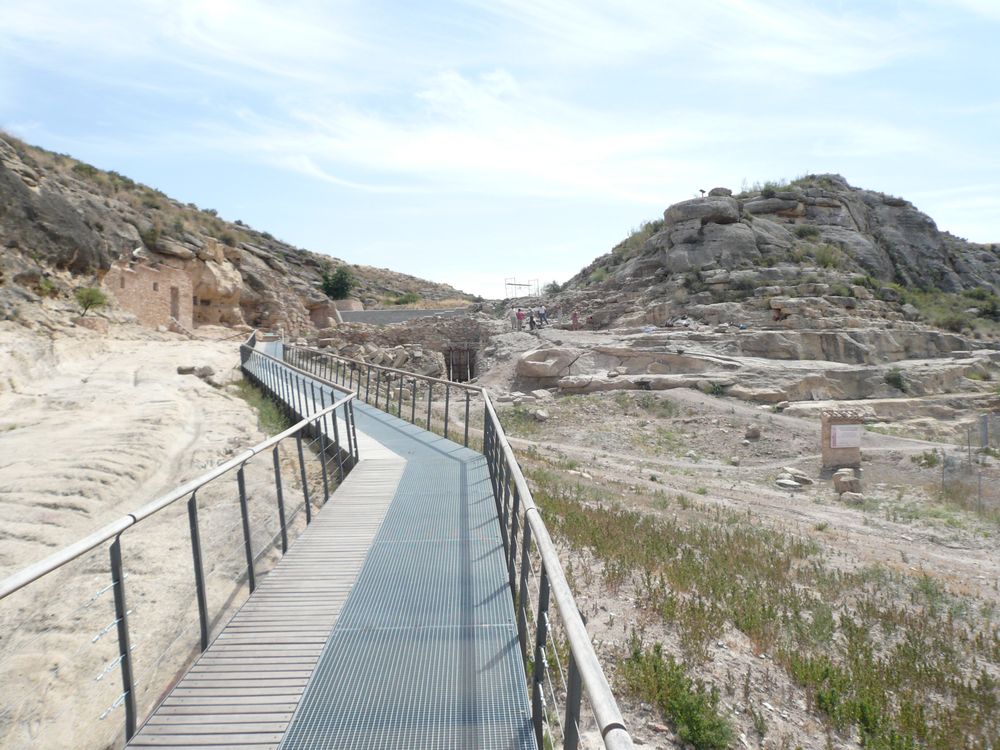
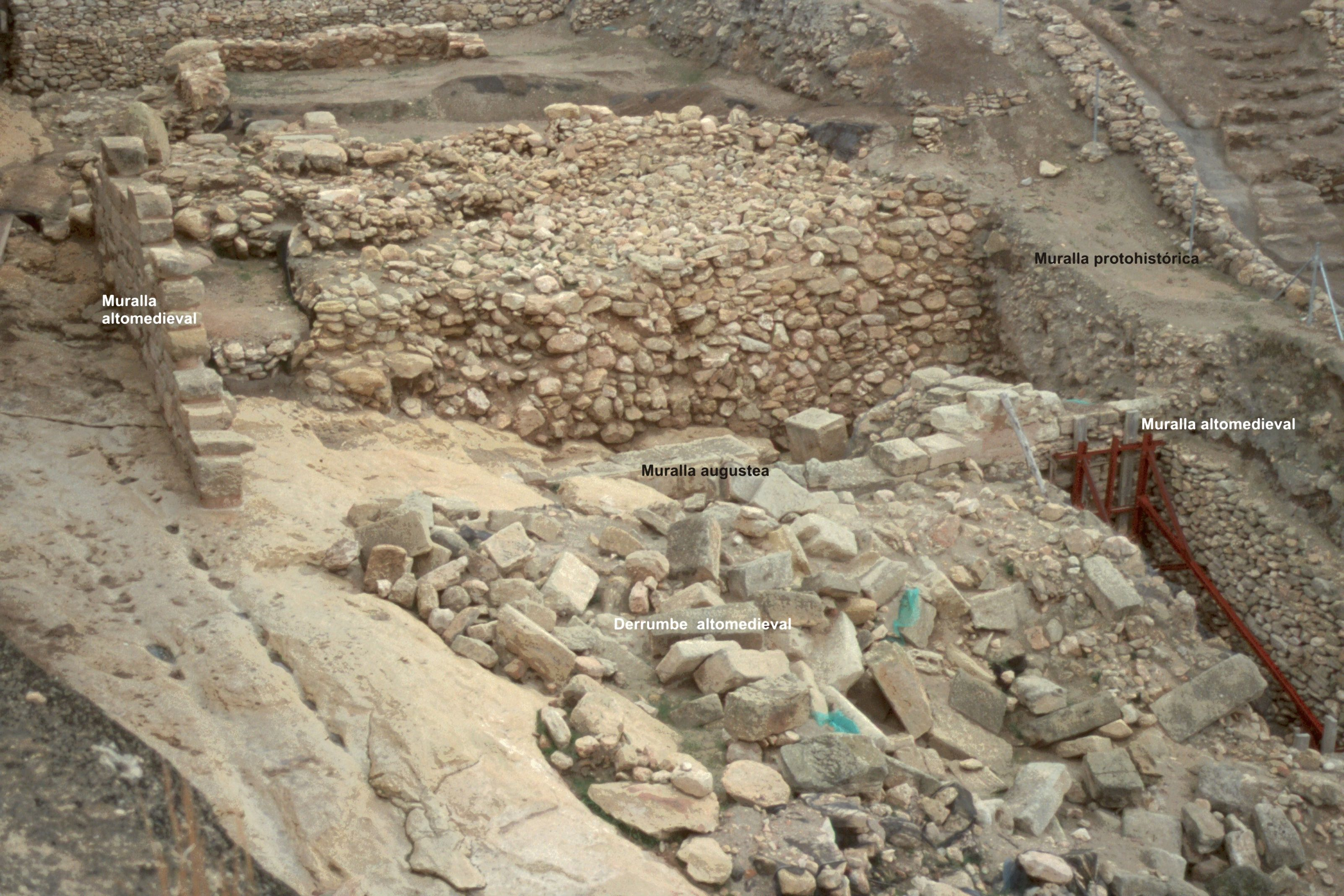
The Tolmo de Minateda is a significant archaeological site featuring a rocky hill that has been continuously inhabited for over 3,000 years. Its strategic location at a crossroads between the Meseta Central and the Mediterranean coast facilitated its long-term occupation. Key features of the site include defensive walls, Roman municipal structures, and Visigothic religious and administrative buildings. The site has seen transitions from Iberian and Roman habitation to Visigothic ecclesiastical dominance and later Islamic influence. Notably, the area contains a unique cemetery where Christian and Islamic burials coexist, reflecting the cultural transitions over centuries. The site's archaeological importance is recognized with its designation as an archaeological park, highlighting its diverse historical phases and structures.
Gallery
Explore photographs of ancient structures, artifacts, and archaeological excavations
Historical Timeline
Journey through time and discover key events in this site's history
Bronze Age habitation
2100 BCE - 1200 BCE
Elevation to Roman municipality
9 BCE
Decline in favor of valley villas
150 CE - 200 CE
Visigothic episcopal see establishment
589 CE - 610 CE
Islamic occupation and transformation
713 CE - 900 CE
Archaeological Features
Unique architectural and cultural elements found at this historical site
Defensive Structures
Public and Civic Structures
Burial and Funerary Structures
Religious and Ritual Structures
Domestic and Habitation Structures
Transportation and Communication Structures
Plan Your Visit
Tours, travel arrangements, and practical information
More Sites in Spain
Castulo
Iberian town and Roman-era settlement in Andalusia, Spain
Calatrava la Vieja
Medieval fortress and town in Castile‑La Mancha, Spain
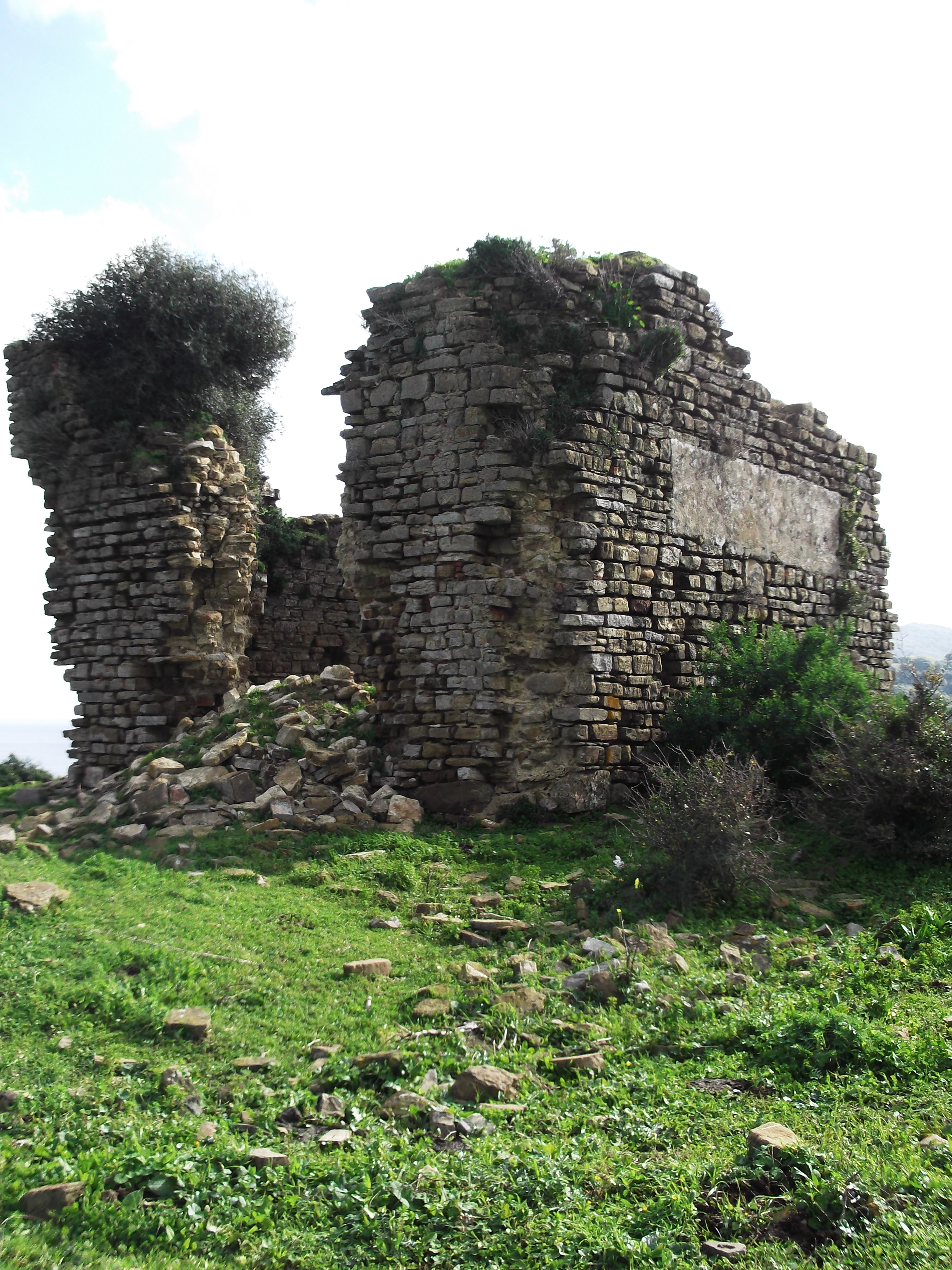
Torre del Arroyo del Lobo
Ruined medieval defensive tower in Spain
La Olmeda
Late Antique Roman villa, Palencia, Spain
Castro de Borneiro
Iron Age castro in Galicia, Spain
Ca n'Oliver Iberian Settlement and Museum
The Ca n'Oliver Iberian settlement is a very large Iberian settlement found in the Collserola mountain range, in the territory formerly known as Laietania, in present-day Cerdanyola del Vallès.