Explore the Map
Torralba and Ambrona (archaeological site)
41.1600° N, -2.4985° E
About
Torralba and Ambrona (Province of Soria, Castile and León, Spain) are two paleontological and archaeological sites that correspond to various fossiliferous levels with Acheulean lithic industry (Lower Paleolithic) associated, at least about 350,000 years old (Ionian, Middle Pleistocene). The sites, traditionally studied together, are about 3 km distant, and belong to the settlements of Ambrona (municipality of Miño de Medinaceli) and Torralba del Moral (municipality of Medinaceli). From these sites have been obtained fossils of large mammals, mainly elephants (Straight-tusked elephant), with remains of nearly fifty individuals from each site, in addition to large bovines and horses. The sites can be seen as an elephants' graveyard, although the use of the term for a concentration of bones raises a problem of definition. The sites show evidence of successive occupations by human beings, who had a hunting station or, more likely, scavanged carrion and carried out quartering. Known since the end of the 19th century, they were excavated first by the Marquis of Cerralbo between 1909 and 1914, later, in the early '60s and early '80s, by the American Francis Clark Howell with the collaboration of the paleontologist Emiliano Aguirre and later, in the '90s, new campaigns were carried out by Manuel Santonja and Alfredo Pérez-González. The remains from the different excavations are scattered, mainly, between the Museo Nacional de Ciencias Naturales, the Museo Arqueológico Nacional, the Museo Numantino de Soria and the museum in situ of Ambrona. They were declared Bien de Interés Cultural in the category of "archaeological zone" on September 7, 1995. They are also declared as "a place of international geological interest of international relevance" ("Geosite") by the Geological and Mining Institute of Spain, with the designations "VP -07: Loma del Saúco, Torralba" and "VP-07b: Loma de los Huesos, Ambrona", within the category "vertebrate sites of the Pliocene-Spanish Pleistocene".
Historical Timeline
Journey through time and discover key events in this site's history
Discovery during railway works
1888
Marquis of Cerralbo excavations
1909–1916
Howell campaigns (first series)
1961–1963
Aguirre conservation excavation
1973
Howell campaigns (later series)
1980–1983
Bien de Interés Cultural designation
1995-09-07
Archaeological Features
Unique architectural and cultural elements found at this historical site
Environmental and Natural Features
Food Production and Processing Features
Frequently Asked Questions
Plan Your Visit
Tours, travel arrangements, and practical information


More Sites in Spain
Cave of Chufín
Paleolithic cave art in Cantabria, Spain
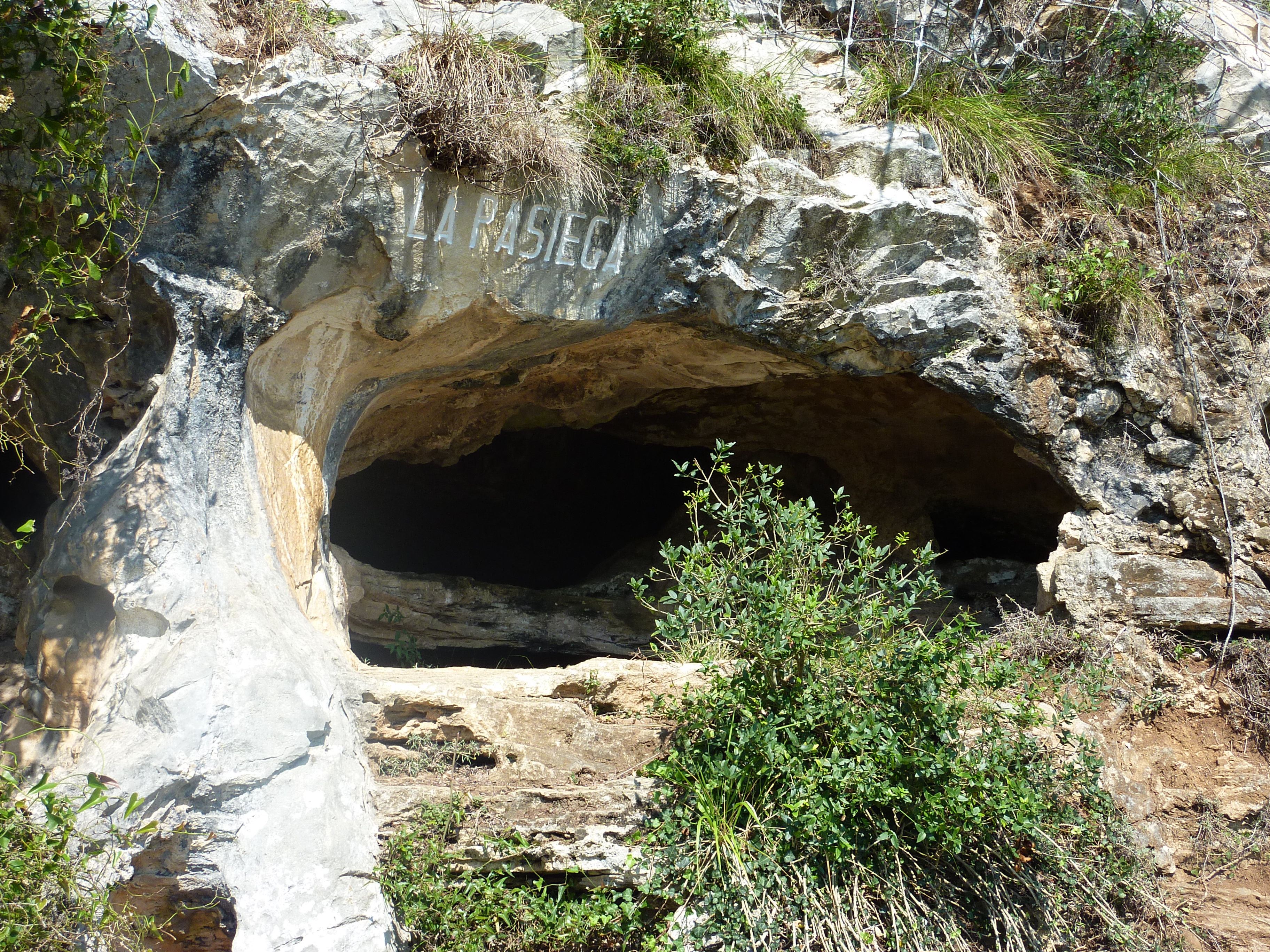
Cave of La Pasiega
Complex cave with Paleolithic rock art.
Las Capellanías
Prehistoric funerary complex in Huelva, Spain
Calatrava la Vieja
Medieval fortress and town in Castile‑La Mancha, Spain
Caves of Nerja
The Caves of Nerja (Spanish: Cueva de Nerja) are a series of caverns close to the town of Nerja in the Province of Málaga, Spain.
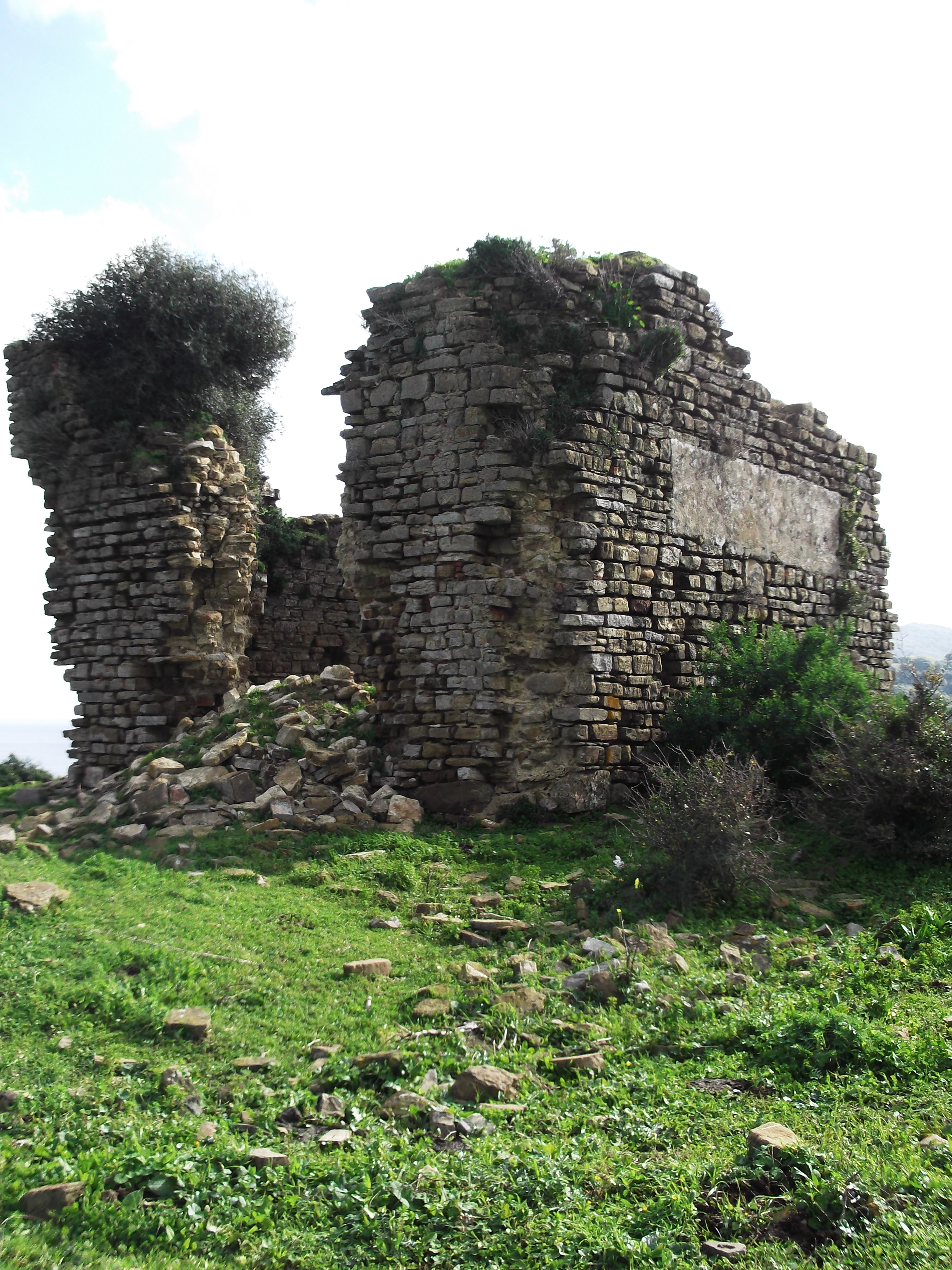
Torre del Arroyo del Lobo
Ruined medieval defensive tower in Spain