Explore the Map
Jebel Sahaba
21.9833° N, 31.3333° E
About
Jebel Sahaba, located in the Nile Valley near the Sudan-Egypt border, is a prehistoric cemetery site that provides the earliest known evidence of systemic intergroup violence. Associated with the Qadan culture, the site dates back to approximately the 12th millennium BCE, during the Upper Paleolithic period. Archaeological findings indicate a series of sporadic and recurrent violent encounters, likely driven by climate change-induced resource scarcity. The remains of 64 individuals were uncovered, with many showing signs of trauma from projectile weapons such as arrows and spears. These findings suggest a persistent pattern of conflict between social groups in the region. Jebel Sahaba offers significant insights into early human conflict and adaptation to environmental stressors.
Historical Timeline
Journey through time and discover key events in this site's history
Intergroup Violence
11,450-11,777 BCE
Archaeological Features
Unique architectural and cultural elements found at this historical site
Burial and Funerary Structures
Frequently Asked Questions
Plan Your Visit
Tours, travel arrangements, and practical information
More Sites in Sudan
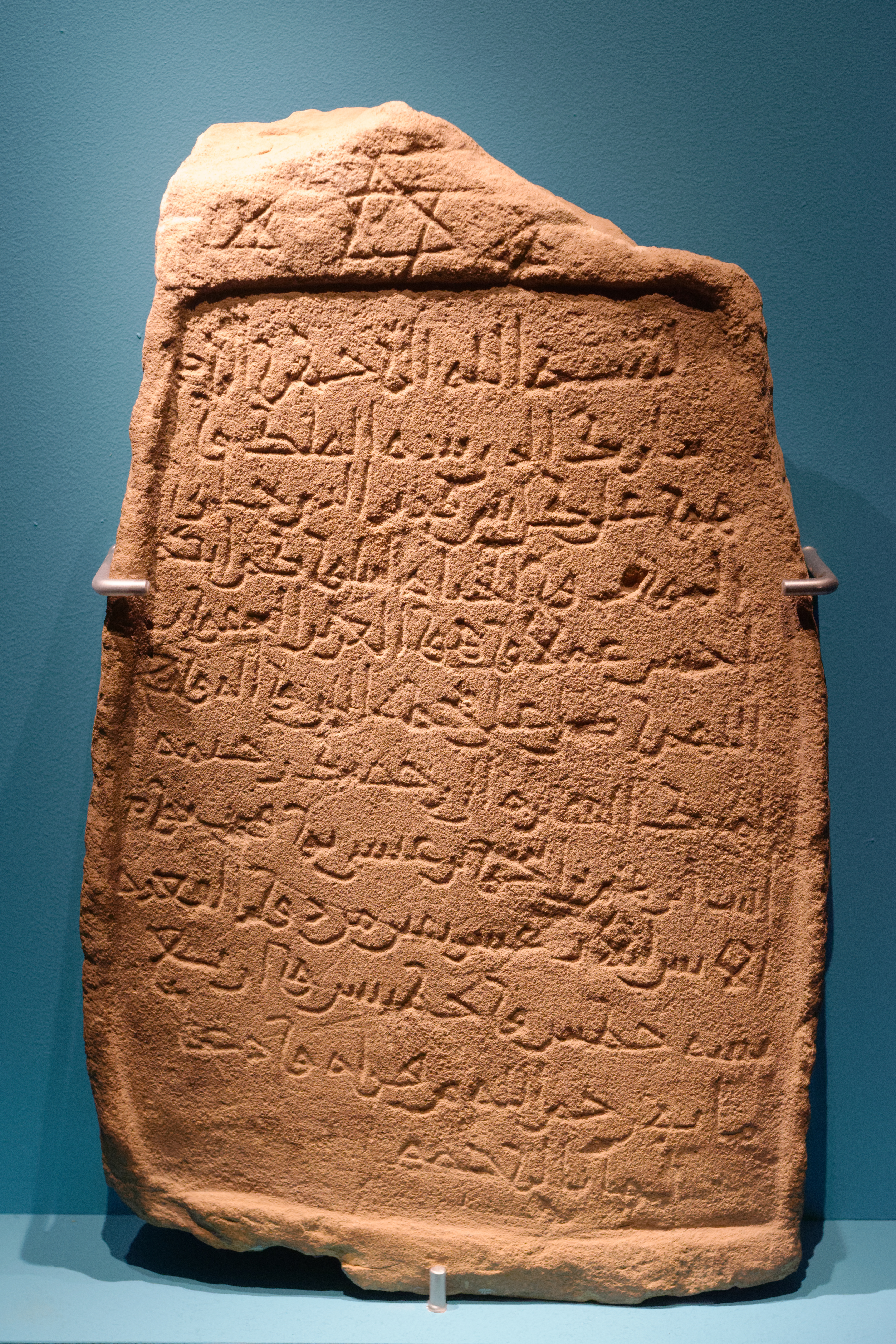
Meinarti
Stratified archaeological remains on Nile island
Zuma, Sudan
Ancient tumuli field with distinct grave types.
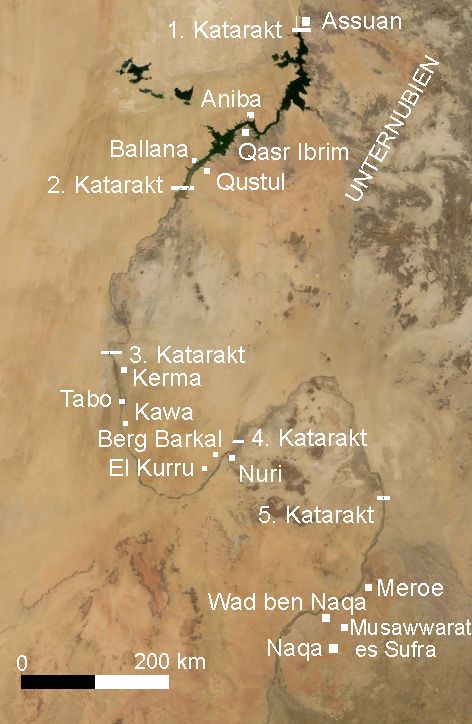
Tabo (Nubia)
Large damaged Amun temple in Nubia.
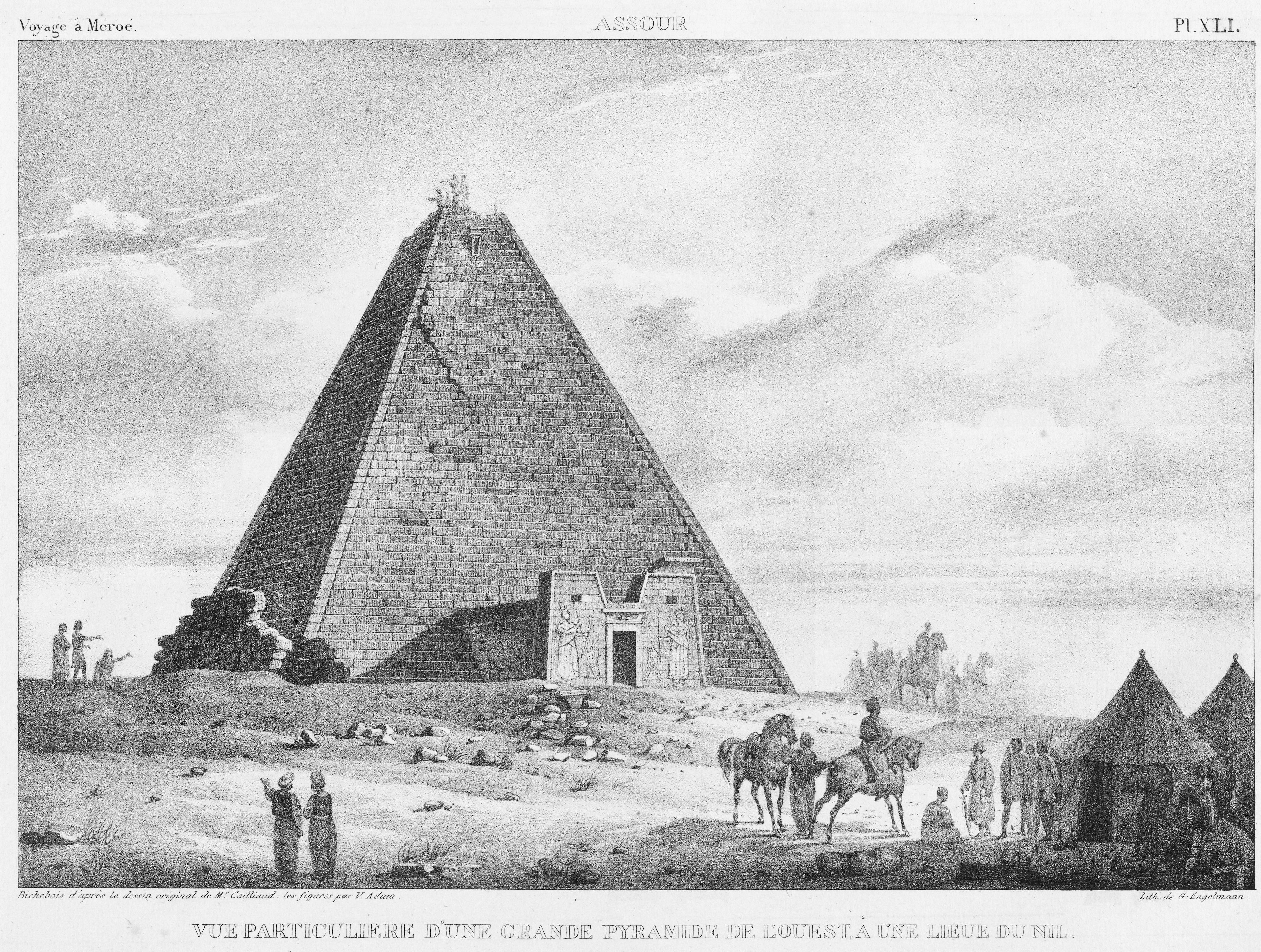
Nubian pyramids
Tall, narrow stepped pyramids in Sudan.
El-Hobagi
Post-Meroitic tumuli with weapons and vessels
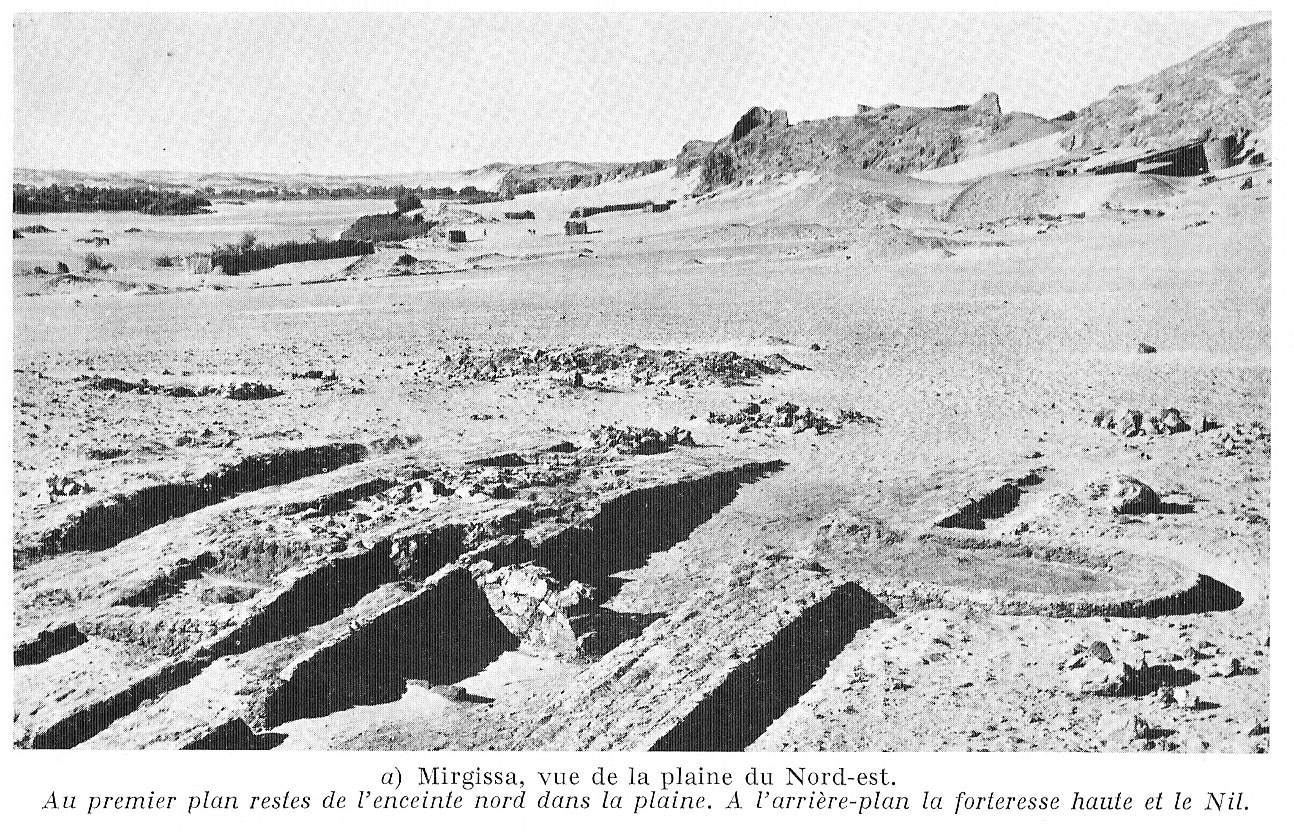
Mirgissa
Fortified Nubian settlement with large fortress.