Explore the Map
Faras Cathedral
22.1817° N, 31.4969° E
About
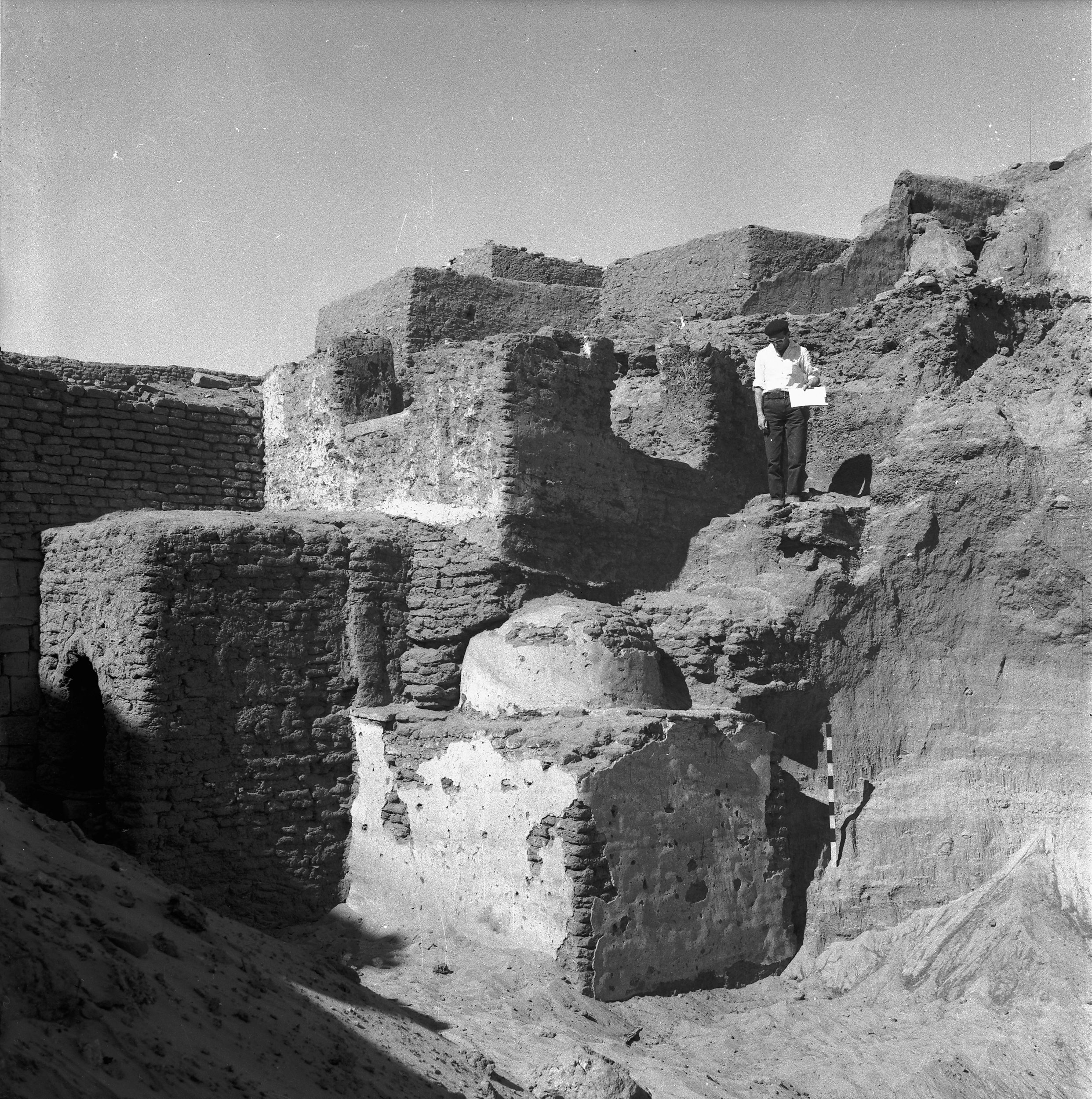
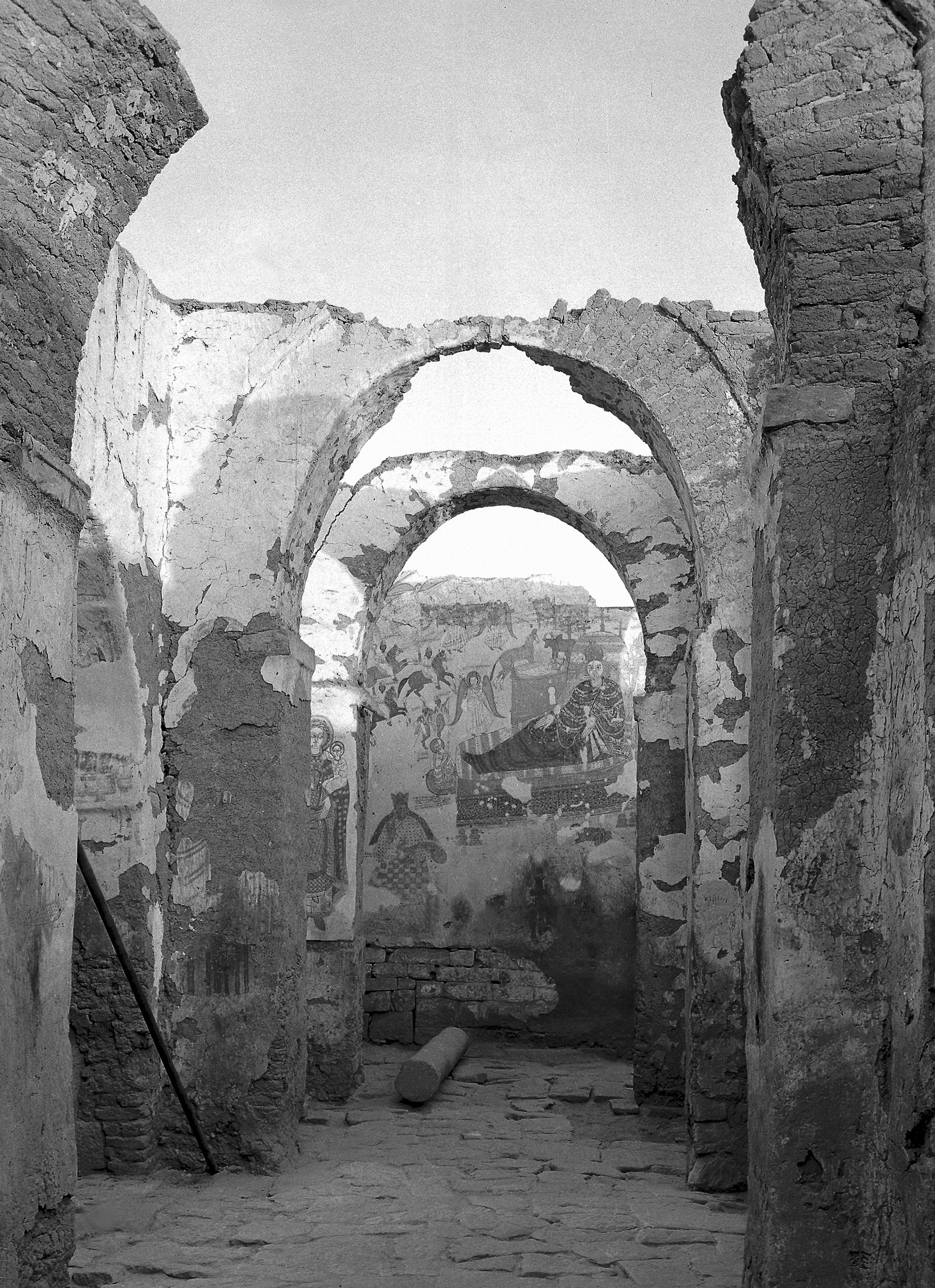
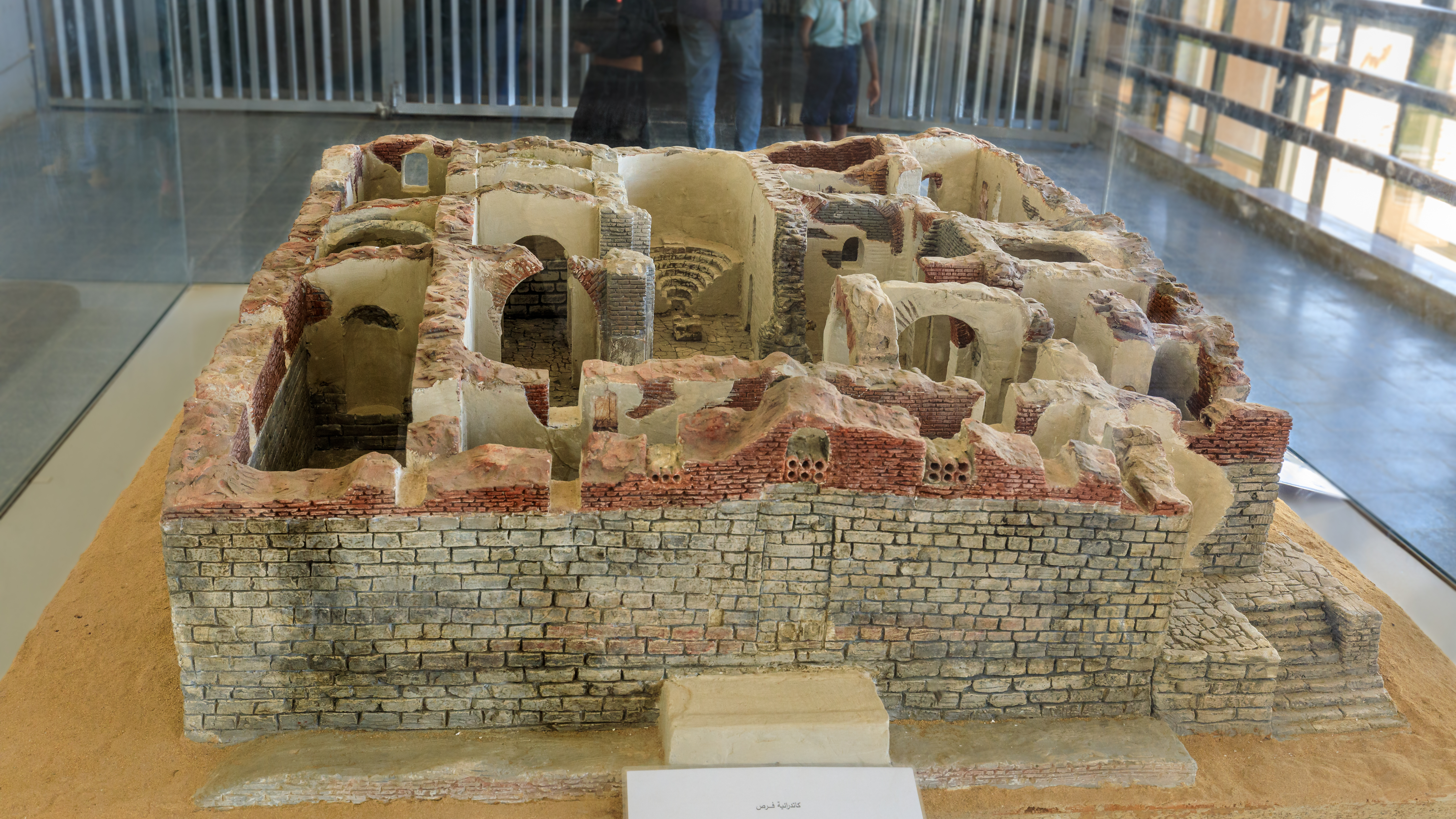
Faras Cathedral was a significant Christian religious site located in Lower Nubia, now modern-day Sudan. Originally the seat of the Diocese of Faras, the cathedral played a central role in the spread of Christianity in the region, influenced by missionaries from Constantinople in the 6th century CE. The first cathedral was built in the 7th century CE, and archaeological excavations have revealed the presence of a subsequent cathedral from the 8th century CE. The site is renowned for its well-preserved wall paintings, which were salvaged before the area was flooded to create Lake Nasser. These artworks are now displayed in museums in Warsaw and Khartoum. Faras Cathedral's remains provide valuable insights into Nubian Christian architecture and art during the Early Post-Classical Period.
Gallery
Explore photographs of ancient structures, artifacts, and archaeological excavations
Historical Timeline
Journey through time and discover key events in this site's history
Nobadian conversion to Christianity
548 CE
First cathedral construction
7th century CE
8th-century cathedral
8th century CE
Archaeological Features
Unique architectural and cultural elements found at this historical site
Religious and Ritual Structures
Artistic and Decorative Features
Frequently Asked Questions
Plan Your Visit
Tours, travel arrangements, and practical information
More Sites in Sudan
Meinarti
Stratified archaeological remains on Nile island
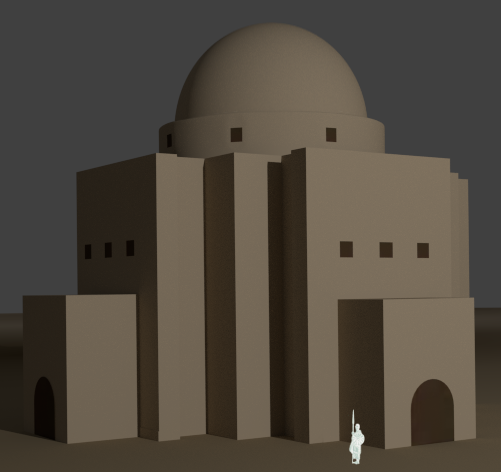
Old Dongola
Deserted medieval Nubian town in Sudan.
Zuma, Sudan
Ancient tumuli field with distinct grave types.
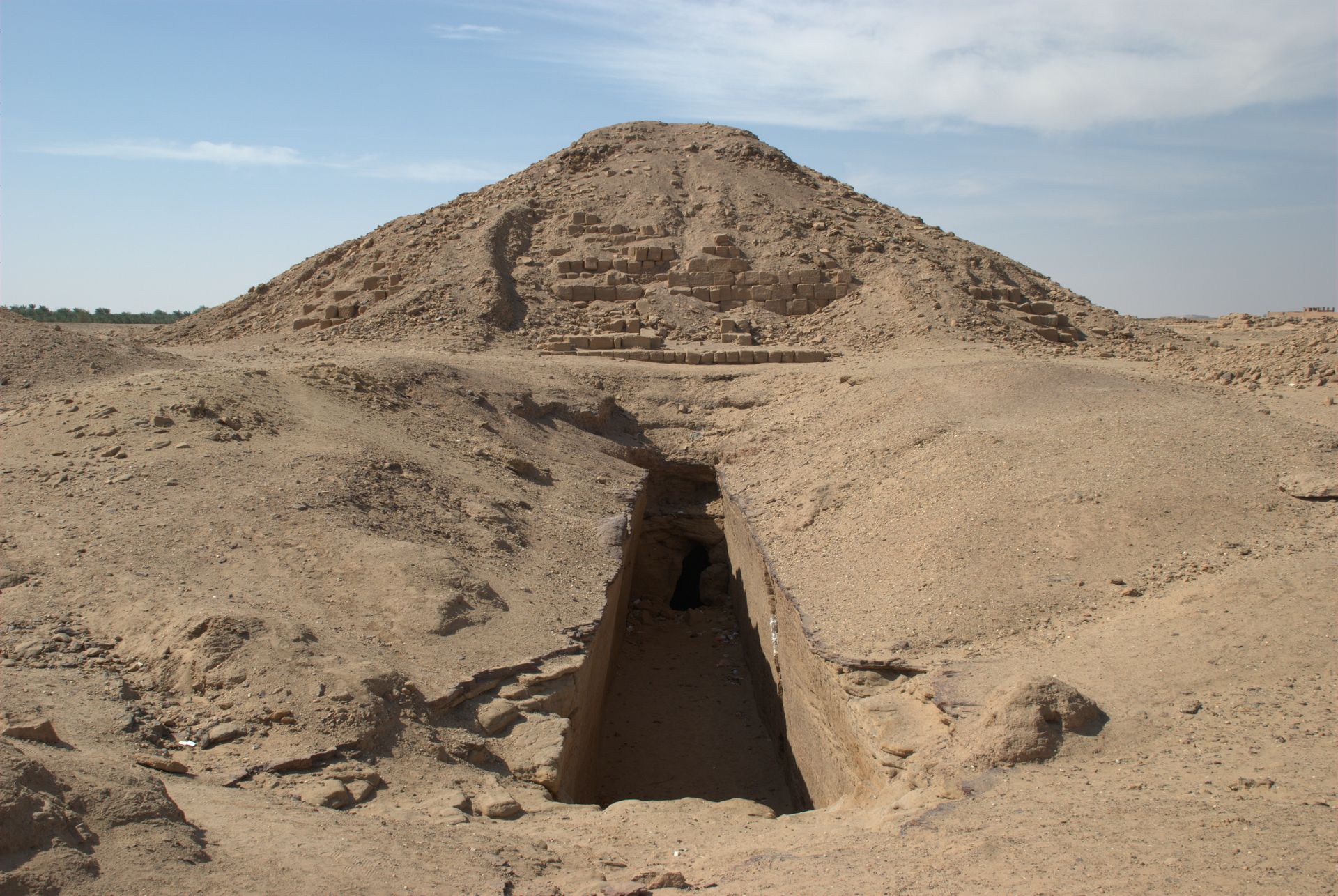
El-Kurru
Nubian pyramids and tombs in Sudan
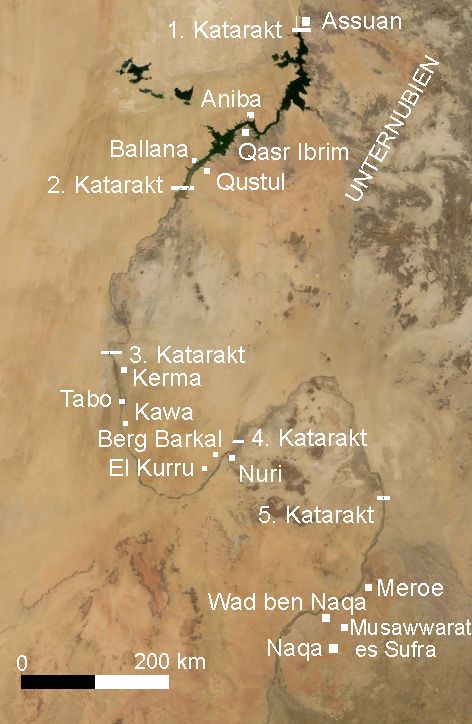
Tabo (Nubia)
Large damaged Amun temple in Nubia.
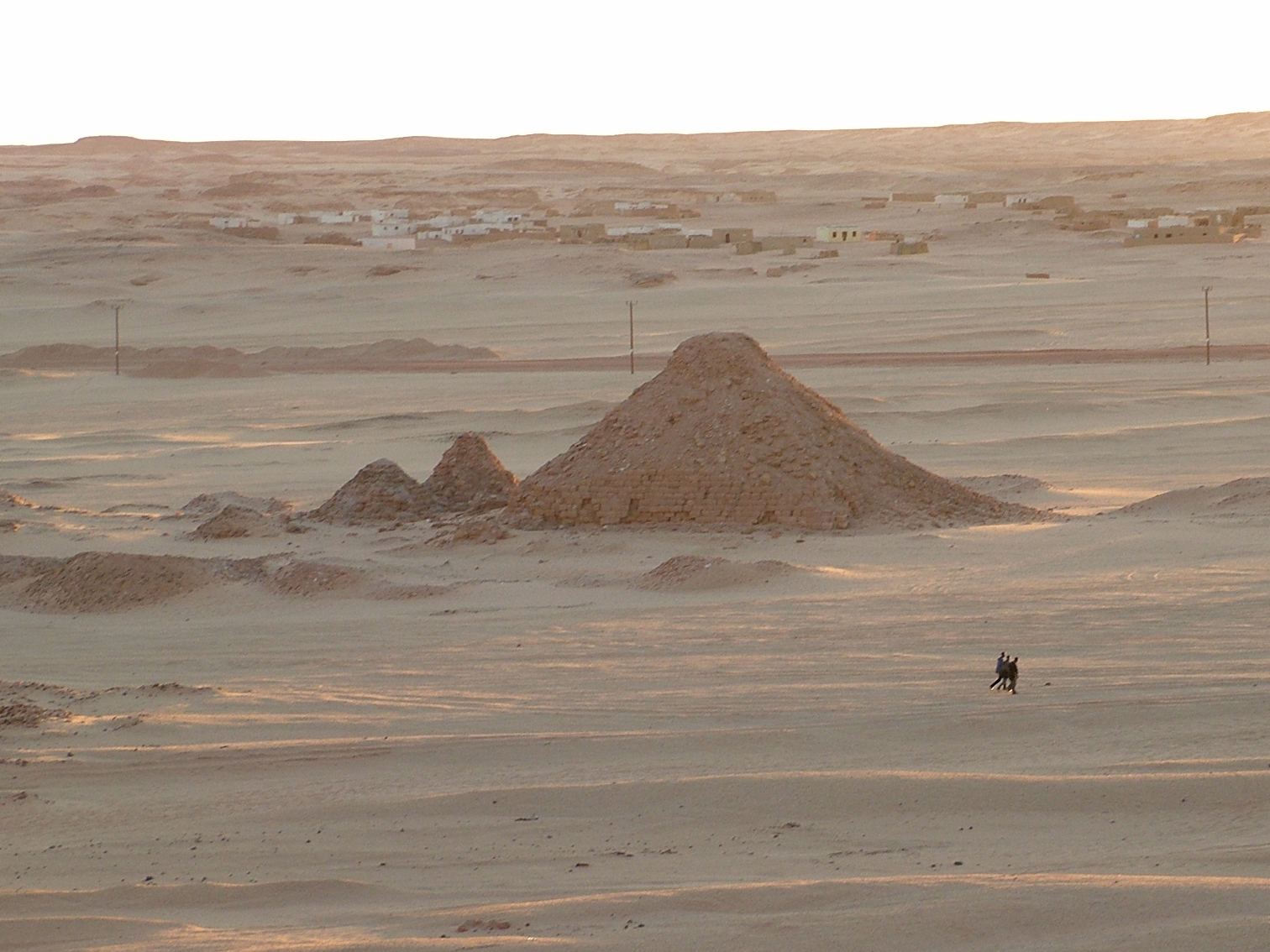
Jebel Barkal
Mesa with temples and pyramids in Sudan.