Time Periods
Paleolithic
Mesolithic
Neolithic
Chalcolithic
Bronze Age
Iron Age
Classical Period
Post-Classical Period
Early Modern Period
Industrial Period
Contemporary Period
Time Periods
Paleolithic
Mesolithic
Neolithic
Chalcolithic
Bronze Age
Iron Age
Classical Period
Post-Classical Period
Early Modern Period
Industrial Period
Contemporary Period
Location
About
Gebel al-Ain, a plateau located in Sudan at the border between the Northern state and North Kurdufan, is an archaeologically significant site. The area is rich in historical sites, most notably from the post-Meroitic and medieval Christian periods. The presence of a ruined monastery marks it as the southwesternmost known outpost of the Makurian state. Additionally, a settlement of round huts with a defensive surrounding wall near Bir al-Ain suggests elements of community life and defense structures. The fertile land around Gebel al-Ain provided a conducive environment for habitation, evident from the numerous graveyards dotting the landscape. These features highlight the site's importance in understanding the cultural and historical transitions from the Late Classical to the Post-Classical period within the region.
Gallery
Explore photographs of ancient structures, artifacts, and archaeological excavations at Gebel al-Ain
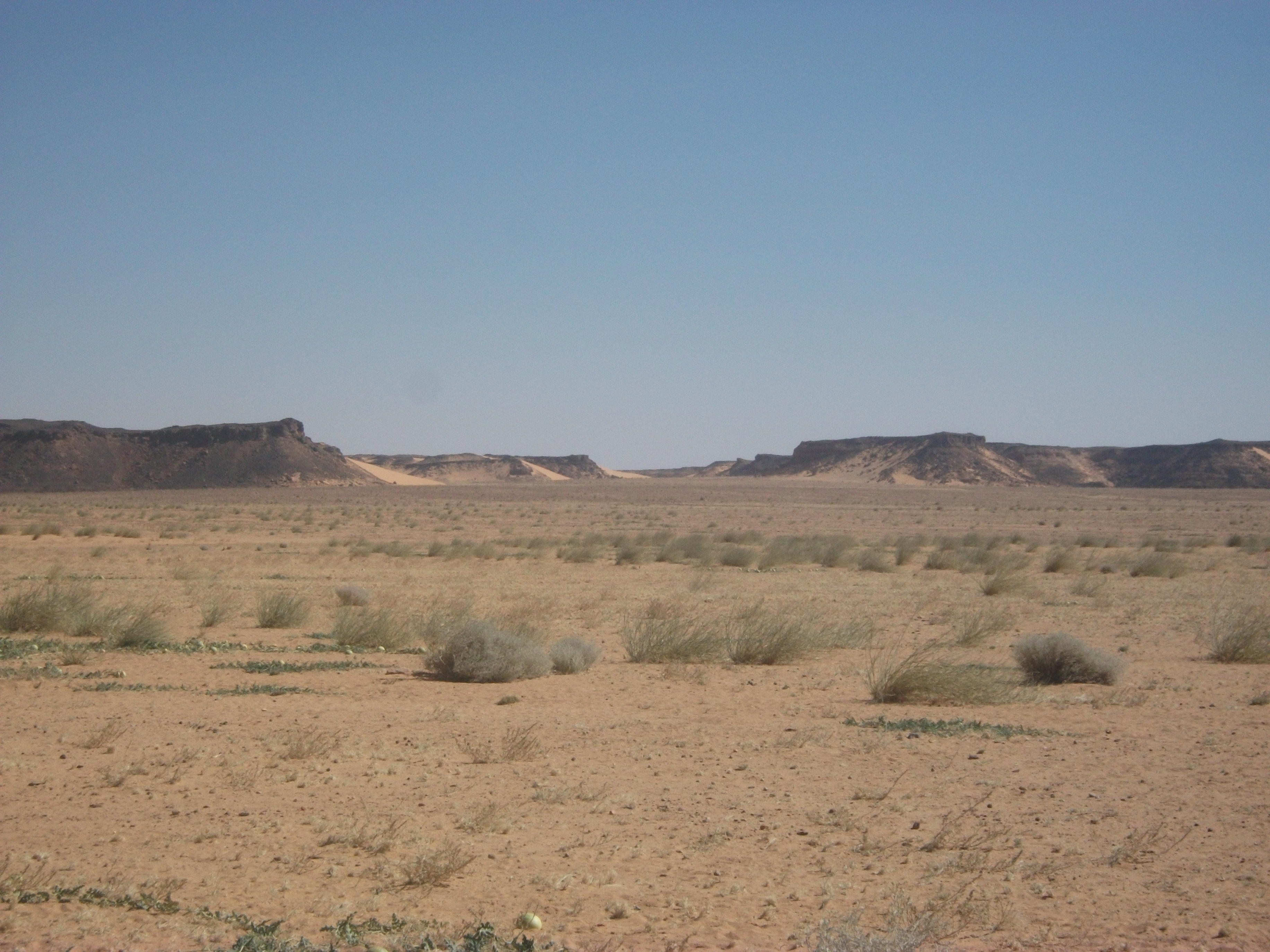
Archaeological Features
Explore the unique architectural and cultural elements found at this historical site
Defensive Structures
Burial and Funerary Structures
Religious and Ritual Structures
Domestic and Habitation Structures
Historical Timeline
Journey through time and discover key events in this site's archaeological history
Plan Your Visit
Details
- Country
- Sudan
- Source
- Wikipedia
More Sites in Sudan
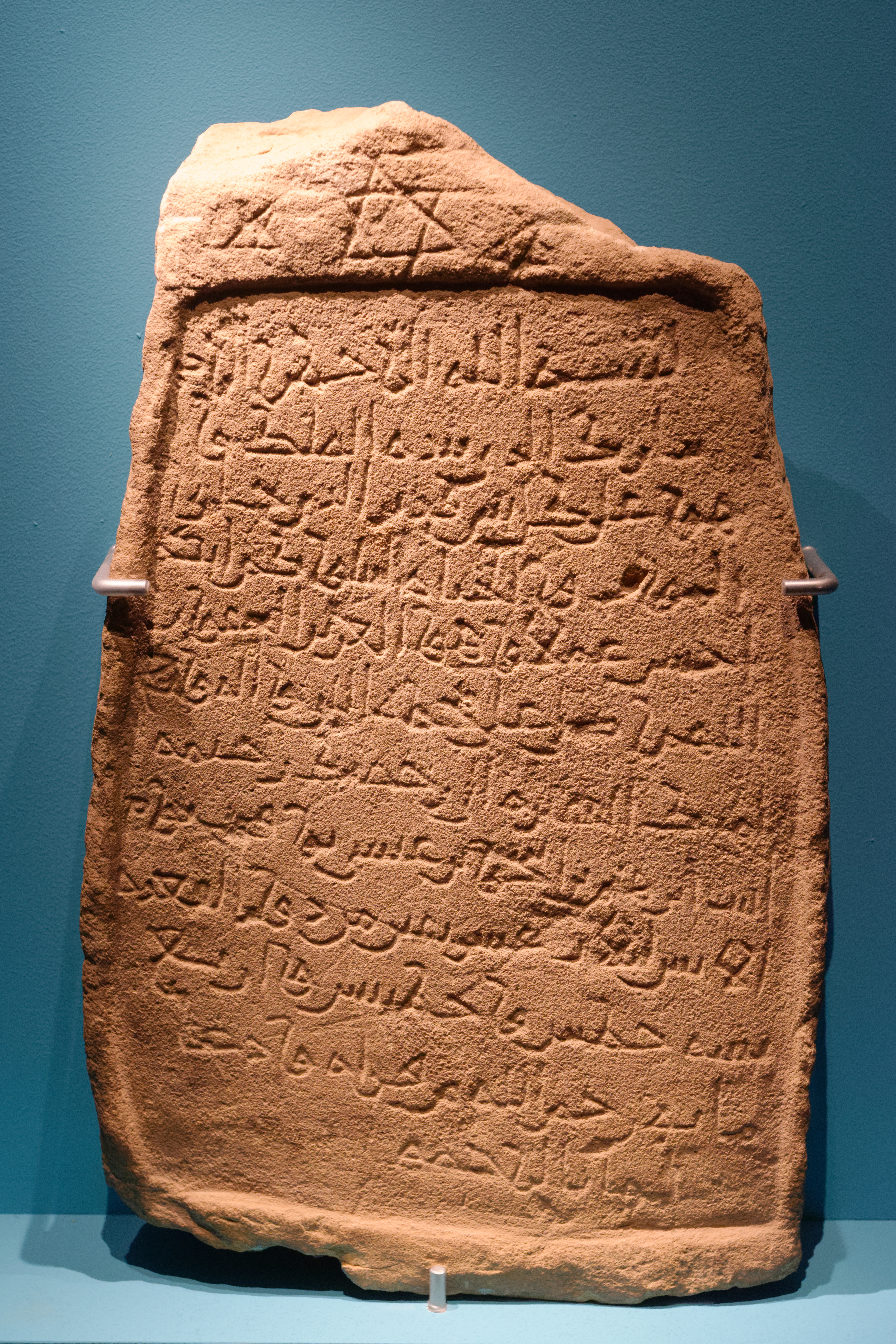
Meinarti
Stratified archaeological remains on Nile island
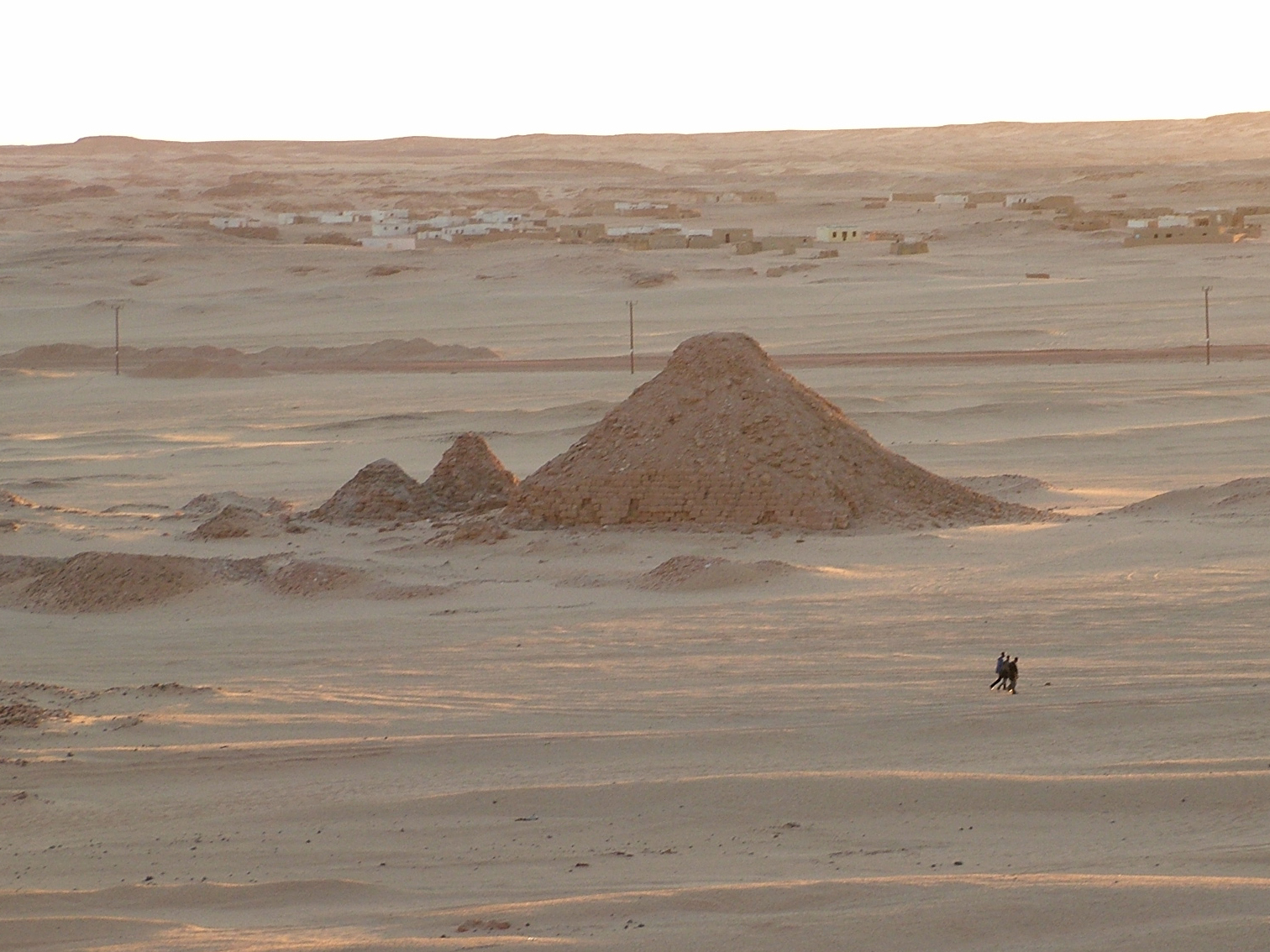
Jebel Barkal
Mesa with temples and pyramids in Sudan.
Zuma, Sudan
Ancient tumuli field with distinct grave types.
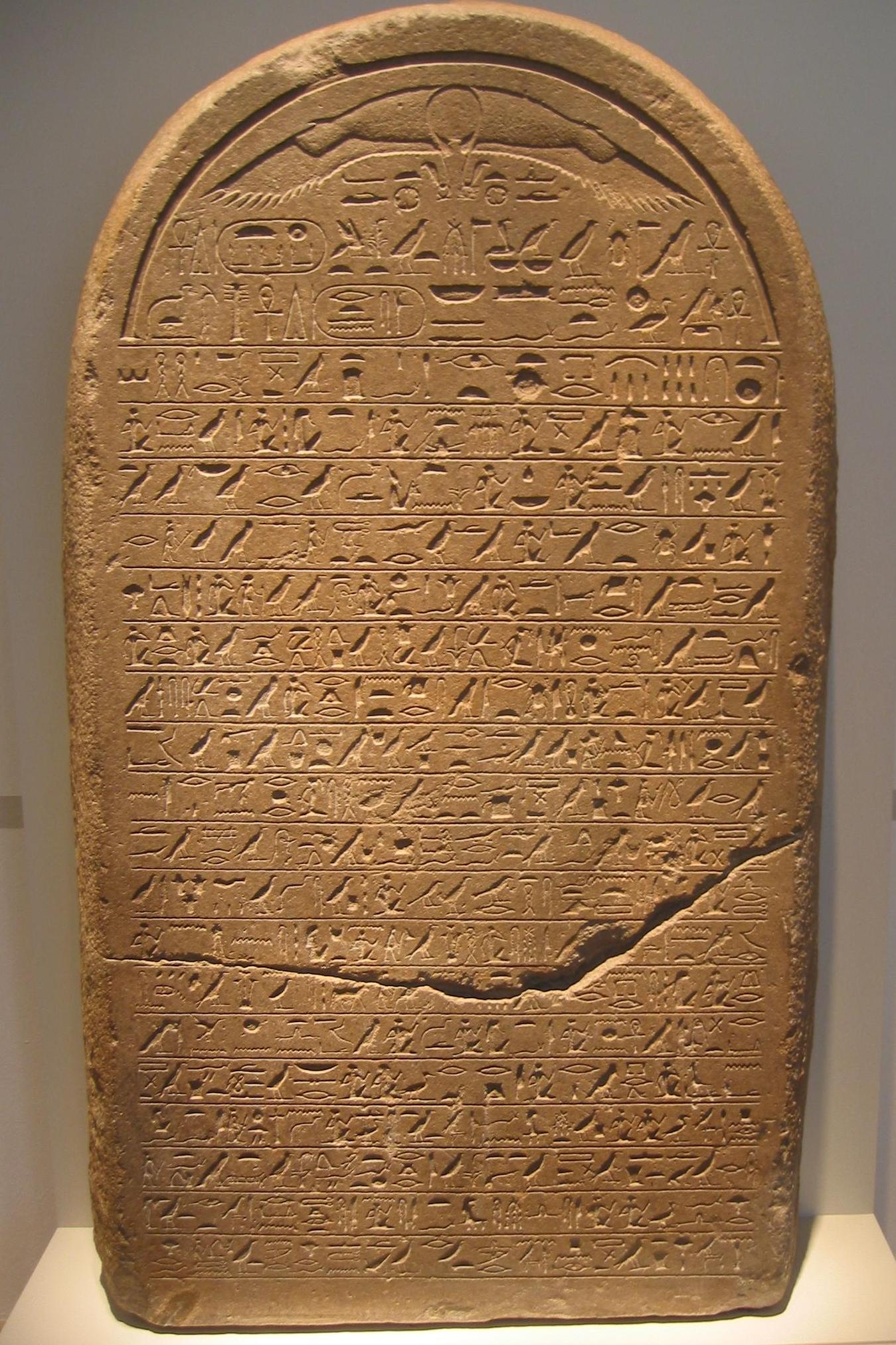
Semna (Nubia)
Middle Kingdom Egyptian fortresses in Nubia
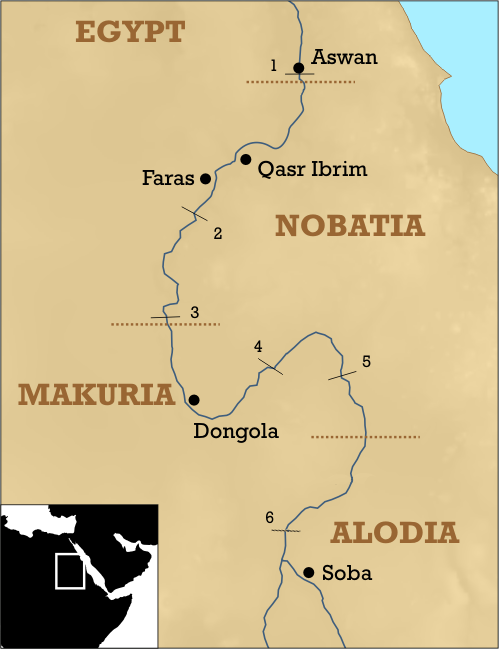
Faras
Underwater city with Christian cathedral art.
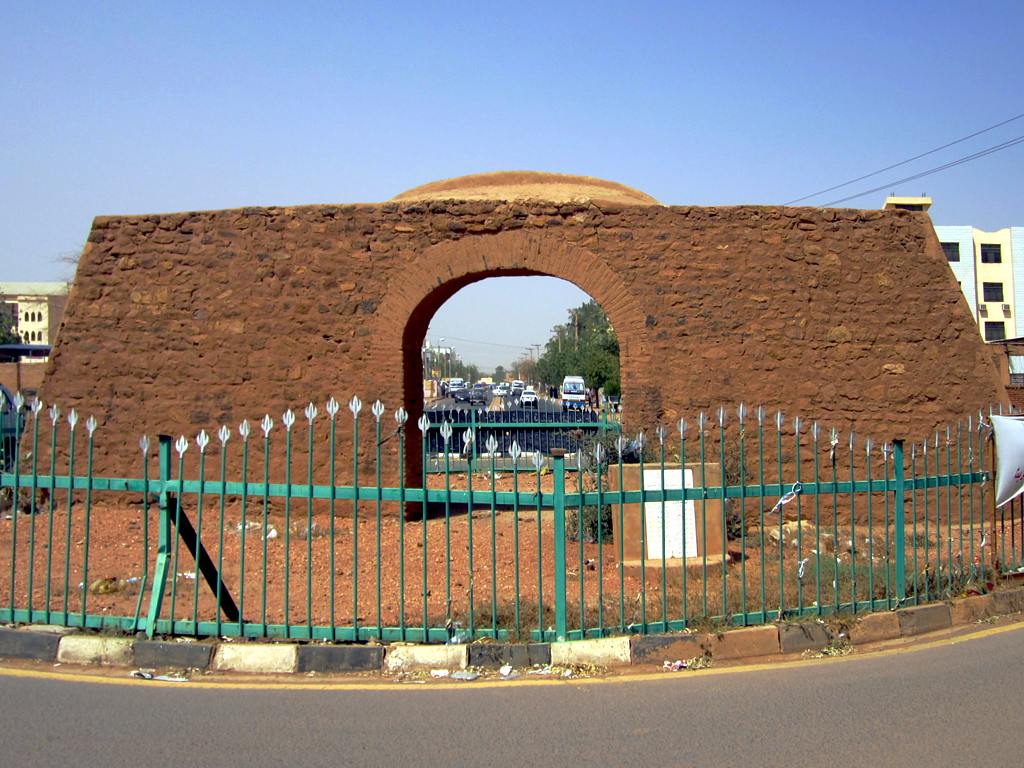
Almorada (Omdurman)
Prestigious ancient district with historical significance