Explore the Map
Zuma, Sudan
18.3667° N, 31.7500° E
About
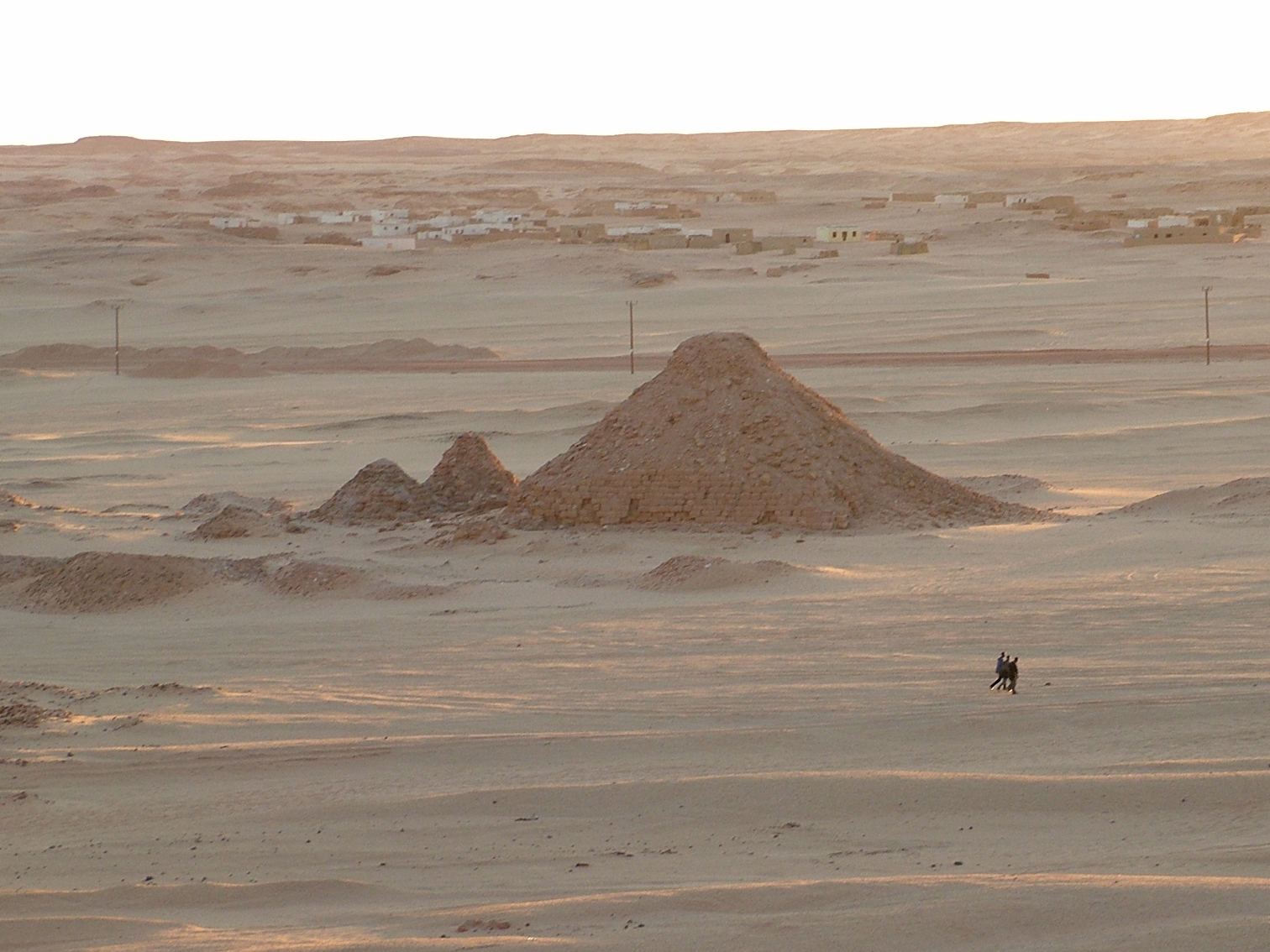
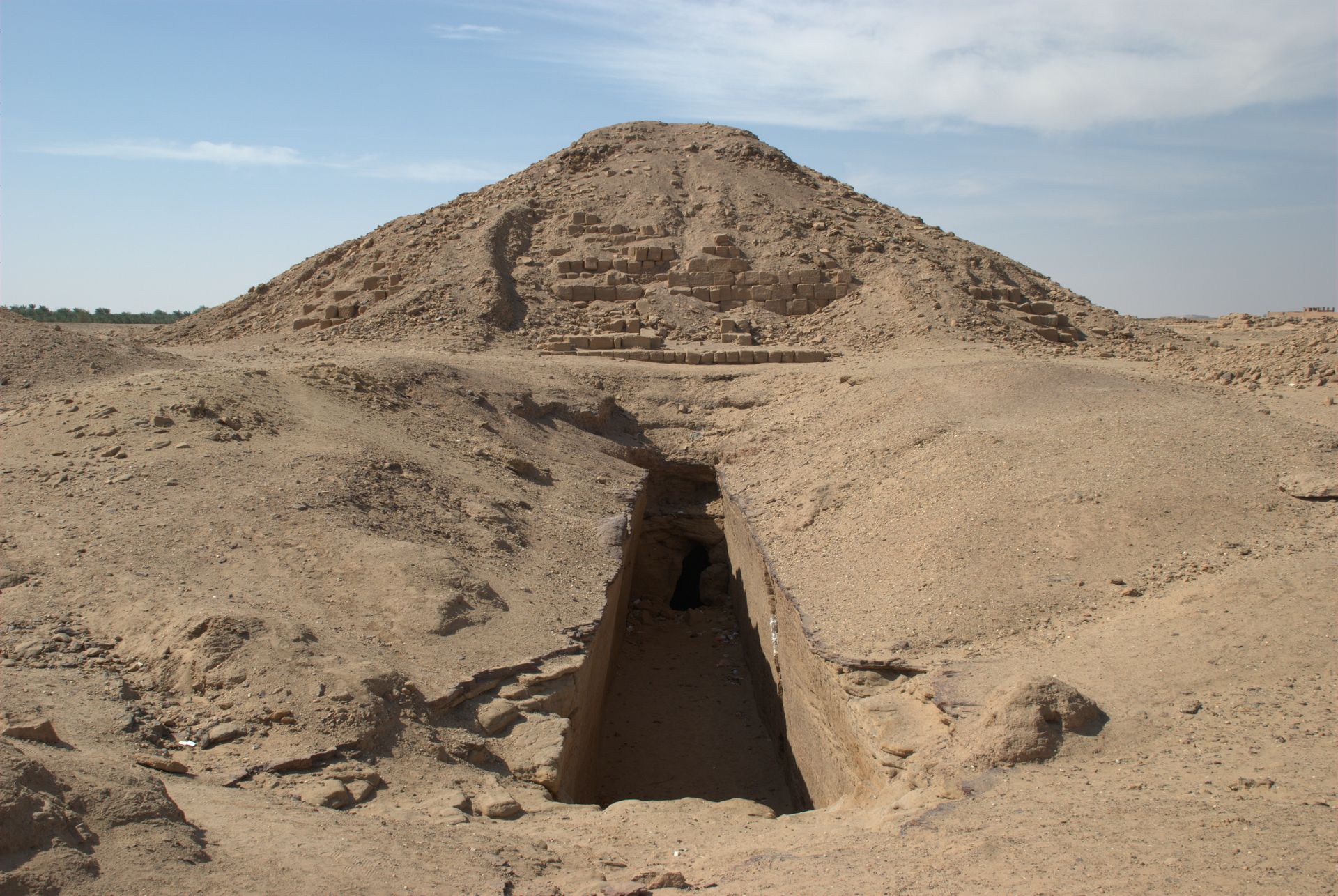
The Zuma (el-Zuma) site in Sudan is an archaeological site known for its burial ground featuring 29 grave mounds, or tumuli, indicative of the area's ancient funerary practices. Situated 25 miles downstream from Jebel Barkal and lying within the Napatan Region, the site is notable for its three distinct types of grave structures, highlighting a social hierarchy among those buried there. The most elaborate graves, featuring M-shaped underground burial shafts with multiple chambers, suggest a high status for the interred individuals. Though all the graves have been looted, evidence of pottery, beads, and metal fragments provides insight into the material culture of the period. Dating to the late 5th and early 6th centuries, the site offers valuable information about the social and cultural dynamics of Early Makuria. Zuma's significance was recognized by UNESCO as a world cultural heritage site, underscoring its importance in understanding the region's archaeological landscape.
Historical Timeline
Journey through time and discover key events in this site's history
Late 5th Century Burial Practices
late 5th century CE
Early 6th Century Burial Practices
early 6th century CE
Archaeological Features
Unique architectural and cultural elements found at this historical site
Burial and Funerary Structures
Plan Your Visit
Tours, travel arrangements, and practical information
More Sites in Sudan
Meinarti
Stratified archaeological remains on Nile island
Jebel Barkal
Mesa with temples and pyramids in Sudan.
Tabo (Nubia)
Large damaged Amun temple in Nubia.
Old Dongola
Deserted medieval Nubian town in Sudan.
Debeira
Nubian necropolis and medieval town remains
El-Kurru
Nubian pyramids and tombs in Sudan