Explore the Map
Meinarti
21.0069° N, 30.5778° E
About
Meinarti, an archaeological site on a Nile island in northern Sudan, reveals a sequence of six distinct phases of occupation. This stratified site features varying structures across periods, including peasant dwellings, public buildings, a church, and a significant 'castle-house' from later phases. The earliest phase aligns with the Roman occupation of Egypt, reflecting commercial activity without residential structures, while later phases show a transition to Christianization and strategic military importance. The site's architectural evolution underscores shifts in political dynamics and cultural influences, from the collapse of the Kush empire to interactions with Fatimid Egypt, and finally, its decline coinciding with the end of Christian Nubian civilization around 1500 CE.
Gallery
Explore photographs of ancient structures, artifacts, and archaeological excavations
Historical Timeline
Journey through time and discover key events in this site's history
Roman occupation begins
30 BCE
End of Kush empire
350 CE
Introduction of Christianity
650 CE
Prosperous relations with Fatimid Egypt
950 CE
Strategic importance during Crusades
1200 CE
Nobadia as splinter kingdom
1400 CE
End of Christian Nubian civilization
1500 CE
Archaeological Features
Unique architectural and cultural elements found at this historical site
Storage Structures
Public and Civic Structures
Religious and Ritual Structures
Artistic and Decorative Features
Domestic and Habitation Structures
Environmental and Natural Features
Plan Your Visit
Tours, travel arrangements, and practical information
More Sites in Sudan
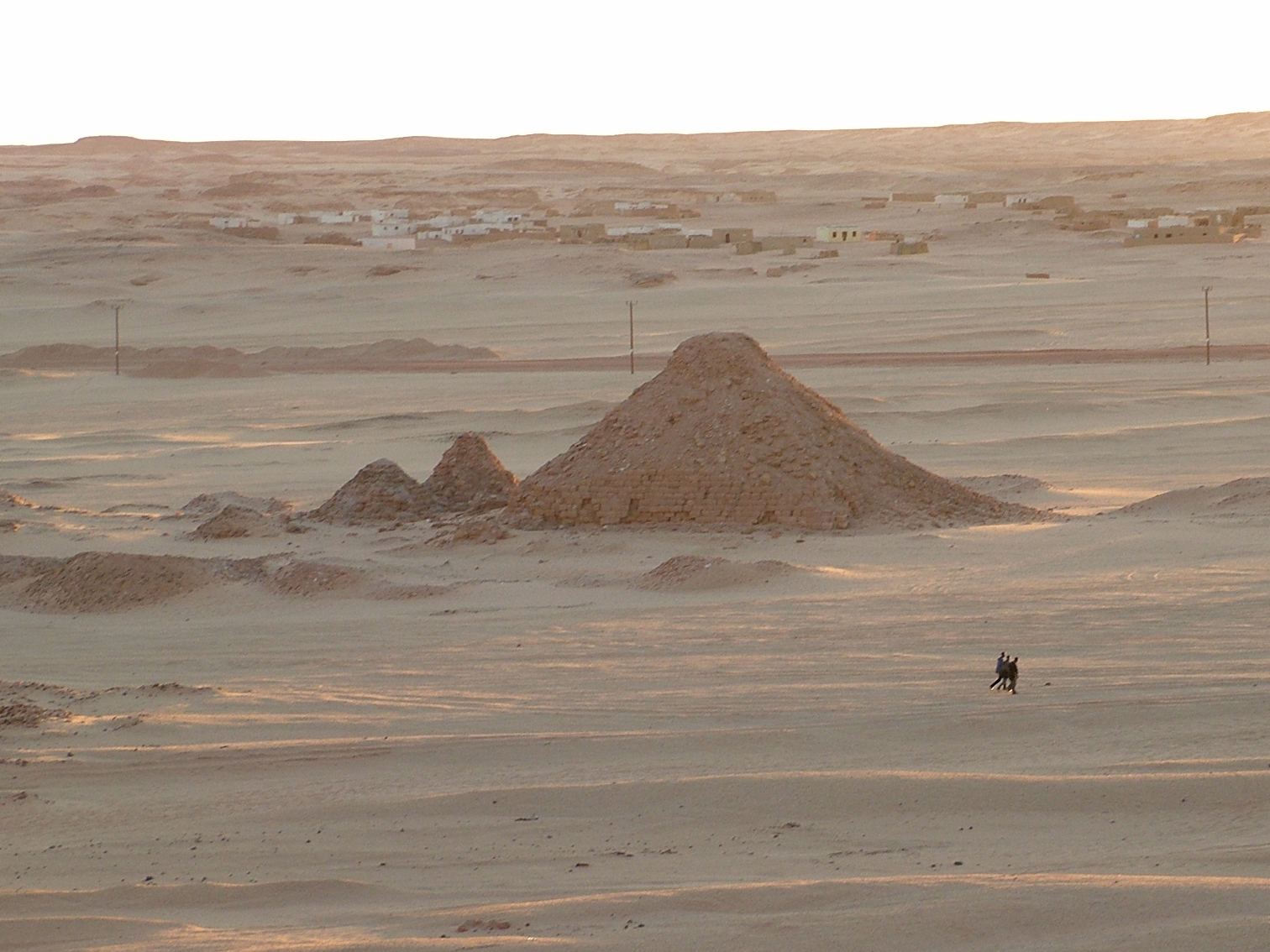
Jebel Barkal
Mesa with temples and pyramids in Sudan.
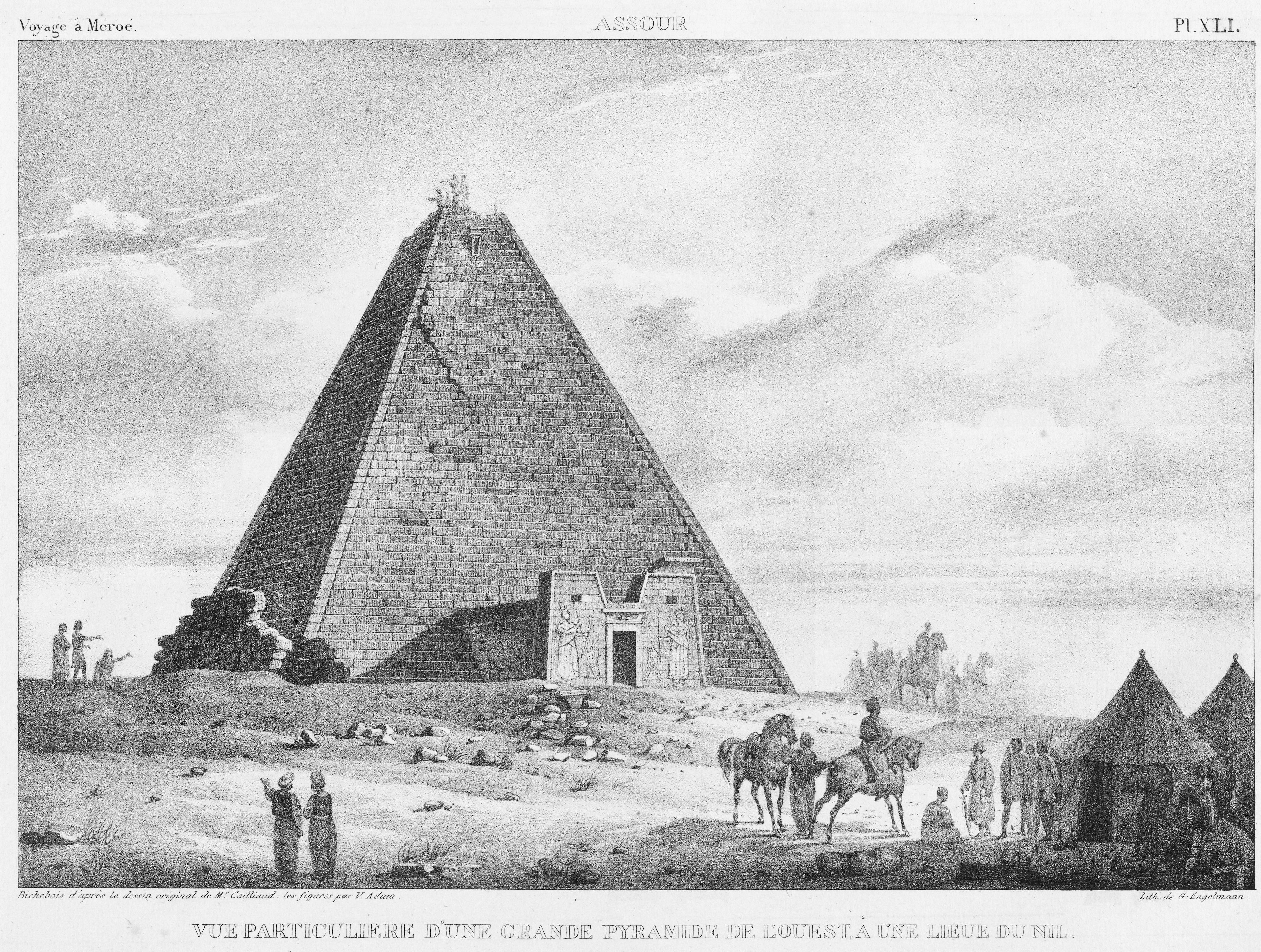
Nubian pyramids
Tall, narrow stepped pyramids in Sudan.
Zuma, Sudan
Ancient tumuli field with distinct grave types.
El-Hobagi
Post-Meroitic tumuli with weapons and vessels
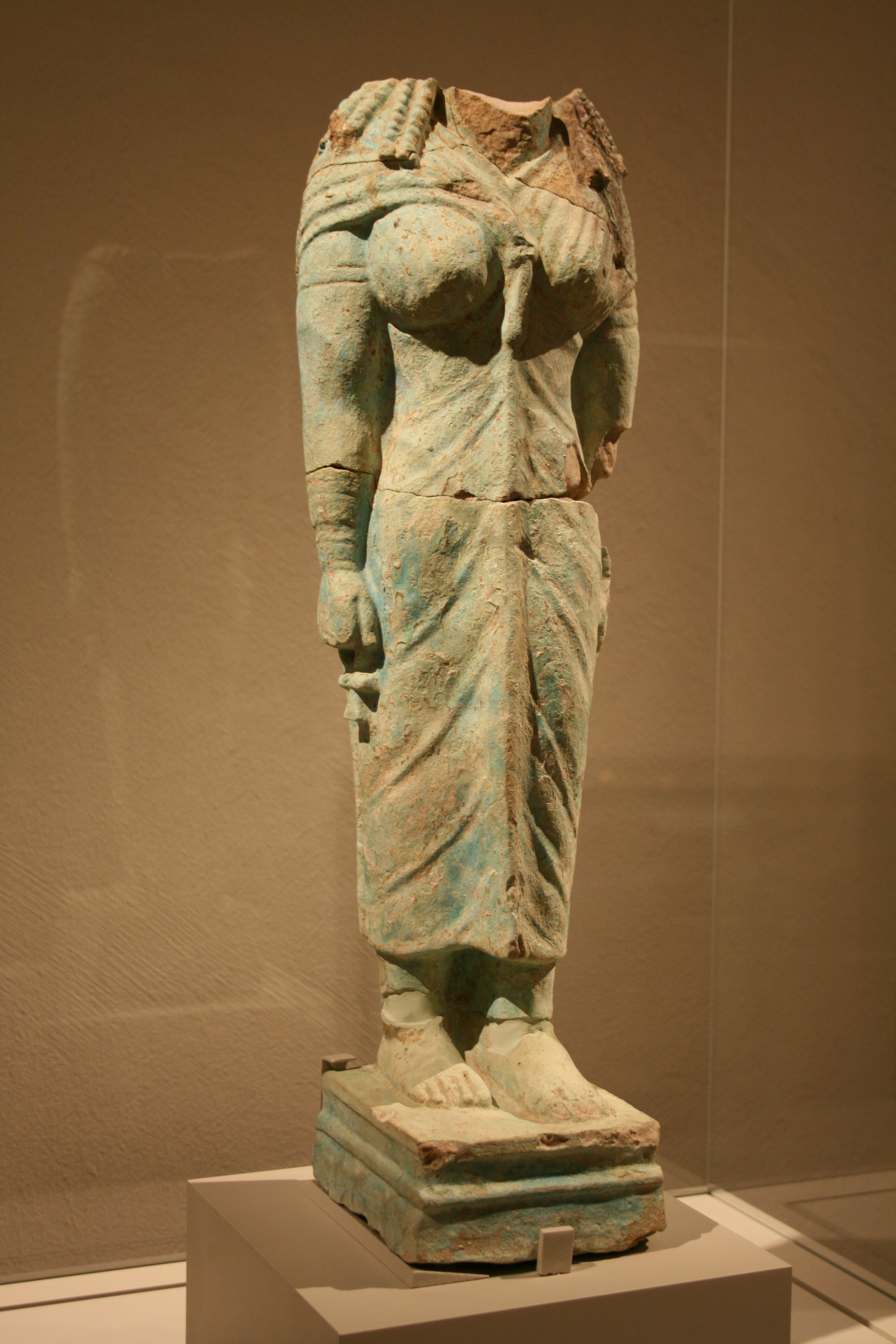
Naqa
Ruined Kushitic city with significant temples
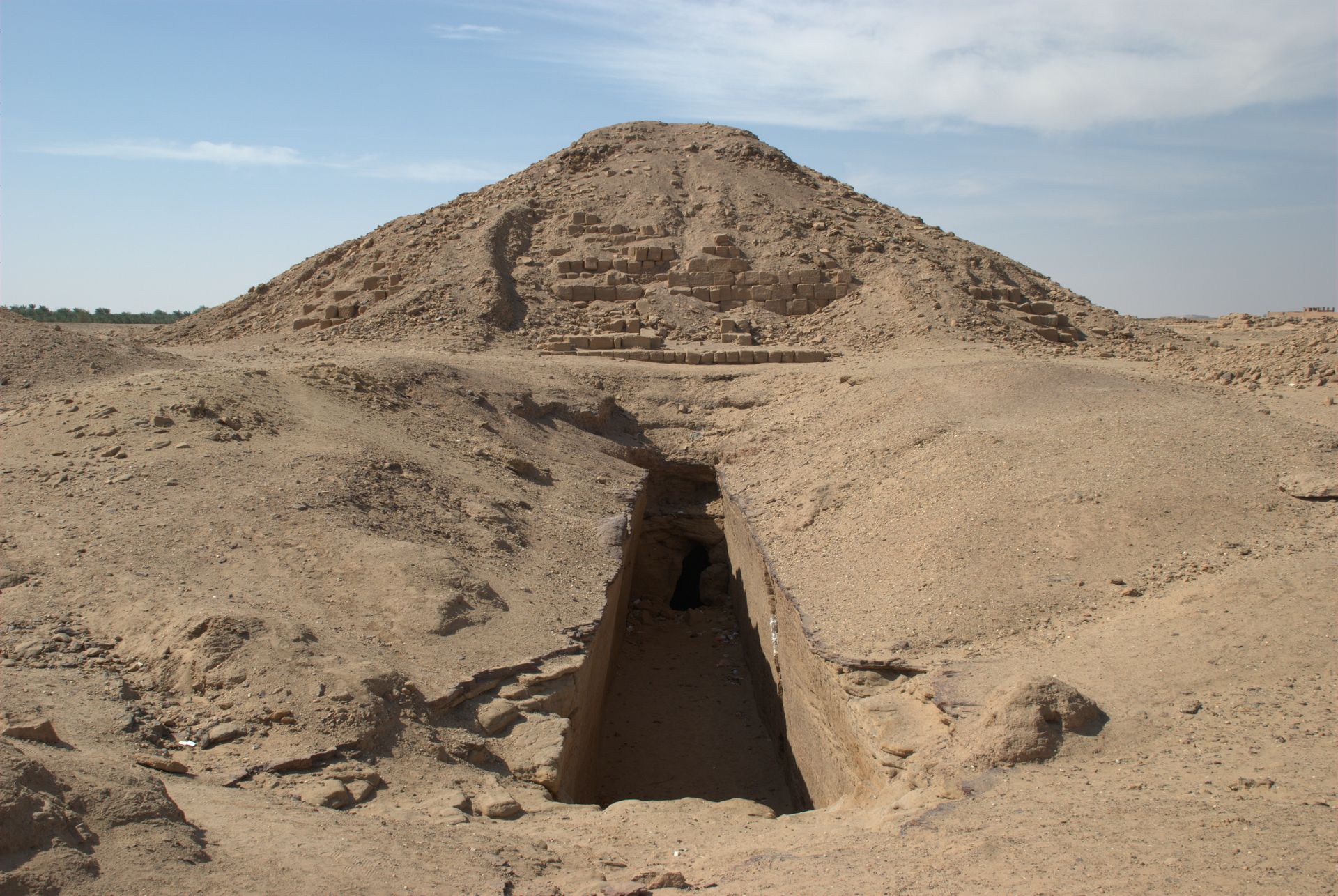
El-Kurru
Nubian pyramids and tombs in Sudan