
Explore the Map
Nubian pyramids
16.9375° N, 33.7486° E
About
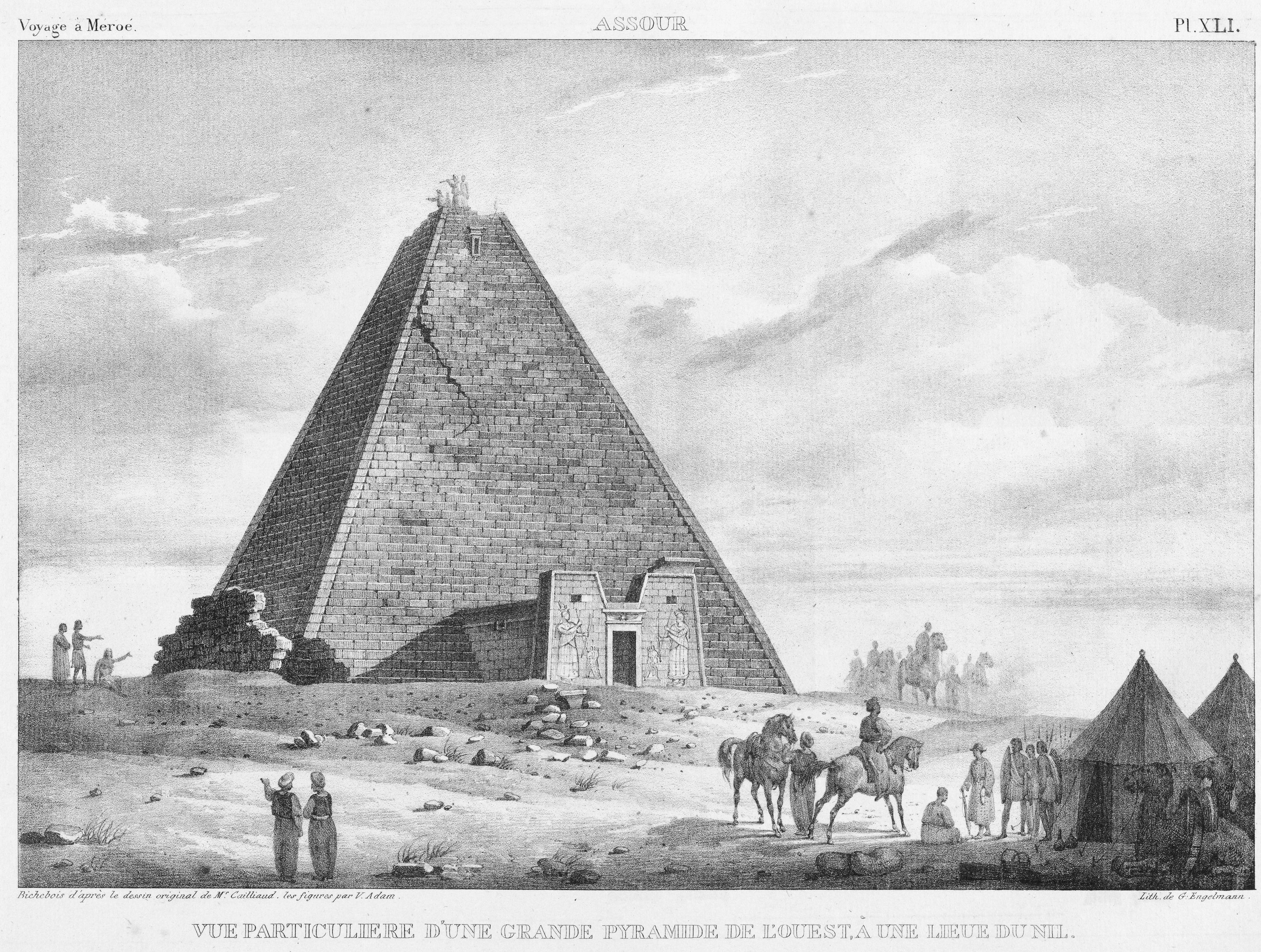
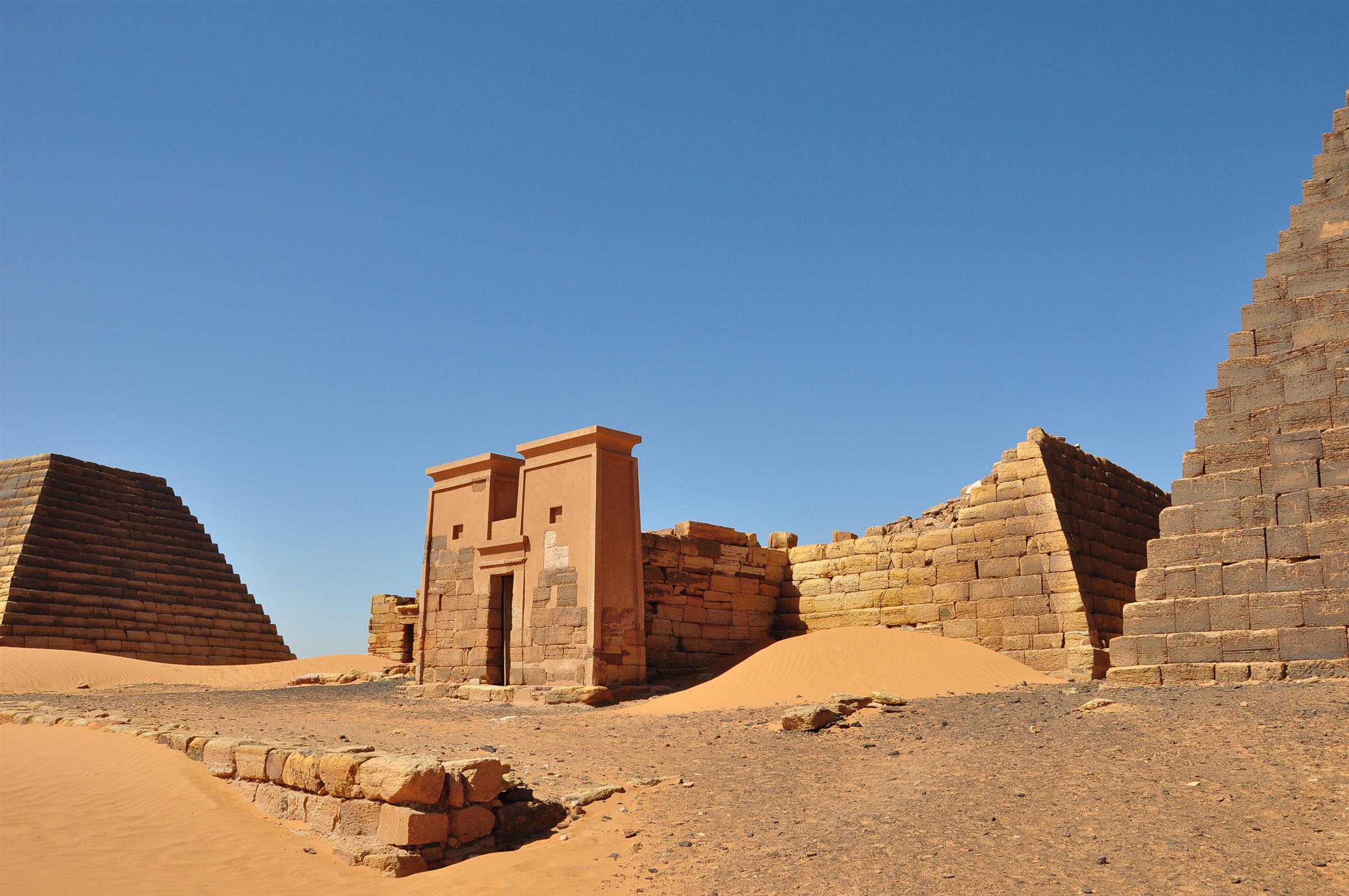
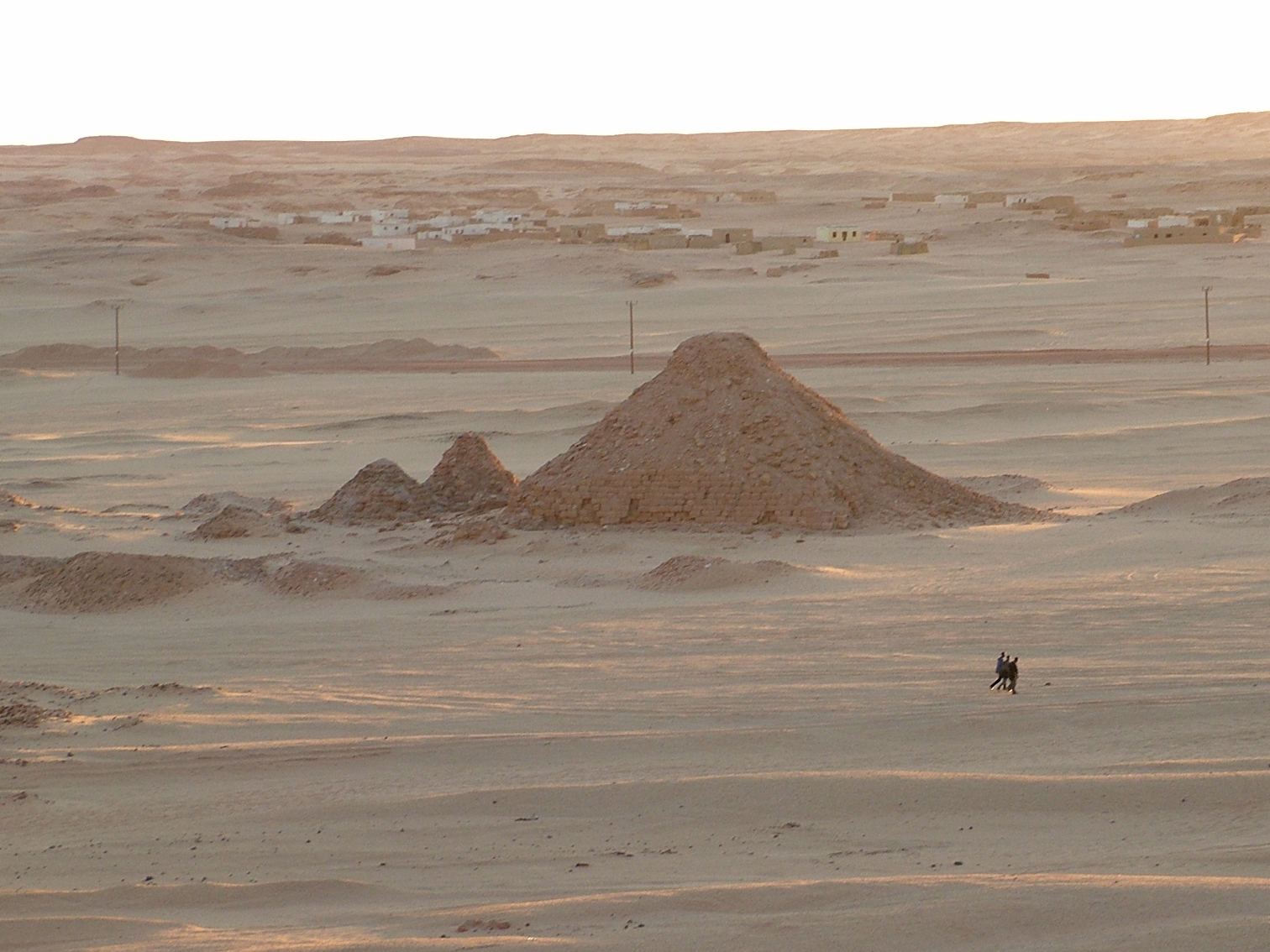
The Nubian pyramids, located in present-day Sudan, are significant archaeological structures built by the ancient Kushite kingdoms. These pyramids, constructed from granite and sandstone, are noted for their tall, narrow forms with steep inclines, distinct from the larger base pyramids of Egypt. The construction began in the 8th century BCE at the El Kurru site and continued over several centuries, primarily serving as royal tombs for the Napatan and Meroitic kingdoms. These pyramids reflect a strong Egyptian influence and are associated with significant historical figures such as King Kashta and his successors. The site includes a variety of artifacts that highlight extensive trade and cultural exchanges between Nubia, Egypt, and the Hellenistic world. Despite the destruction caused by treasure hunters in the 19th century, the Nubian pyramids remain a UNESCO World Heritage Site, offering crucial insights into the region's history and the ancient Kushite civilization.
Gallery
Explore photographs of ancient structures, artifacts, and archaeological excavations

Historical Timeline
Journey through time and discover key events in this site's history
First Kingdom at Kerma
2500 BCE - 1500 BCE
Second Kingdom at Napata
1000 BCE - 300 BCE
First Pyramids at El Kurru
751 BCE
Third Kingdom at Meroë
300 BCE - 300 CE
Archaeological Features
Unique architectural and cultural elements found at this historical site
Miscellaneous Features
Burial and Funerary Structures
Artistic and Decorative Features
Plan Your Visit
Tours, travel arrangements, and practical information
More Sites in Sudan
El-Hobagi
Post-Meroitic tumuli with weapons and vessels
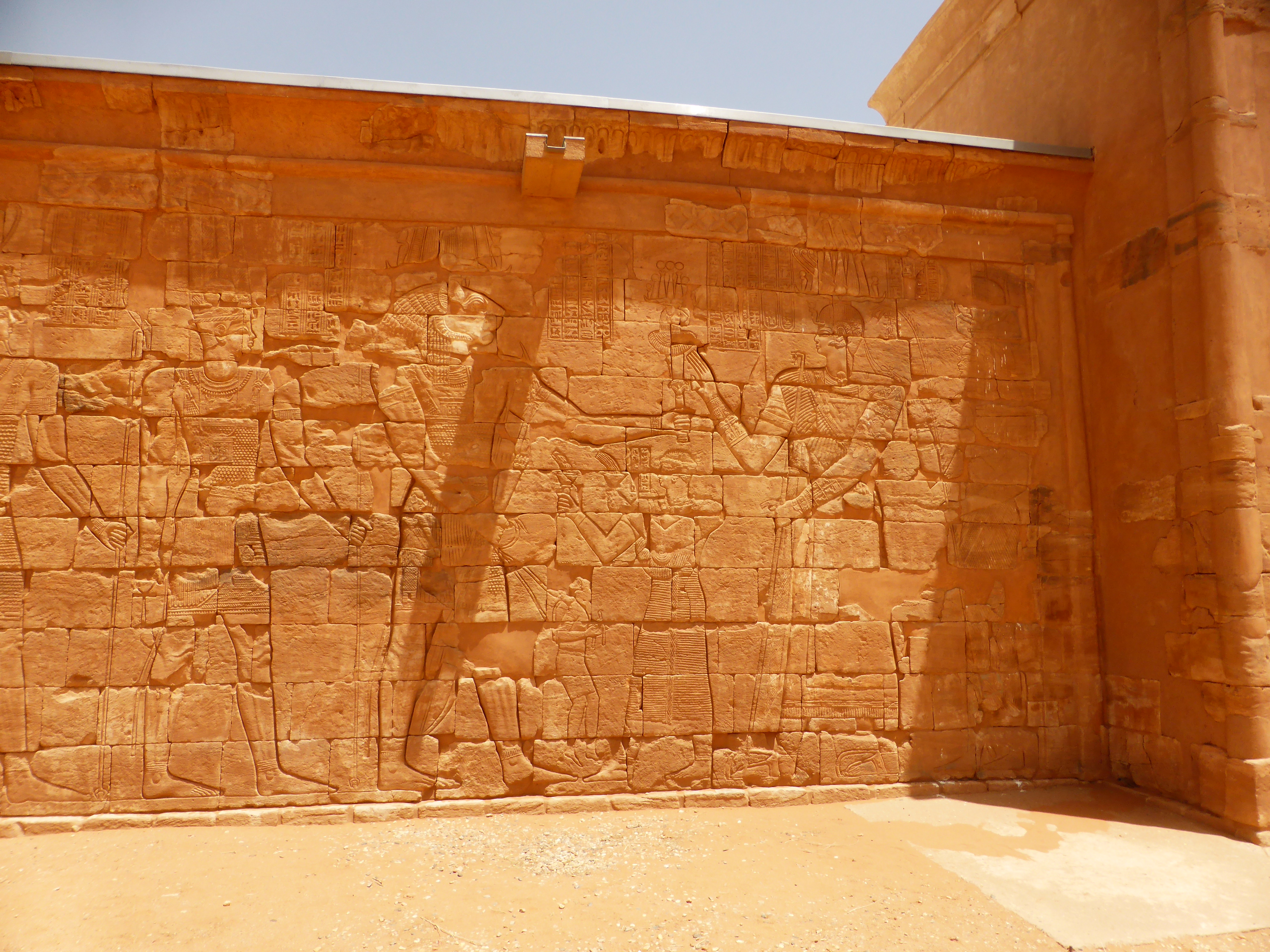
Musawwarat es-Sufra
Large Meroitic temple complex in Sudan
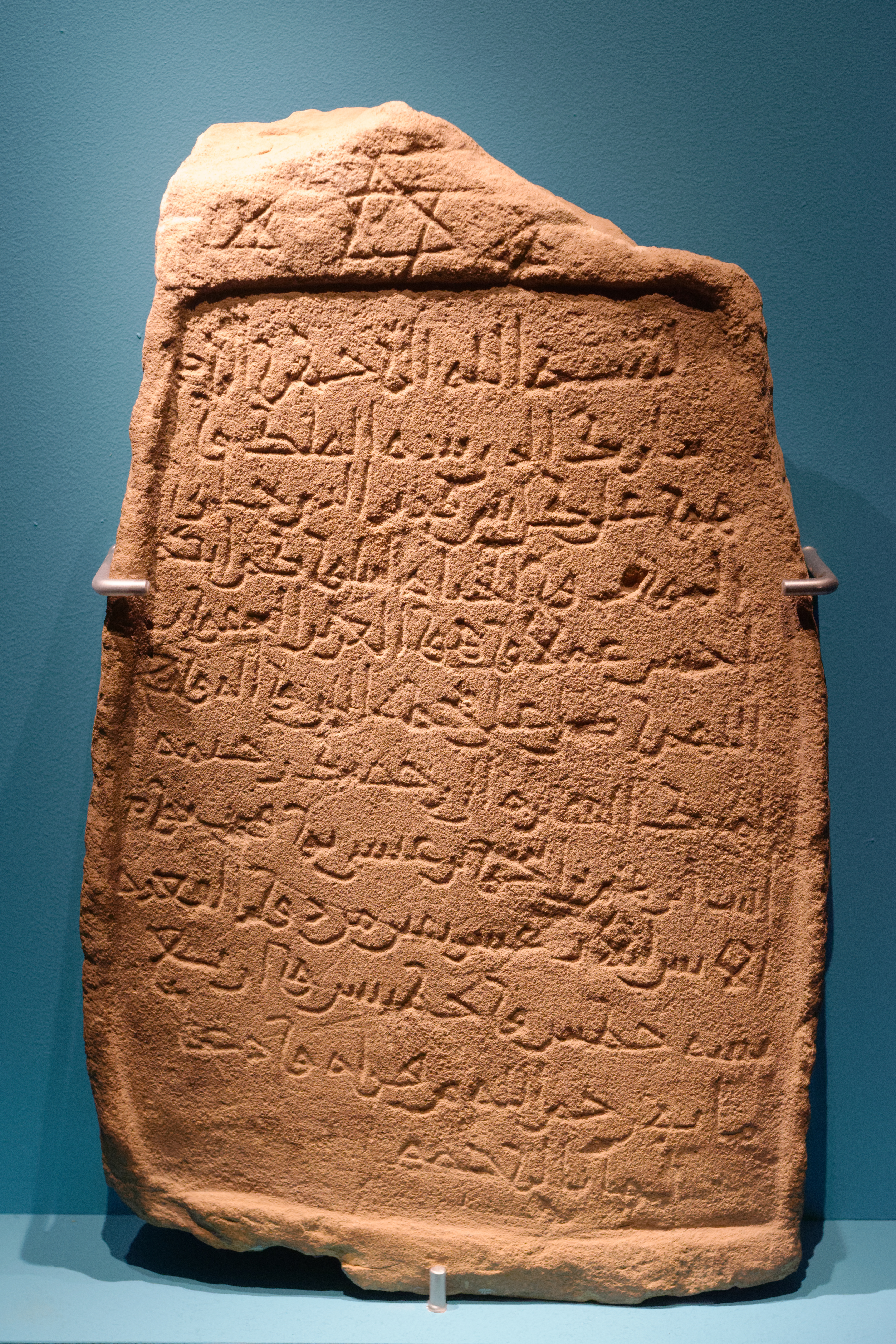
Meinarti
Stratified archaeological remains on Nile island
Jebel Barkal
Mesa with temples and pyramids in Sudan.
Naqa
Ruined Kushitic city with significant temples
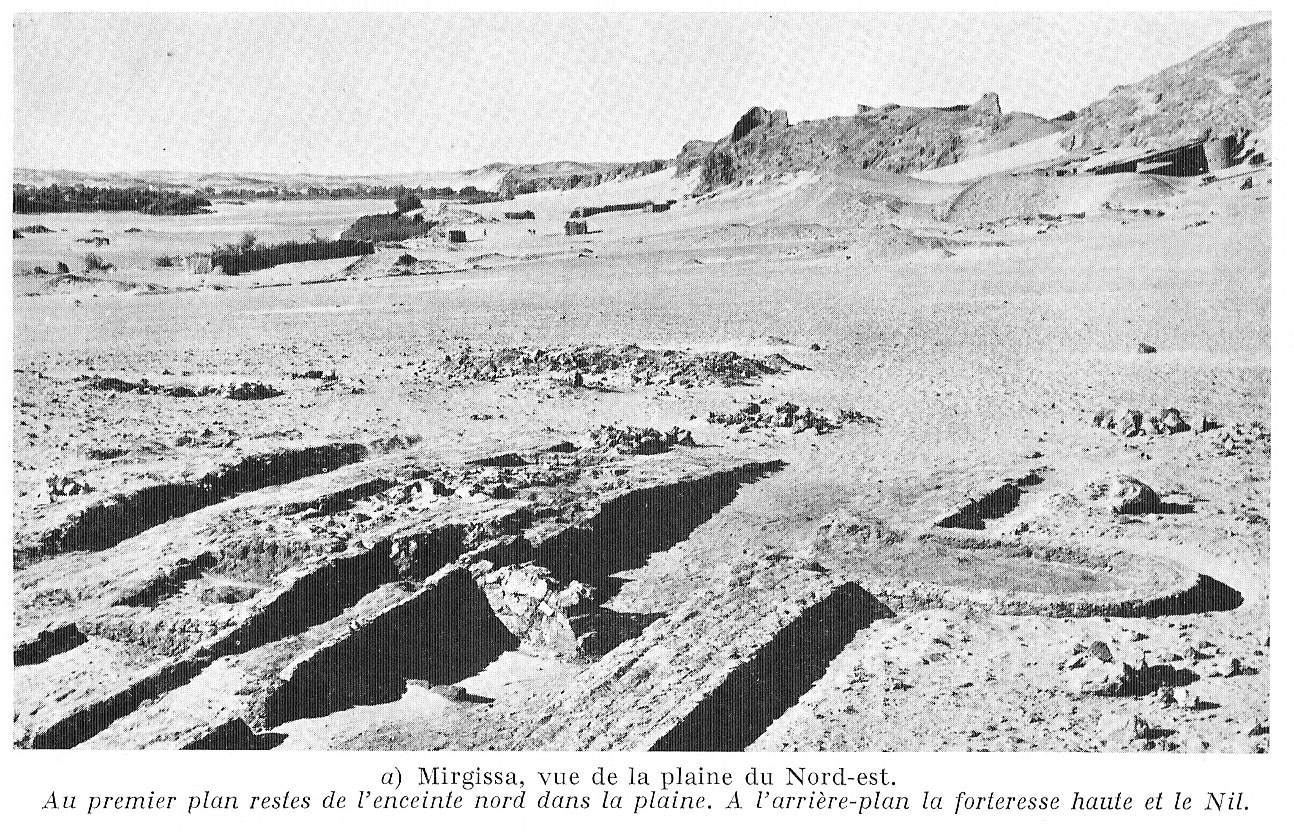
Mirgissa
Fortified Nubian settlement with large fortress.