Explore the Map
Hamadab
16.9117° N, 33.6919° E
About
Hamadab is an archaeological site located in Sudan, positioned approximately 3 kilometers south of Meroë. The site features the ruins of an ancient city, which was likely abandoned during the 4th century CE. The remains include two prominent hills, with one reaching a height of 500 meters, separated by the Nile River. Archaeological excavations have uncovered a temple northeast of the settlement, with pillars dedicated to Queen Amanirenas and her son, Akinidad, although the specific deity worshipped remains unidentified. The site also reveals mud-brick houses enveloped by defensive walls, suggesting a well-organized urban settlement. This site provides valuable insights into the architectural and cultural practices of the region during the transition from the Late Iron Age to the Late Classical Period.
Gallery
Explore photographs of ancient structures, artifacts, and archaeological excavations
Historical Timeline
Journey through time and discover key events in this site's history
City Abandonment
300 CE
Archaeological Features
Unique architectural and cultural elements found at this historical site
Defensive Structures
Religious and Ritual Structures
Domestic and Habitation Structures
Frequently Asked Questions
Plan Your Visit
Tours, travel arrangements, and practical information
More Sites in Sudan
El-Hobagi
Post-Meroitic tumuli with weapons and vessels
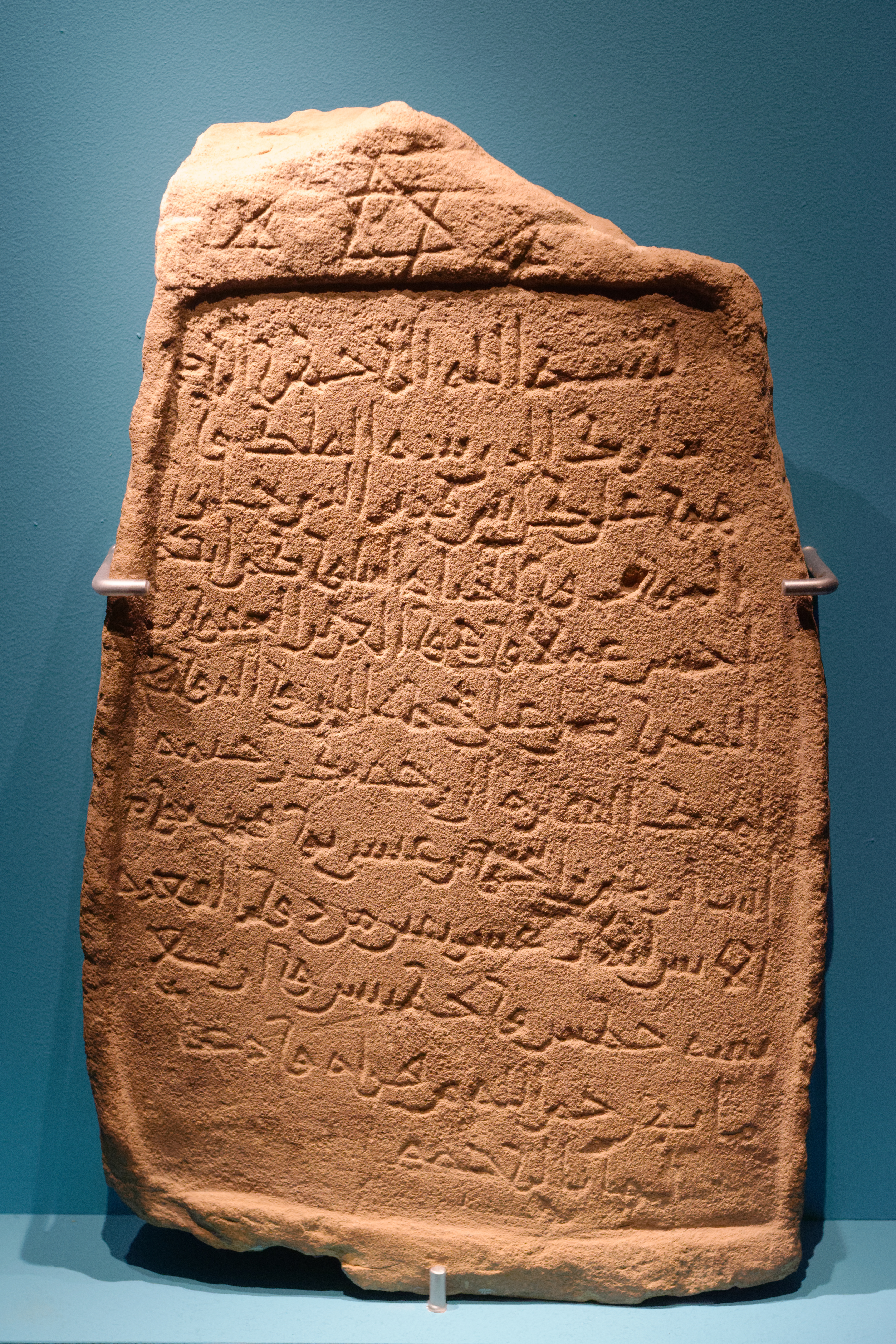
Meinarti
Stratified archaeological remains on Nile island
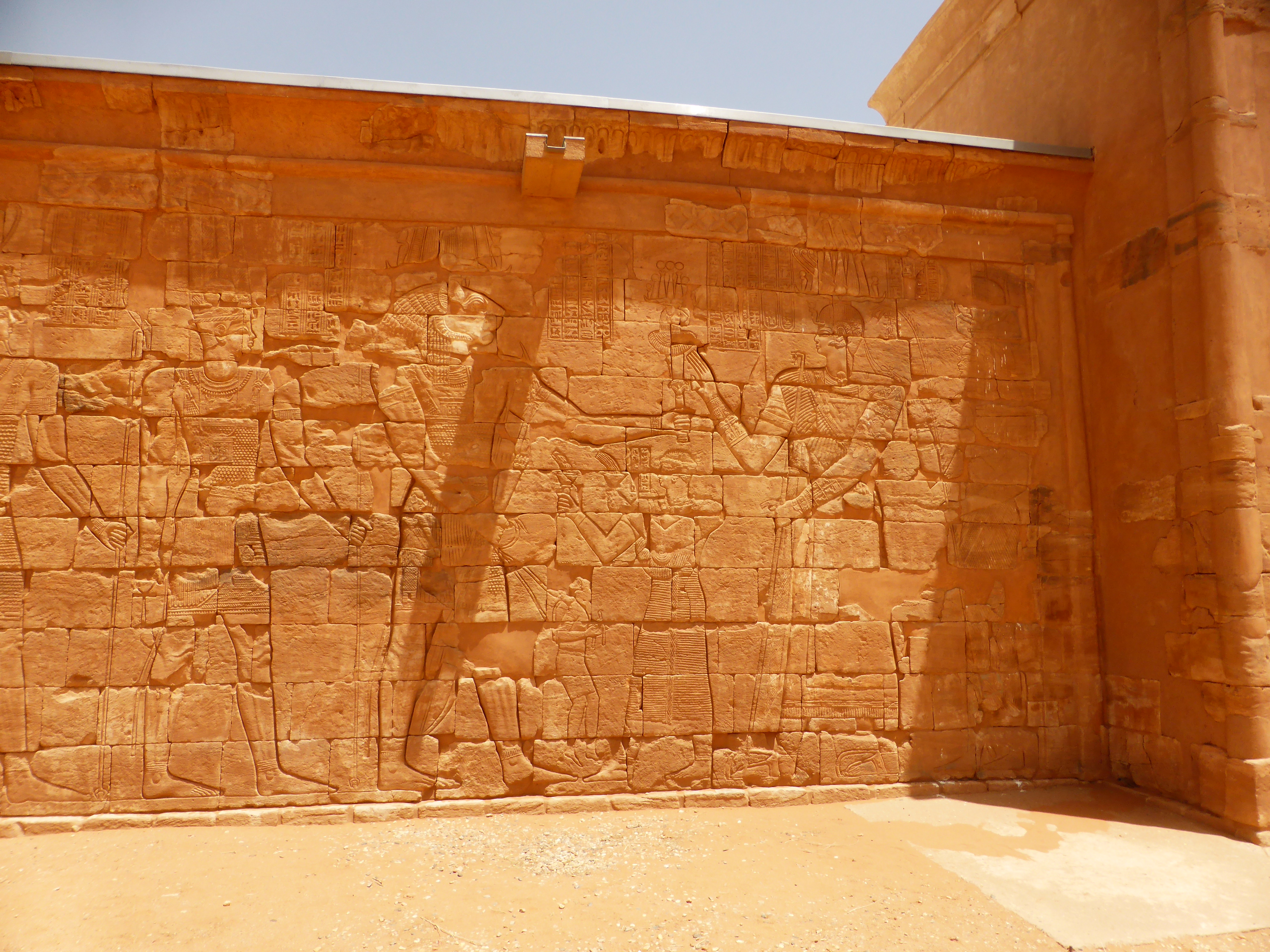
Musawwarat es-Sufra
Large Meroitic temple complex in Sudan
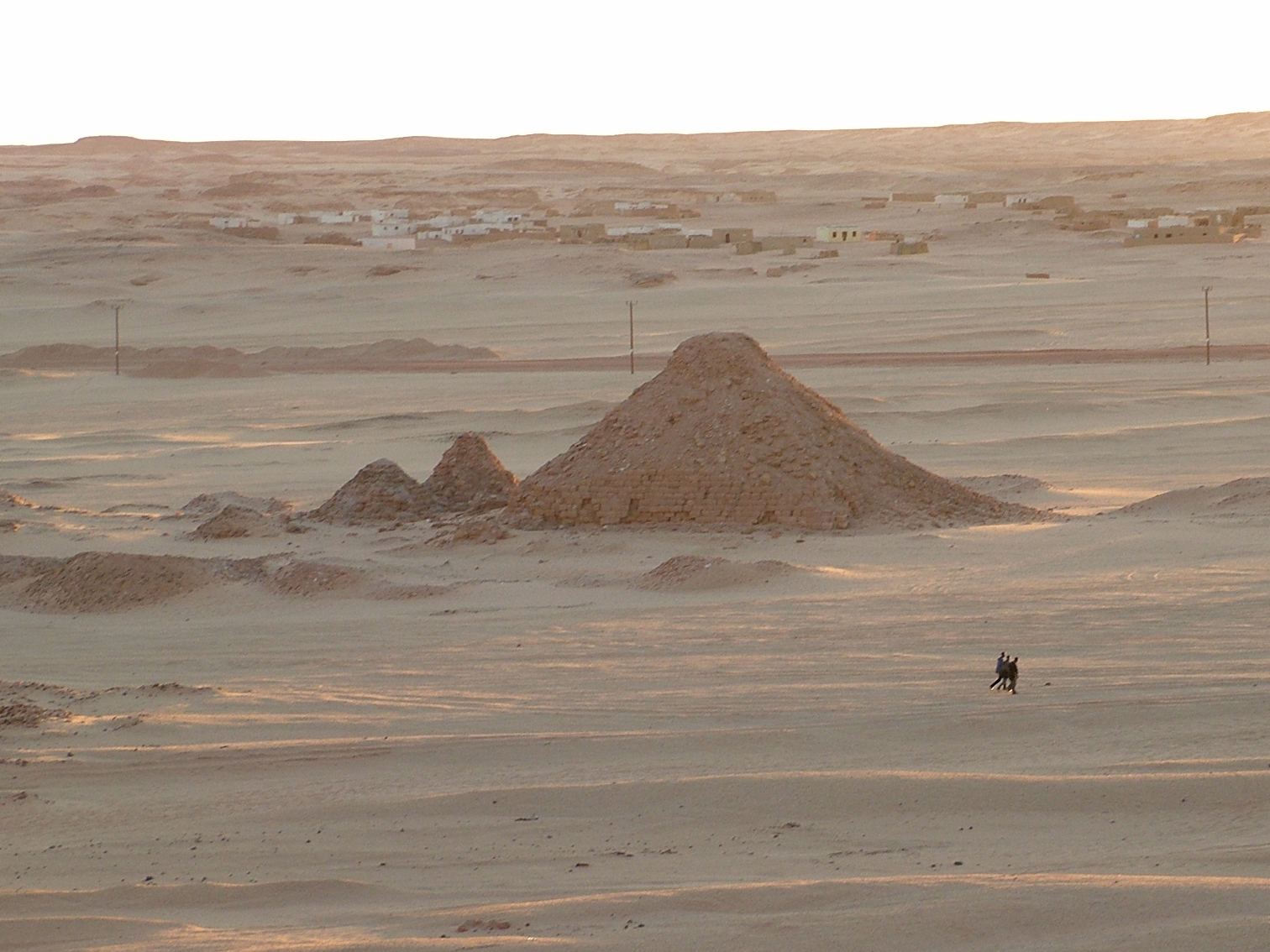
Jebel Barkal
Mesa with temples and pyramids in Sudan.
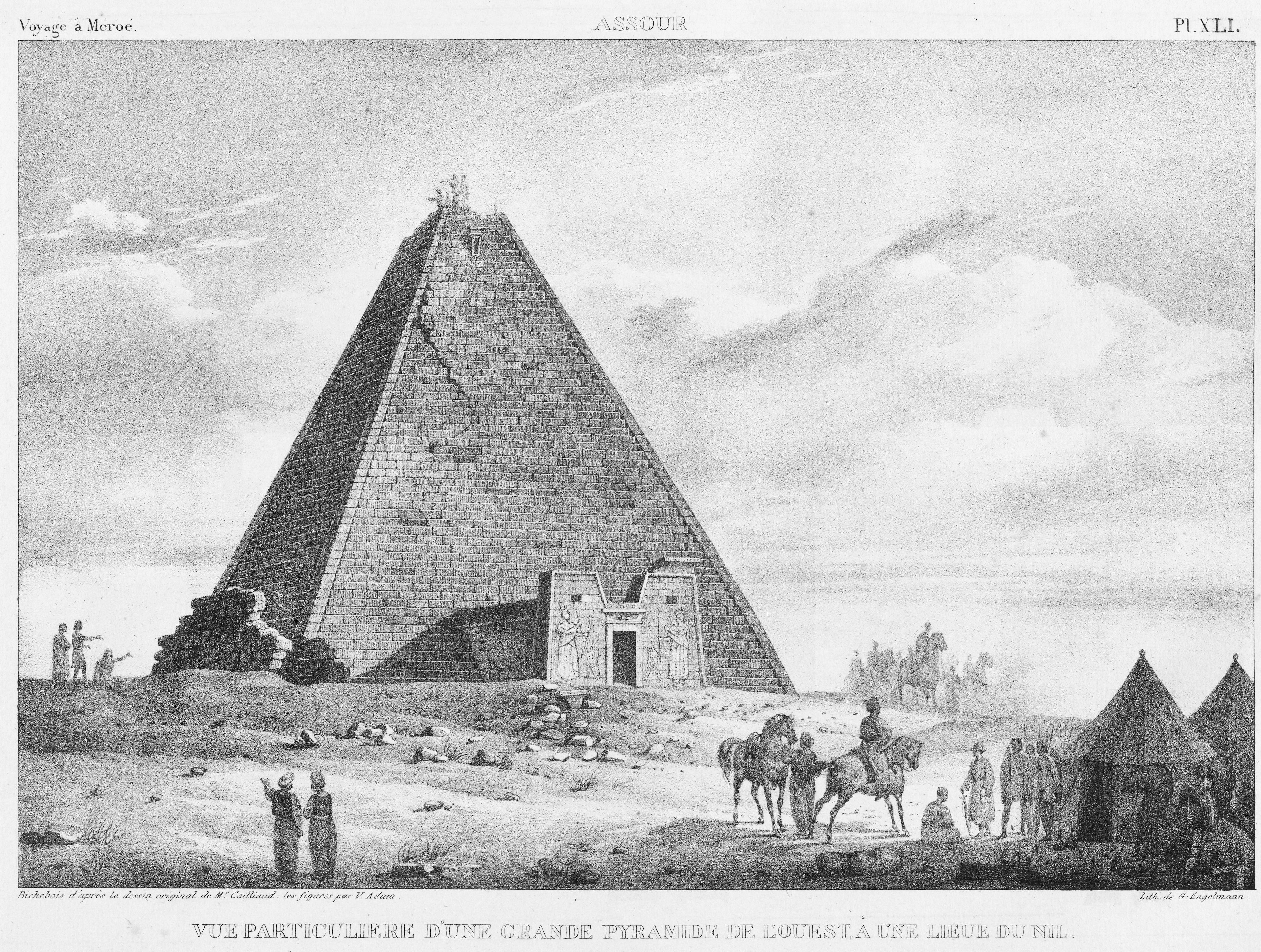
Nubian pyramids
Tall, narrow stepped pyramids in Sudan.
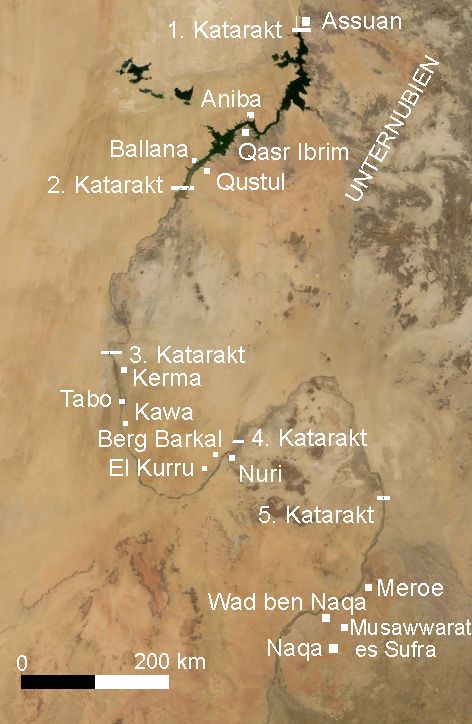
Tabo (Nubia)
Large damaged Amun temple in Nubia.