
Explore the Map
Jebel Barkal
18.5367° N, 31.8283° E
About
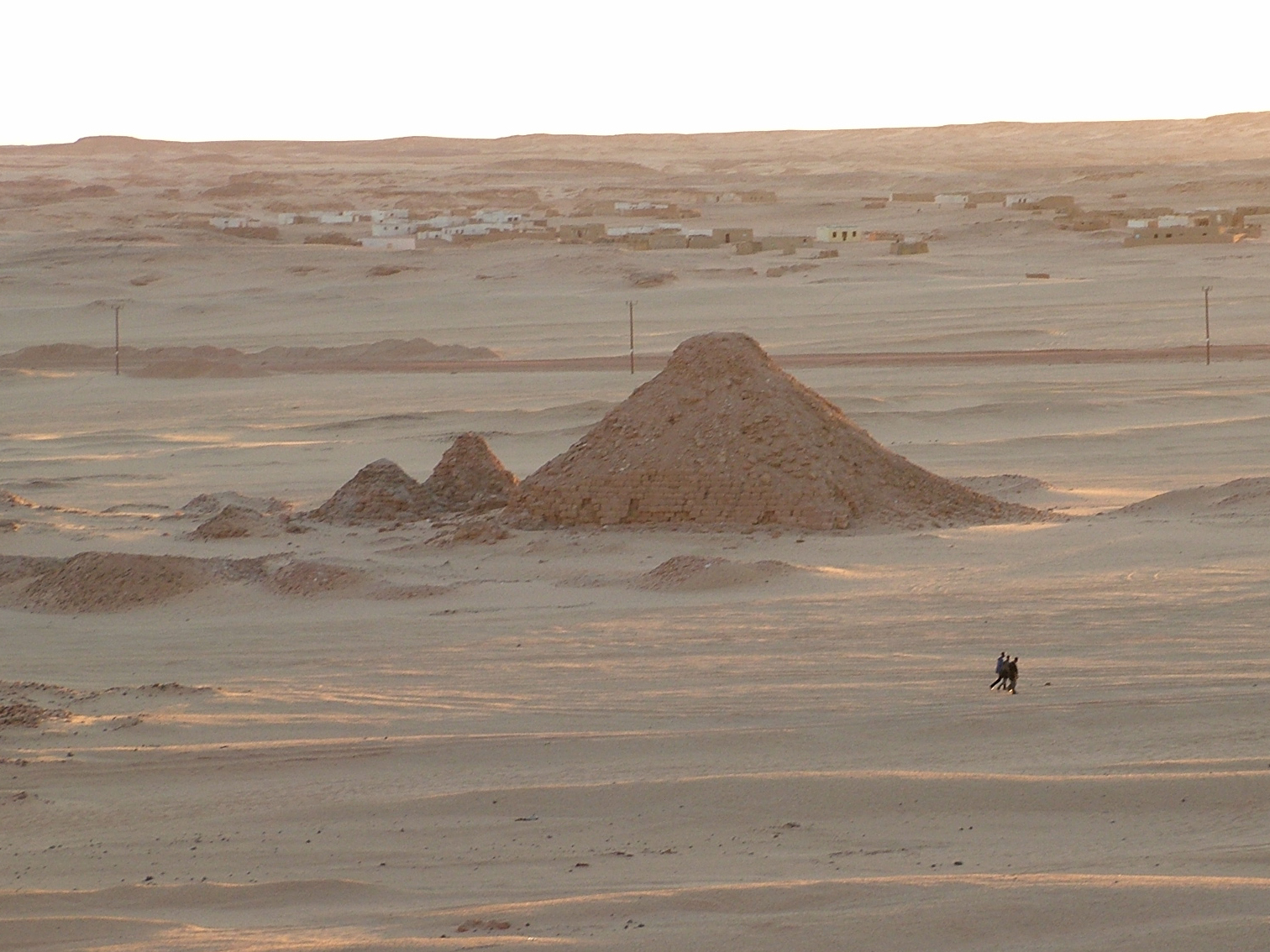
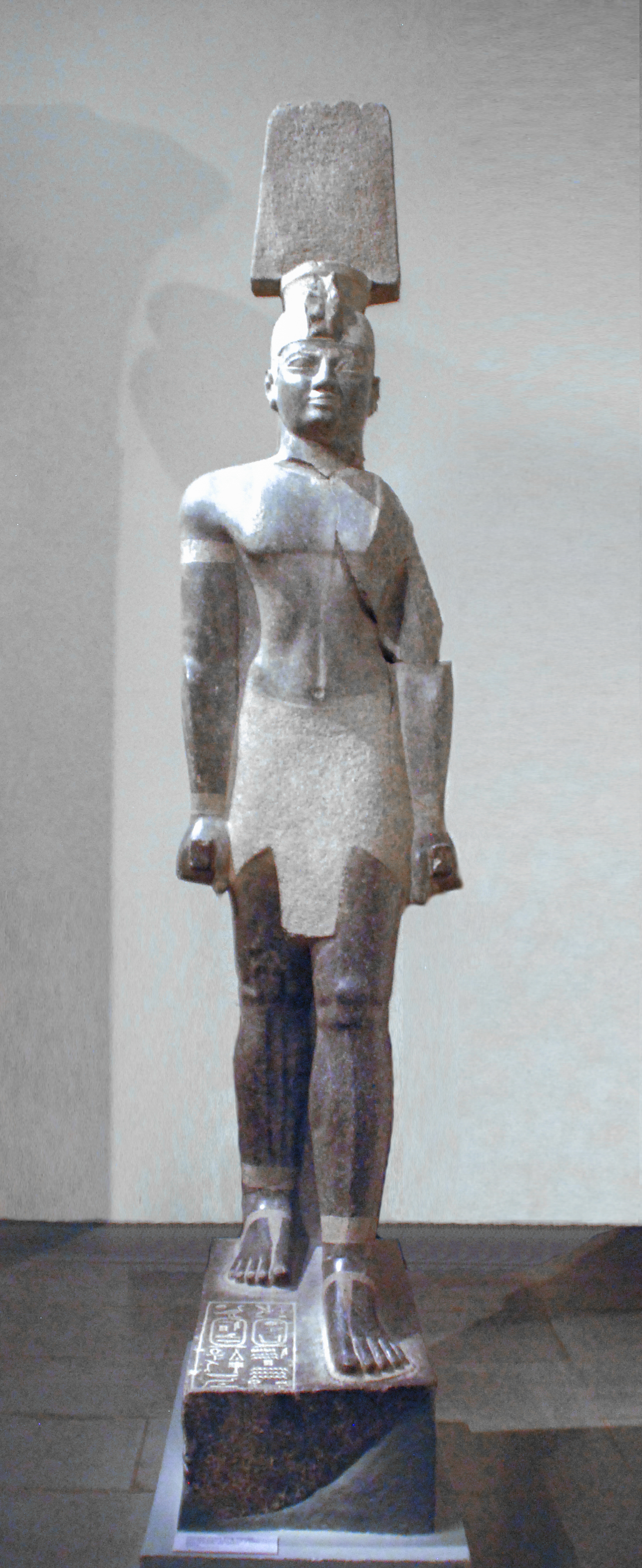
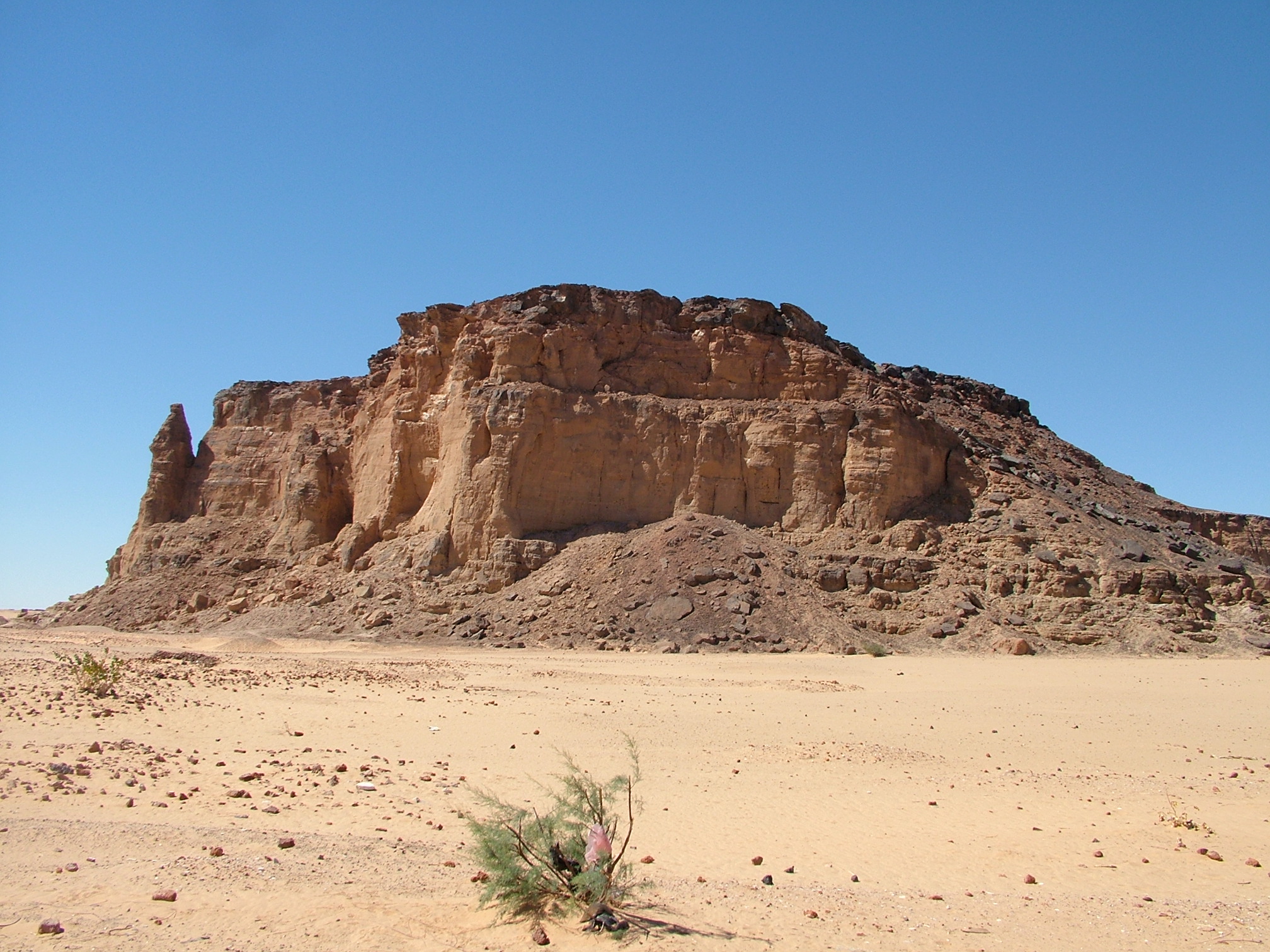
Jebel Barkal is a significant archaeological site located in Sudan, near the Nile River. This site, recognized as a UNESCO World Heritage Site, features a prominent mesa with a flat top standing 104 meters tall. It served as a religious and cultural center for both the ancient Egyptian and Kushite civilizations. The site includes a complex of temples primarily dedicated to Amun, reflecting its religious importance. The Kingdom of Kush, with Jebel Barkal as its capital, saw the construction of palaces and royal pyramid burials, which later moved to Meroë. The site continued to be prominent during the Meroitic period and was occupied into the medieval Christian era, providing a rich tapestry of historical and cultural developments over several millennia.
Gallery
Explore photographs of ancient structures, artifacts, and archaeological excavations
Historical Timeline
Journey through time and discover key events in this site's history
Egyptian Conquest by Thutmose III
around 1450 BCE
Kushite Kingdom Capital
after 800 BCE
Move of Royal Burials to Meroë
270 BCE
Meroitic Period Occupation
1st century BCE - 1st century CE
Assyrian Conquest of Egypt
mid-7th century BCE
Medieval Christian Period Occupation
after 4th century CE
Archaeological Features
Unique architectural and cultural elements found at this historical site
Defensive Structures
Public and Civic Structures
Burial and Funerary Structures
Religious and Ritual Structures
Domestic and Habitation Structures
Plan Your Visit
Tours, travel arrangements, and practical information
More Sites in Sudan
Meinarti
Stratified archaeological remains on Nile island
Musawwarat es-Sufra
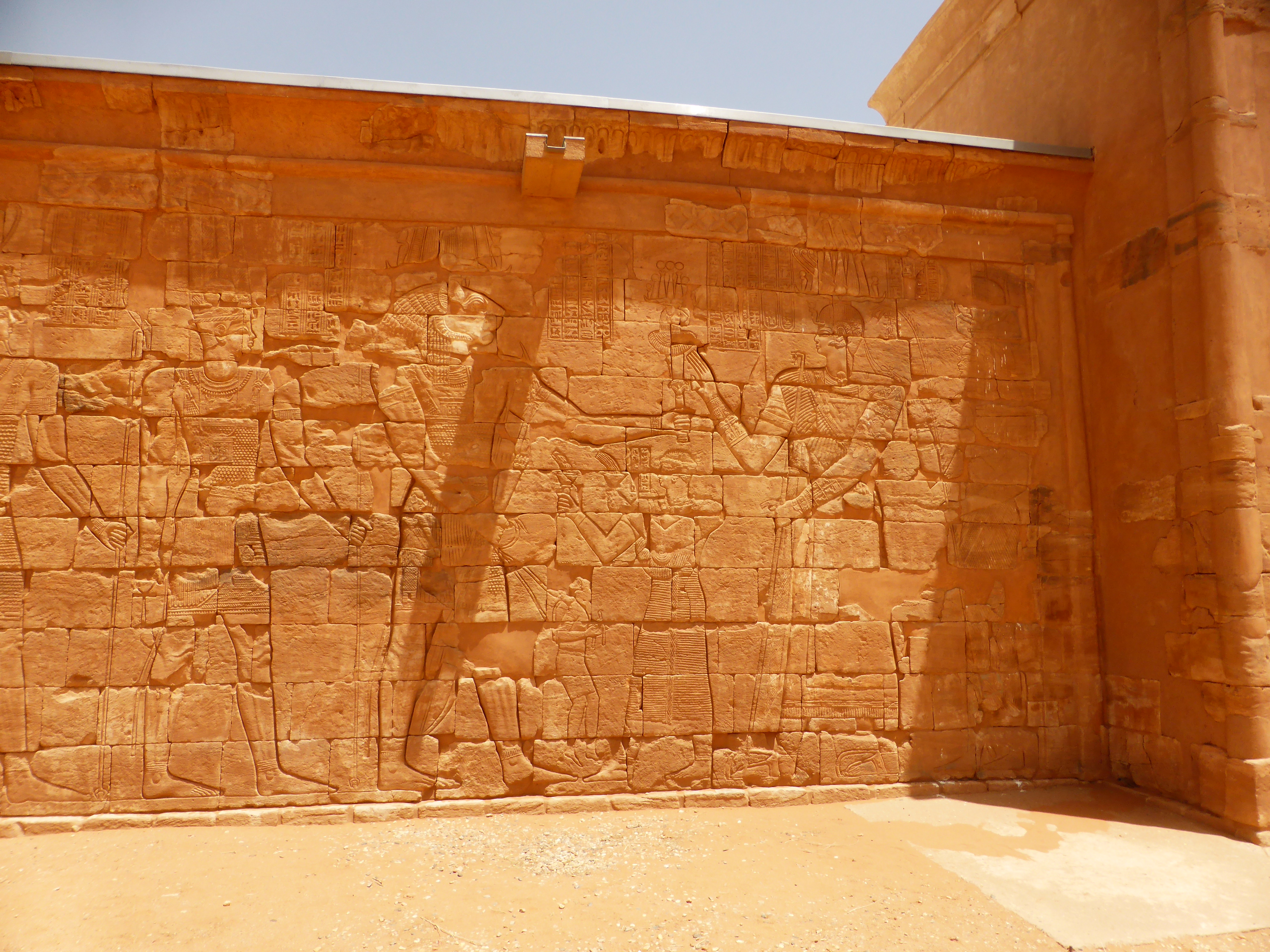
Large Meroitic temple complex in Sudan
El-Kurru
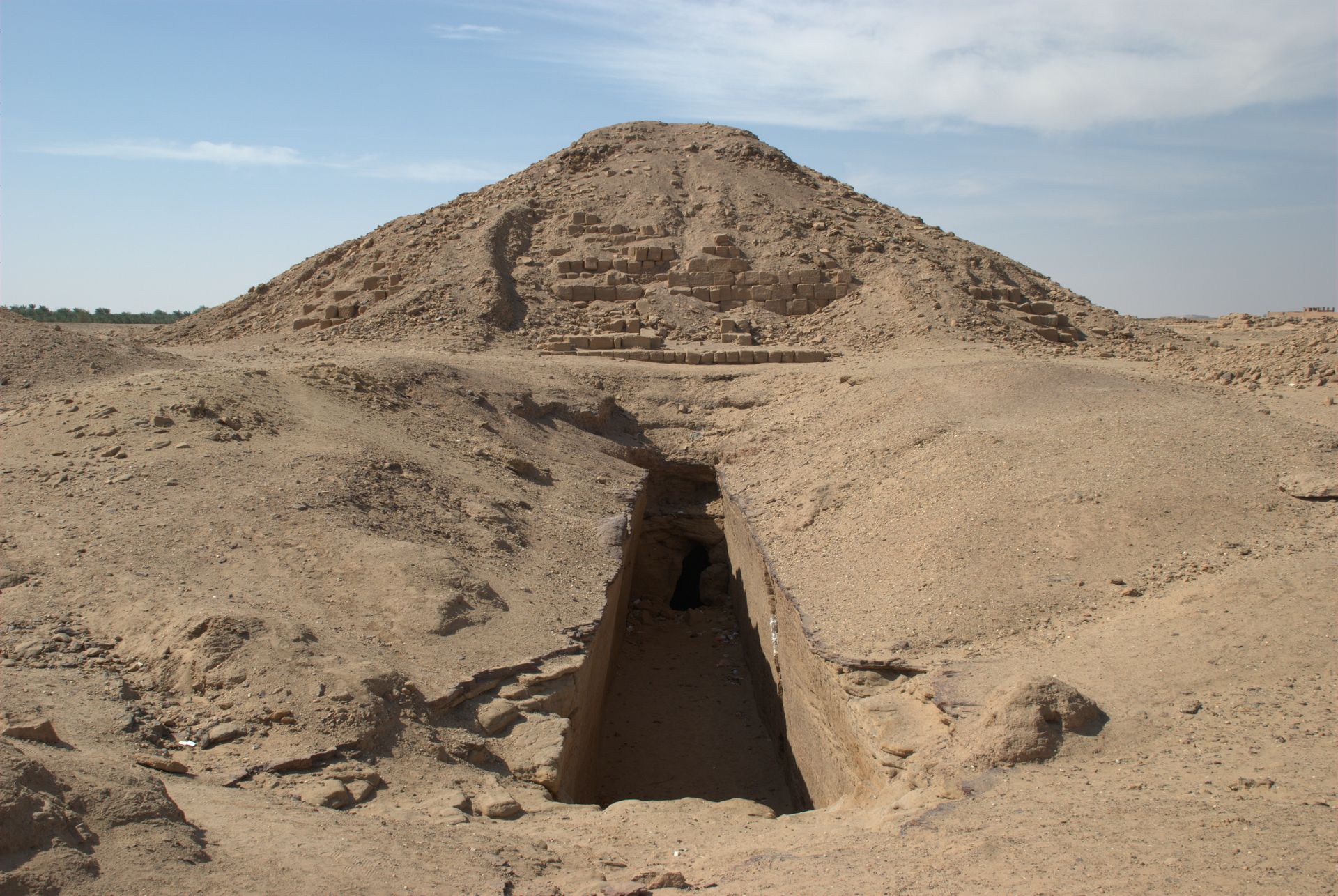
Nubian pyramids and tombs in Sudan
Tabo (Nubia)
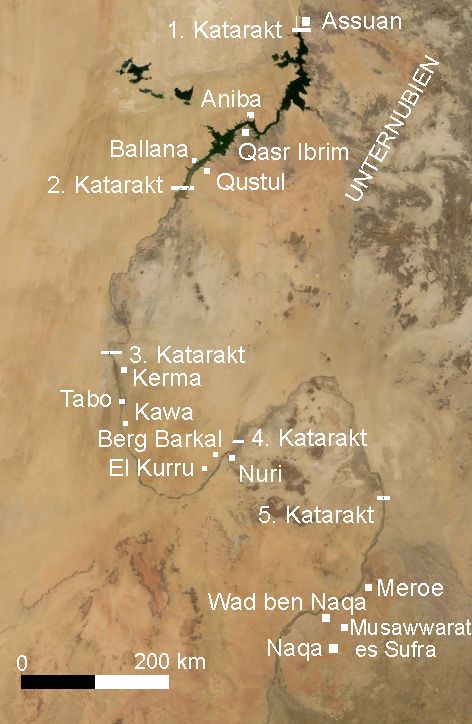
Large damaged Amun temple in Nubia.
Zuma, Sudan
Ancient tumuli field with distinct grave types.
Debeira
Nubian necropolis and medieval town remains