Explore the Map
Jebel Moya
13.5000° N, 33.3333° E
About
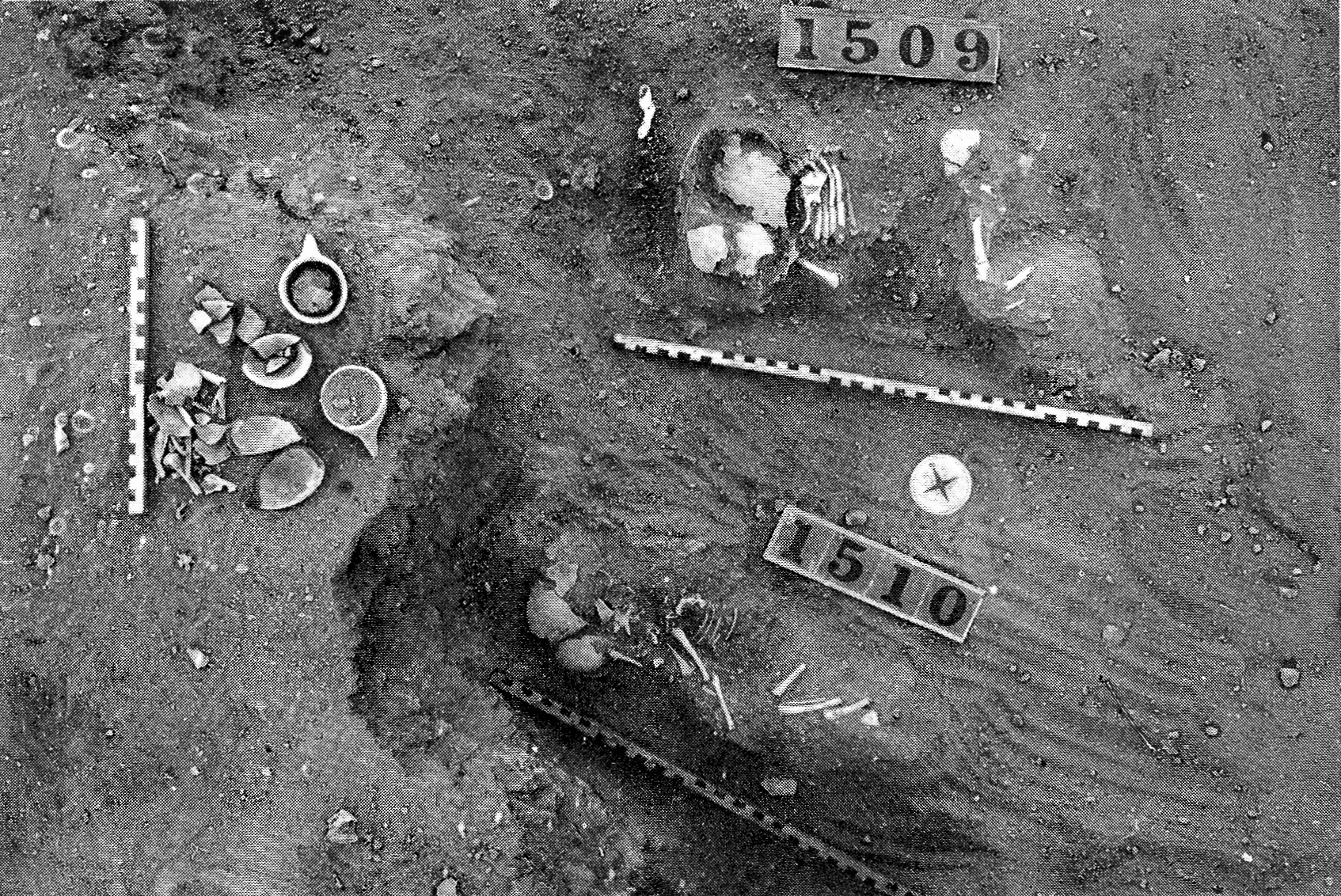
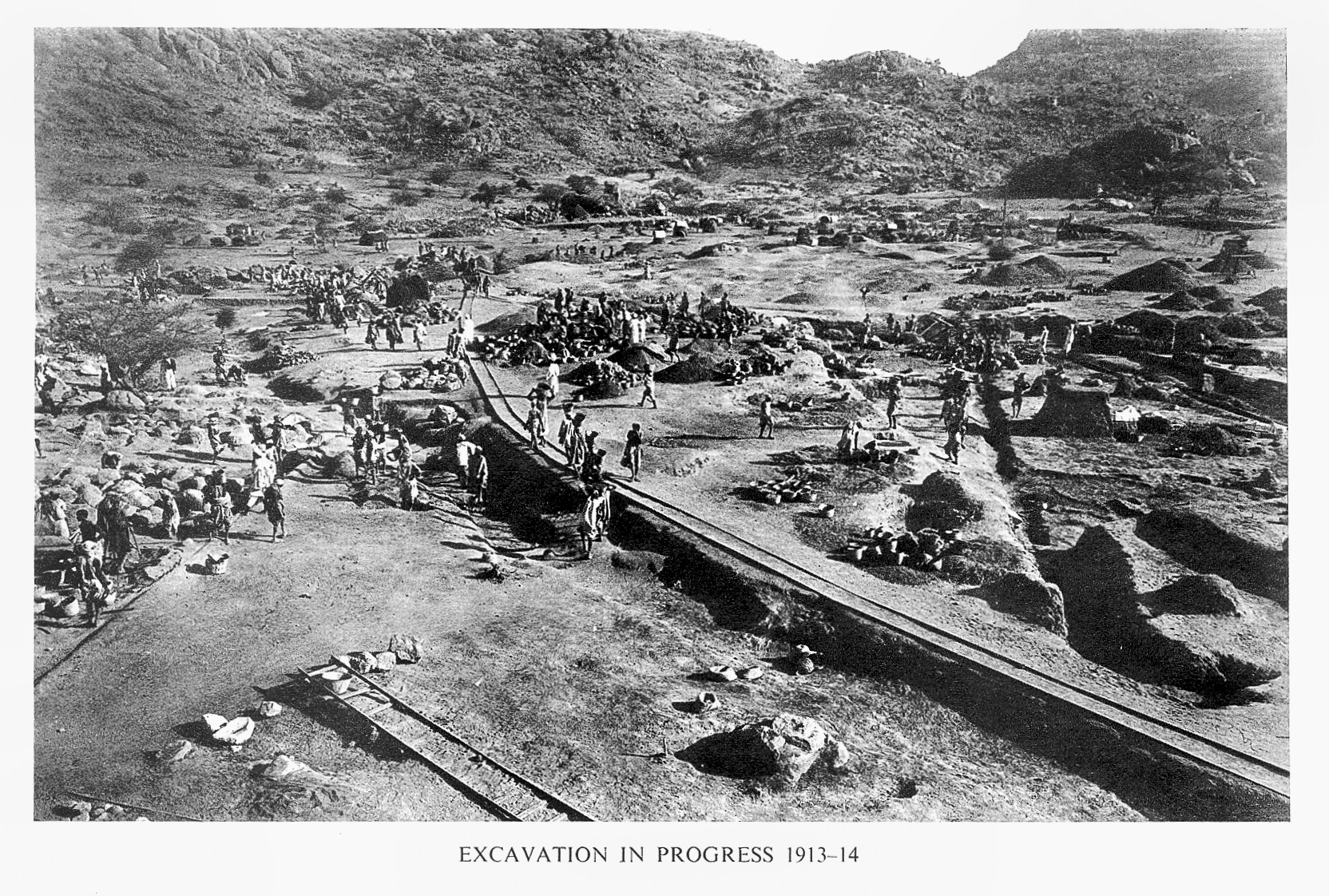
Jebel Moya, located in the southern Gezira Plain of Sudan, is a significant archaeological site known for its extensive pastoralist cemetery with over 3,000 burials. Spanning from the Neolithic to the Late Classical Period, the site reflects a long history of occupation and cultural exchange. Initial occupations date back to around 5000 BCE, with evidence of Dotted Wavy Line pottery. The main occupation began around 2300 BCE, marking the start of extensive burial activities. The site features graves, hearths, ovens, and animal pens, indicating a complex socio-economic structure. The presence of trade items such as metals and pottery from different regions illustrates Jebel Moya's role in ancient trade networks. The site was likely abandoned around 500 CE, possibly due to shifts in trade and social networks. Jebel Moya remains a crucial site for understanding the prehistoric cultures of sub-Saharan Africa.
Gallery
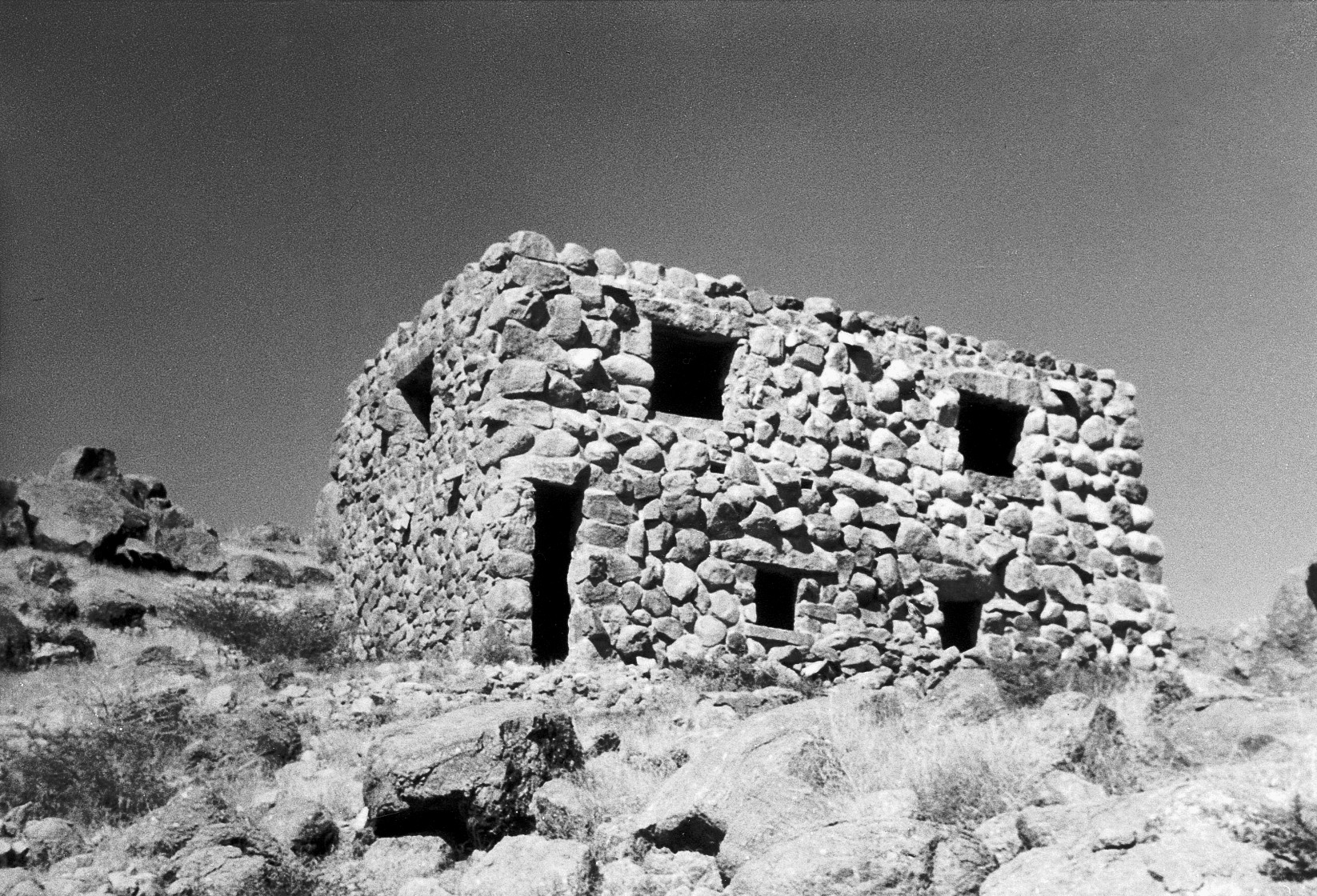
Explore photographs of ancient structures, artifacts, and archaeological excavations
Historical Timeline
Journey through time and discover key events in this site's history
Initial occupation
5000 BCE
Cemetery usage begins
2300 BCE
Major burial phase
800 BCE
Trade and cultural exchange
100 BCE
Site abandonment
500 CE
Archaeological Features
Unique architectural and cultural elements found at this historical site
Animal Husbandry Features
Burial and Funerary Structures
Agricultural and Land Use Features
Food Production and Processing Features
Plan Your Visit
Tours, travel arrangements, and practical information
More Sites in Sudan
Jebel Barkal
Mesa with temples and pyramids in Sudan.
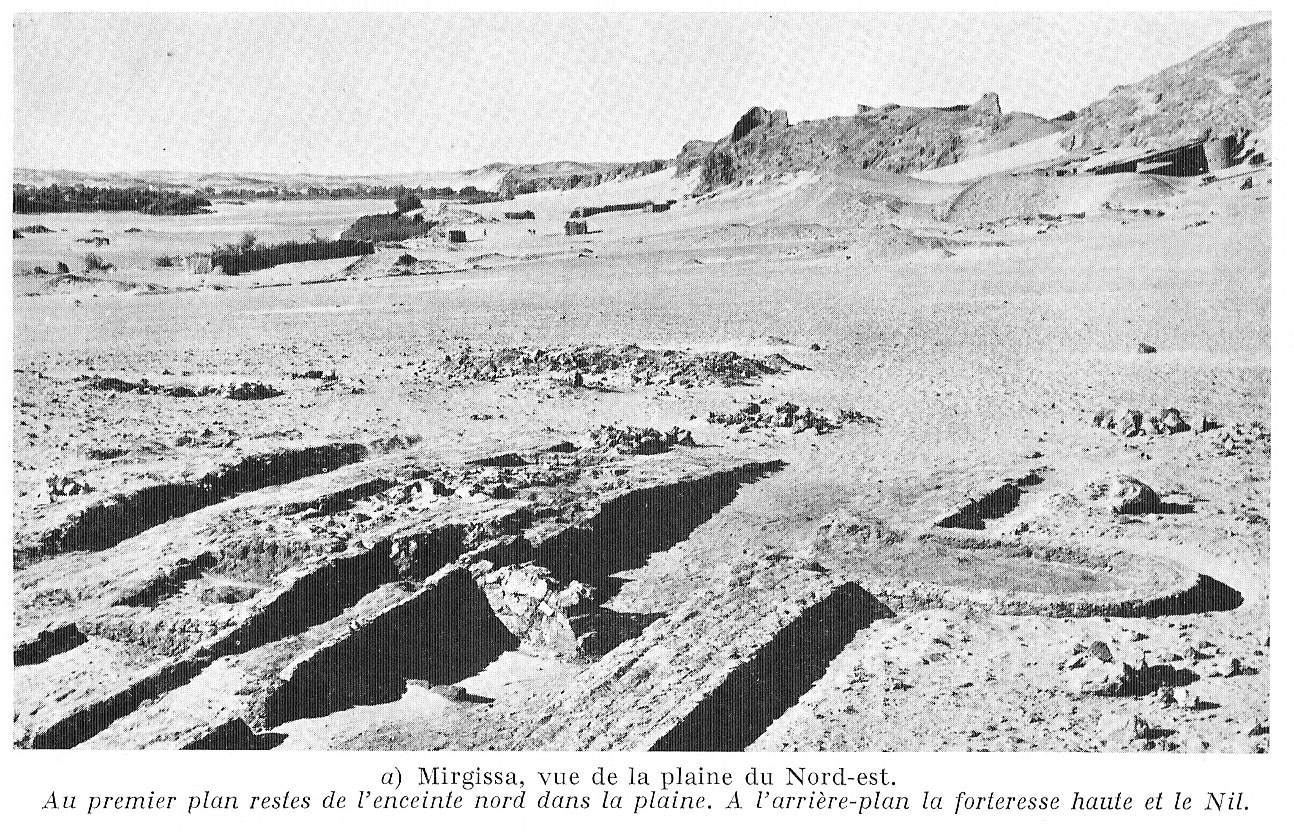
Mirgissa
Fortified Nubian settlement with large fortress.
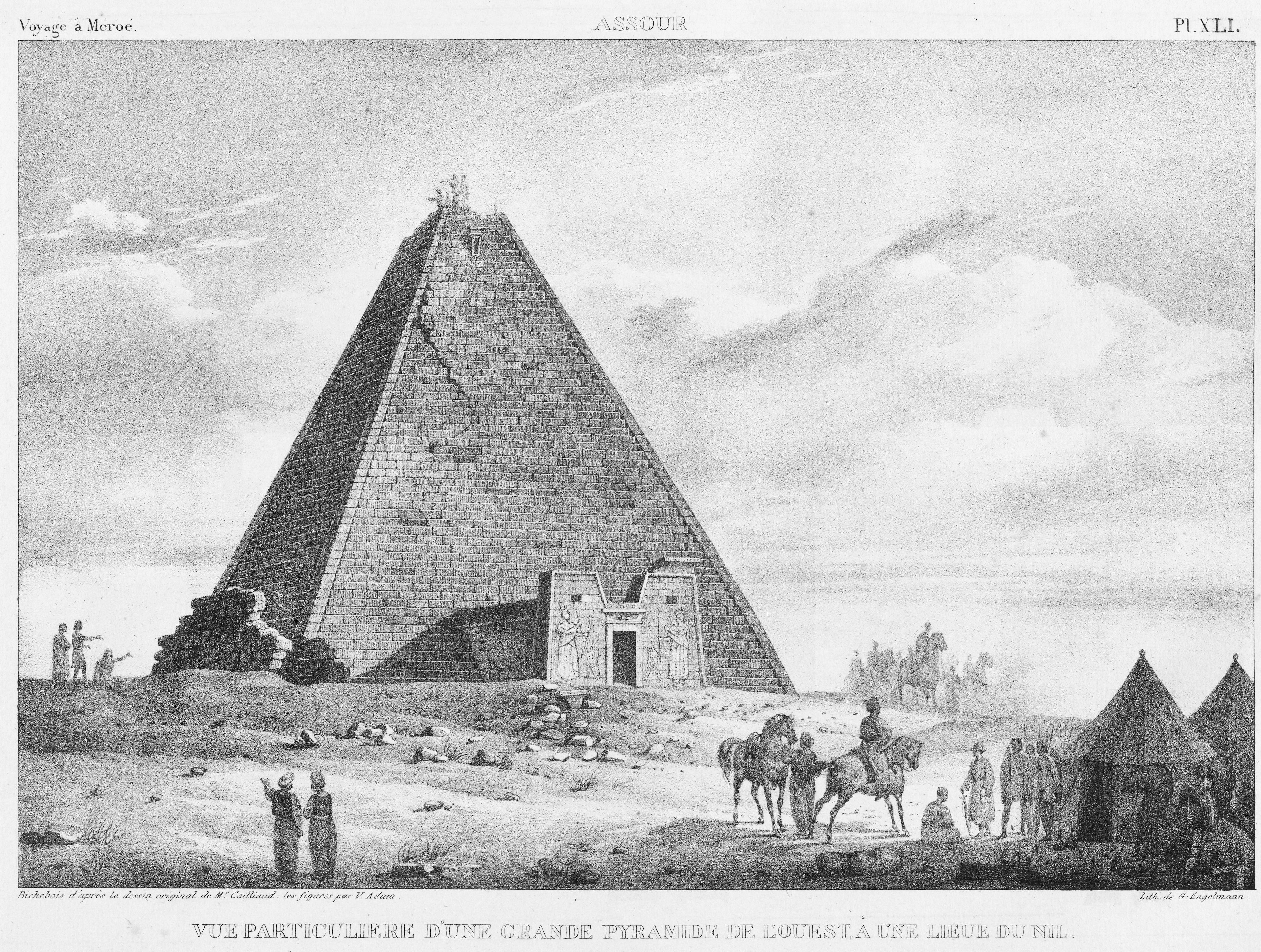
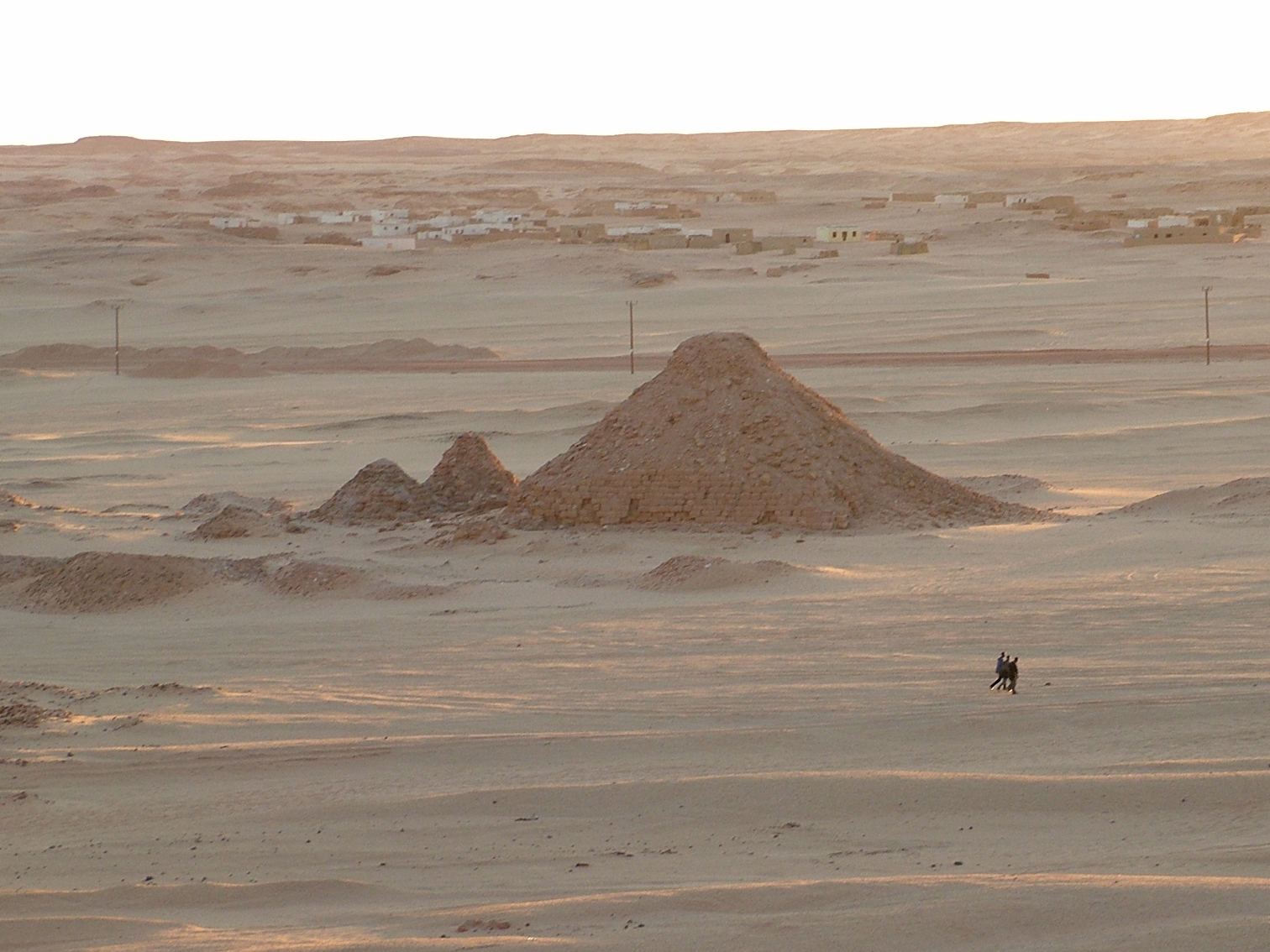
Nubian pyramids
Tall, narrow stepped pyramids in Sudan.
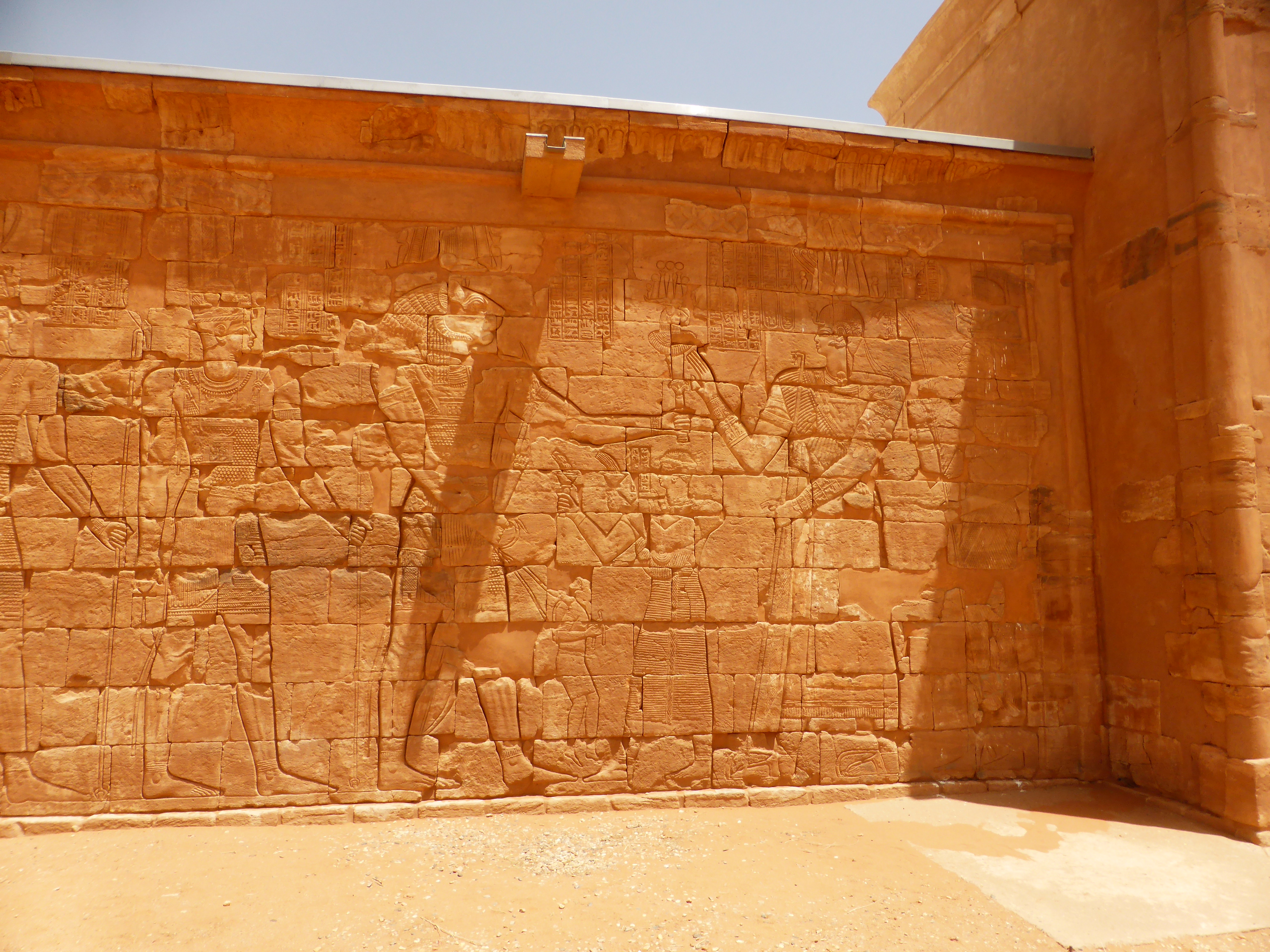
Musawwarat es-Sufra
Large Meroitic temple complex in Sudan
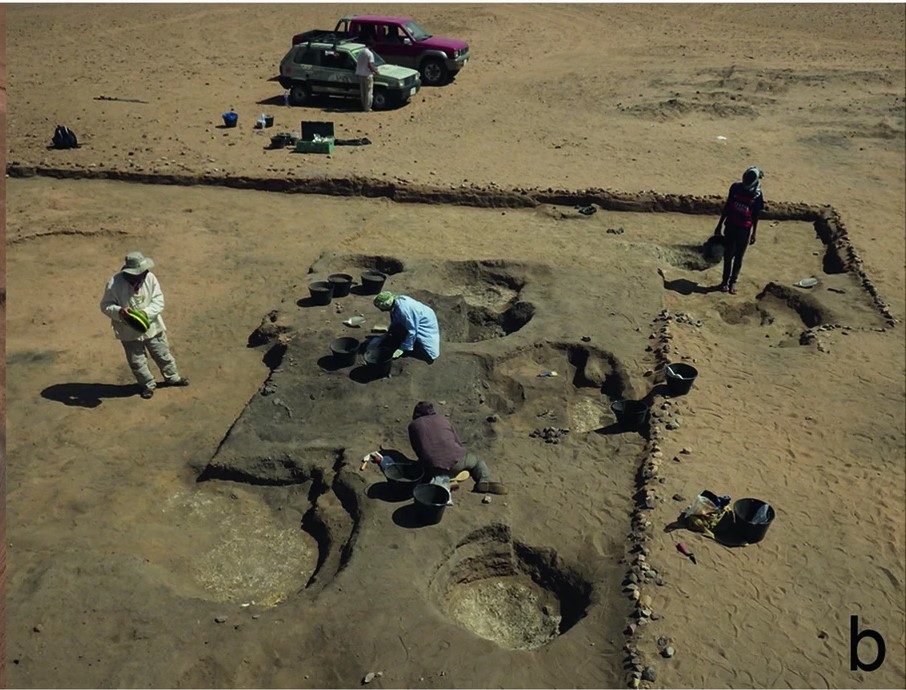
Al-Khiday
Multi-period cemetery site near White Nile
El-Hobagi
Post-Meroitic tumuli with weapons and vessels