Time Periods
Paleolithic
Mesolithic
Neolithic
Chalcolithic
Bronze Age
Iron Age
Classical Period
Post-Classical Period
Early Modern Period
Industrial Period
Contemporary Period
Time Periods
Paleolithic
Mesolithic
Neolithic
Chalcolithic
Bronze Age
Iron Age
Classical Period
Post-Classical Period
Early Modern Period
Industrial Period
Contemporary Period
Location
About
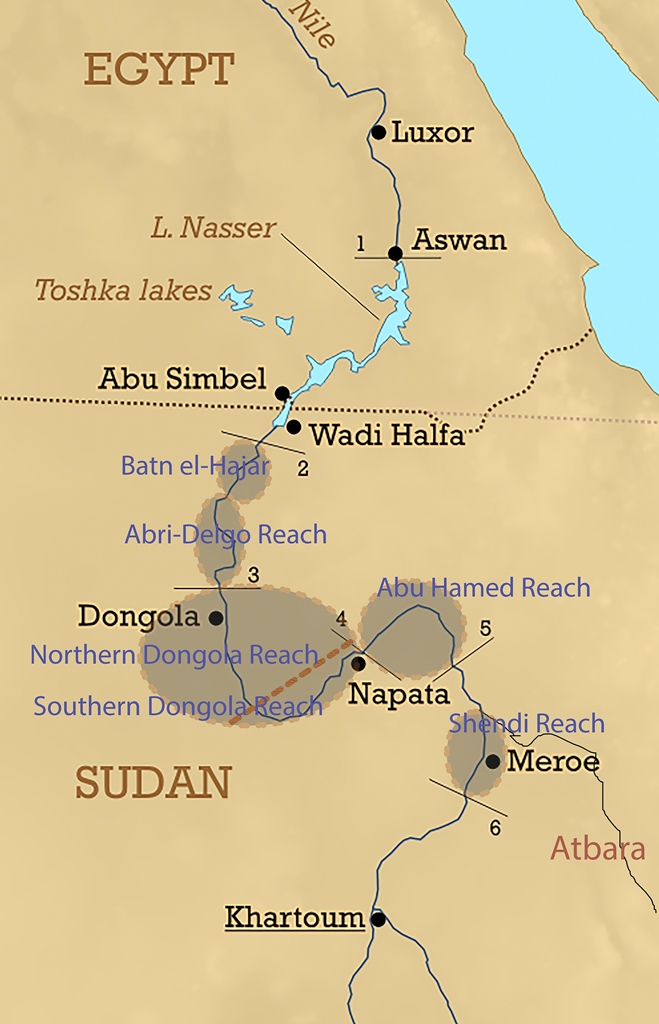
Batn-El-Hajar, meaning 'Belly of Stones,' is a significant archaeological region spanning about 160 kilometers along the Nile in present-day Sudan. Known for its harsh, granite-rich landscape, it historically marked the border between Upper and Lower Nubia. The area's archaeological significance is underscored by the presence of important A-Group and Meroitic sites. The A-Group culture, dating back to the 4th millennium BCE, reflects early Nubian settlements, while the Meroitic period, starting around the 3rd century BCE, highlights the region's role in the larger Nubian kingdom's history. Despite its inhospitable nature, Batn-El-Hajar provides valuable insights into ancient Nubian culture and the adaptations of its people to challenging environments.
Gallery
Explore photographs of ancient structures, artifacts, and archaeological excavations at Batn-El-Hajar
Archaeological Features
Explore the unique architectural and cultural elements found at this historical site
Burial and Funerary Structures
Historical Timeline
Journey through time and discover key events in this site's archaeological history
Plan Your Visit
Details
- Country
- Sudan
- Source
- Wikipedia
More Sites in Sudan
Faras
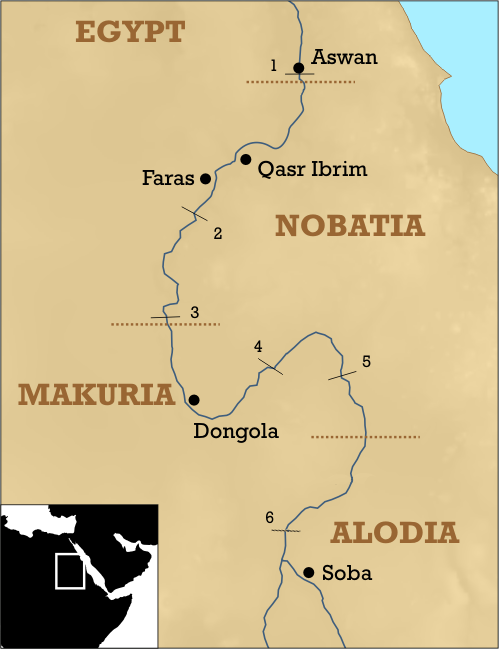
Underwater city with Christian cathedral art.
Jebel Moya
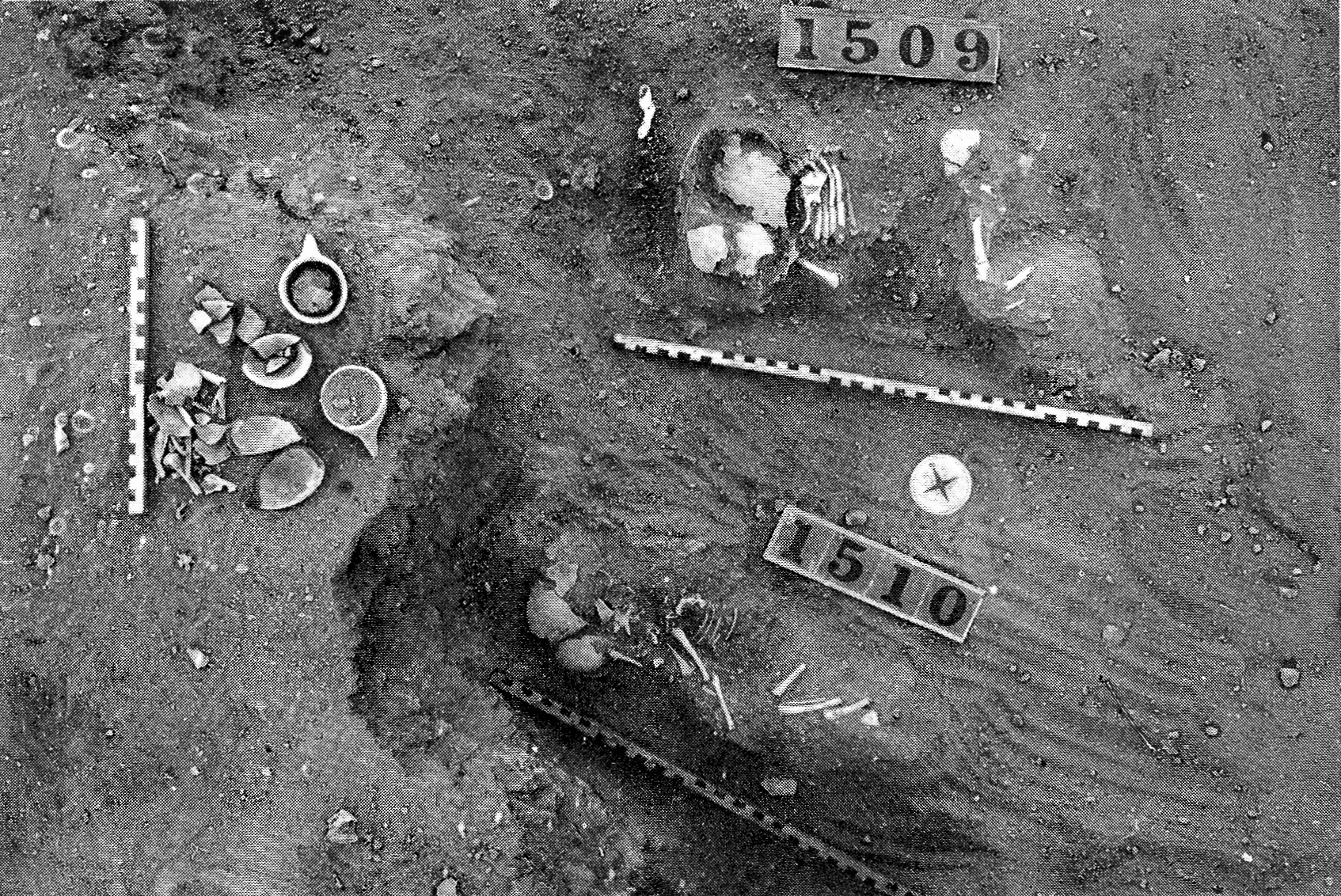
Large pastoralist cemetery with 3,000 burials.
Umm Ruweim
Two Meroitic forts near Nile's Fourth Cataract
Amara, Nubia
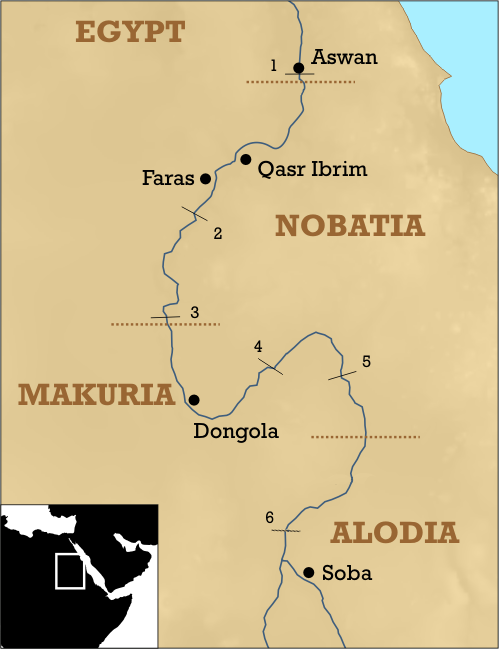
Ancient Egyptian city with temples and fortifications

Sabu-Jaddi
Ancient rock art along Nile in Sudan
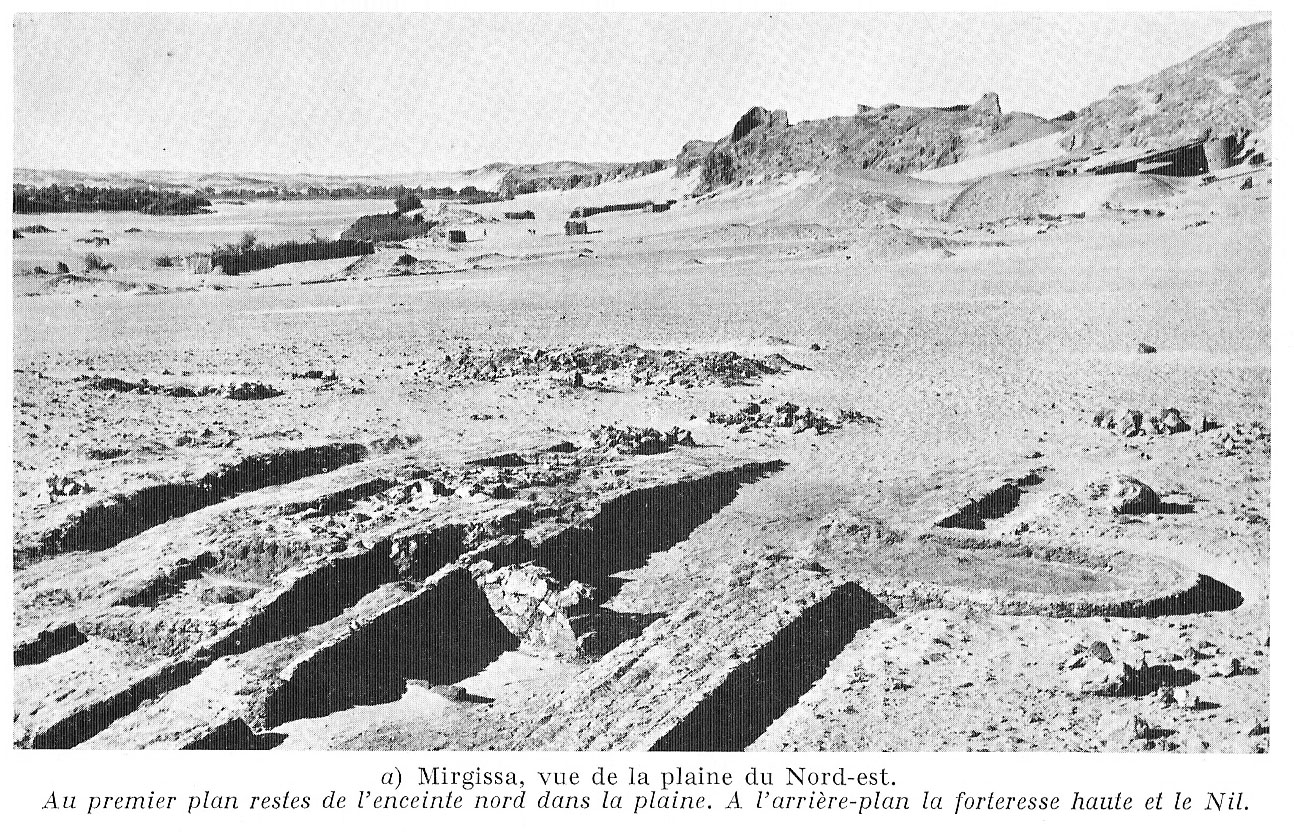
Mirgissa
Fortified Nubian settlement with large fortress.