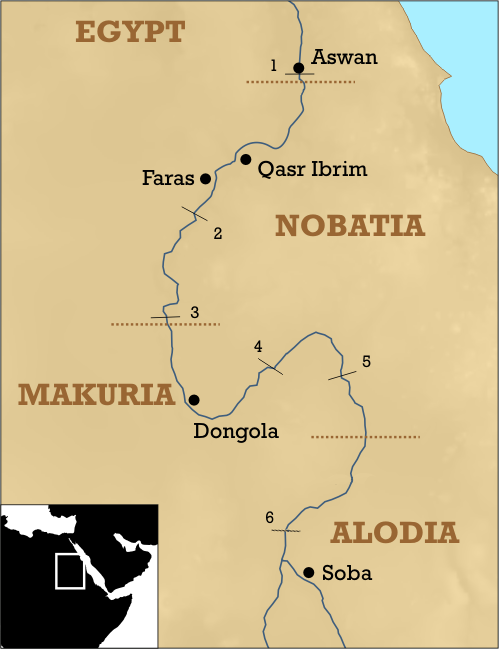
Explore the Map
Amara, Nubia
20.8333° N, 30.3833° E
About
Amara, divided into Amara West and Amara East, is an ancient Egyptian city situated in Nubia, present-day Sudan. The site holds significant archaeological importance, with Amara West established during the 19th Dynasty under Seti I, serving as an administrative center with a fortified city layout. A prominent temple dedicated to Ramesses II was excavated here, indicating the site's religious significance. Amara East, known as Pedeme during the Meroitic period, featured a temple built by Natakamani, showcasing the architectural and cultural influences of the time. The site reflects various historical phases, from Egyptian rule to Meroitic significance, offering insights into the region's ancient civilization dynamics.
Gallery
Explore photographs of ancient structures, artifacts, and archaeological excavations
Historical Timeline
Journey through time and discover key events in this site's history
Foundation by Seti I
13th century BCE
Construction of Temple of Ramesses II
13th century BCE
Meroitic Period Significance
1st century BCE - 4th century CE
Archaeological Features
Unique architectural and cultural elements found at this historical site
Defensive Structures
Religious and Ritual Structures
Domestic and Habitation Structures
Plan Your Visit
Tours, travel arrangements, and practical information
More Sites in Sudan
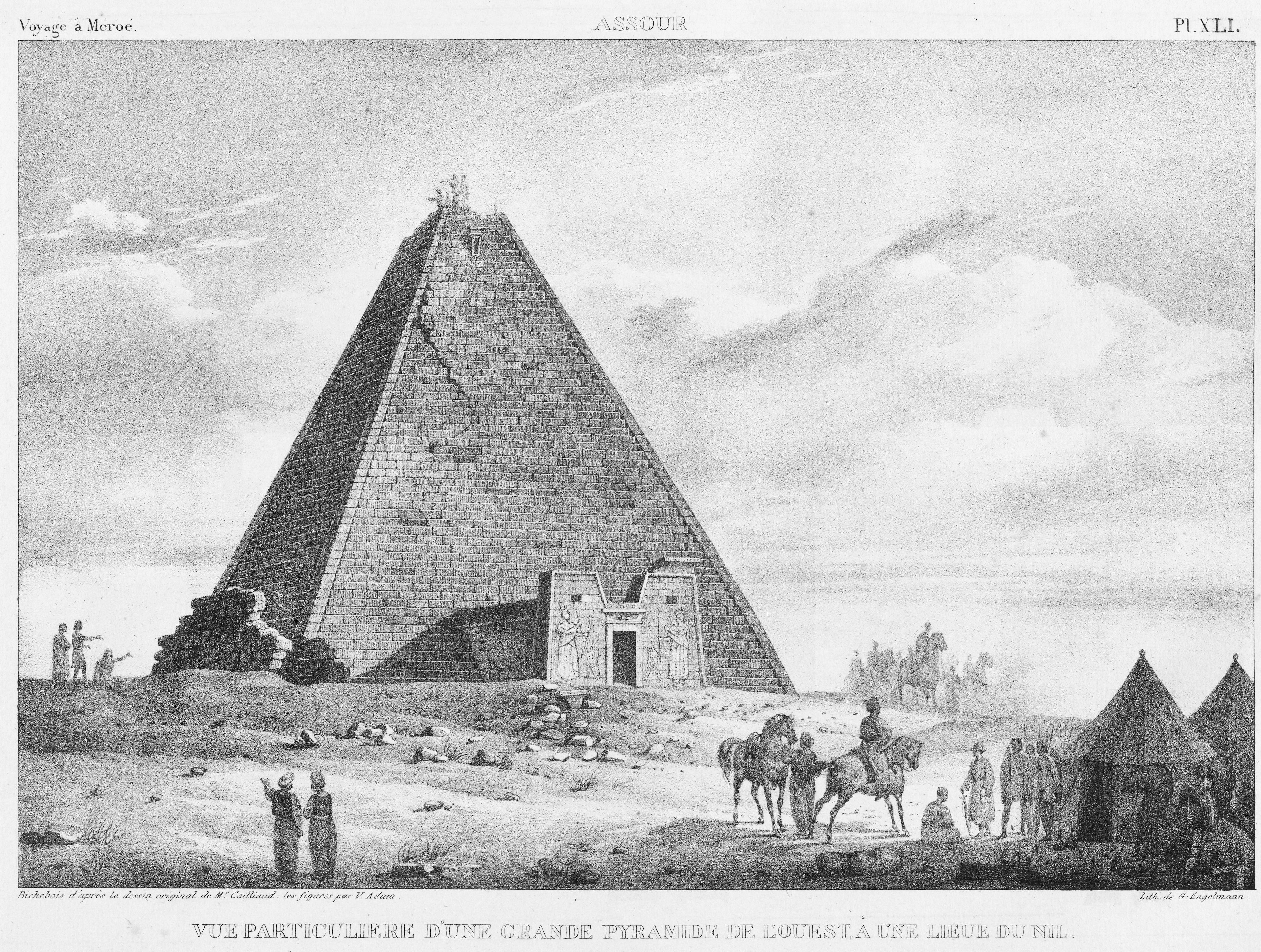
Nubian pyramids
Tall, narrow stepped pyramids in Sudan.
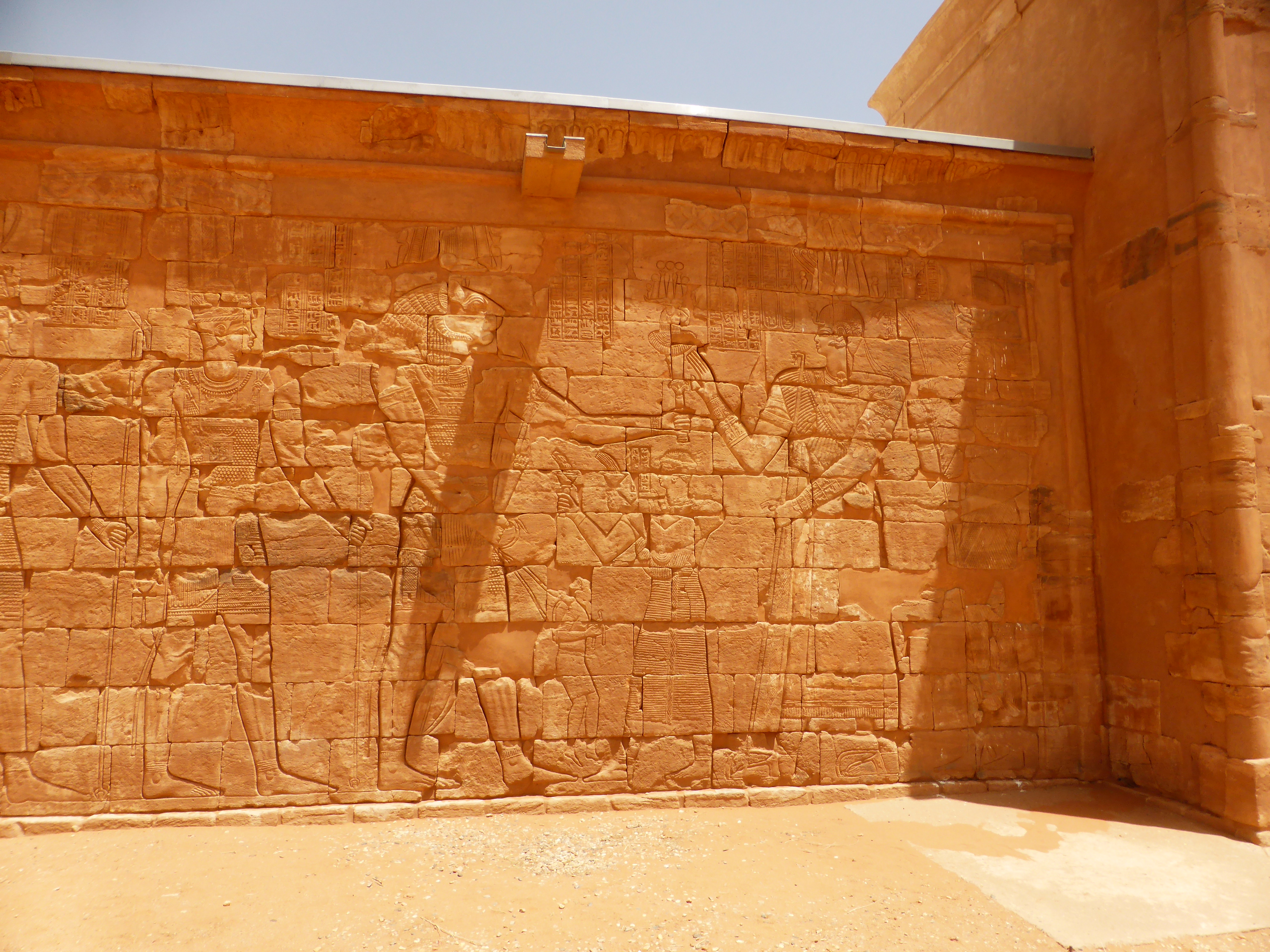
Musawwarat es-Sufra
Large Meroitic temple complex in Sudan
El-Hobagi
Post-Meroitic tumuli with weapons and vessels
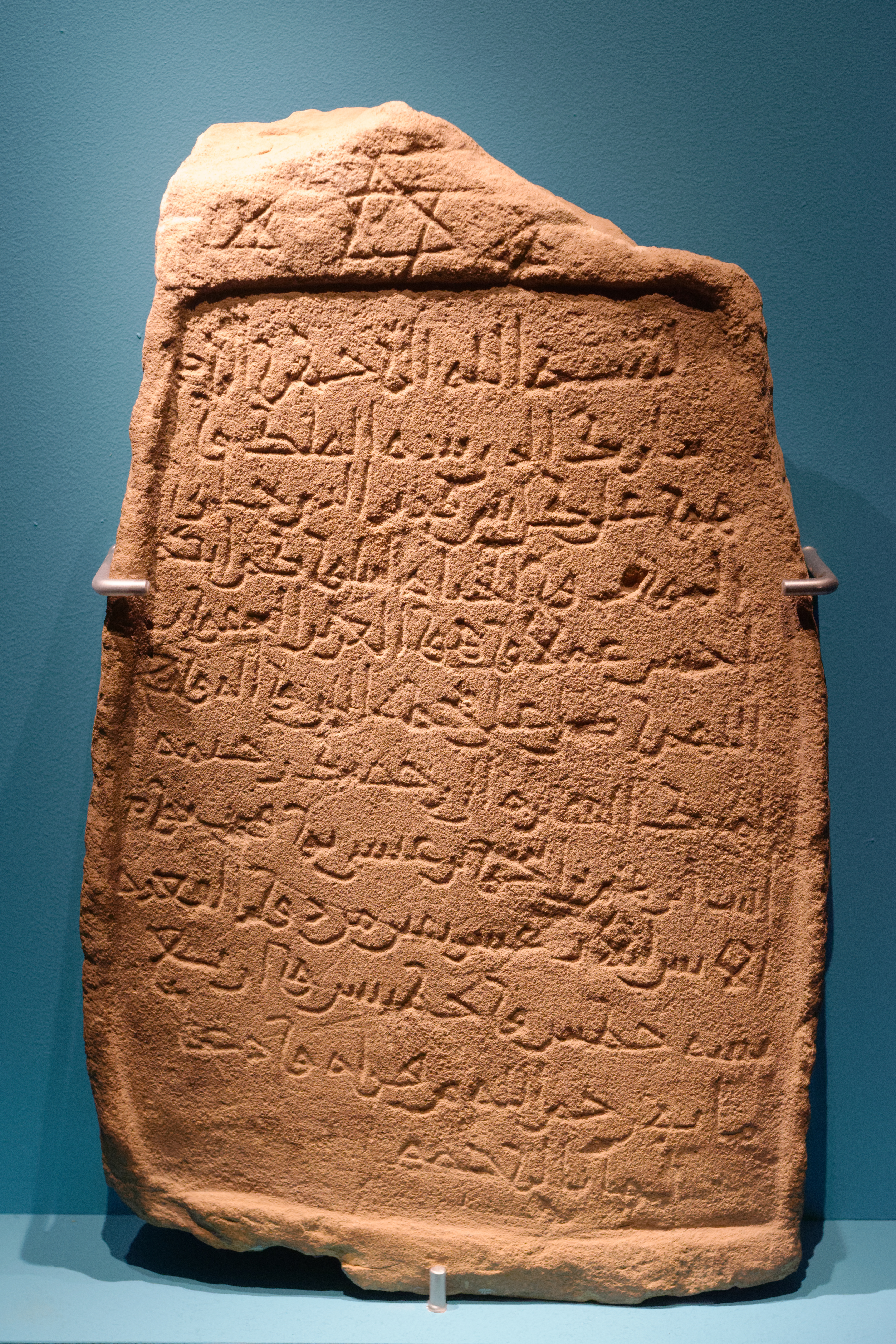
Meinarti
Stratified archaeological remains on Nile island
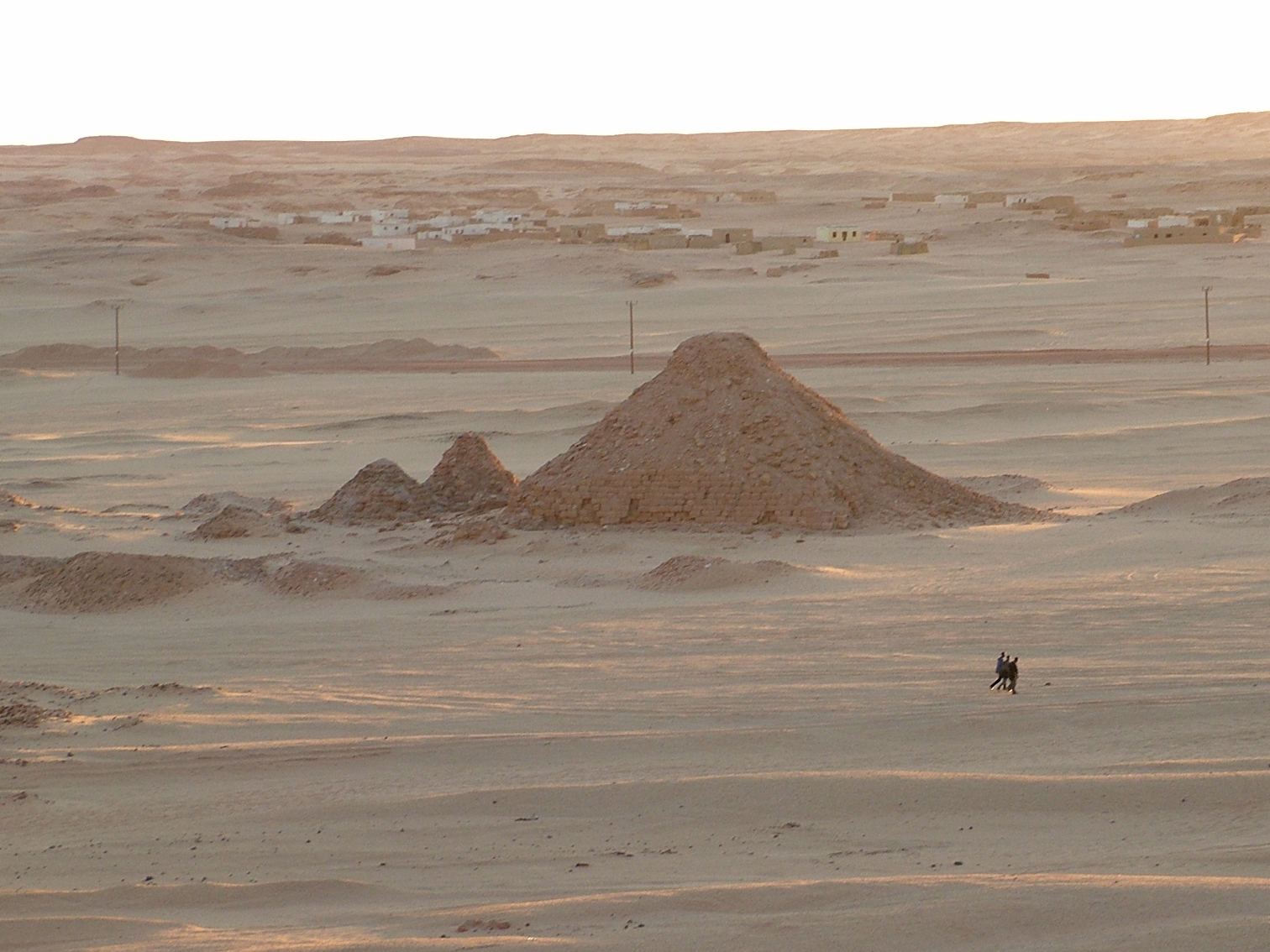
Jebel Barkal
Mesa with temples and pyramids in Sudan.
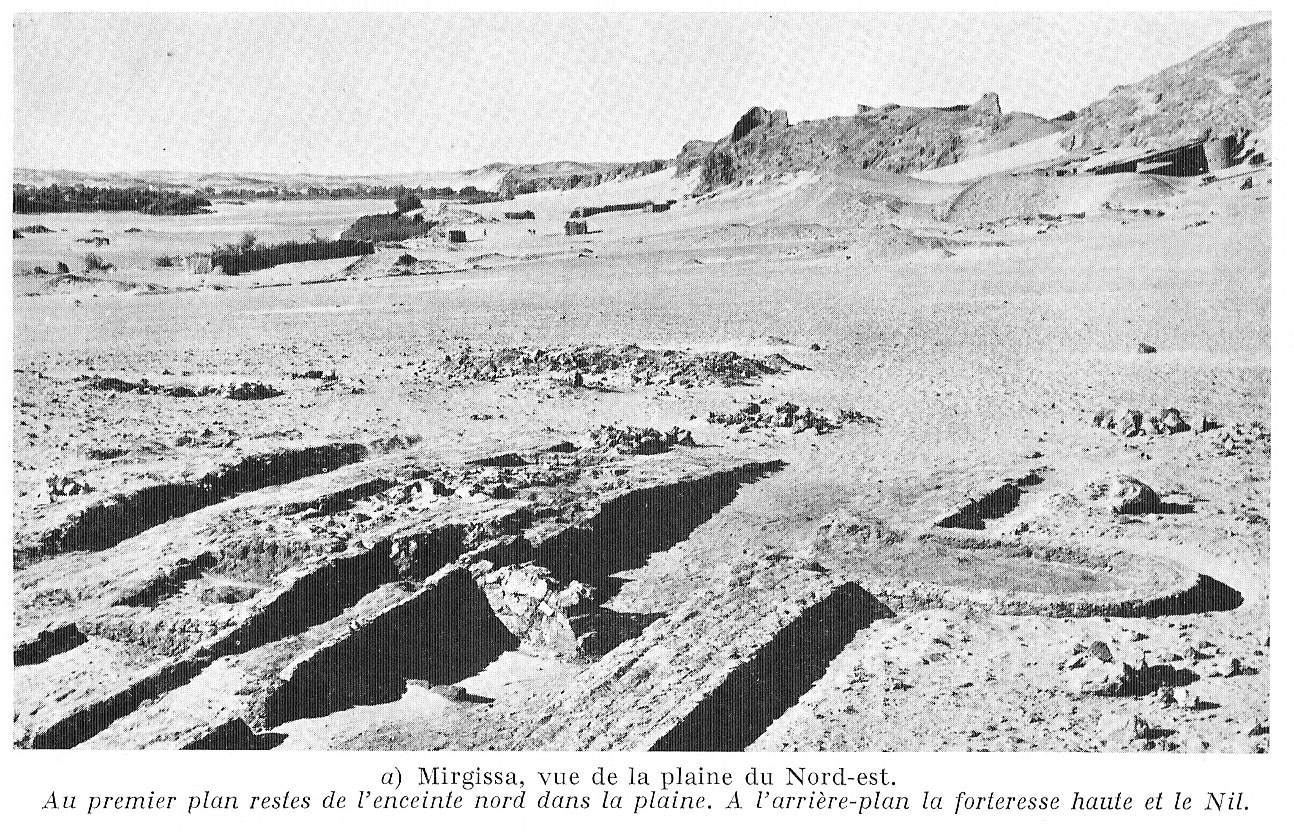
Mirgissa
Fortified Nubian settlement with large fortress.