Time Periods
Paleolithic
Mesolithic
Neolithic
Chalcolithic
Bronze Age
Iron Age
Classical Period
Post-Classical Period
Early Modern Period
Industrial Period
Contemporary Period
Time Periods
Paleolithic
Mesolithic
Neolithic
Chalcolithic
Bronze Age
Iron Age
Classical Period
Post-Classical Period
Early Modern Period
Industrial Period
Contemporary Period
Location
About
The archaeological site near Basa in Sudan is notable for its decayed temple built by Amanikhabale, a ruler of the Meroitic Kingdom. This temple, likely dedicated to the lion-headed warrior god Apedemak, reflects the religious and artistic accomplishments of the Meroitic peoples of Nubia. Excavations have revealed several significant artifacts, including large lion sculptures and a Roman-era limestone sundial, indicating the site's importance during the Late Iron Age and Classical Period. These findings contribute to our understanding of Meroitic religion and interaction with Roman culture. The temple's proximity to Meroë, a major center of the Meroitic civilization, underscores its significance as a religious and cultural landmark in ancient Nubia.
Archaeological Features
Explore the unique architectural and cultural elements found at this historical site
Religious and Ritual Structures
Artistic and Decorative Features
Astronomical and Timekeeping Structures
Historical Timeline
Journey through time and discover key events in this site's archaeological history
Plan Your Visit
Details
- Country
- Sudan
- Source
- Wikipedia
More Sites in Sudan
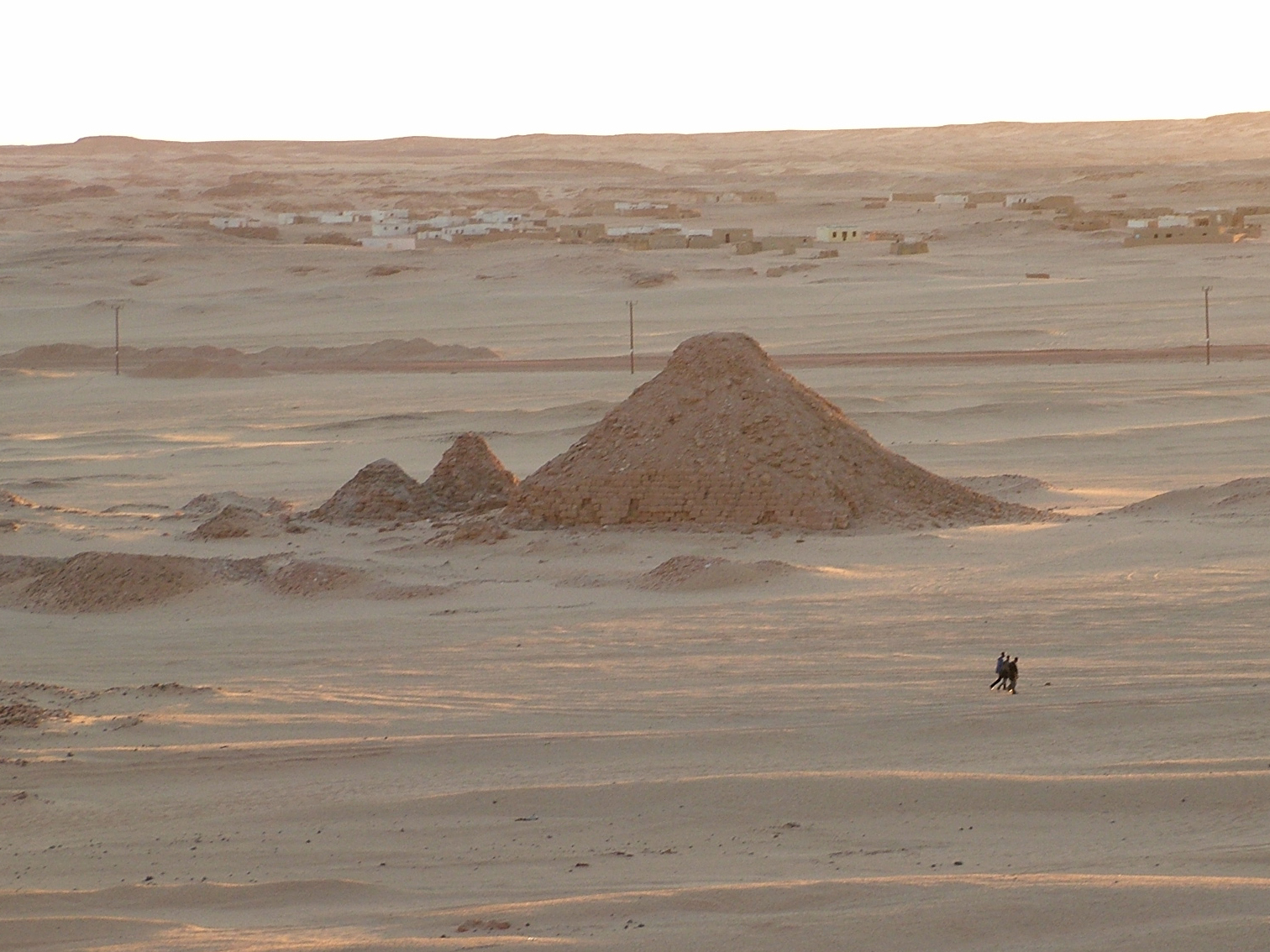
Jebel Barkal
Mesa with temples and pyramids in Sudan.
Umm Ruweim
Two Meroitic forts near Nile's Fourth Cataract
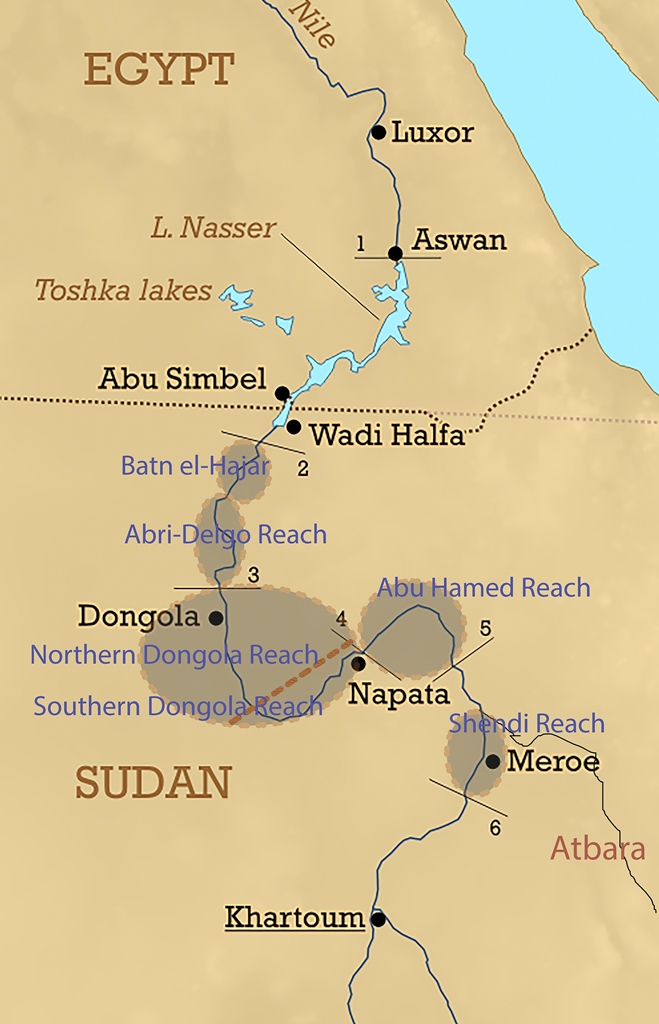
Batn-El-Hajar
Barren, granite-rich landscape with archaeological sites.
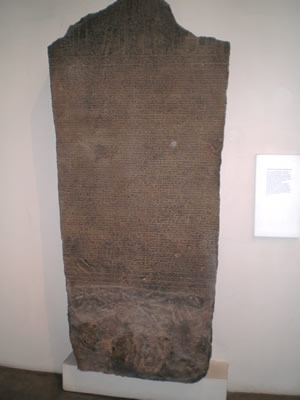
Hamadab
Ancient ruins with temple and houses
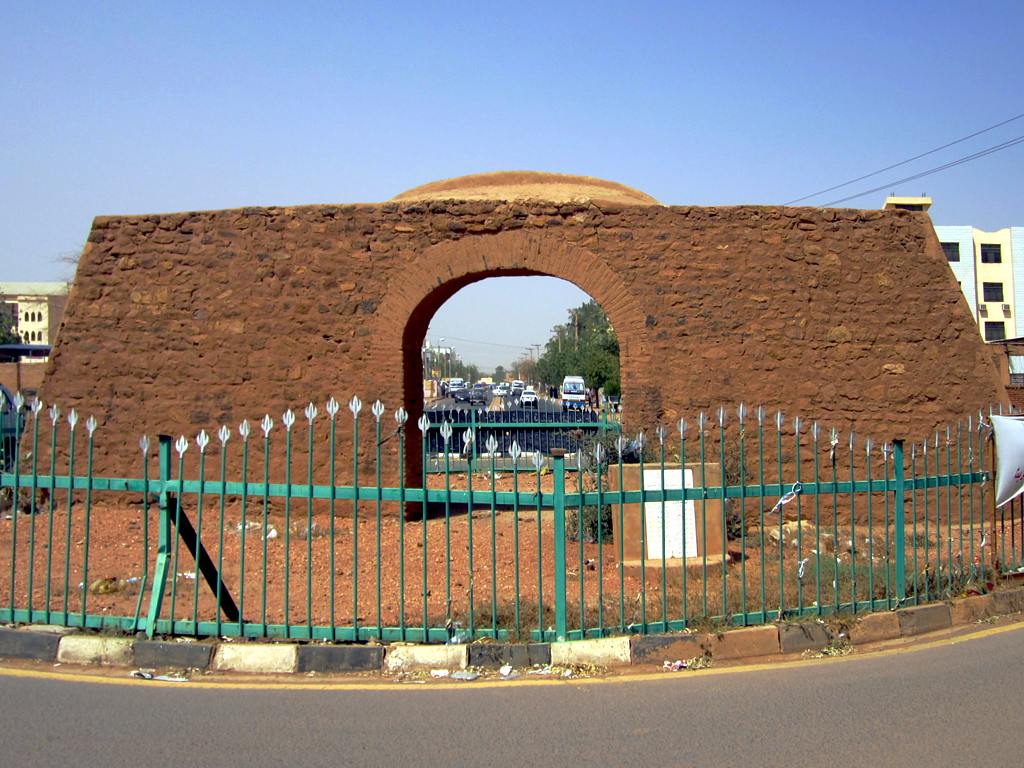
Almorada (Omdurman)
Prestigious ancient district with historical significance
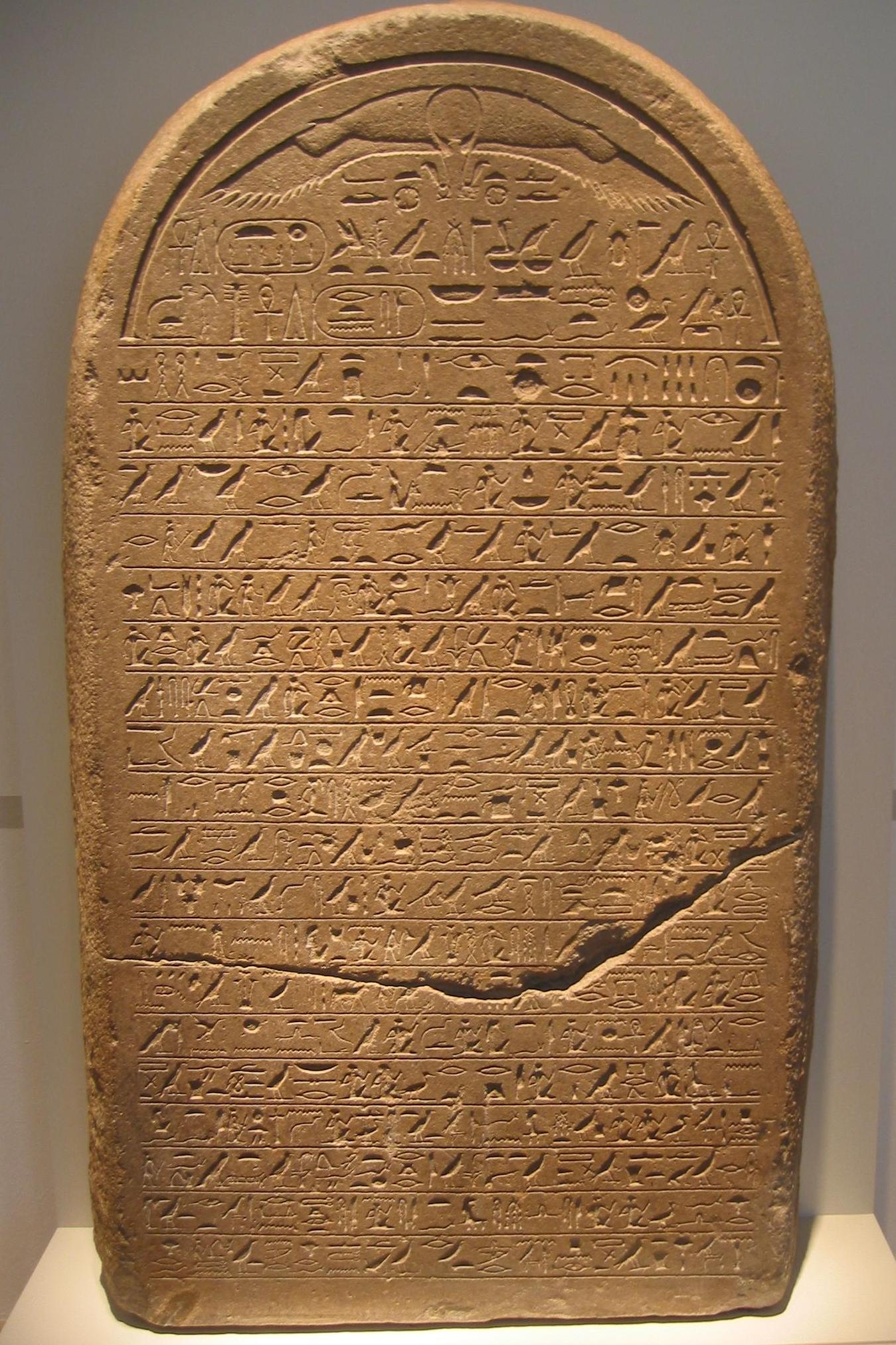
Semna (Nubia)
Middle Kingdom Egyptian fortresses in Nubia