
Explore the Map
Temple of Amun, Jebel Barkal
18.5353° N, 31.8306° E
About
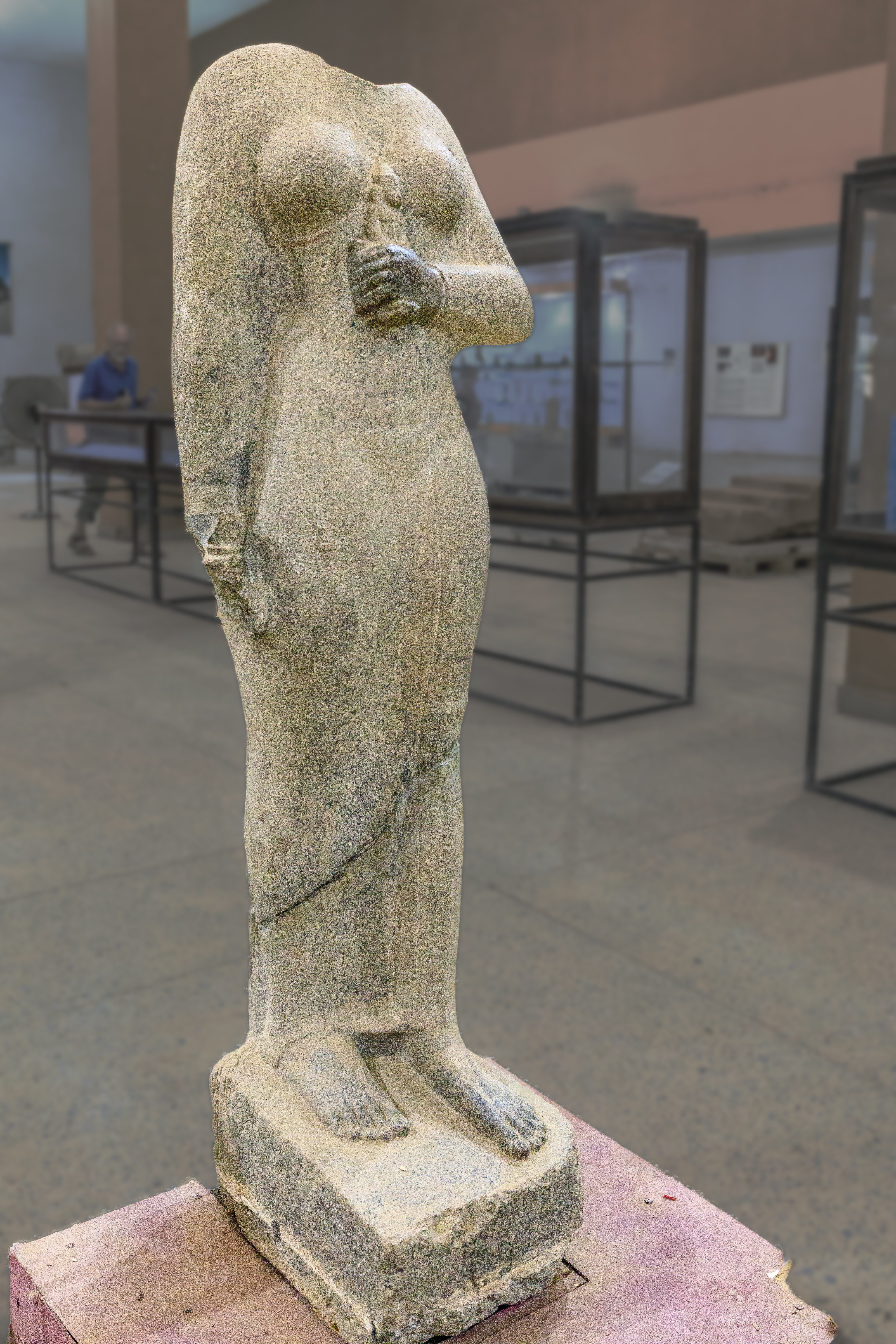
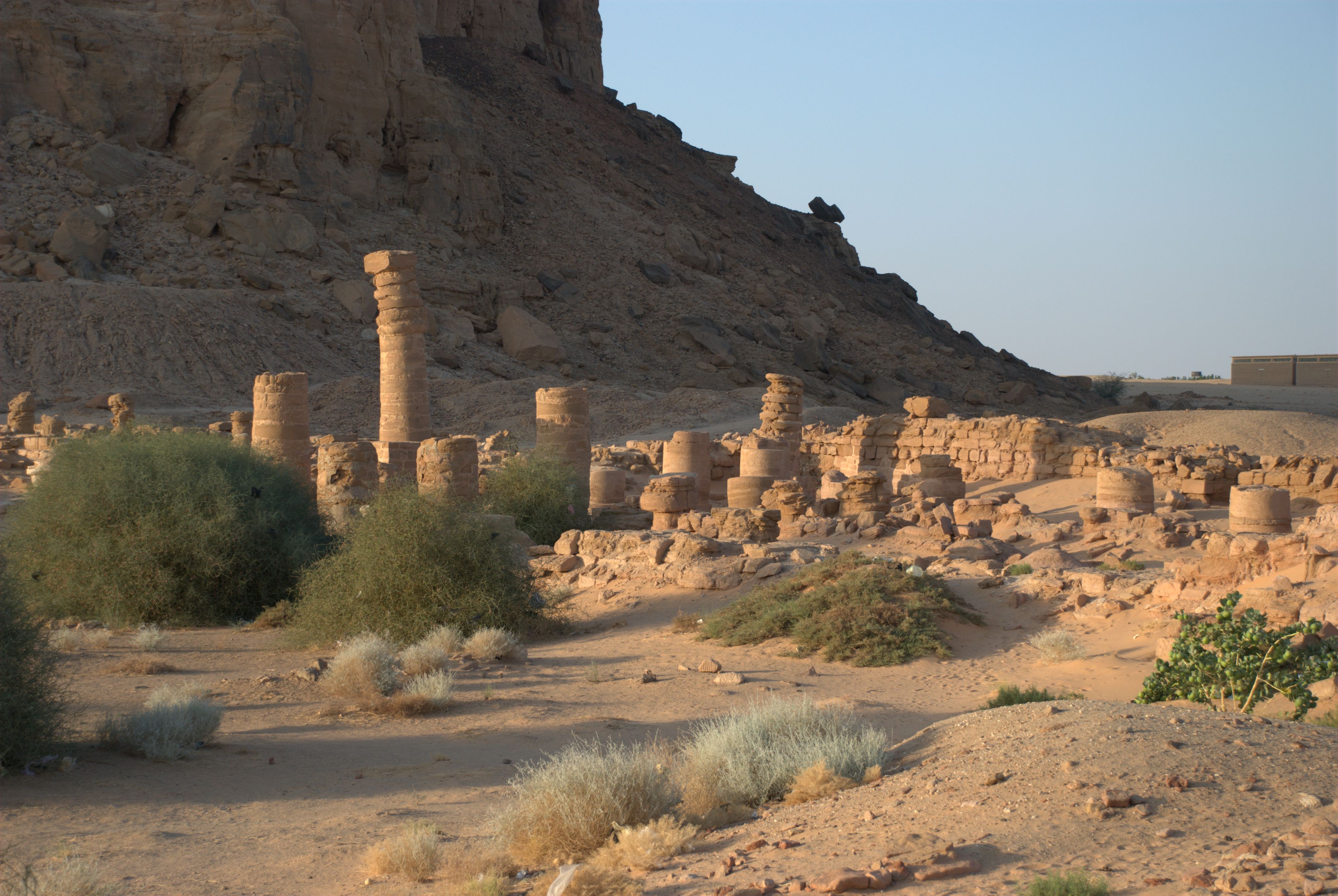
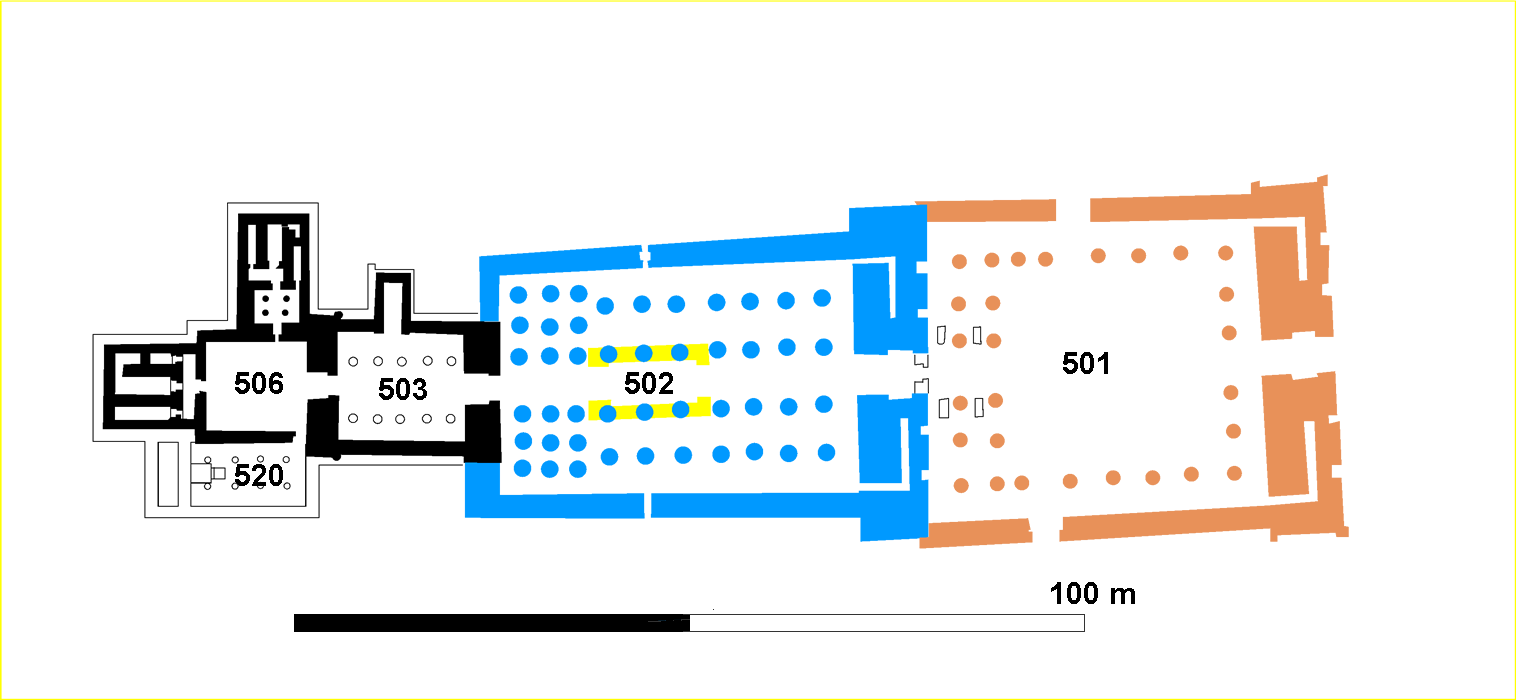
The Temple of Amun at Jebel Barkal is a significant archaeological site located in Northern State, Sudan, near a bend of the Nile River. This ancient temple complex was originally established in the 13th century BCE under the reign of Thutmose III and expanded during the reigns of subsequent rulers, including the Nubian king Piye in the 8th century BCE. It served as a vital religious center for both the Egyptian and Kushite empires, hosting ceremonies such as the coronation of kings. Despite suffering destruction during the Roman invasion in the 1st century BCE, it was restored by the Kushite king Natakamani. The temple's architecture evolved over time, reflecting shifts in religious practices, including the worship of the sun god Aten during the reign of Akhenaten. The site remains an emblem of the cultural and religious revival in Nubia, linking Egyptian and Nubian history.
Gallery
Explore photographs of ancient structures, artifacts, and archaeological excavations
Historical Timeline
Journey through time and discover key events in this site's history
Expansion by Piye
circa 740 BCE
Restoration by Natakamani
circa 1st century BCE
Roman Invasion
25/24 BCE
Construction under Thutmose III
circa 1279-1213 BCE
Archaeological Features
Unique architectural and cultural elements found at this historical site
Public and Civic Structures
Religious and Ritual Structures
Artistic and Decorative Features
Plan Your Visit
Tours, travel arrangements, and practical information
More Sites in Sudan
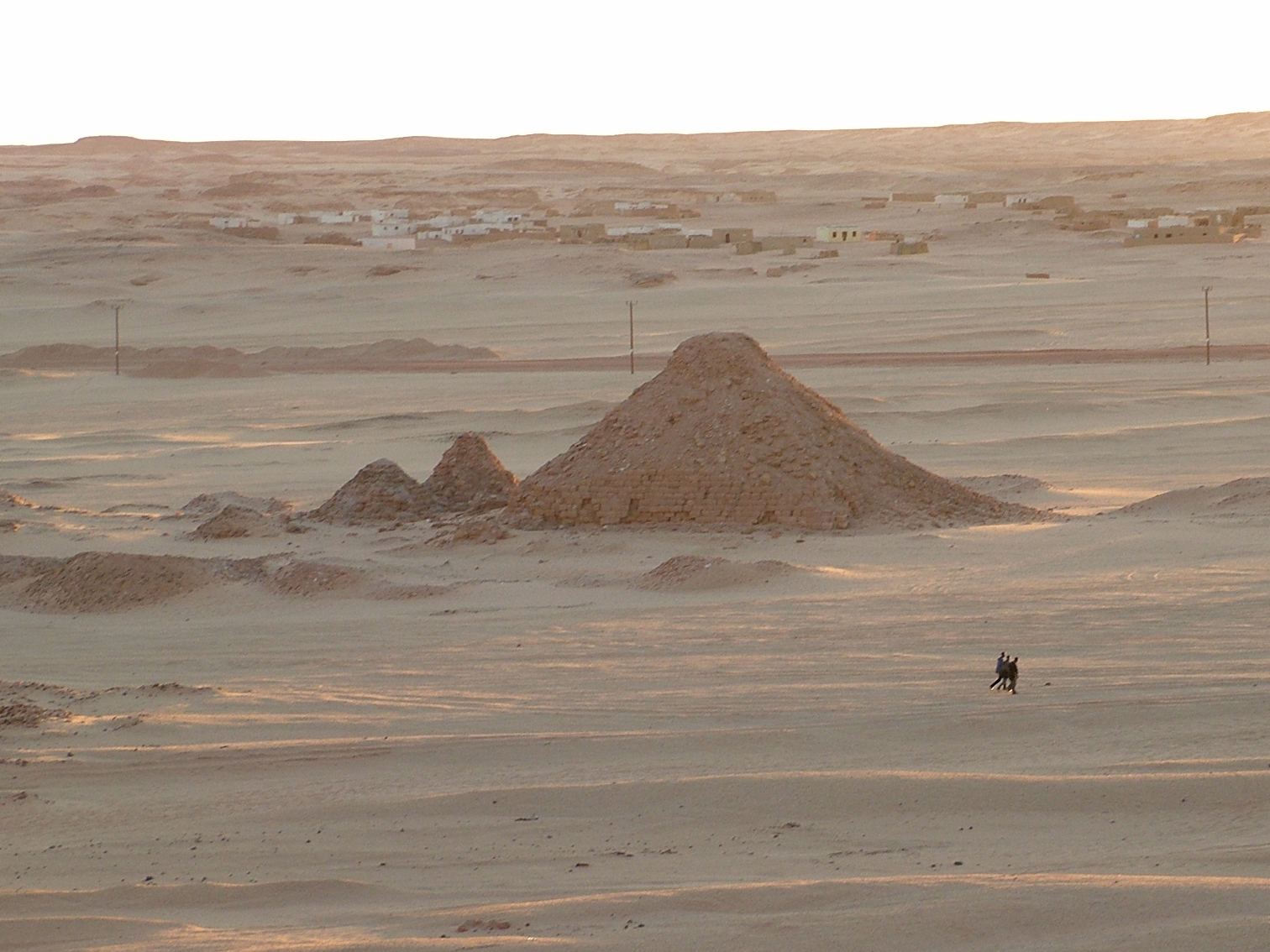
Jebel Barkal
Mesa with temples and pyramids in Sudan.
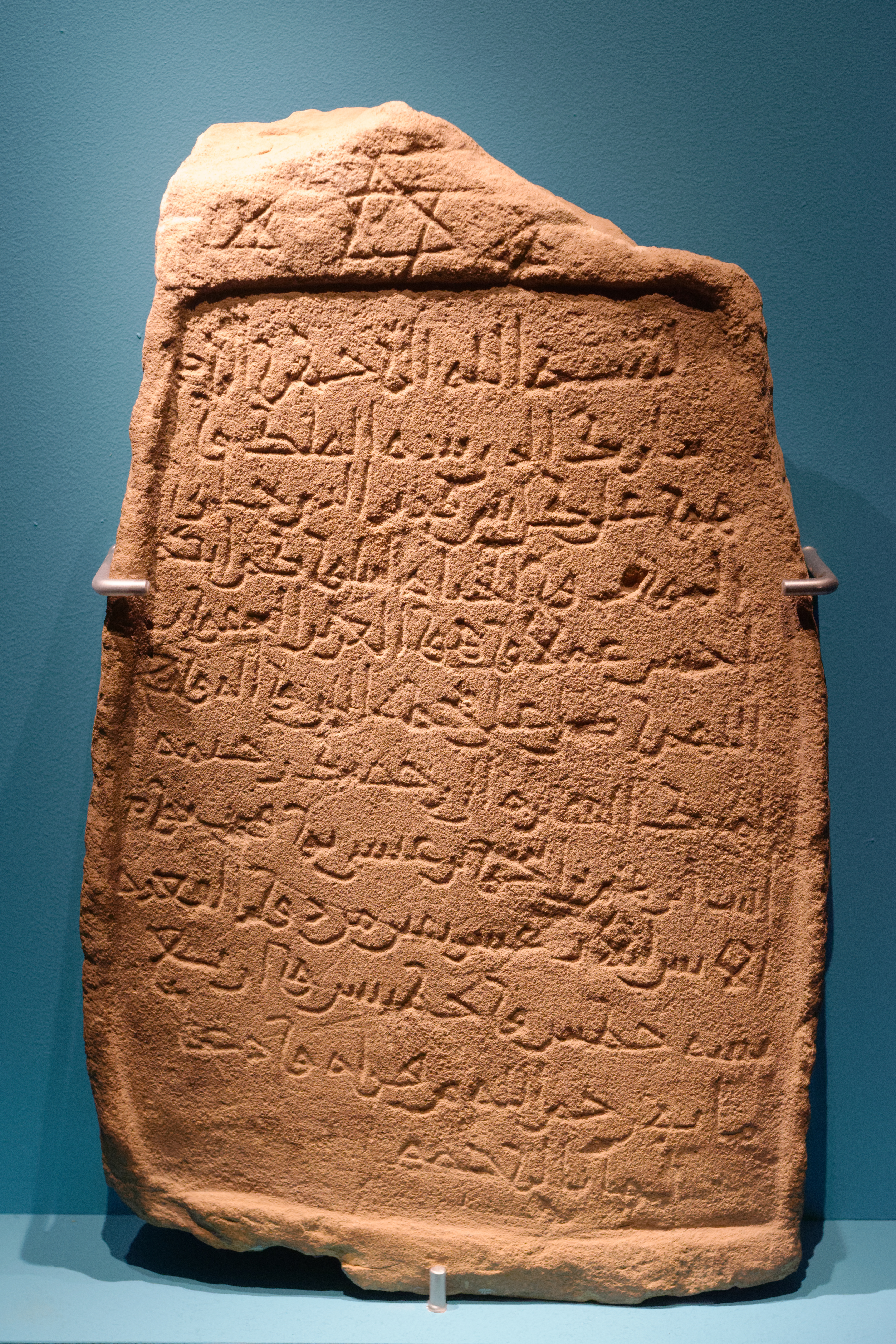
Meinarti
Stratified archaeological remains on Nile island
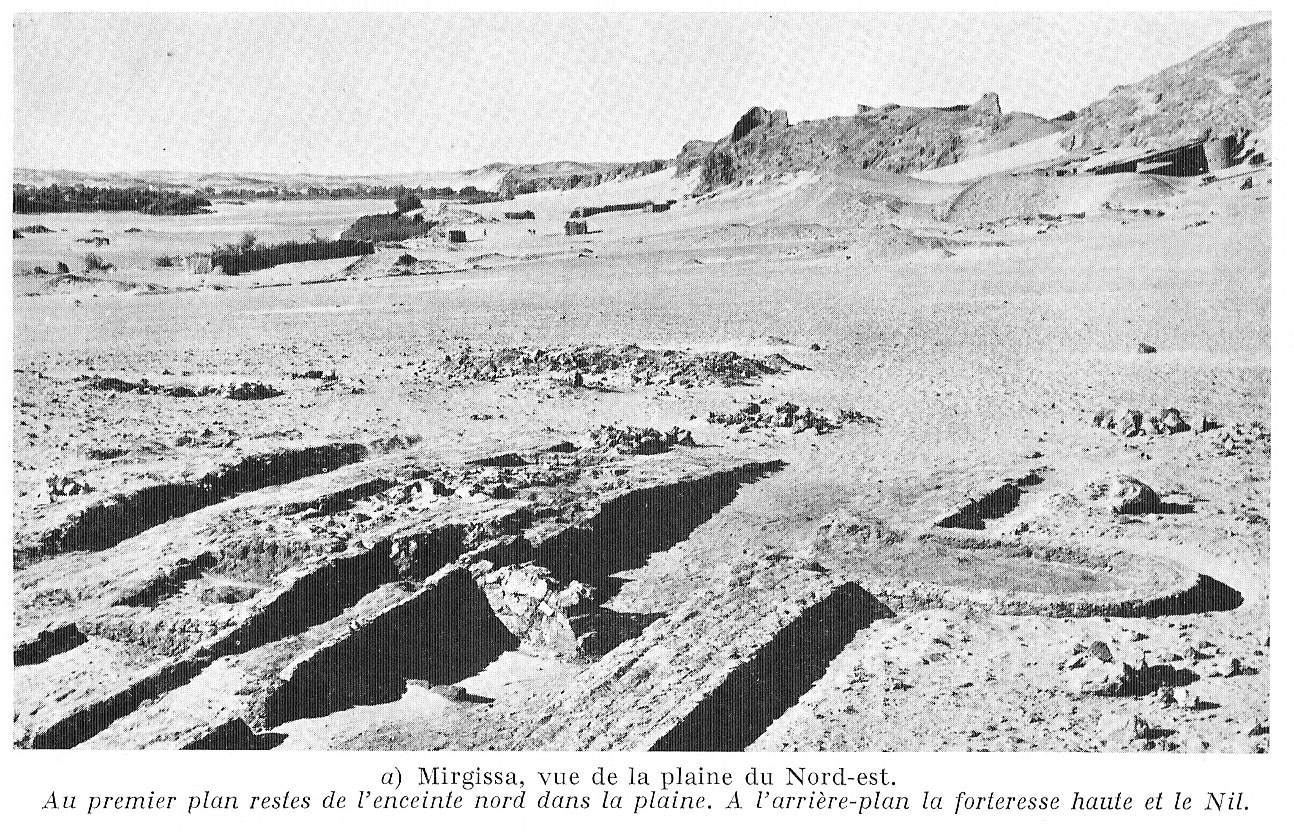
Mirgissa
Fortified Nubian settlement with large fortress.
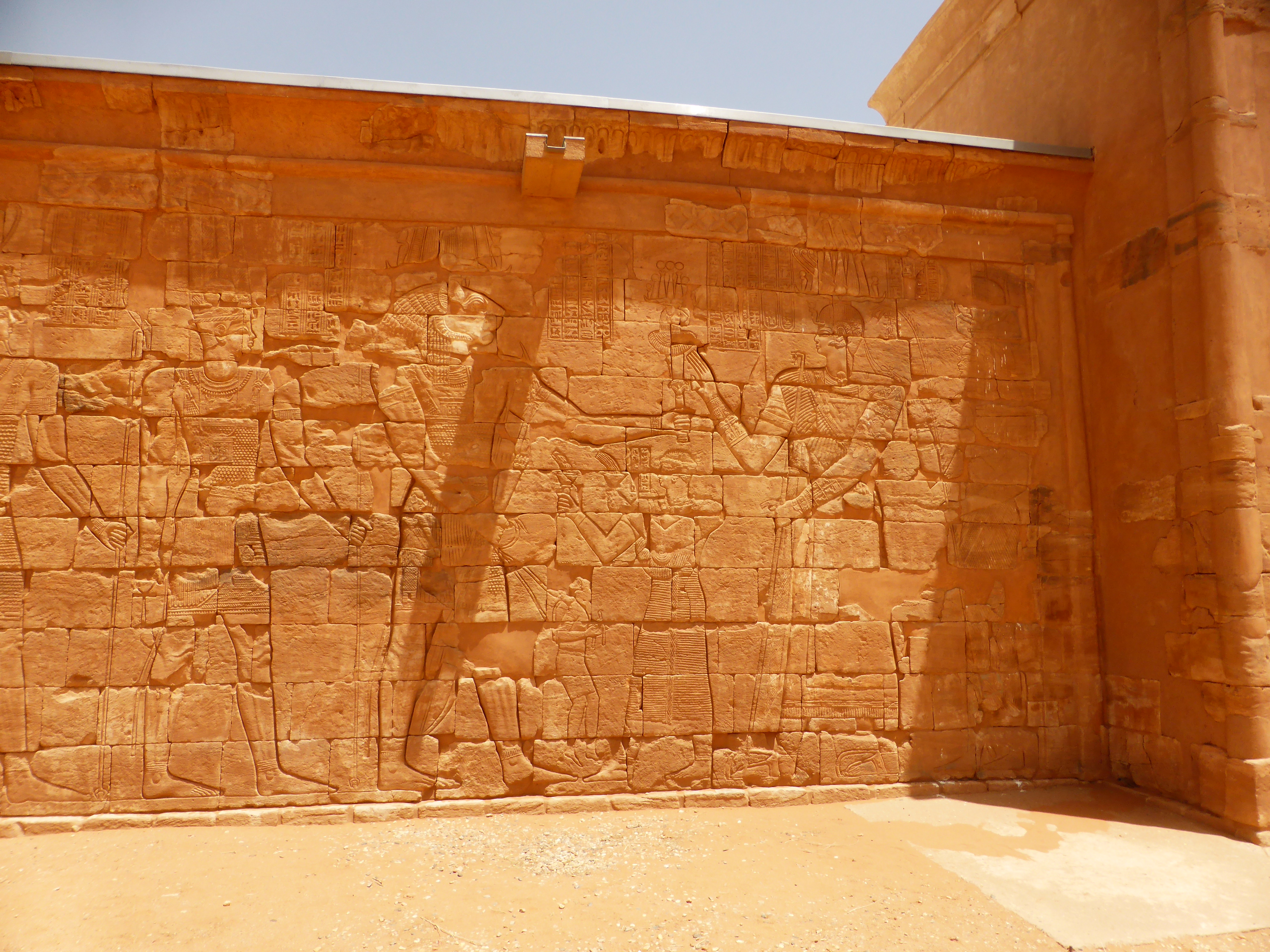
Musawwarat es-Sufra
Large Meroitic temple complex in Sudan
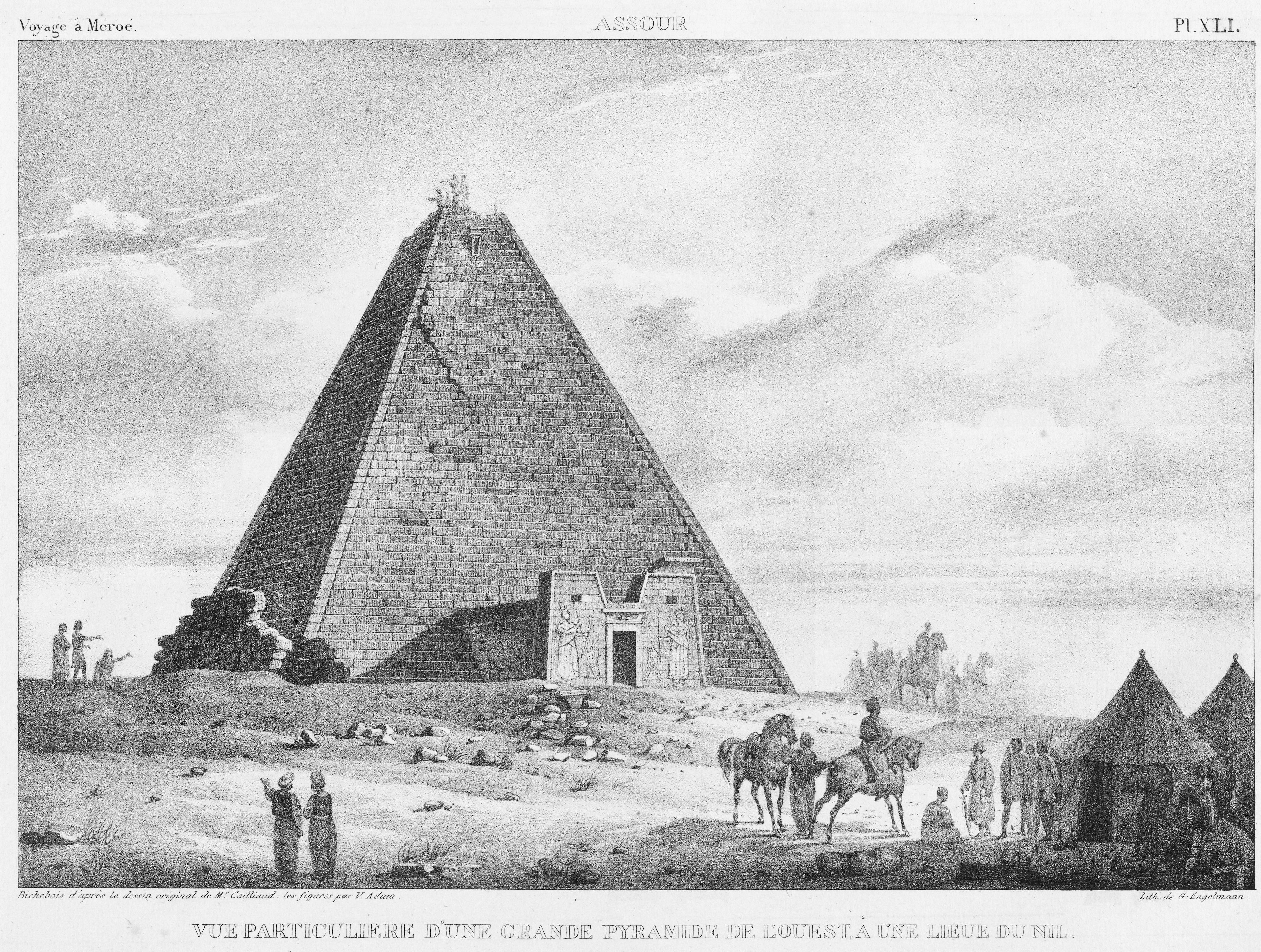
Nubian pyramids
Tall, narrow stepped pyramids in Sudan.
El-Hobagi
Post-Meroitic tumuli with weapons and vessels