Explore the Map
El-Hobagi
16.6167° N, 33.1667° E
About
El-Hobagi, located southwest of Meroe in Sudan, is an archaeological site notable for its large tumuli dating to the 4th century CE, after the decline of the Meroitic kingdom and before the Christianization of Nubia. The site is characterized by post-Meroitic burial mounds that lack rich grave goods but include weapons such as swords, spears, and bows, indicating a martial society. Notably, a bronze bowl found here features one of the last known Meroitic inscriptions, depicting agricultural scenes and the word 'Qore' (meaning 'King'), suggesting the burial of local kings. This indicates that the area may have been a regional center of power in the period following the Meroitic kingdom. Despite the significant findings, no contemporary settlement has been discovered, which adds mystery to the site's historical context.
Historical Timeline
Journey through time and discover key events in this site's history
Post-Meroitic burial site
4th century CE
Bronze bowl with Meroitic inscription
4th century CE
Archaeological Features
Unique architectural and cultural elements found at this historical site
Burial and Funerary Structures
Artistic and Decorative Features
Frequently Asked Questions
Plan Your Visit
Tours, travel arrangements, and practical information
More Sites in Sudan
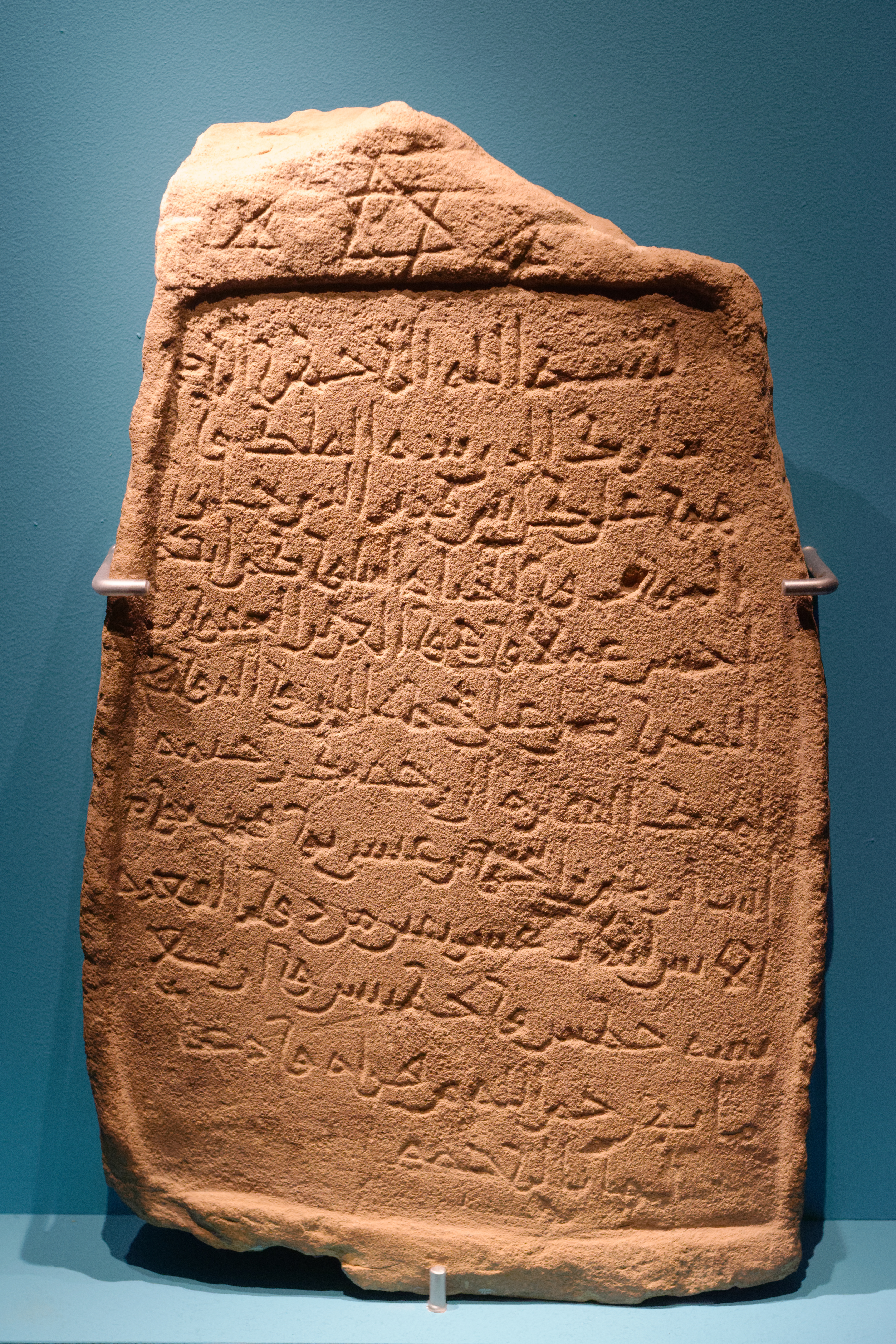
Meinarti
Stratified archaeological remains on Nile island
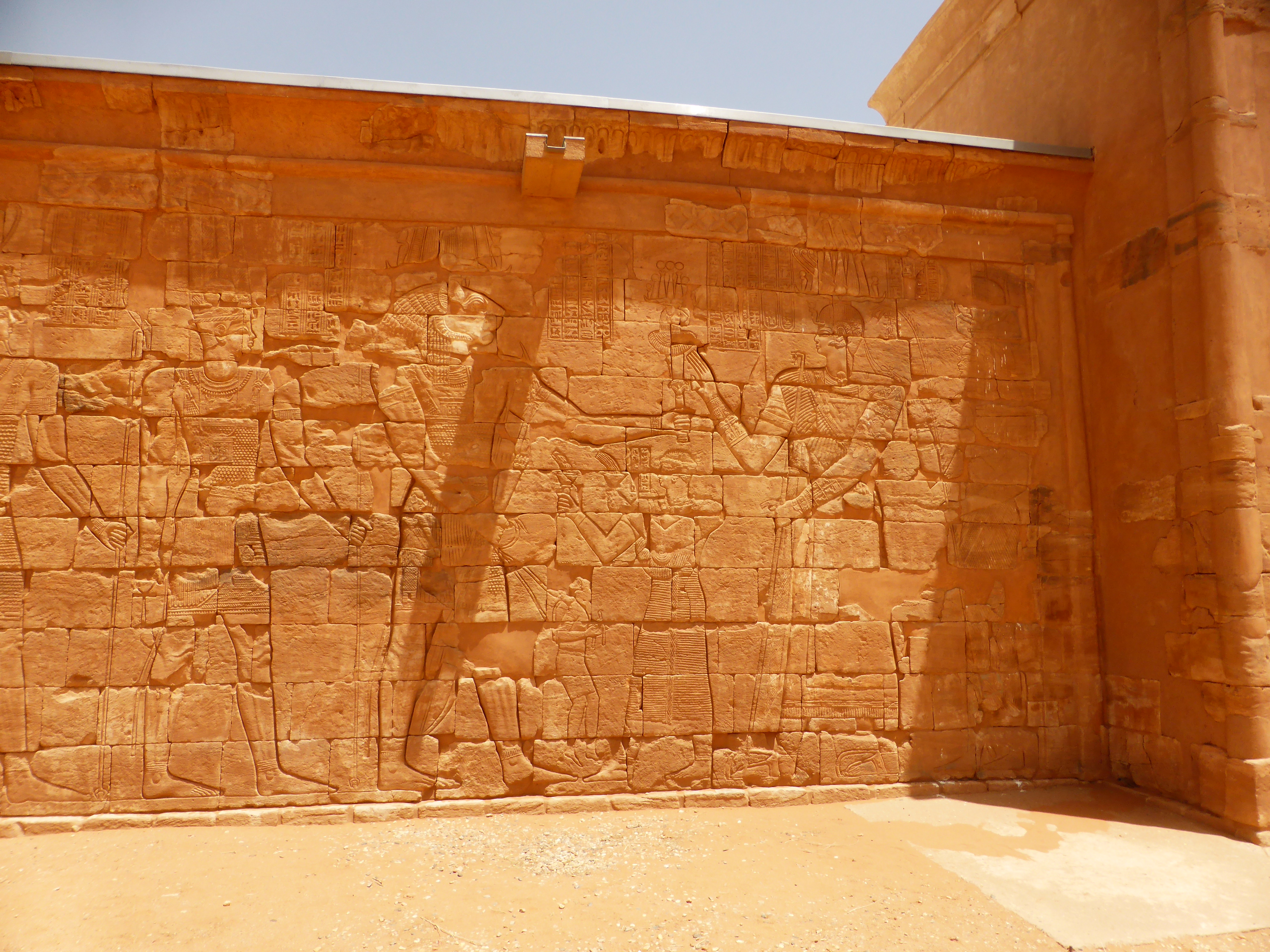
Musawwarat es-Sufra
Large Meroitic temple complex in Sudan
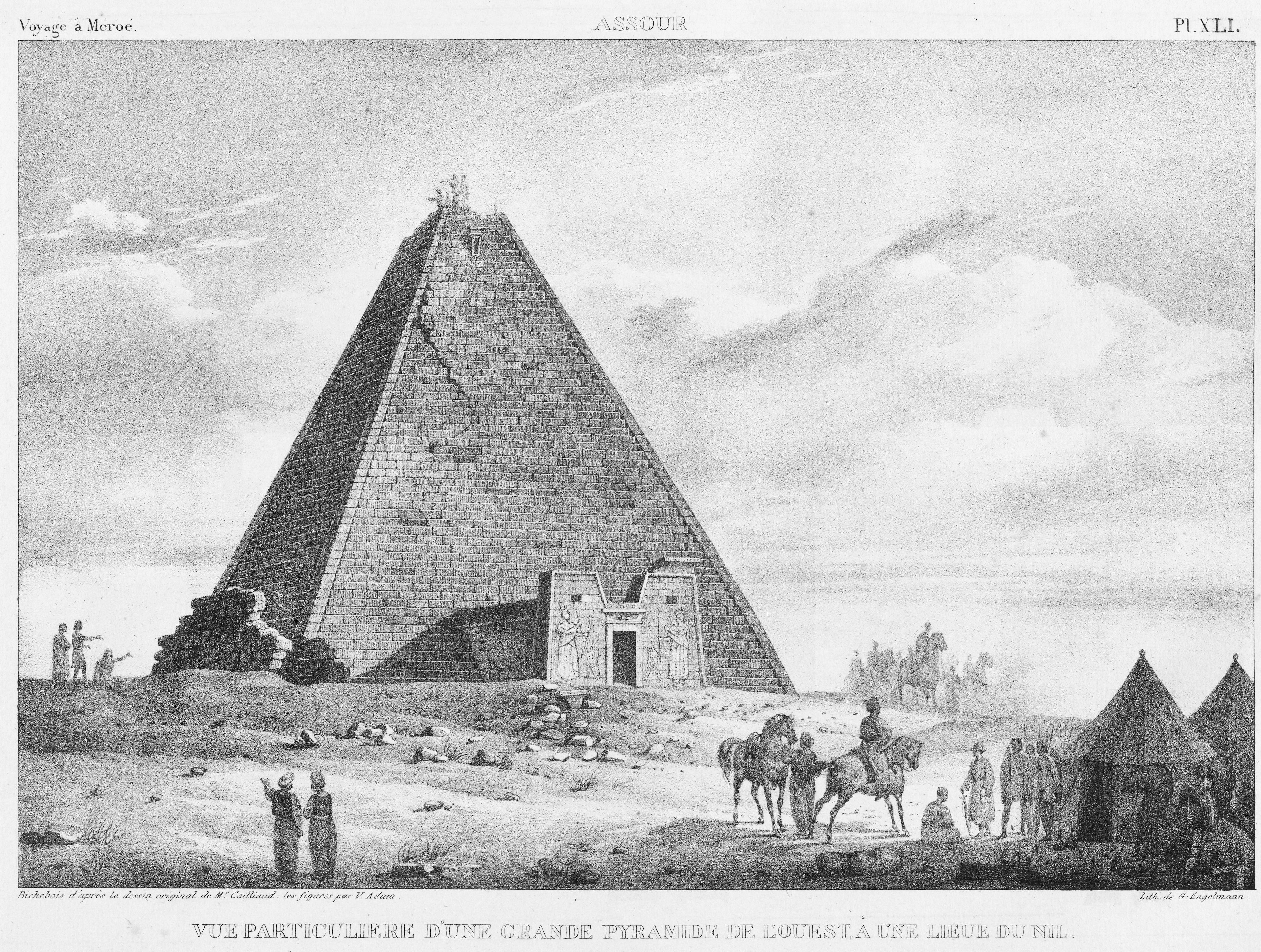
Nubian pyramids
Tall, narrow stepped pyramids in Sudan.
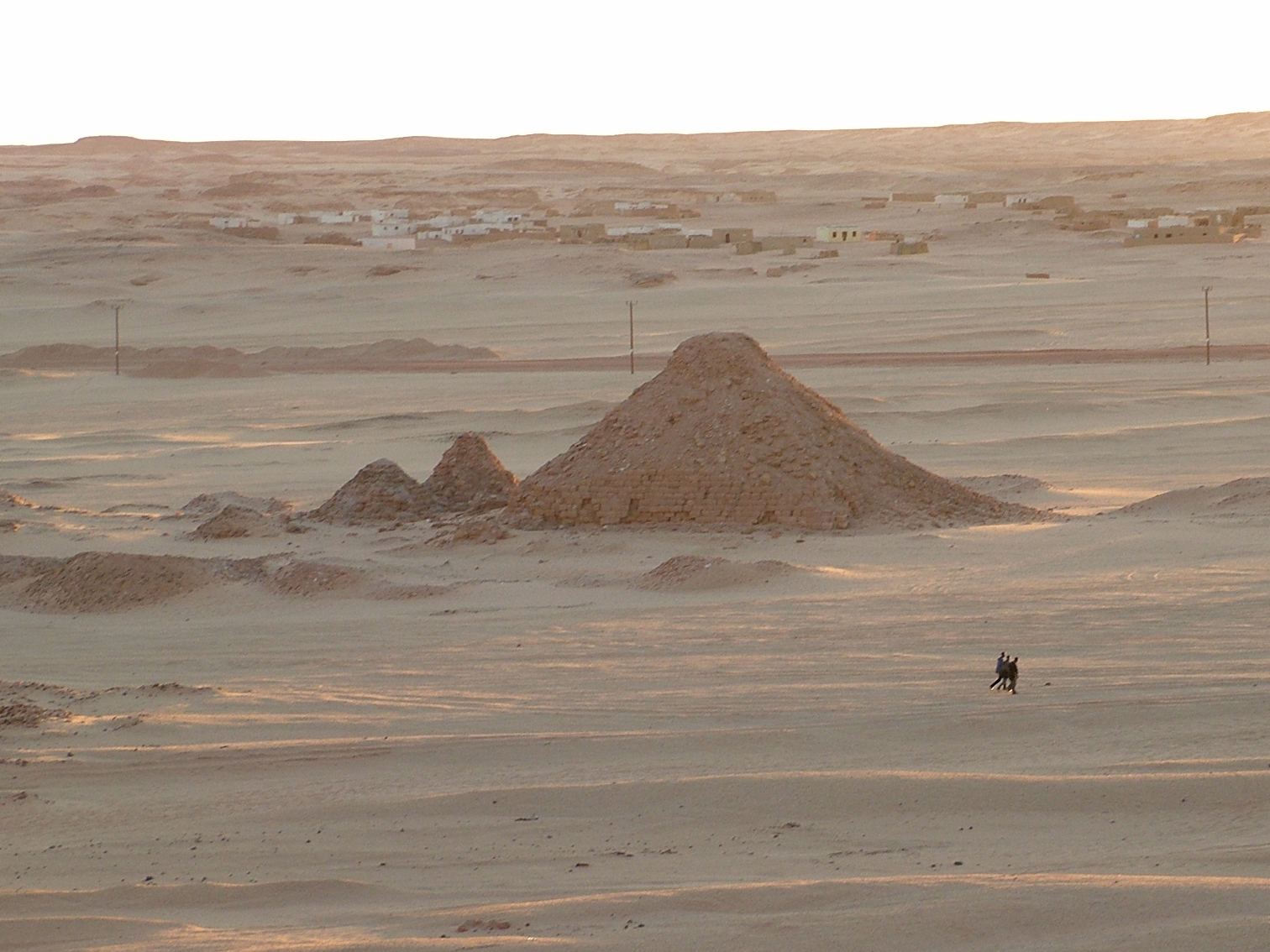
Jebel Barkal
Mesa with temples and pyramids in Sudan.
Naqa
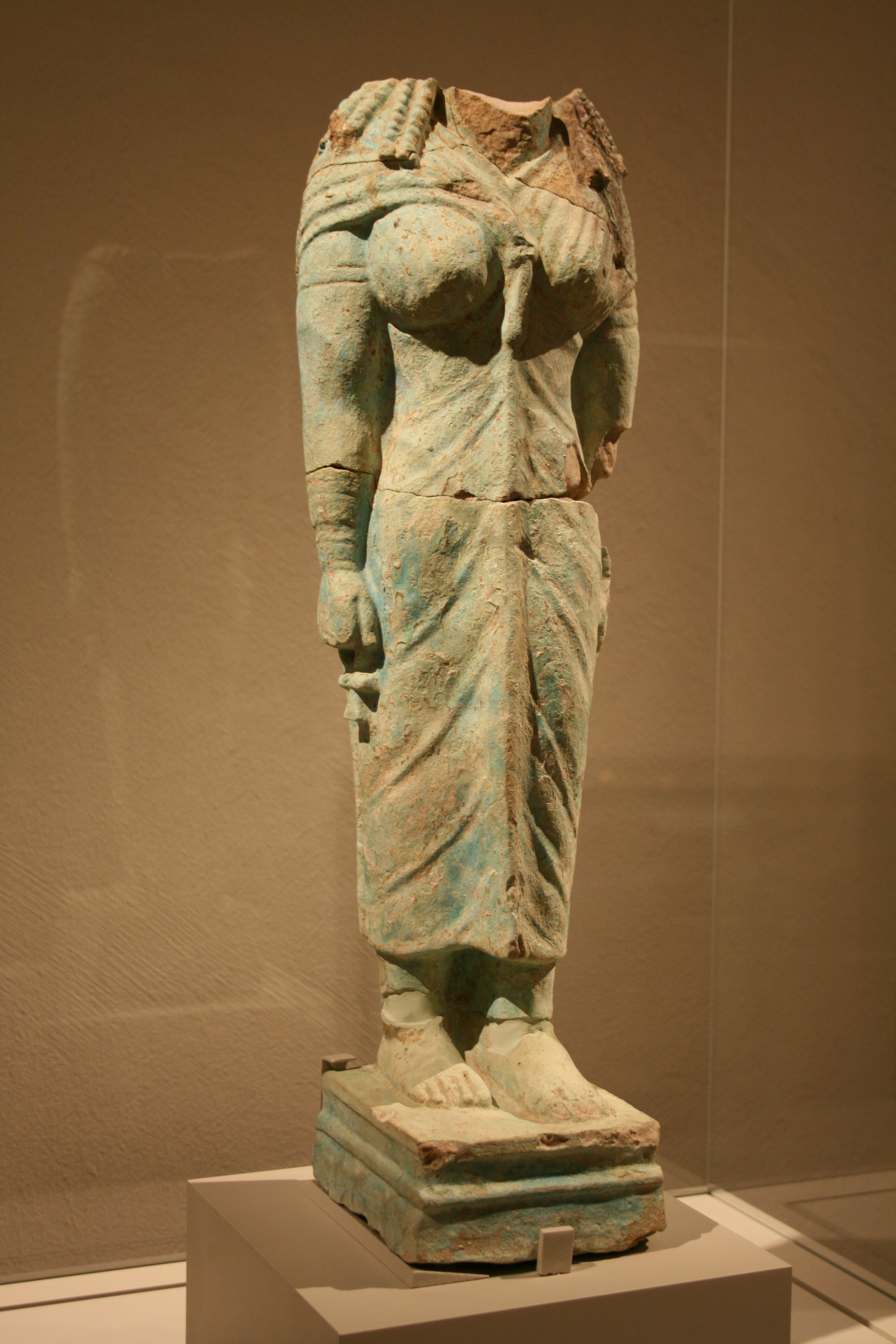
Ruined Kushitic city with significant temples
El-Kurru
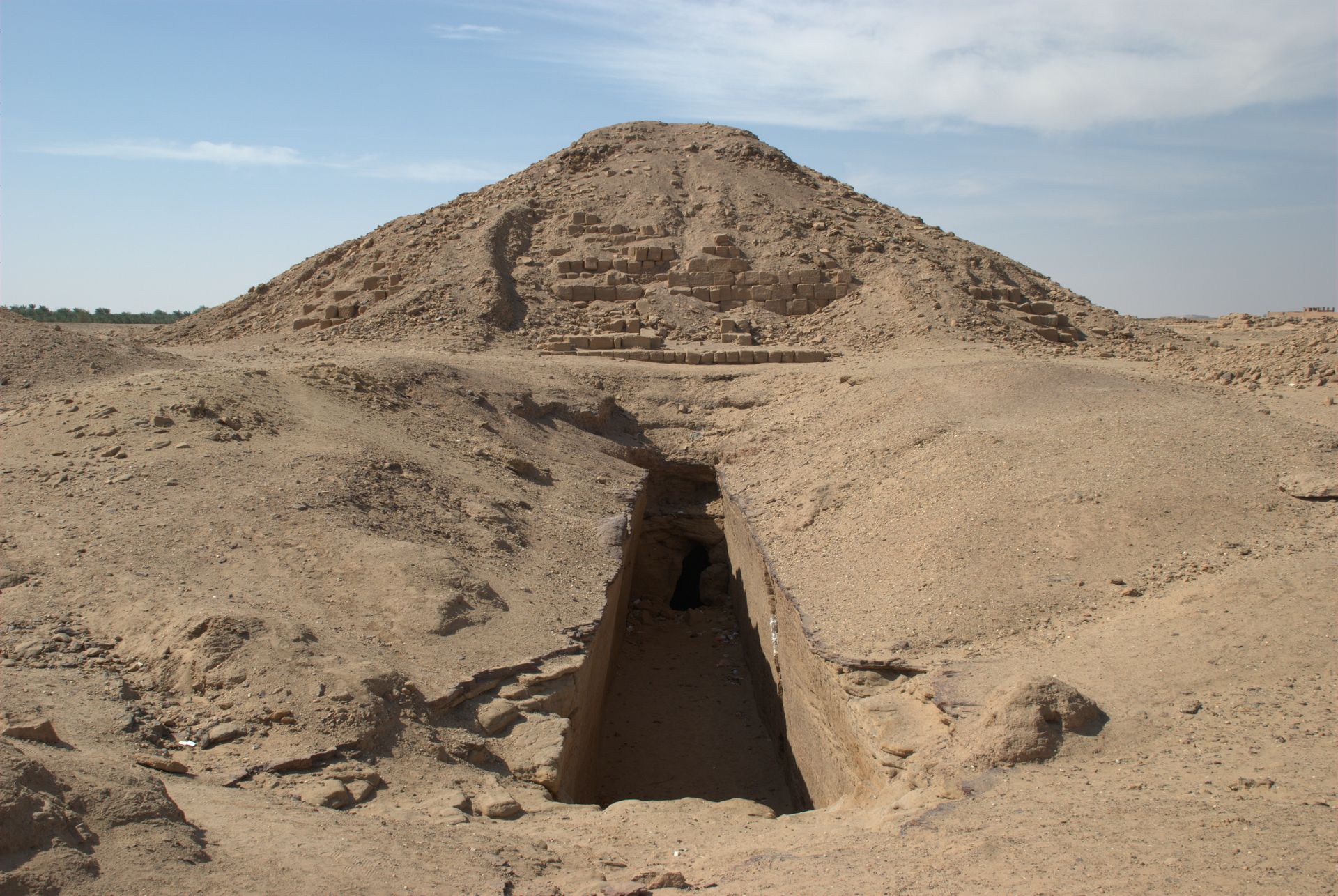
Nubian pyramids and tombs in Sudan