
Explore the Map
Naqa
16.2694° N, 33.2750° E
About
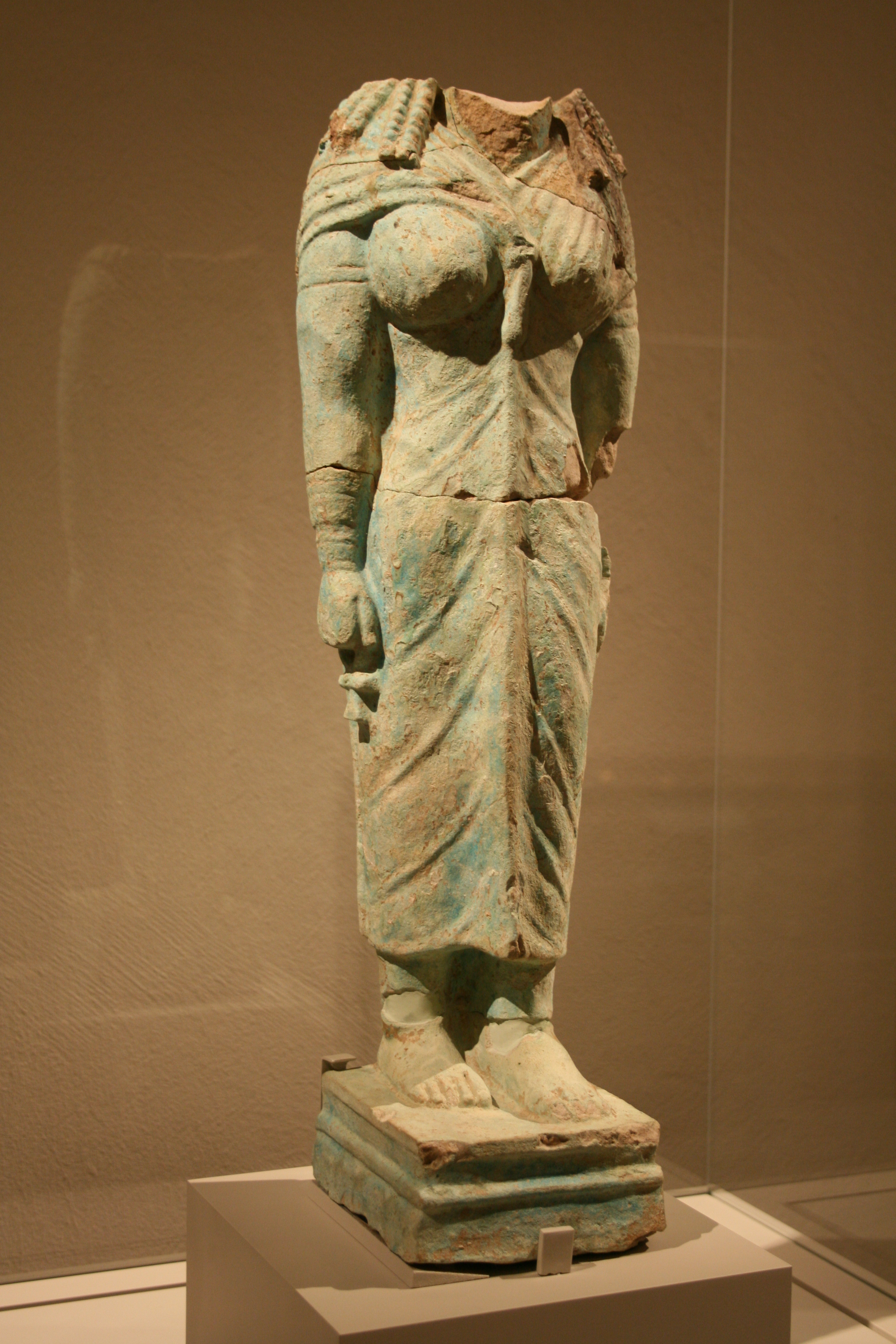
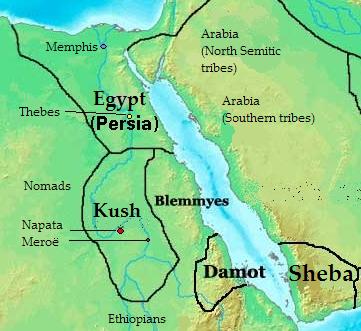
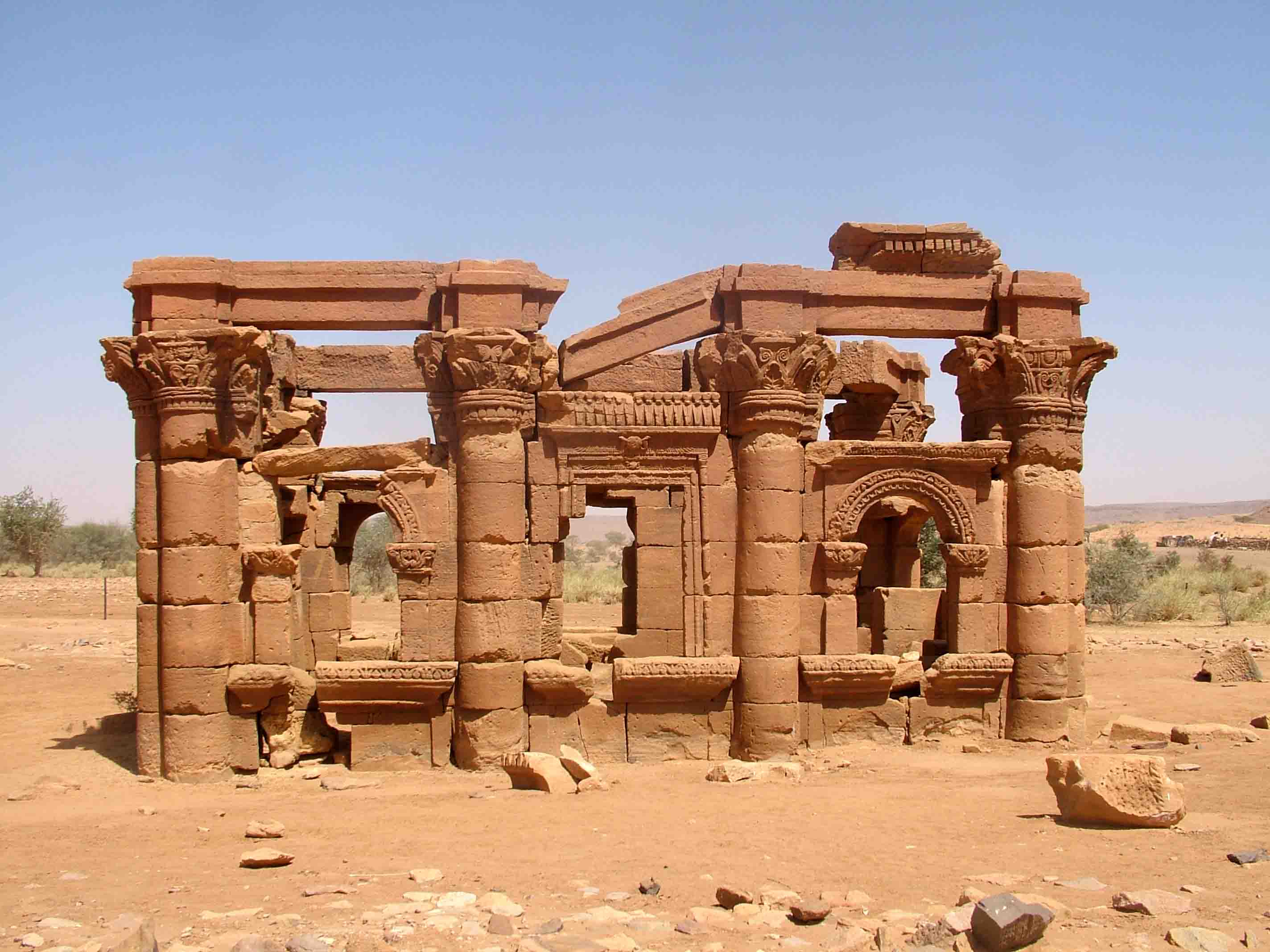
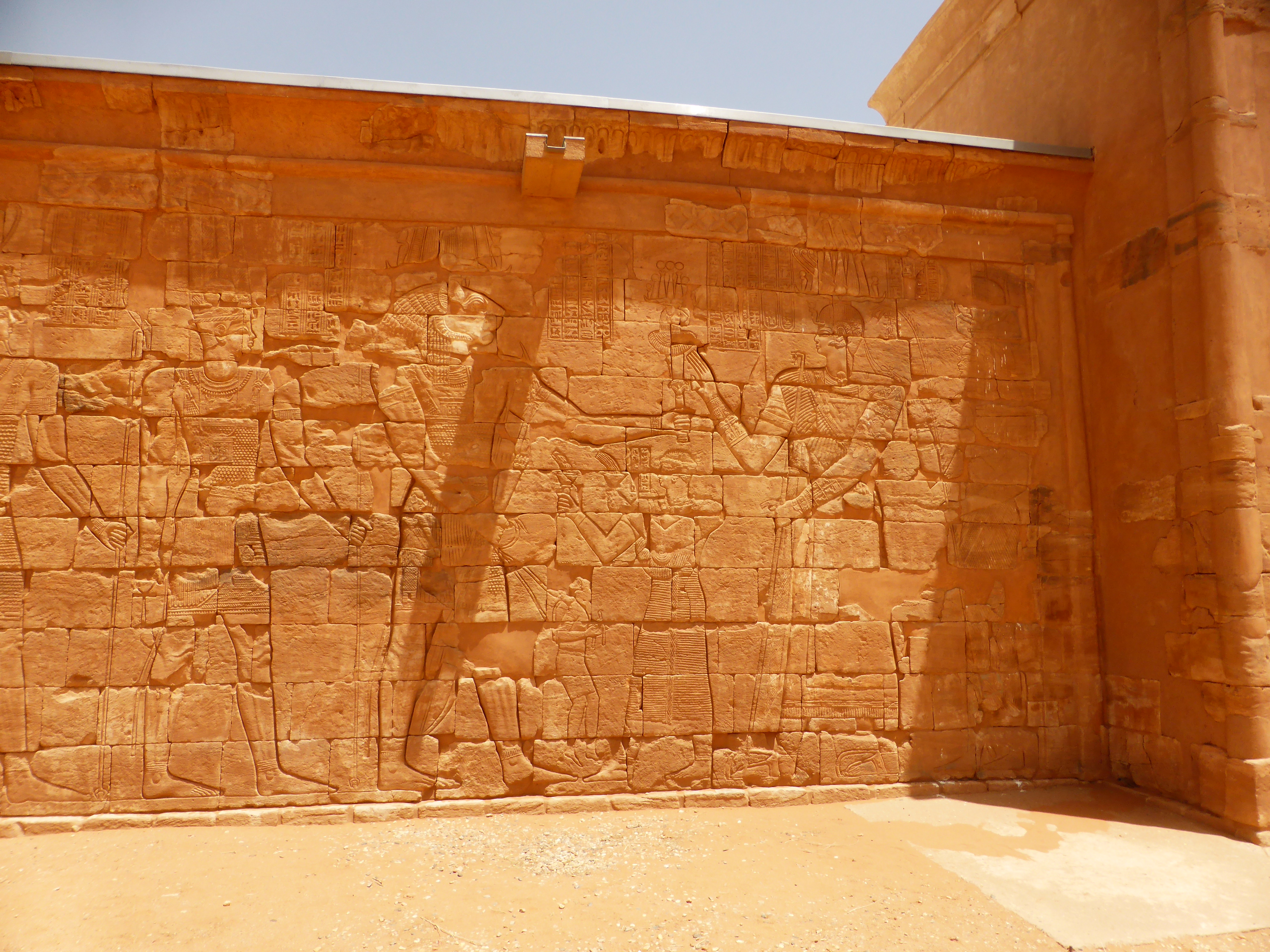
Naqa, an ancient city of the Kushitic Kingdom of Meroë, is located in modern-day Sudan, northeast of Khartoum. This site is notable for its strategic importance as a trading station between the Mediterranean world and Africa. Archaeologically, Naqa stands out with its well-preserved Meroitic temples, including the Temple of Amun and the Temple of Apedemak, showcasing Kushite architectural styles. These temples, constructed from the 2nd century BCE to the 3rd century CE, are adorned with intricate reliefs and Meroitic inscriptions. Another significant structure is the 'Temple 500', the oldest building on site, dating back to 135 BCE. The Roman kiosk nearby reflects a blend of Egyptian and Greco-Roman architectural elements. Naqa, part of the Island of Meroe, was recognized as a UNESCO World Heritage Site in 2011, highlighting its cultural and historical significance.
Gallery
Explore photographs of ancient structures, artifacts, and archaeological excavations
Historical Timeline
Journey through time and discover key events in this site's history
Temple 500 Construction
135 BCE
Temple of Amun Construction
1st century BCE
Temple of Apedemak Construction
1st century BCE
Naqa 200 Temple Construction
2nd-3rd century CE
Archaeological Features
Unique architectural and cultural elements found at this historical site
Religious and Ritual Structures
Artistic and Decorative Features
Domestic and Habitation Structures
Plan Your Visit
Tours, travel arrangements, and practical information
More Sites in Sudan
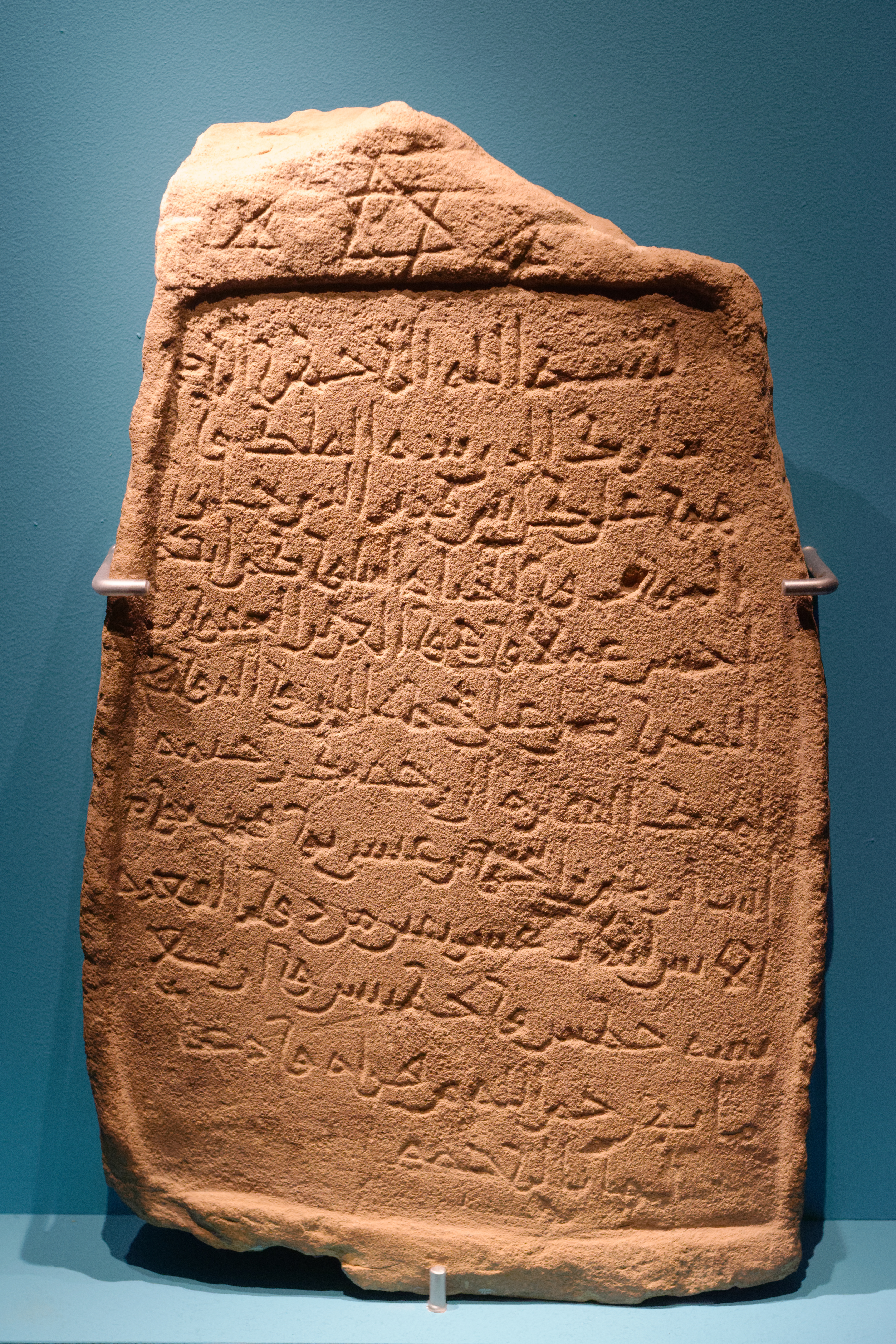
Meinarti
Stratified archaeological remains on Nile island
Musawwarat es-Sufra
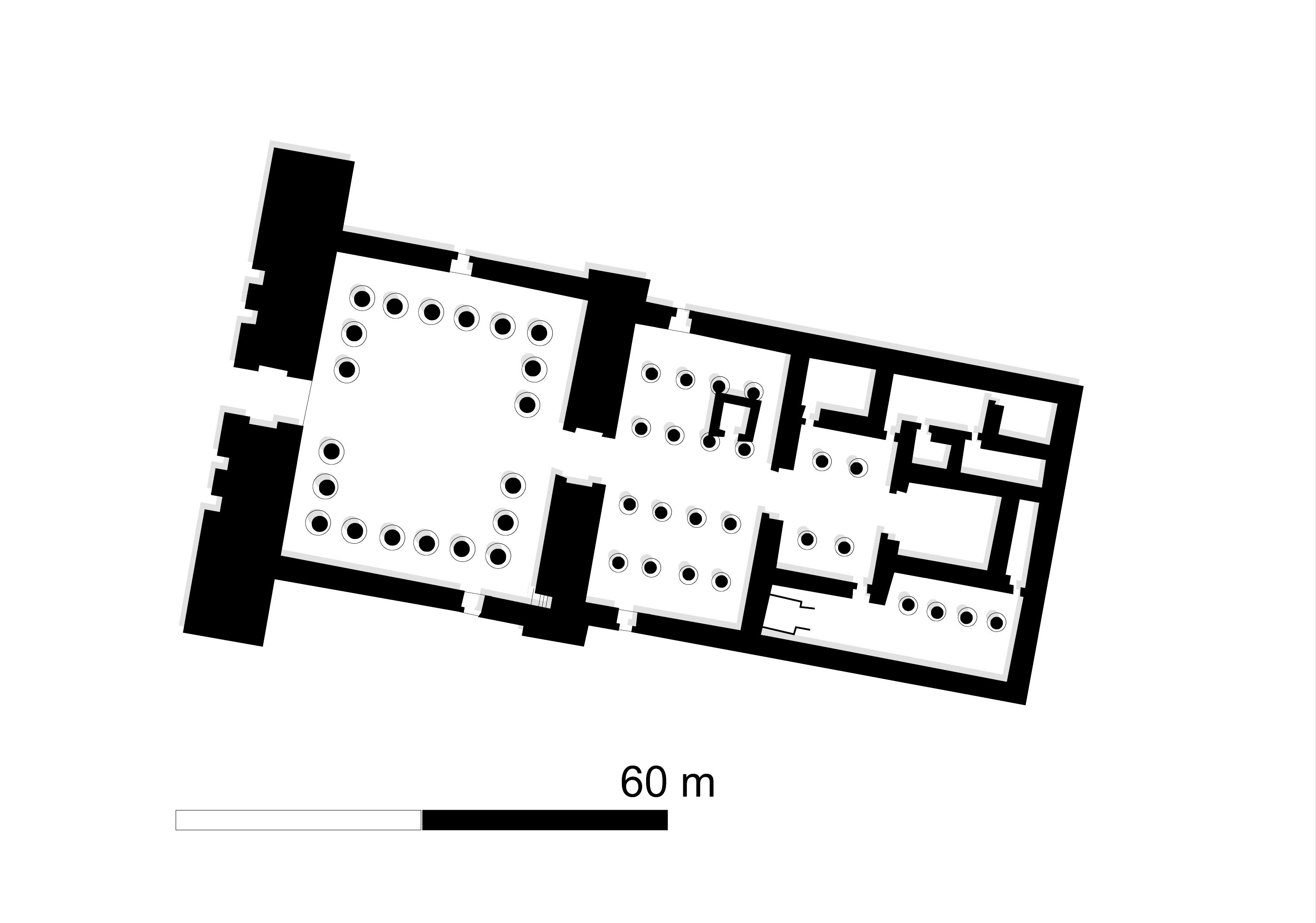
Large Meroitic temple complex in Sudan
Nubian pyramids
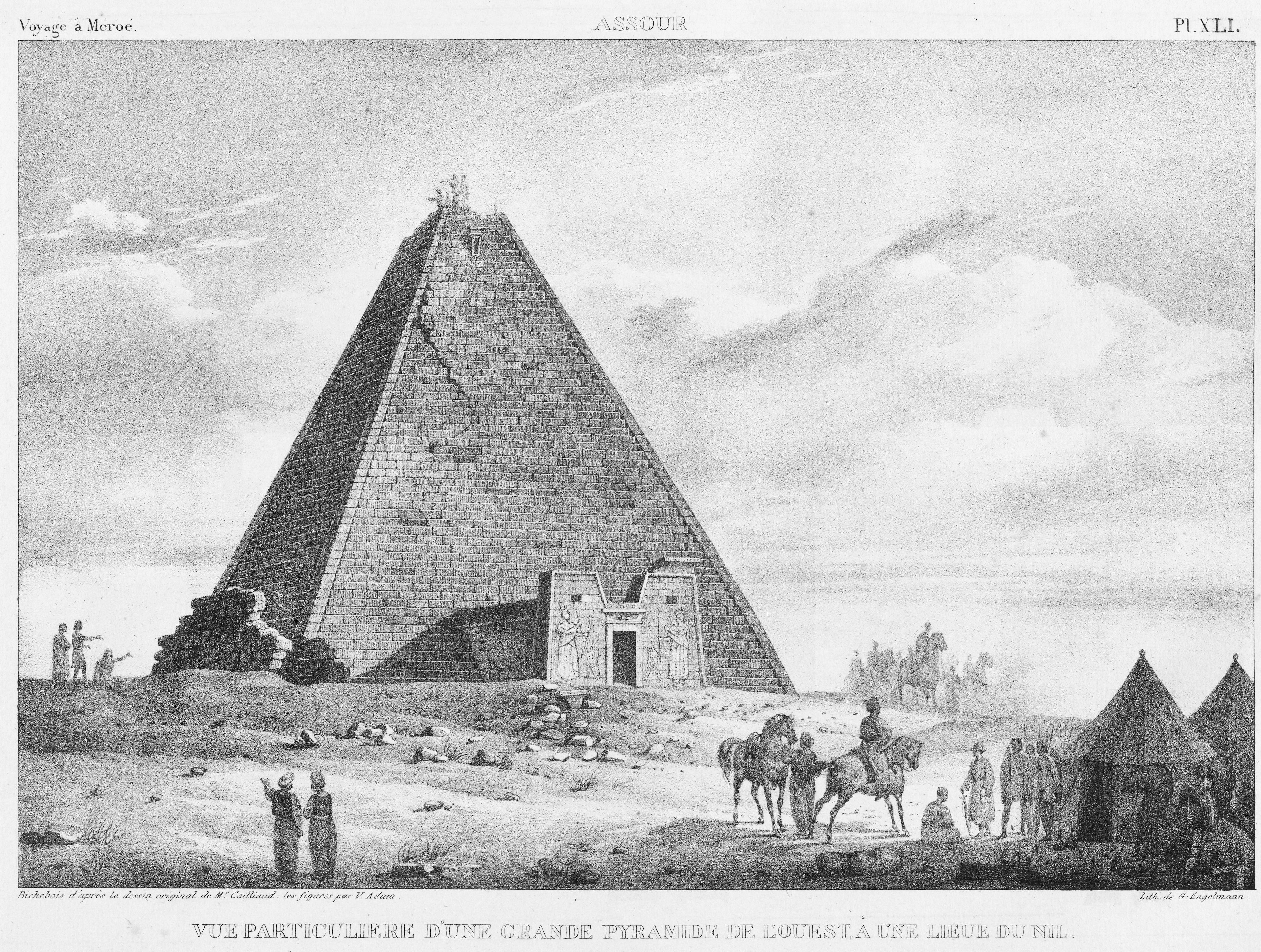
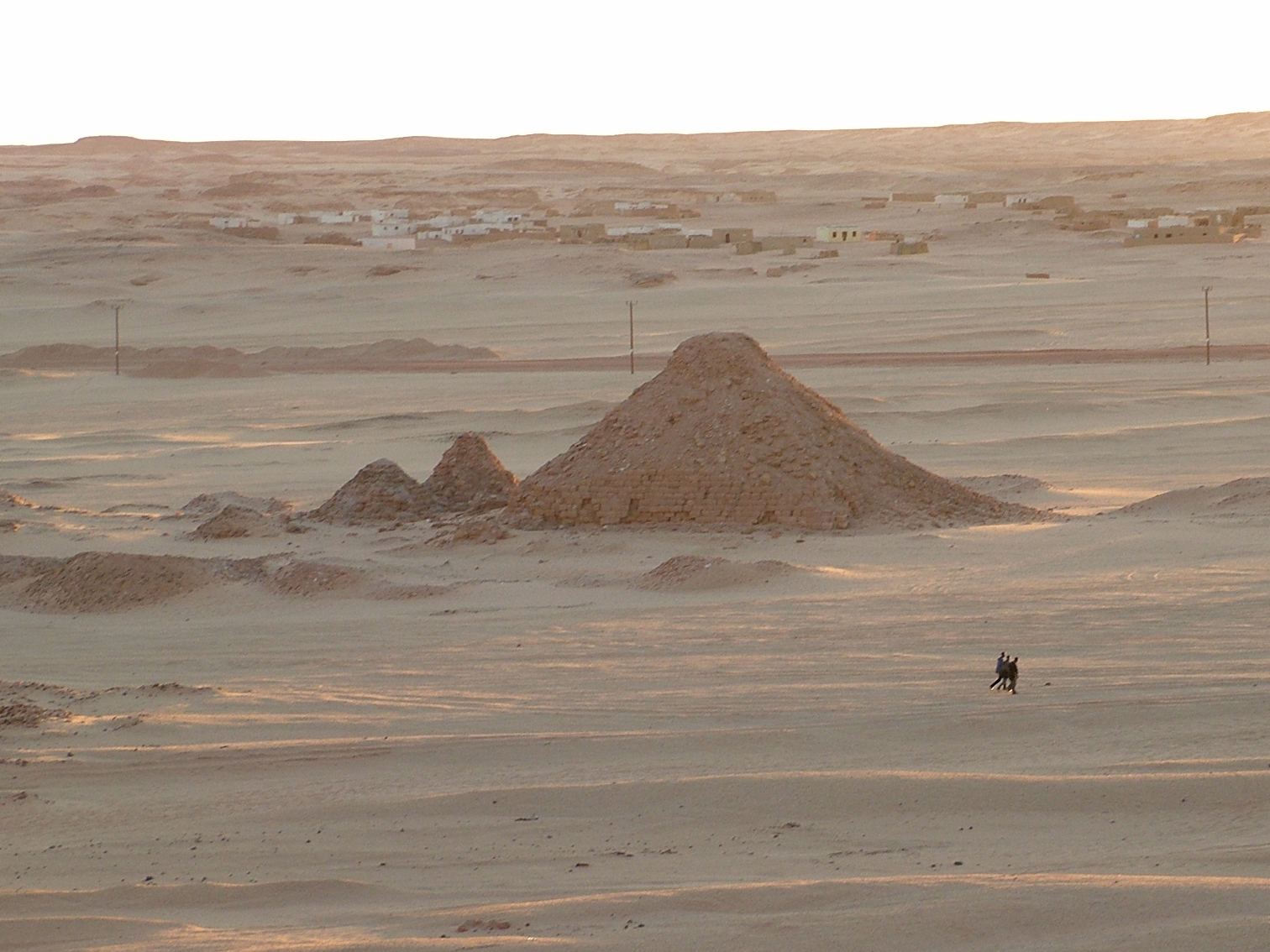
Tall, narrow stepped pyramids in Sudan.
El-Hobagi
Post-Meroitic tumuli with weapons and vessels
Jebel Barkal
Mesa with temples and pyramids in Sudan.
Sanam, Sudan
Napatan Period town with temple and cemetery