Explore the Map
Debeira
22.0833° N, 31.6667° E
About
Debeira, located in Sudan along the Nile, is a significant archaeological site with a rich history of occupation. The site features a necropolis from the C-Group culture, dating back to approximately 2400–1550 BCE. This period also includes the discovery of a wall-painted funerary chapel belonging to the Nubian prince Djehutyhotep from the time of Pharaohs Hatshepsut and Thutmosis III. During the medieval period, Debeira was home to a vibrant community, evidenced by the remains of a town or large village complete with churches and a cemetery. The site experienced a decline towards the 10th century but saw redevelopment in the 11th century. Debeira's archaeological significance is underscored by its ability to offer insights into the cultural transitions and historical developments of Nubian and medieval societies.
Historical Timeline
Journey through time and discover key events in this site's history
Djehutyhotep's Funerary Chapel
Time of Hatshepsut and Thutmosis III
Medieval Town Occupation
7th–9th century CE
Medieval Town Redevelopment
11th century CE
C-Group Necropolis
2400–1550 BCE
Archaeological Features
Unique architectural and cultural elements found at this historical site
Burial and Funerary Structures
Religious and Ritual Structures
Domestic and Habitation Structures
Plan Your Visit
Tours, travel arrangements, and practical information
More Sites in Sudan
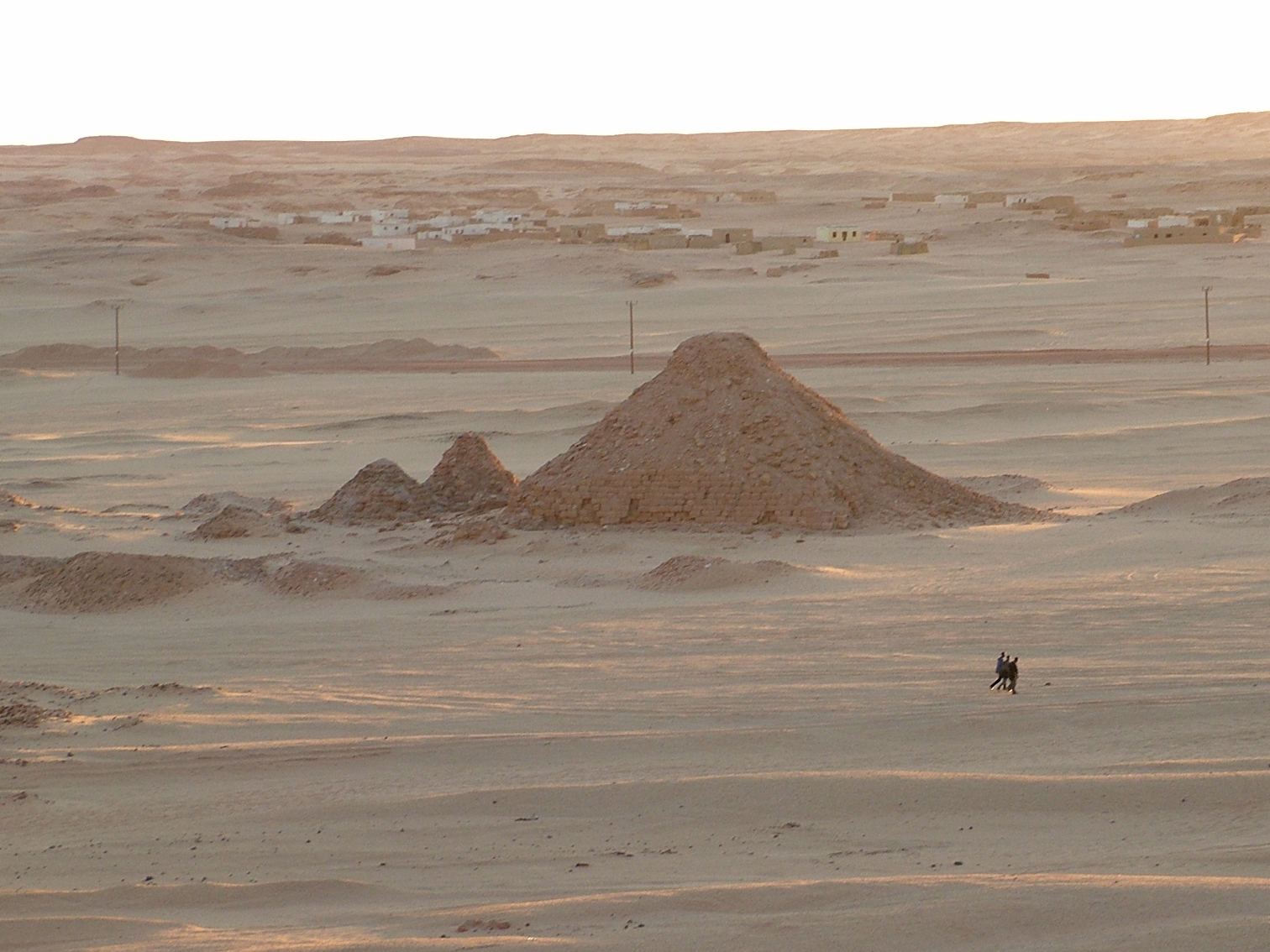
Jebel Barkal
Mesa with temples and pyramids in Sudan.
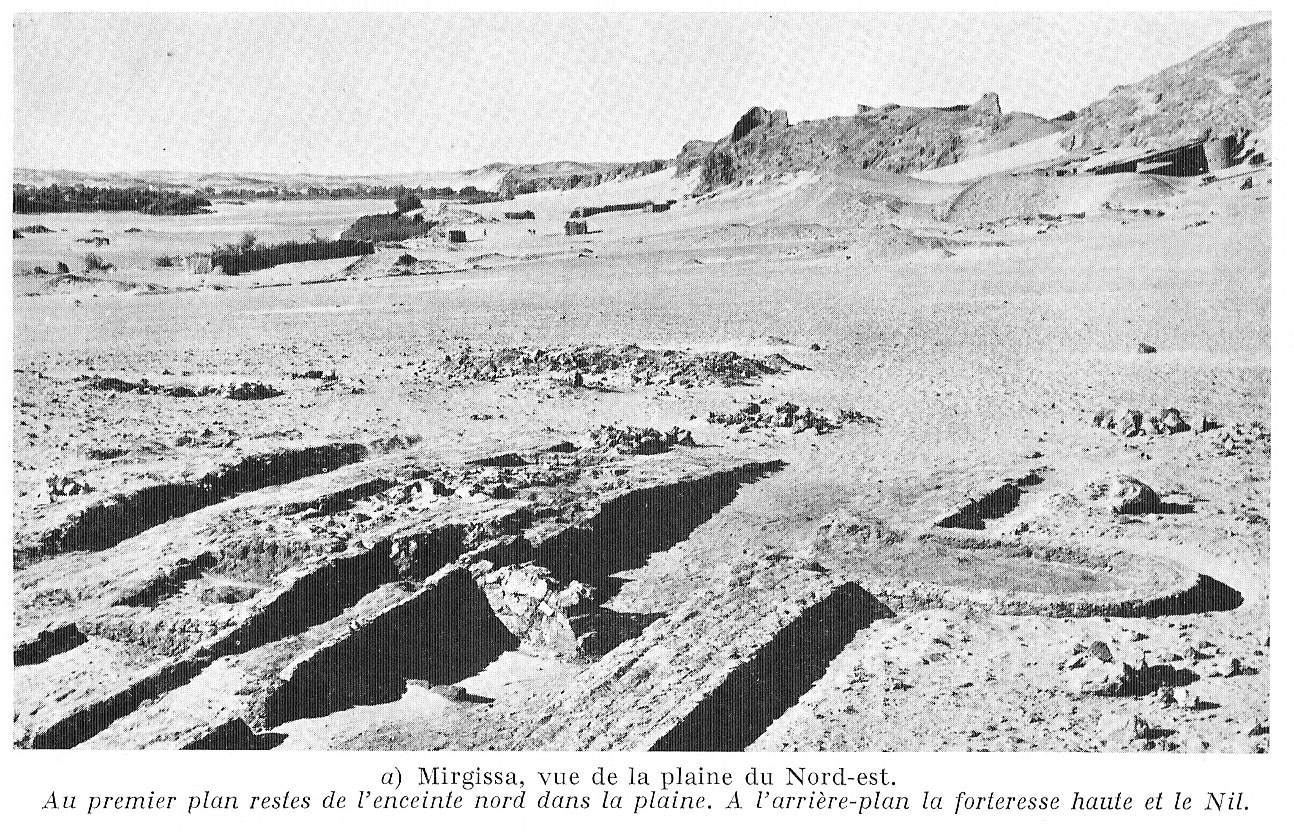
Mirgissa
Fortified Nubian settlement with large fortress.
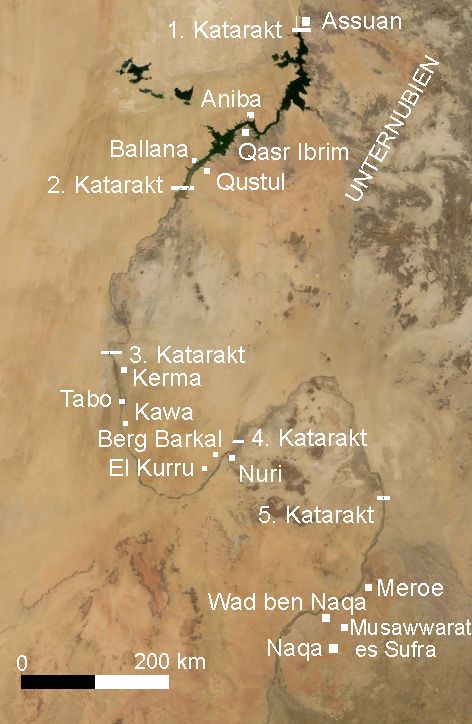
Tabo (Nubia)
Large damaged Amun temple in Nubia.
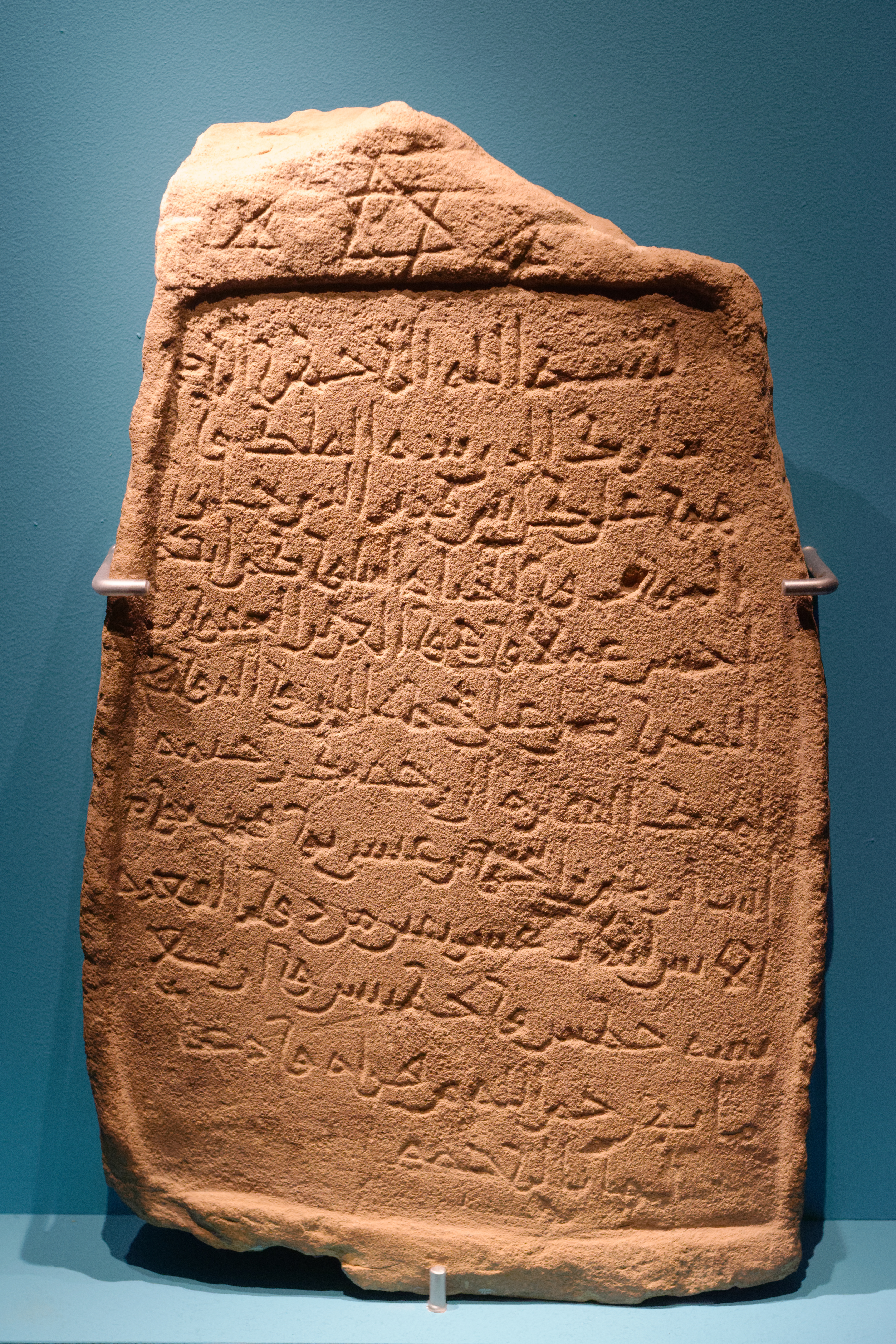
Meinarti
Stratified archaeological remains on Nile island
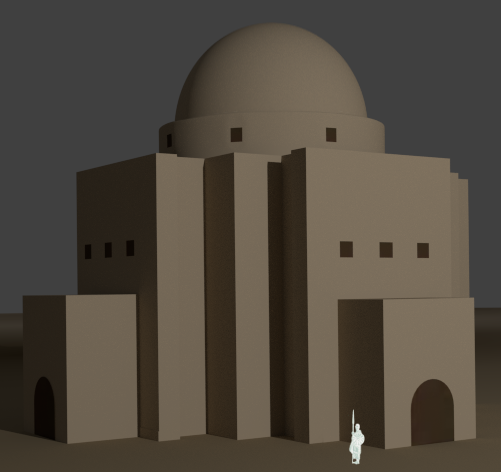
Old Dongola
Deserted medieval Nubian town in Sudan.
Shalfak
Ancient Egyptian fortress with mudbrick walls