Explore the Map
Kulubnarti
21.0708° N, 30.6639° E
About
Kulubnarti, a 1-mile long island located in northern Sudan along the Nile, has been continuously inhabited since the 11th century CE, making it a unique archaeological site in Nubia. The island's historical significance lies in its role as a refuge for Christians during the transition to Islam in the region. Notable archaeological features include remnants of medieval Christian buildings such as churches and a fort, as well as cemeteries that highlight a blend of Christian and Islamic burial practices. Systematic excavations have revealed insights into the cultural transitions and social structures from the Middle Ages through the Ottoman period, contributing significantly to the understanding of Nubian history.
Gallery
Explore photographs of ancient structures, artifacts, and archaeological excavations
Historical Timeline
Journey through time and discover key events in this site's history
Continuous Inhabitation Observed
11th century CE to Present
Christian Kingdom of Makuria
1100 CE
Islamic Influence
1400s CE
Archaeological Features
Unique architectural and cultural elements found at this historical site
Defensive Structures
Burial and Funerary Structures
Religious and Ritual Structures
Artistic and Decorative Features
Domestic and Habitation Structures
Frequently Asked Questions
Plan Your Visit
Tours, travel arrangements, and practical information
More Sites in Sudan
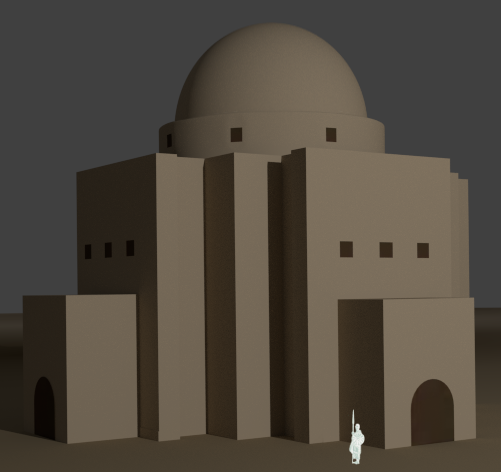
Old Dongola
Deserted medieval Nubian town in Sudan.
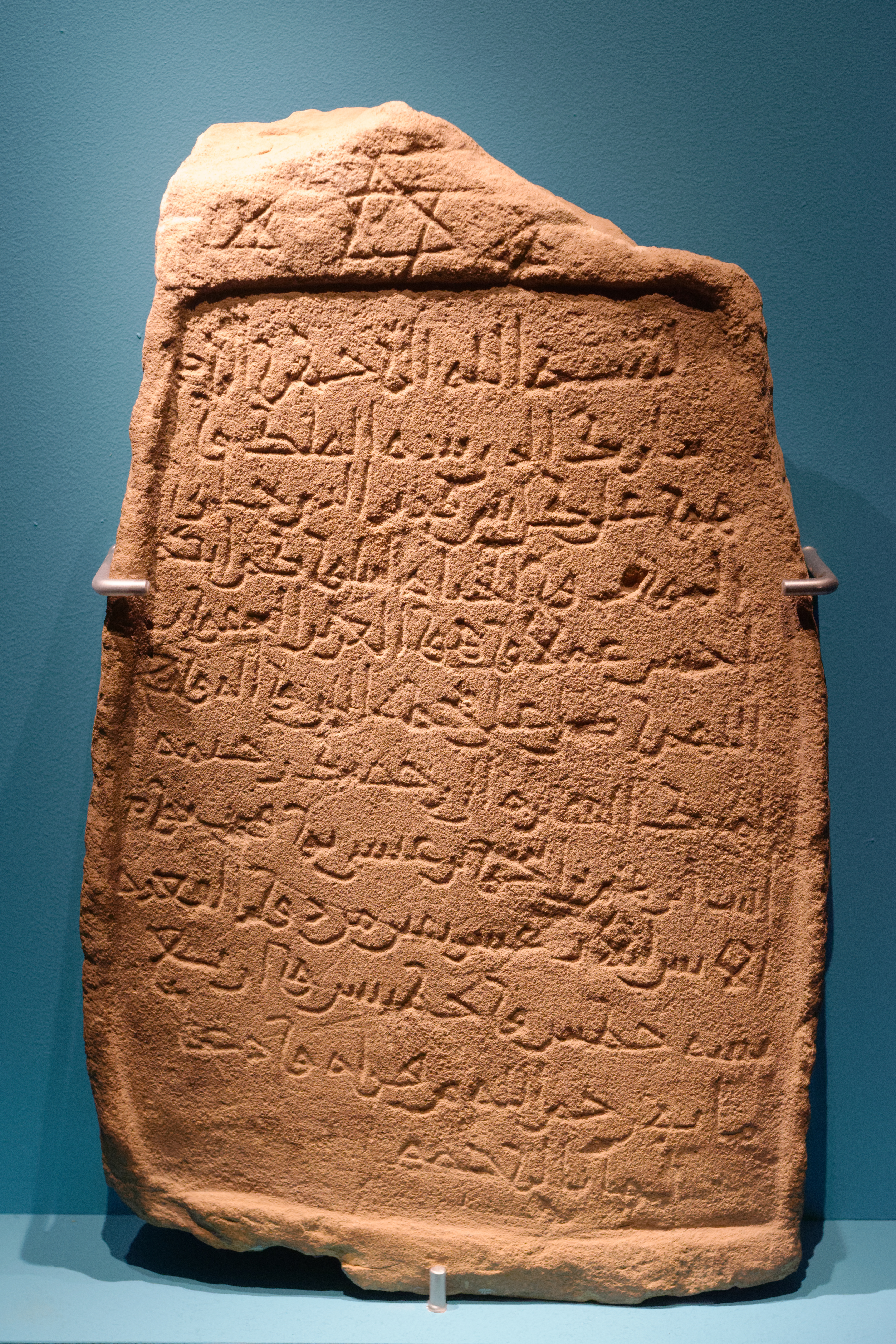
Meinarti
Stratified archaeological remains on Nile island
Zuma, Sudan
Ancient tumuli field with distinct grave types.
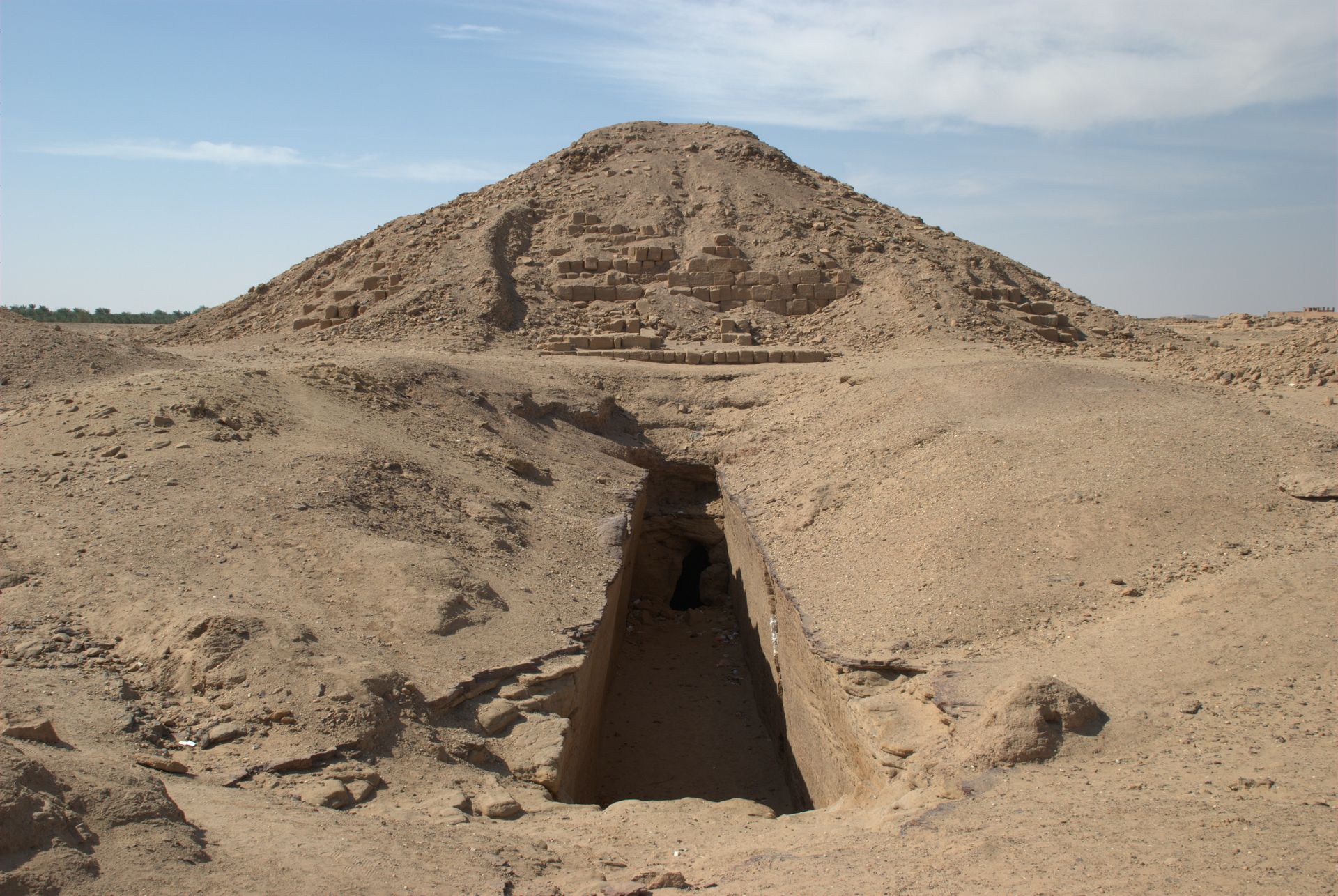
El-Kurru
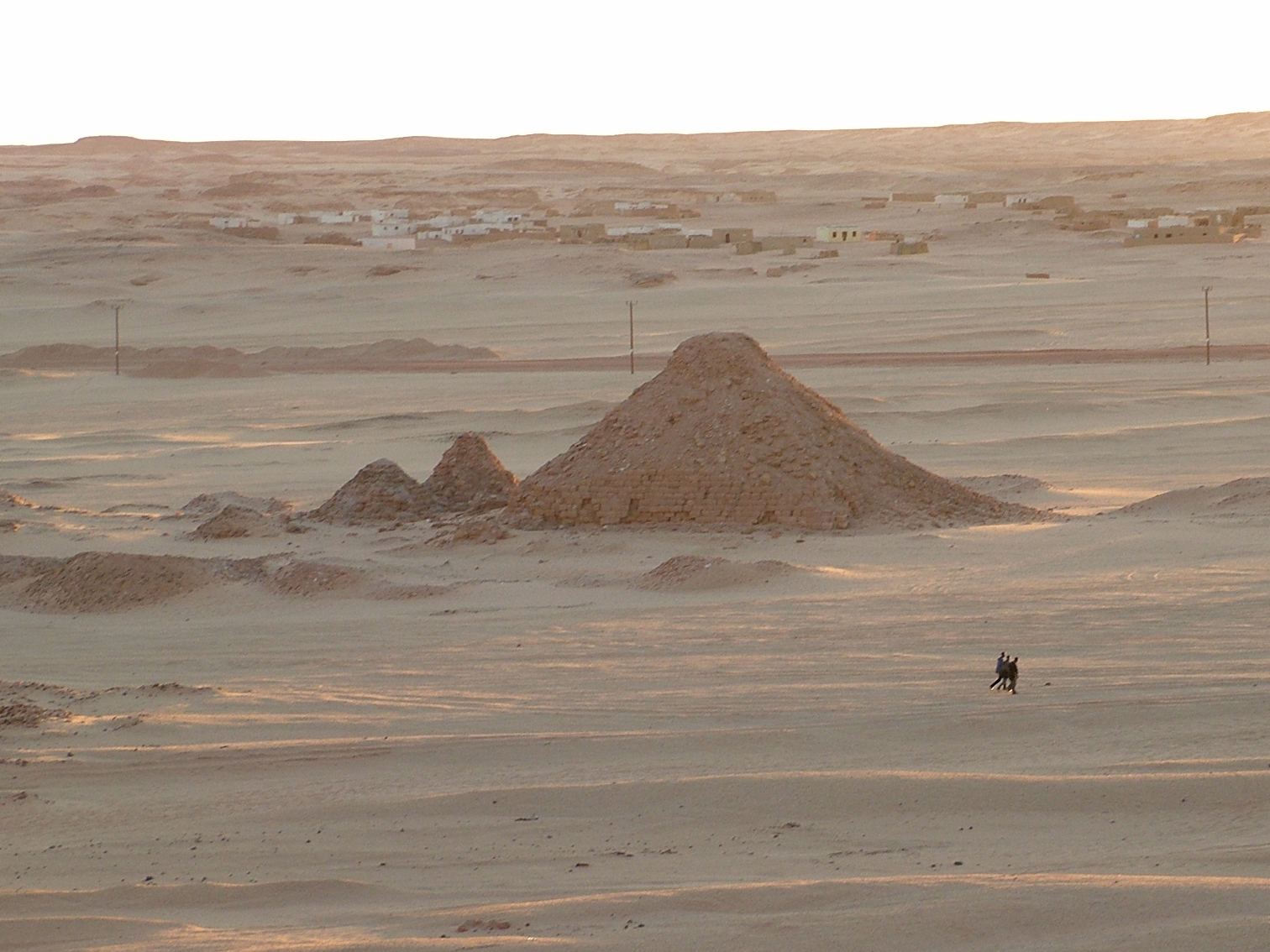
Nubian pyramids and tombs in Sudan
Jebel Barkal
Mesa with temples and pyramids in Sudan.
Tabo (Nubia)
Large damaged Amun temple in Nubia.