Explore the Map
Hosh el-Kab fort
16.0103° N, 32.5503° E
About
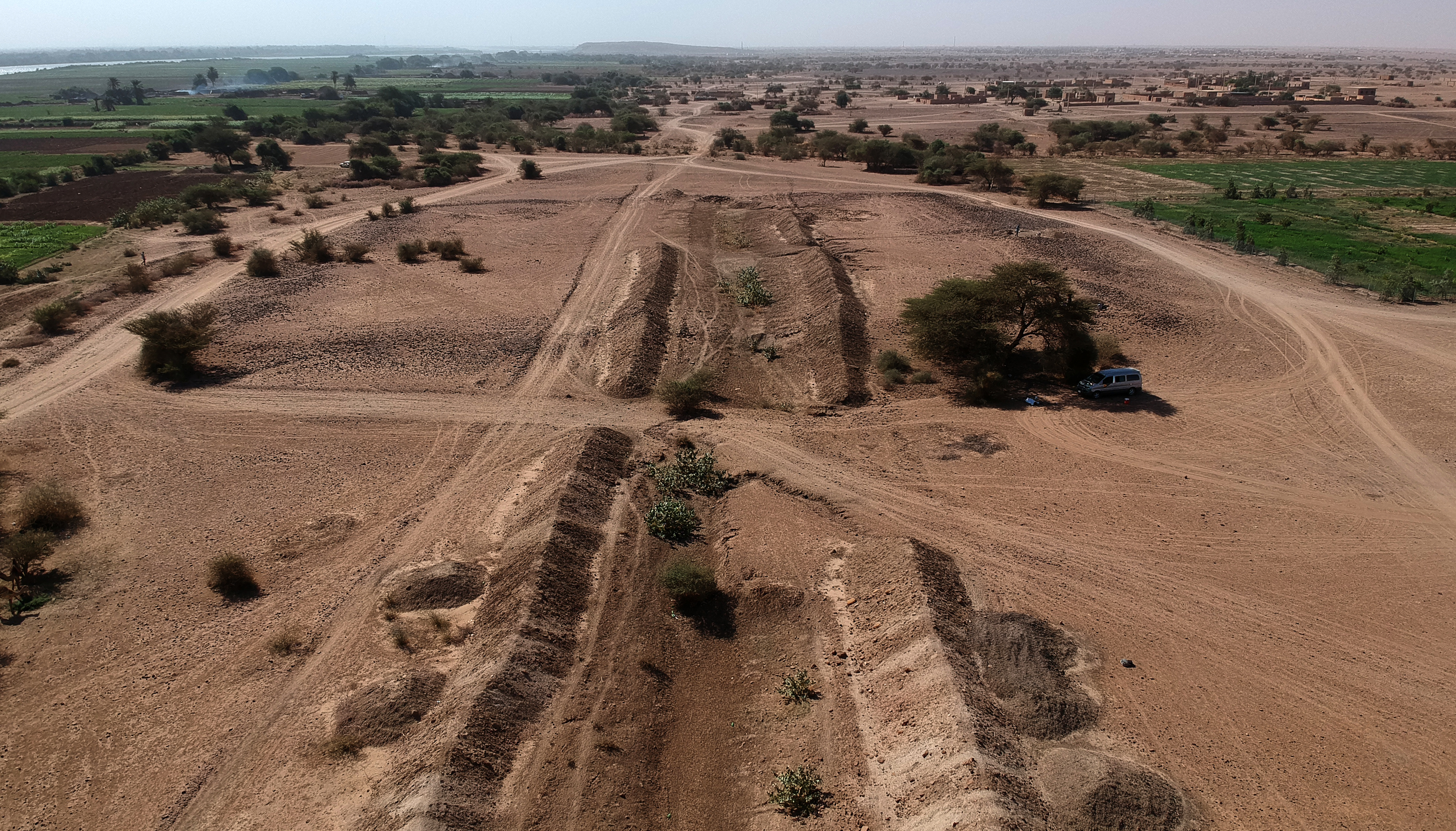
The Hosh el-Kab fort, located in Sudan along the left bank of the Nile, is a significant archaeological site due to its status as the largest known regular fort in the Middle Nile Valley. Constructed in the latter half of the 6th century CE under Alwan rule, the fort features a quadrilateral layout with dimensions of 97x88 meters and is reinforced by thirteen bastions. The fort was strategically designed with two gates, allowing access from both the riverside and the desert. Although the fort was abandoned in the mid-7th century, it saw reoccupation during the Funj period, with structures from this time primarily located in the southeastern part. Archaeological research has uncovered numerous structures along the fort's walls, revealing the site's historical significance and its role in regional defense systems.
Gallery
Explore photographs of ancient structures, artifacts, and archaeological excavations
Historical Timeline
Journey through time and discover key events in this site's history
Construction of the fort
550 CE
Abandonment post-inhabitation
650 CE
Funj period reoccupation
1500 CE
Archaeological Features
Unique architectural and cultural elements found at this historical site
Defensive Structures
Frequently Asked Questions
Plan Your Visit
Tours, travel arrangements, and practical information
More Sites in Sudan
Old Dongola
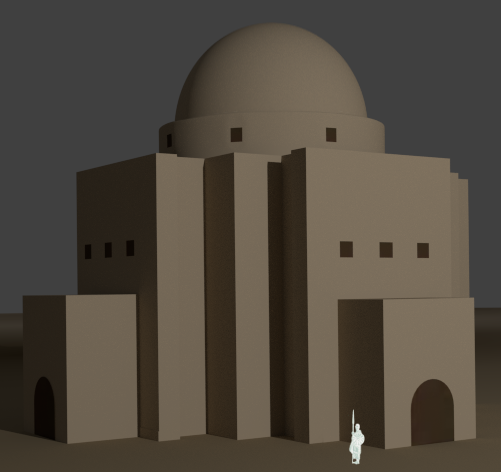
Deserted medieval Nubian town in Sudan.
Tabo (Nubia)
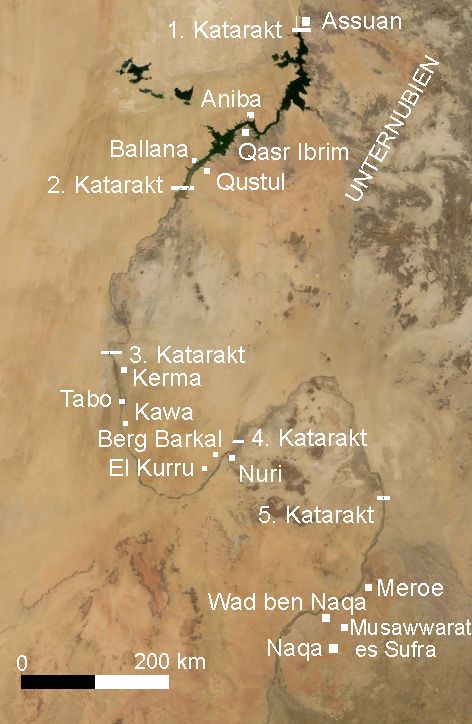
Large damaged Amun temple in Nubia.
Zuma, Sudan
Ancient tumuli field with distinct grave types.
El-Kurru
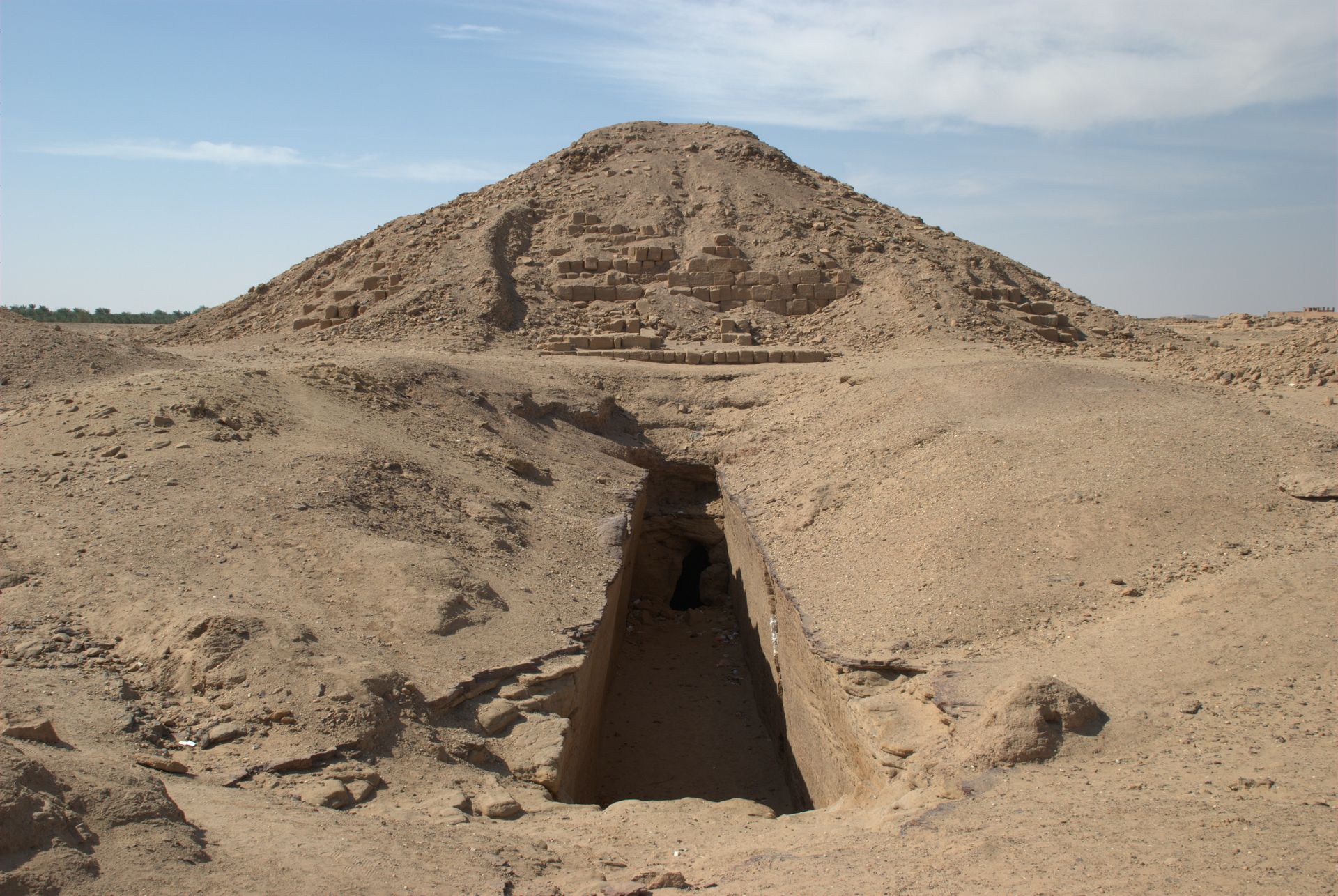
Nubian pyramids and tombs in Sudan
Meinarti
Stratified archaeological remains on Nile island
Debeira
Nubian necropolis and medieval town remains