Explore the Map
Old Dongola
18.2231° N, 30.7439° E
About
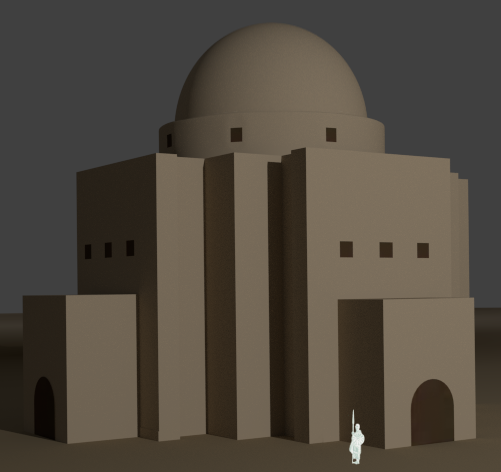
Old Dongola, a significant archaeological site in Northern Sudan, was a central hub in medieval Nubia. Founded in the 5th century CE as a fortress, it served as the capital of the Makurian state from the 4th to the 14th centuries. The city experienced its heyday between the 9th and 11th centuries, with numerous churches, palaces, and a large monastery dedicated to St Anthony. The Throne Hall, a monumental structure, was converted into a mosque in 1317 CE. Despite its decline in the 13th and 14th centuries due to Arab attacks, Old Dongola remained a significant religious and cultural center. The relocation of the economic center to New Dongola in the 19th century marked the end of its prominence. The site today reveals a rich tapestry of defensive, domestic, and religious structures, offering insights into the medieval Nubian civilization.
Gallery
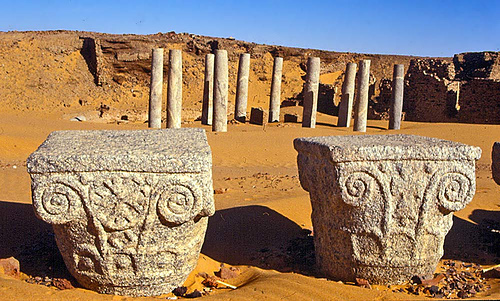
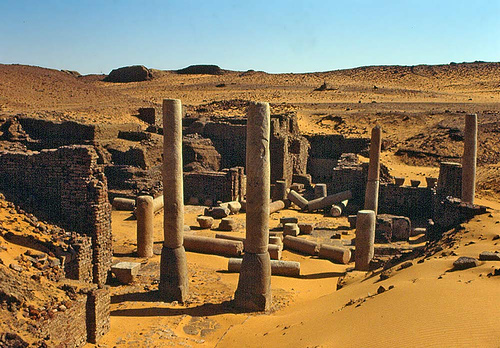
Explore photographs of ancient structures, artifacts, and archaeological excavations
Historical Timeline
Journey through time and discover key events in this site's history
Heyday of Old Dongola
9th-11th centuries CE
Decline of Old Dongola
13th-14th centuries CE
Foundation of Old Dongola
5th century CE
Christianization and Expansion
6th century CE
Construction of Granite Columns Church
7th century CE
Destruction and Rebuilding of Churches
642 CE, 652 CE
Monastery of St Anthony
11th century CE
Conversion of Throne Hall to Mosque
1317 CE
Relocation to New Dongola
1812 CE
Archaeological Features
Unique architectural and cultural elements found at this historical site
Defensive Structures
Public and Civic Structures
Burial and Funerary Structures
Religious and Ritual Structures
Artistic and Decorative Features
Domestic and Habitation Structures
Frequently Asked Questions
Plan Your Visit
Tours, travel arrangements, and practical information
More Sites in Sudan
Jebel Barkal
Mesa with temples and pyramids in Sudan.
Zuma, Sudan
Ancient tumuli field with distinct grave types.
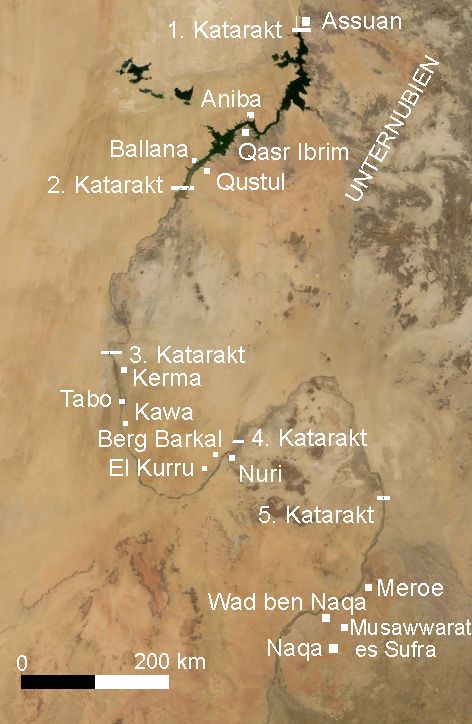
Tabo (Nubia)
Large damaged Amun temple in Nubia.
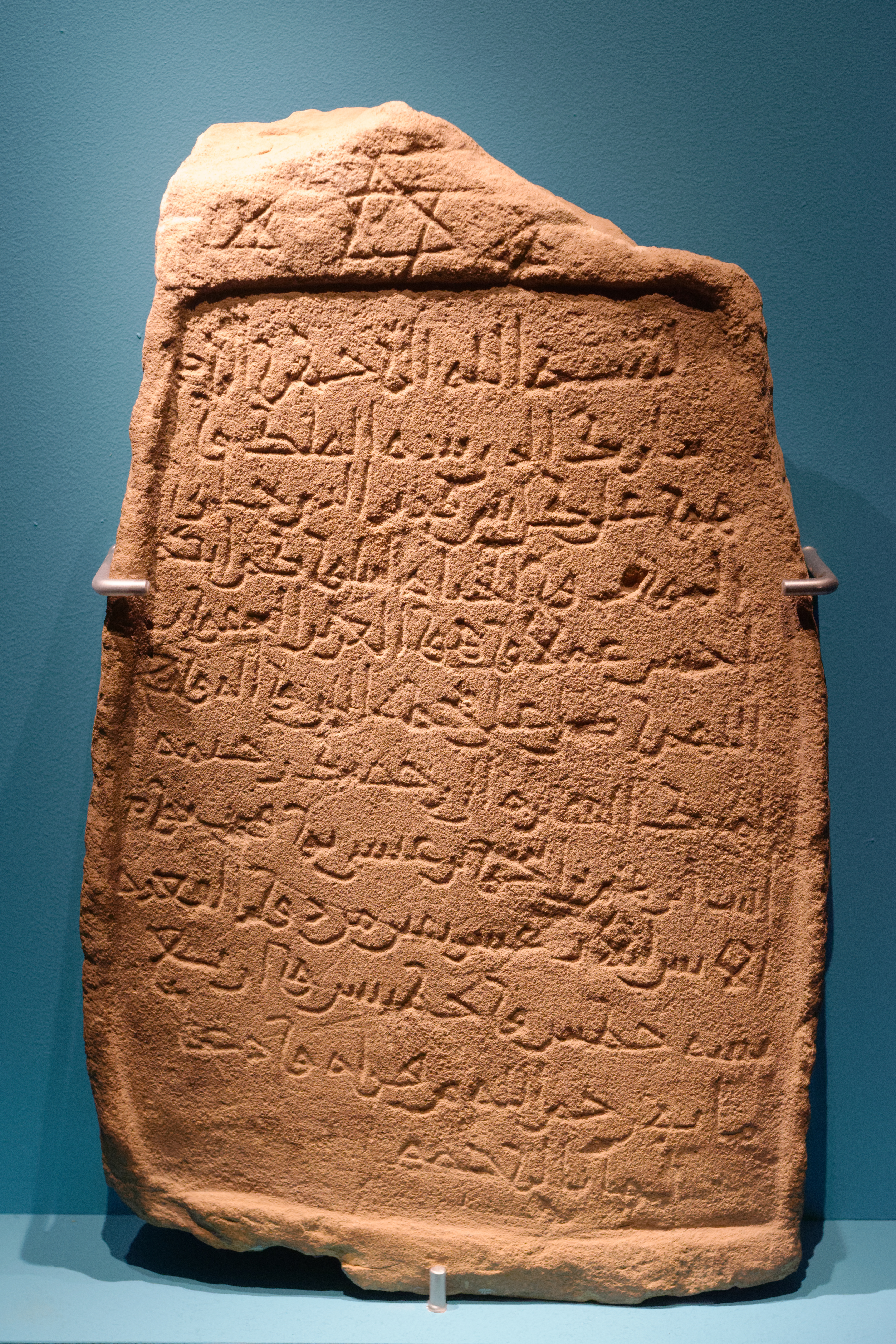
Meinarti
Stratified archaeological remains on Nile island
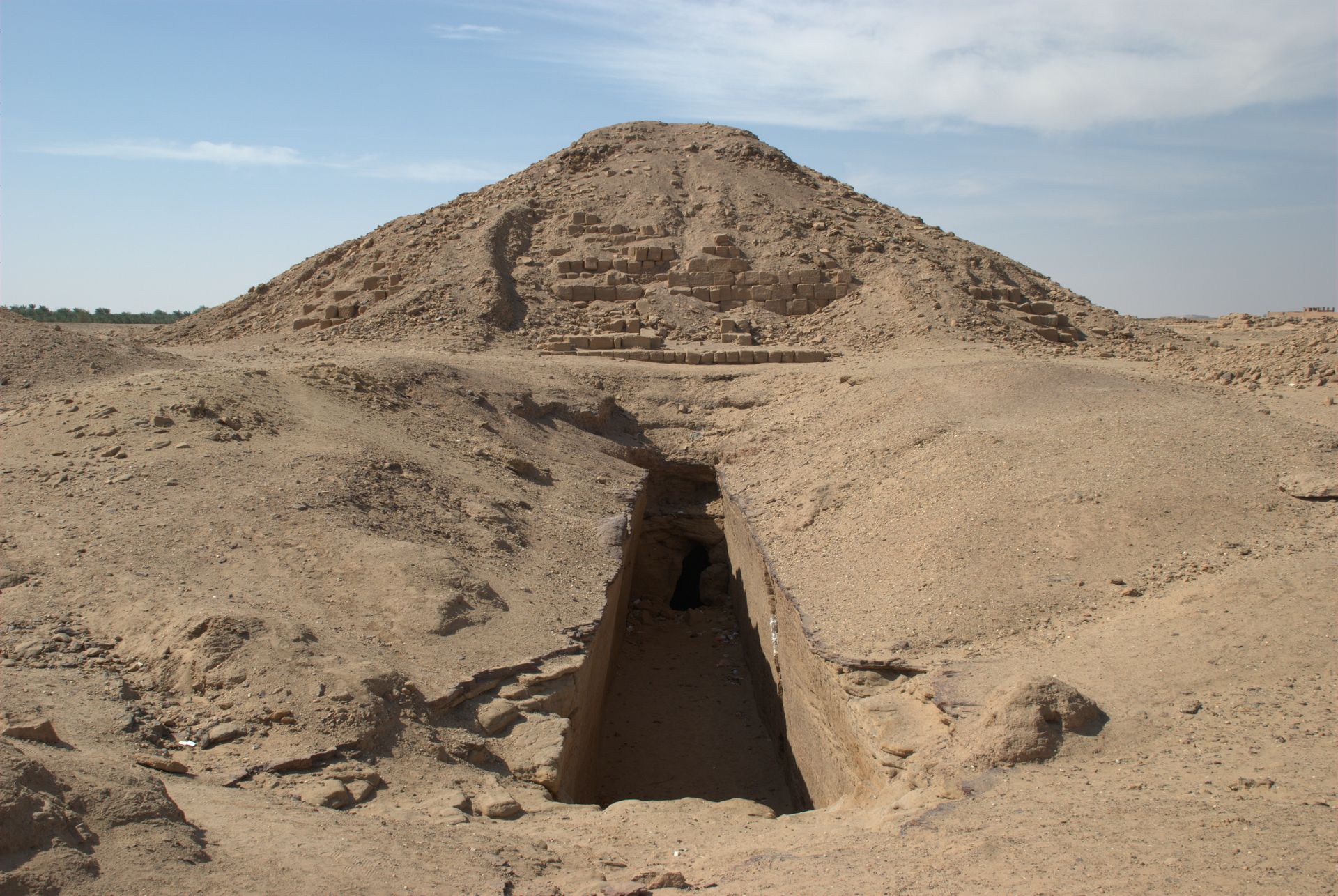
El-Kurru
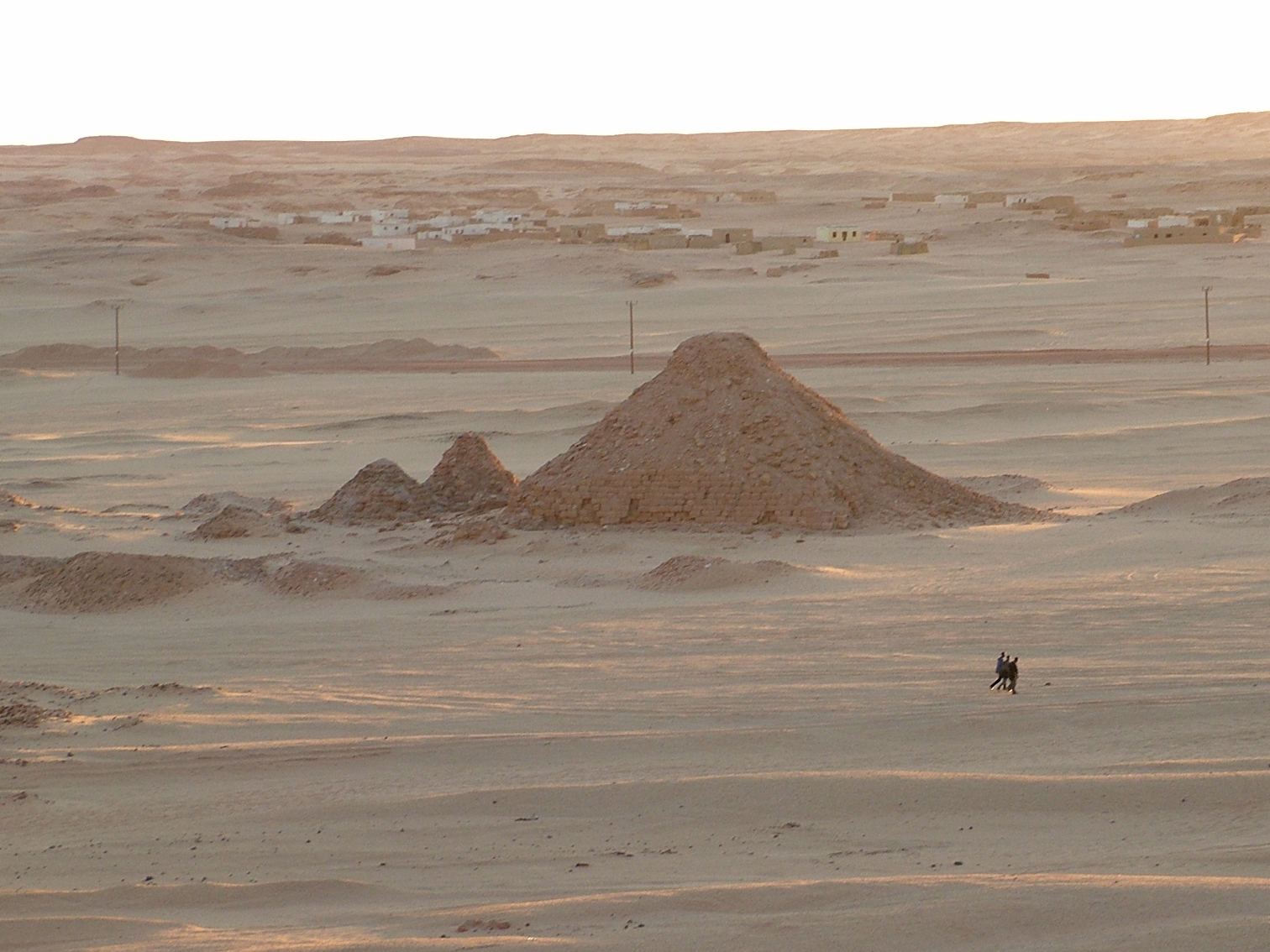
Nubian pyramids and tombs in Sudan
Debeira
Nubian necropolis and medieval town remains