Explore the Map
Abu Nafisa fort
16.0139° N, 32.5540° E
About
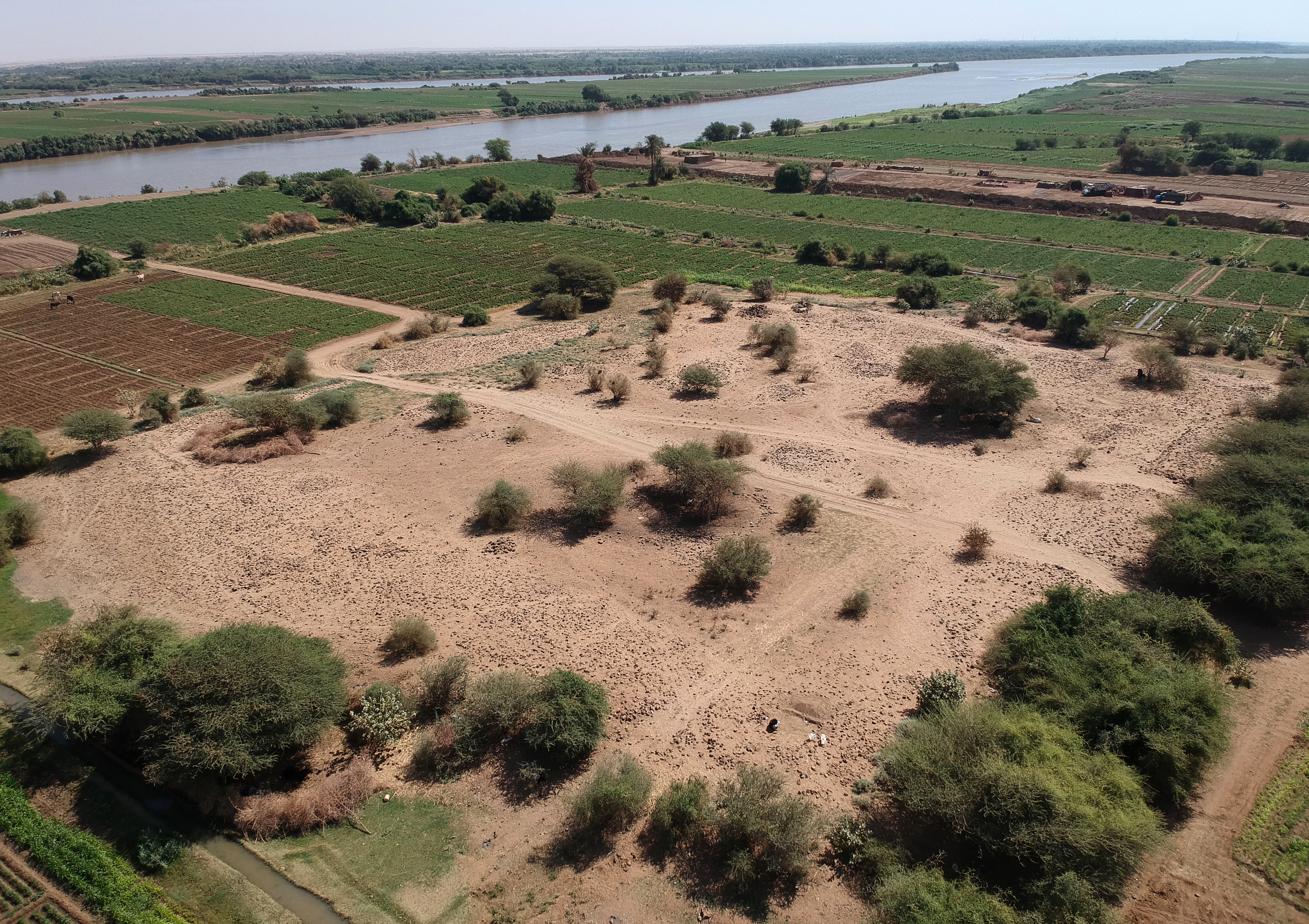
The Abu Nafisa Fort, located in Khartoum Province, Sudan, is a significant archaeological site built by the rulers of Alwa in the 6th century CE. This quadrilateral fort, measuring 83x78 meters, is situated on the left bank of the Nile. Notable for its bastions, the fort's strategic placement near the river has led to periodic flooding and damage. In the southeastern corner of the fort lies the tomb of Sheikh Abu Nafisa, dating back to the Funj Sultanate period in the 18th-19th centuries CE. The site's historical significance is underscored by its construction during a time when similar forts, such as Hosh el-Kab, were also being built. Today, the fort is surrounded by cultivated land, and its periodic submersion is captured in satellite imagery.
Gallery
Explore photographs of ancient structures, artifacts, and archaeological excavations
Historical Timeline
Journey through time and discover key events in this site's history
Construction of Abu Nafisa Fort
550 CE
Use of Sheikh Abu Nafisa Tomb
1700 CE
Archaeological Features
Unique architectural and cultural elements found at this historical site
Defensive Structures
Burial and Funerary Structures
Plan Your Visit
Tours, travel arrangements, and practical information


More Sites in Sudan
Zuma, Sudan
Ancient tumuli field with distinct grave types.
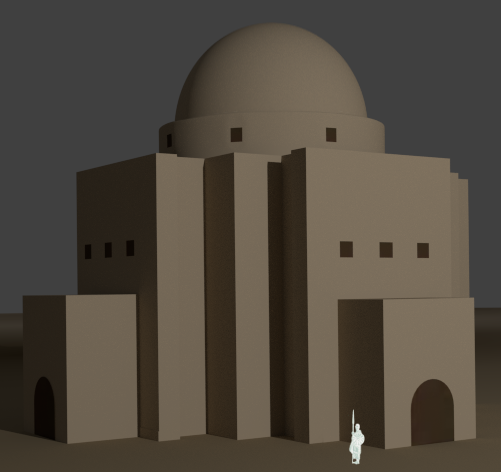
Old Dongola
Deserted medieval Nubian town in Sudan.
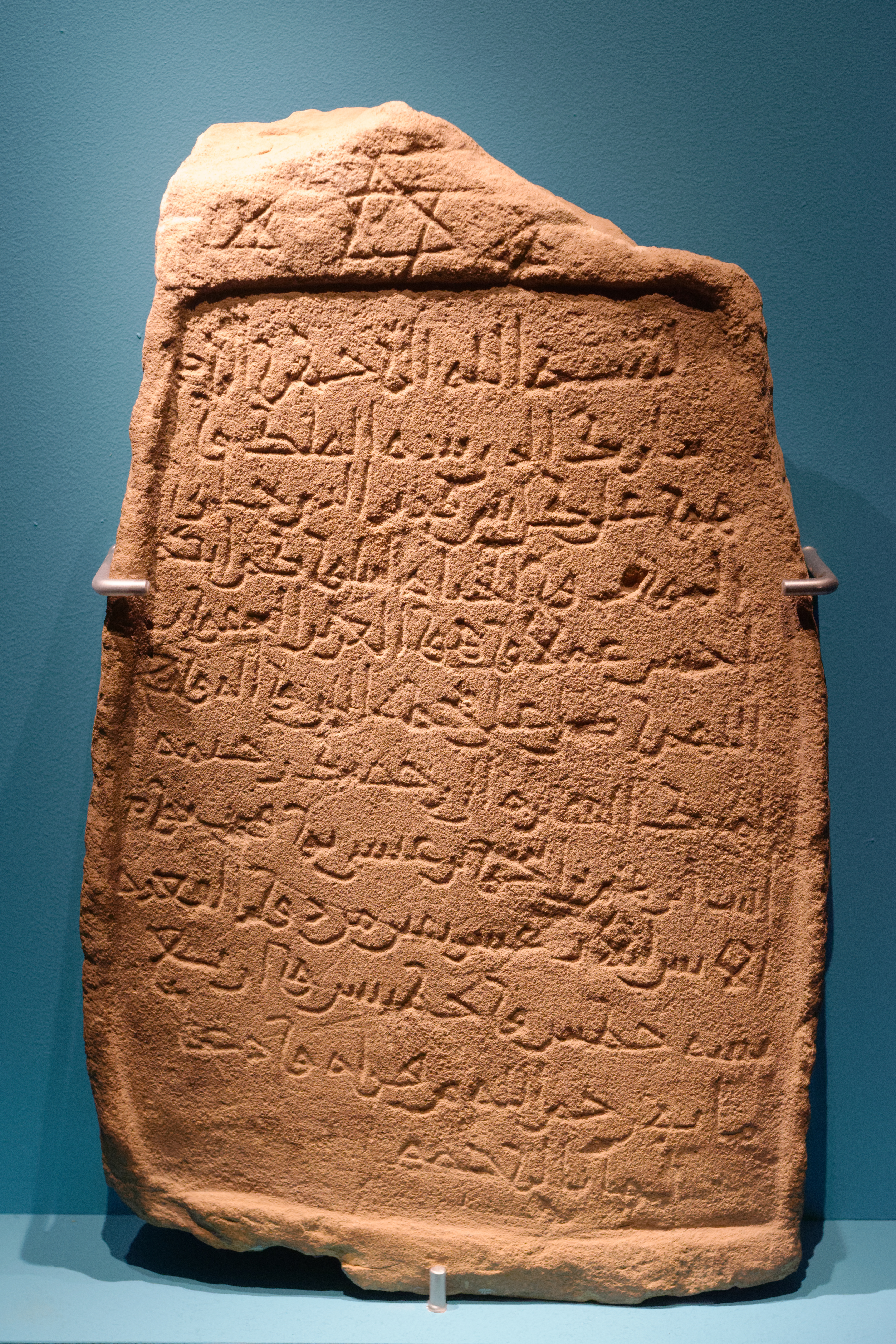
Meinarti
Stratified archaeological remains on Nile island
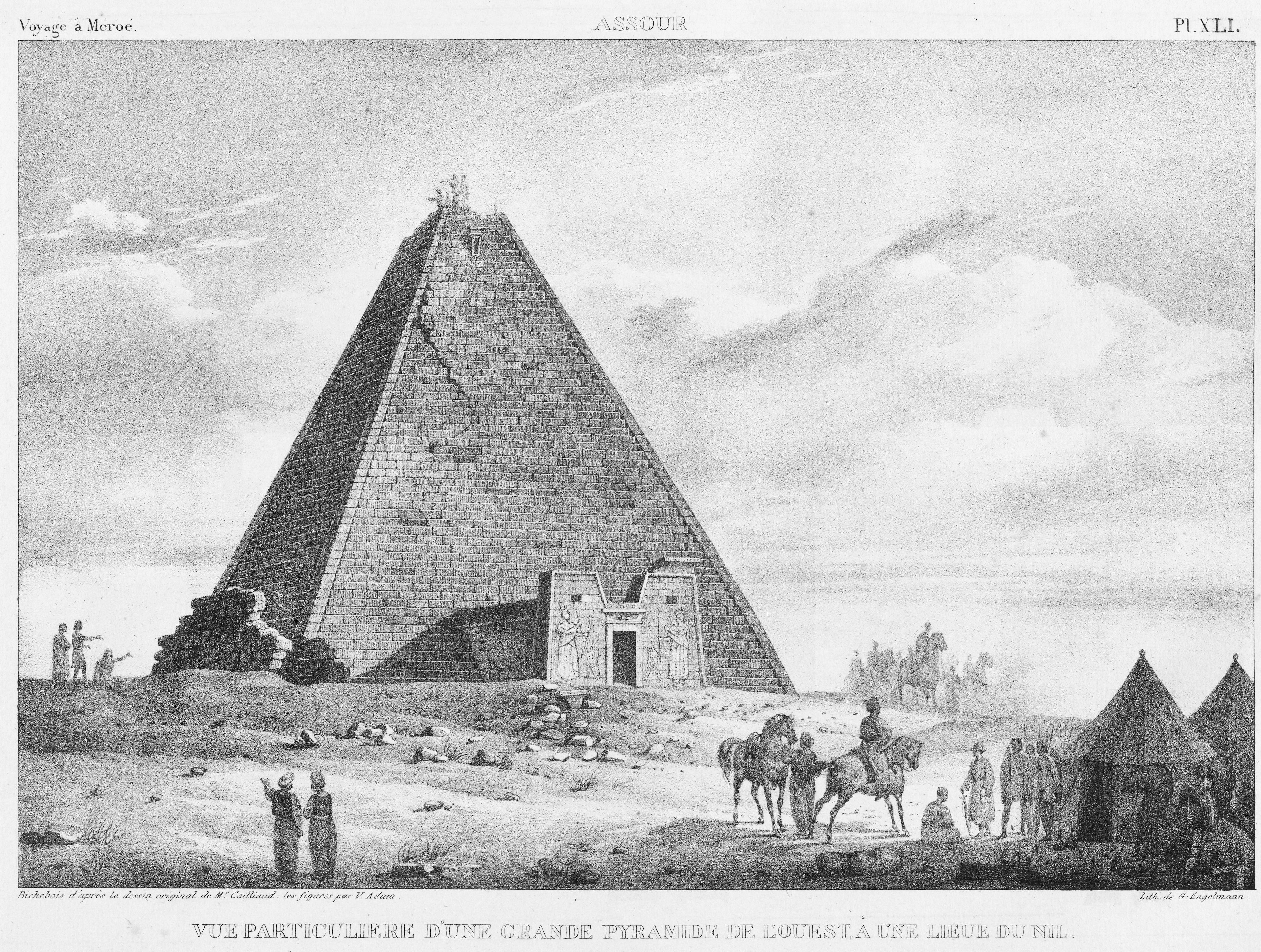
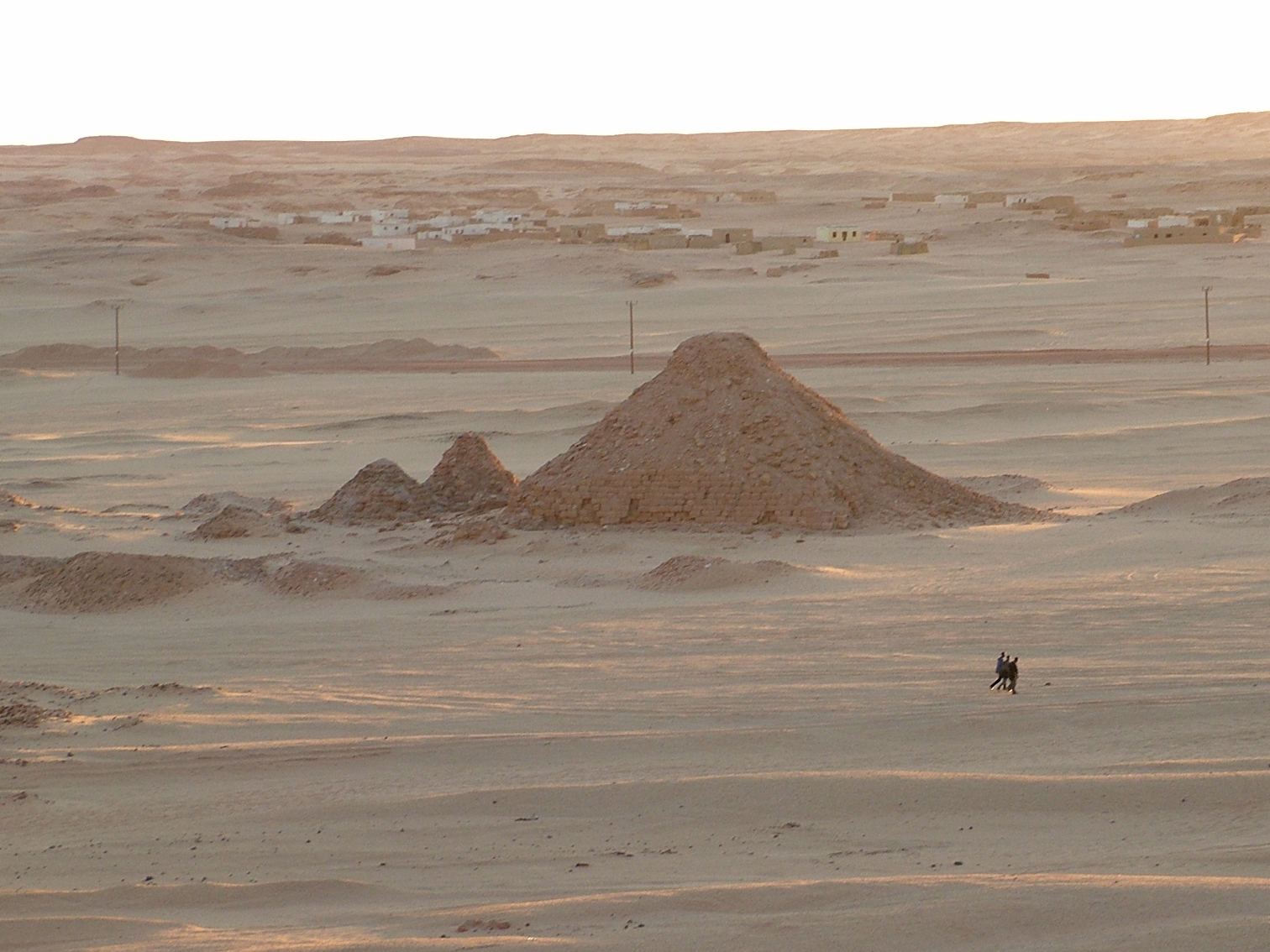
Nubian pyramids
Tall, narrow stepped pyramids in Sudan.
Jebel Barkal
Mesa with temples and pyramids in Sudan.
El-Hobagi
Post-Meroitic tumuli with weapons and vessels