Explore the Map
Soba (city)
15.5239° N, 32.6808° E
About
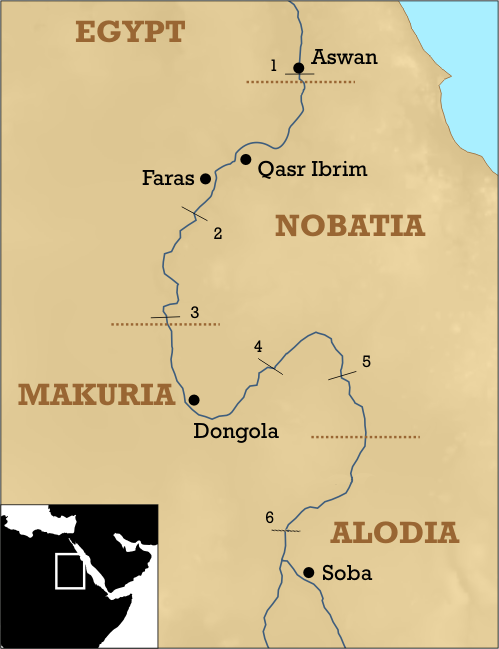
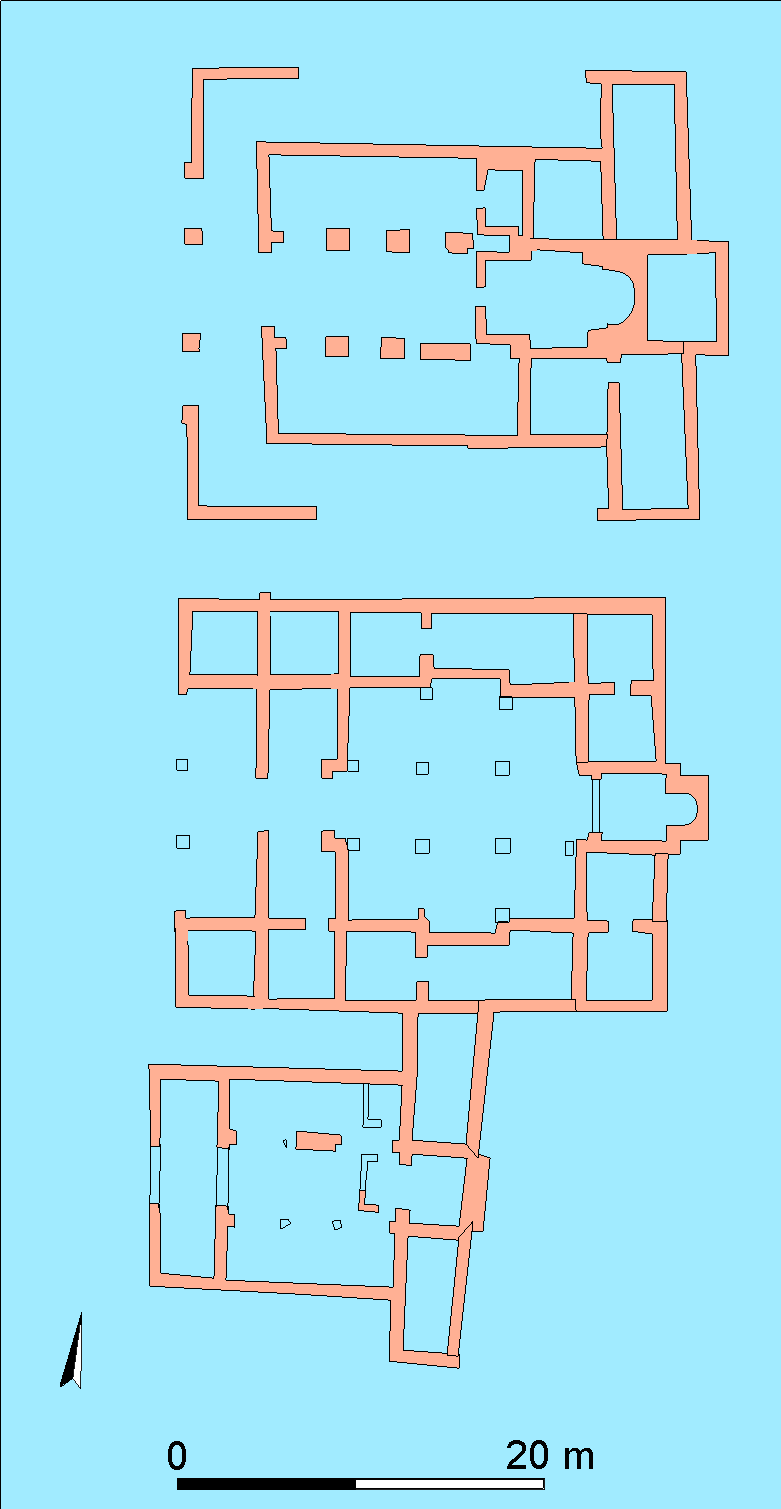
Soba, located on the Blue Nile in central Sudan, was the capital of the medieval Nubian kingdom of Alodia from the 6th century until around 1500 CE. The city was built primarily of red brick and included notable structures such as a Meroitic temple converted into a Christian church. Despite being described as large and wealthy in the 10th century, modern archaeological investigations have revealed it to have been a moderate center. The site, covering approximately 275 hectares, has been under threat from modern development, with only a small portion excavated. Recent interdisciplinary projects aim to further understand Soba's topography and spatial structure, revealing significant features such as a street grid and separate architectural complexes.
Gallery
Explore photographs of ancient structures, artifacts, and archaeological excavations
Historical Timeline
Journey through time and discover key events in this site's history
Capital of Alodia
6th century CE
City described as large and wealthy
10th century CE
Decline of Alodia
Around 1500 CE
Archaeological Features
Unique architectural and cultural elements found at this historical site
Religious and Ritual Structures
Domestic and Habitation Structures
Transportation and Communication Structures
Frequently Asked Questions
Plan Your Visit
Tours, travel arrangements, and practical information
More Sites in Sudan
Jebel Barkal
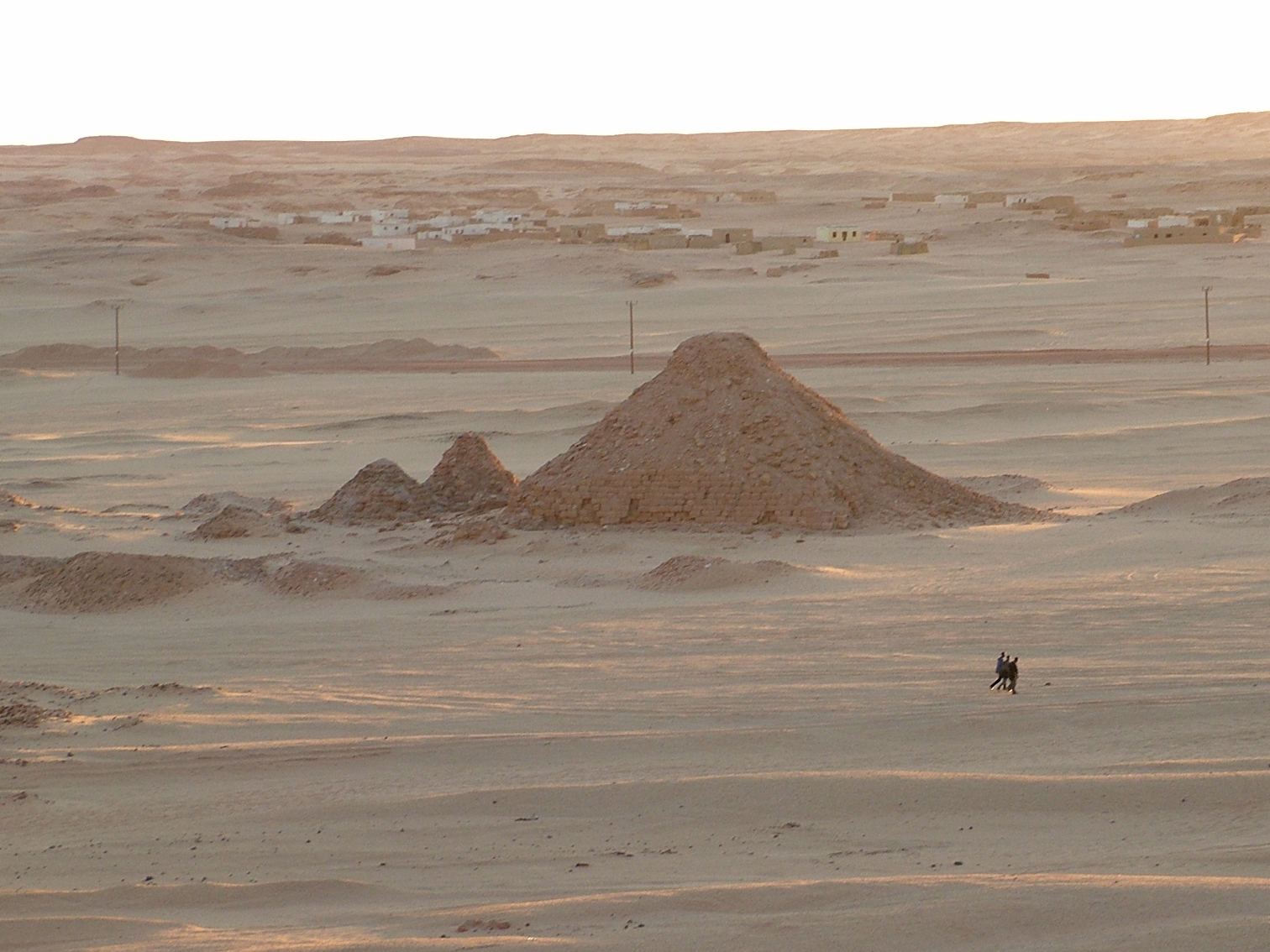
Mesa with temples and pyramids in Sudan.
Tabo (Nubia)
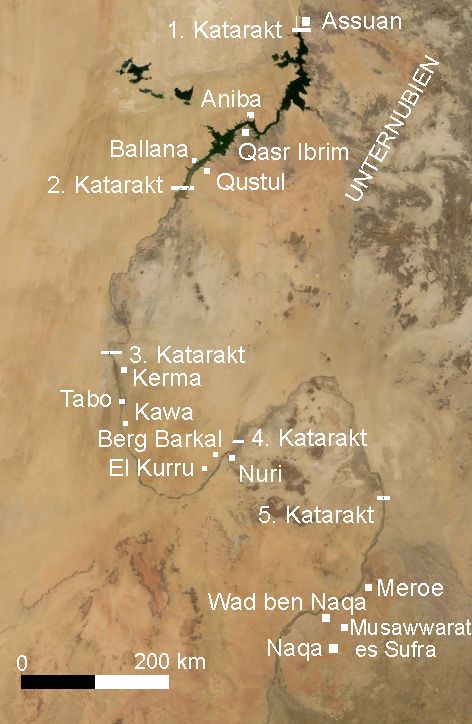
Large damaged Amun temple in Nubia.
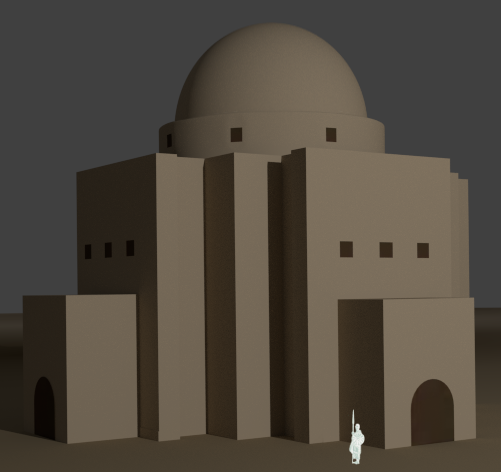
Old Dongola
Deserted medieval Nubian town in Sudan.
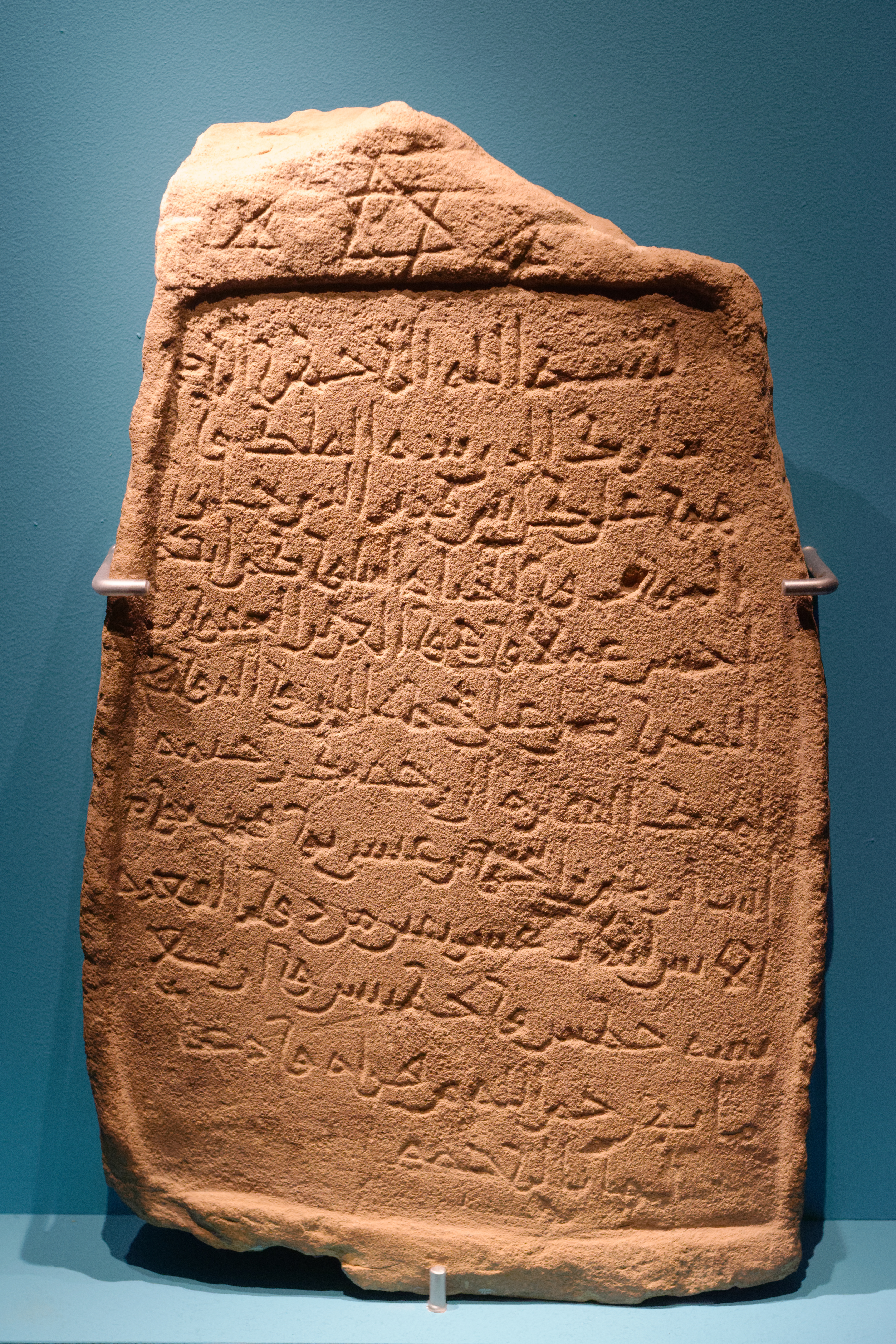
Meinarti
Stratified archaeological remains on Nile island
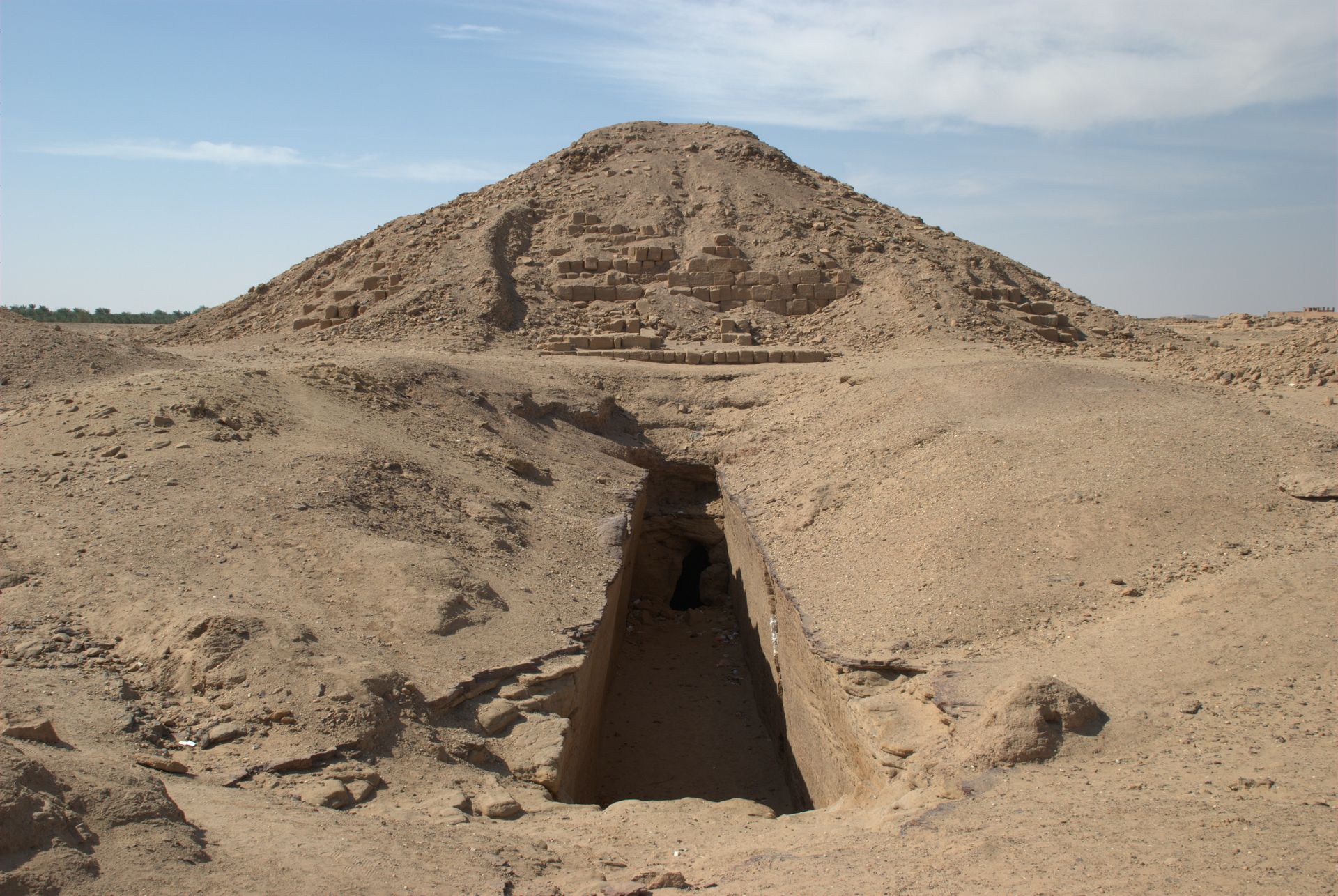
El-Kurru
Nubian pyramids and tombs in Sudan
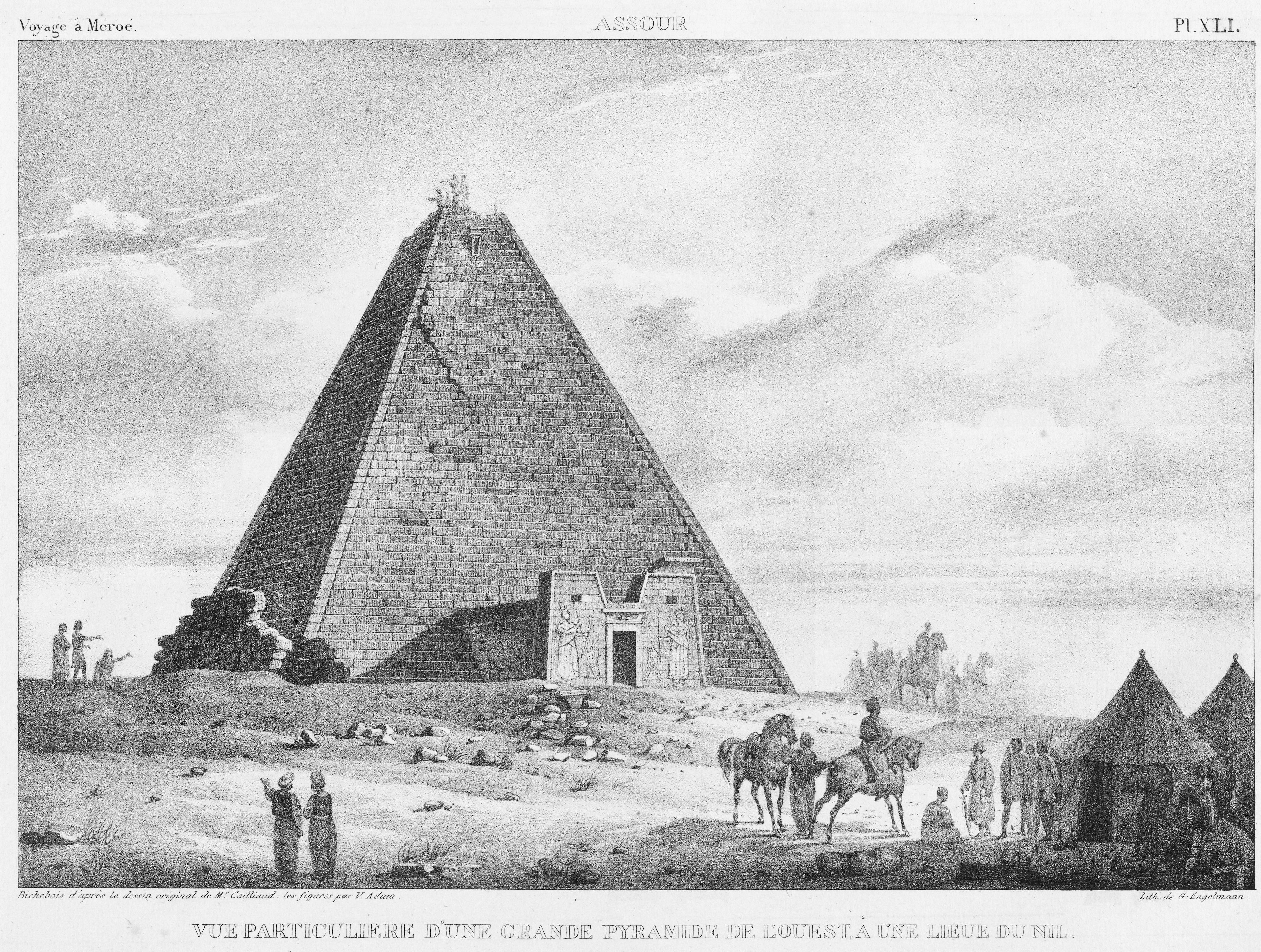
Nubian pyramids
Tall, narrow stepped pyramids in Sudan.