Time Periods
Paleolithic
Mesolithic
Neolithic
Chalcolithic
Bronze Age
Iron Age
Classical Period
Post-Classical Period
Early Modern Period
Industrial Period
Contemporary Period
Time Periods
Paleolithic
Mesolithic
Neolithic
Chalcolithic
Bronze Age
Iron Age
Classical Period
Post-Classical Period
Early Modern Period
Industrial Period
Contemporary Period
Location
About
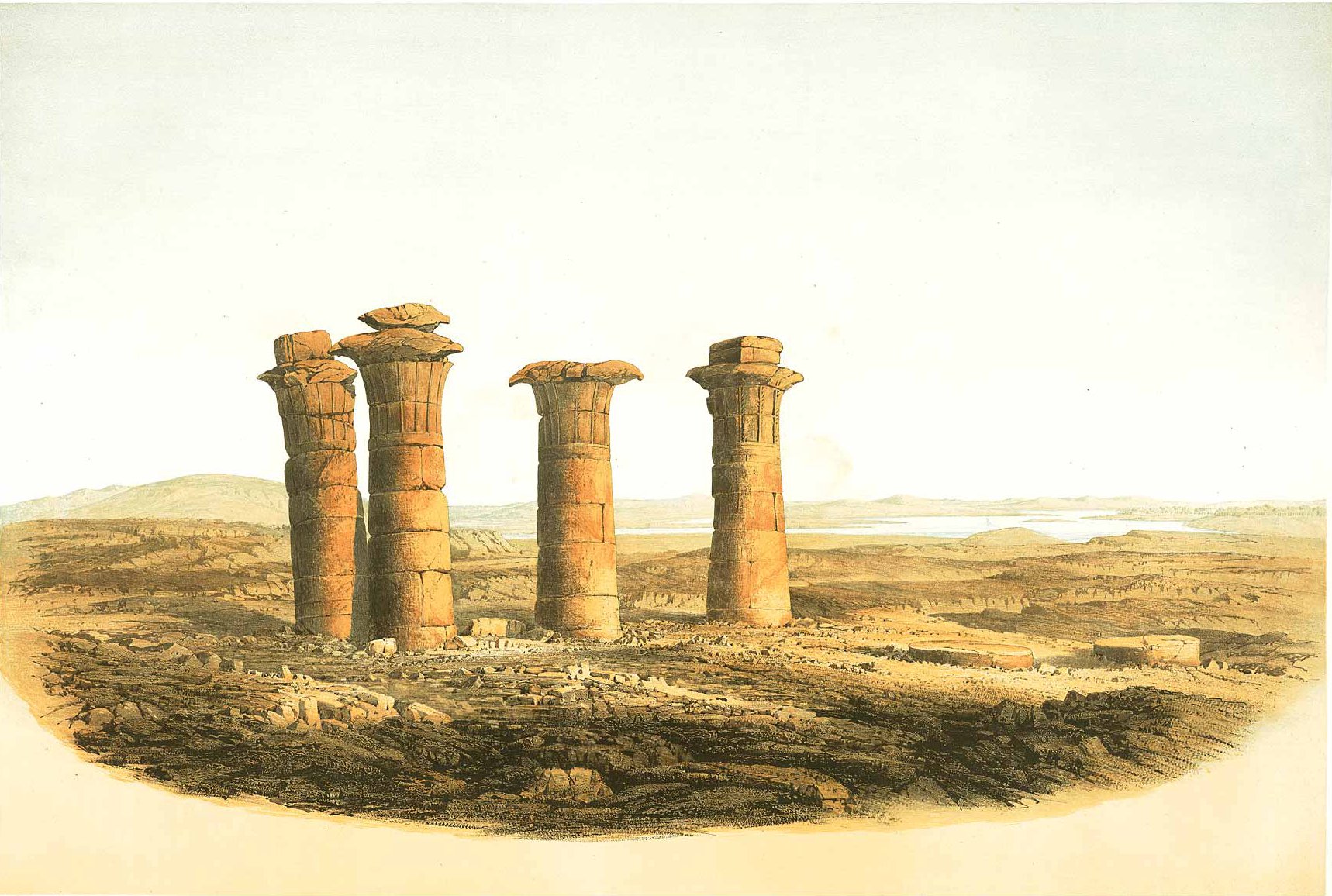
Kulb, located on the Nile in northern Sudan, has a rich archaeological history that reflects its strategic and cultural significance over millennia. During ancient Egyptian times, it served as a key site for mining copper and gold, evidenced by inscriptions from the 4th and 5th Dynasties. The area's cultural divergence from Upper Nubia started in the Roman period, influenced by the granite barriers of the Batn-El-Hajar. By the 11th century CE, Kulb became a retreat for Christians, evidenced by the presence of the unique domed Kulubnarti church – a rare example of a Christian center plan building in Lower Nubia. The site also hints at an earlier fortress, suggesting its longstanding defensive role. Excavations have uncovered features spanning from prehistoric to Islamic periods, highlighting Kulb's continuous habitation and importance as a cultural and religious refuge.
Archaeological Features
Explore the unique architectural and cultural elements found at this historical site
Defensive Structures
Industrial and Craft Structures
Religious and Ritual Structures
Historical Timeline
Journey through time and discover key events in this site's archaeological history
Plan Your Visit
Details
- Country
- Sudan
- Source
- Wikipedia
More Sites in Sudan
Faras
Underwater city with Christian cathedral art.
Jebel Barkal
Mesa with temples and pyramids in Sudan.
Semna (Nubia)
Middle Kingdom Egyptian fortresses in Nubia
Debeira
Nubian necropolis and medieval town remains
Kageras
Late medieval fort with church and walls
Sesebi
New Kingdom Egyptian town with temple