Explore the Map
Kanisah Kurgus
19.2308° N, 33.4772° E
About
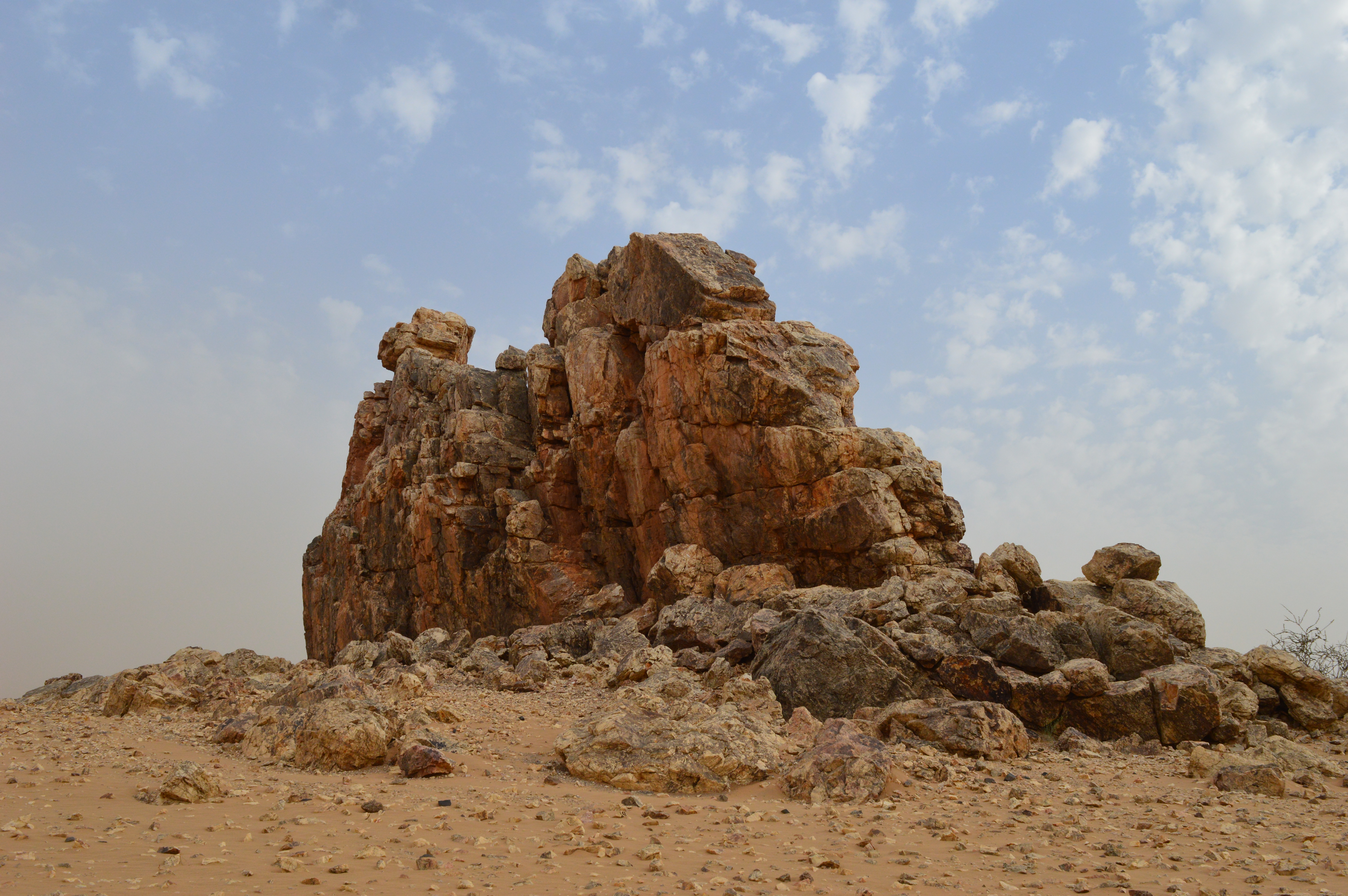
Kanisah Kurgus, an archaeological site in Sudan, lies on the east bank of the Nile between the Fourth and Fifth cataracts near Abu Hamed. It is notably recognized for the Hagar el-Merwa rock art, which includes boundary stelae from the era of Thutmose I and Thutmose III, marking the southern boundary of Ancient Egypt along the Nile. The inscriptions on these stelae serve as a stern warning to potential transgressors, emphasizing the political and spiritual authority of the pharaohs, and invoking the deity Amun. The site is characterized by yellow sandstone, which inspired the Nubian name 'Kurgus,' meaning 'yellow.' The presence of these inscriptions provides crucial insights into Egypt's territorial extent during the Late Bronze Age and the role of divine mandate in legitimizing pharaonic rule.
Gallery
Explore photographs of ancient structures, artifacts, and archaeological excavations
Historical Timeline
Journey through time and discover key events in this site's history
Southern border marked by Thutmose I
1500 BCE
Archaeological Features
Unique architectural and cultural elements found at this historical site
Religious and Ritual Structures
Artistic and Decorative Features
Frequently Asked Questions
Plan Your Visit
Tours, travel arrangements, and practical information
More Sites in Sudan
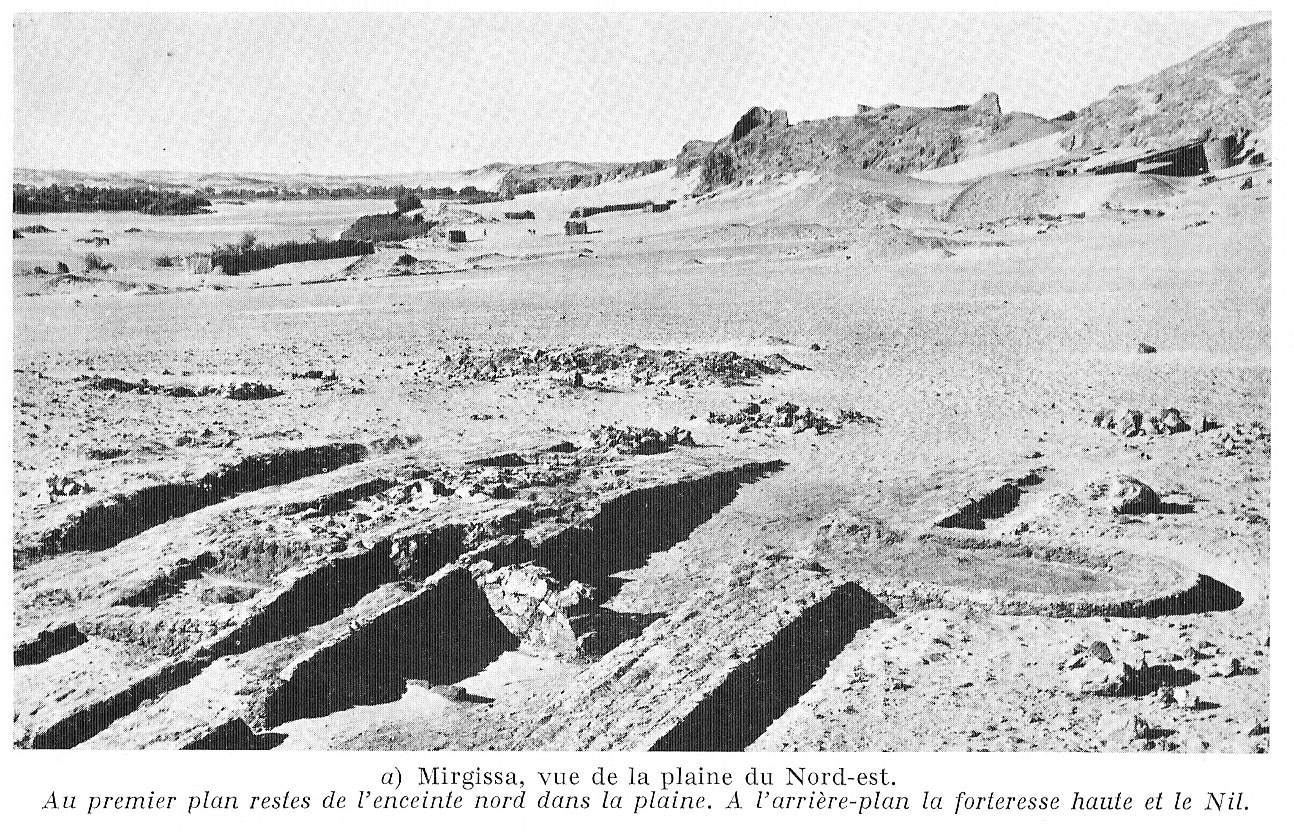
Mirgissa
Fortified Nubian settlement with large fortress.
Debeira
Nubian necropolis and medieval town remains
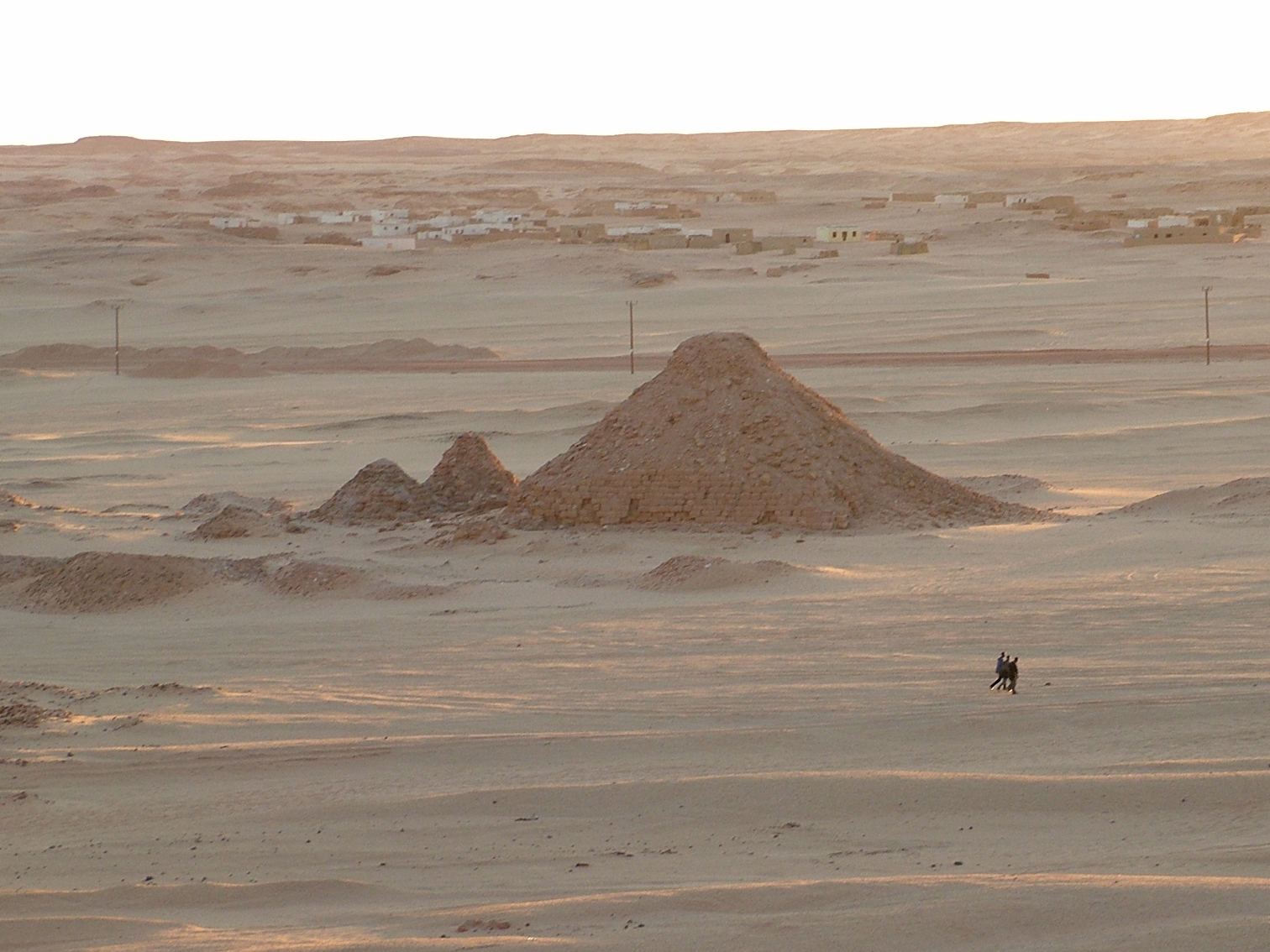
Jebel Barkal
Mesa with temples and pyramids in Sudan.
Shalfak
Ancient Egyptian fortress with mudbrick walls
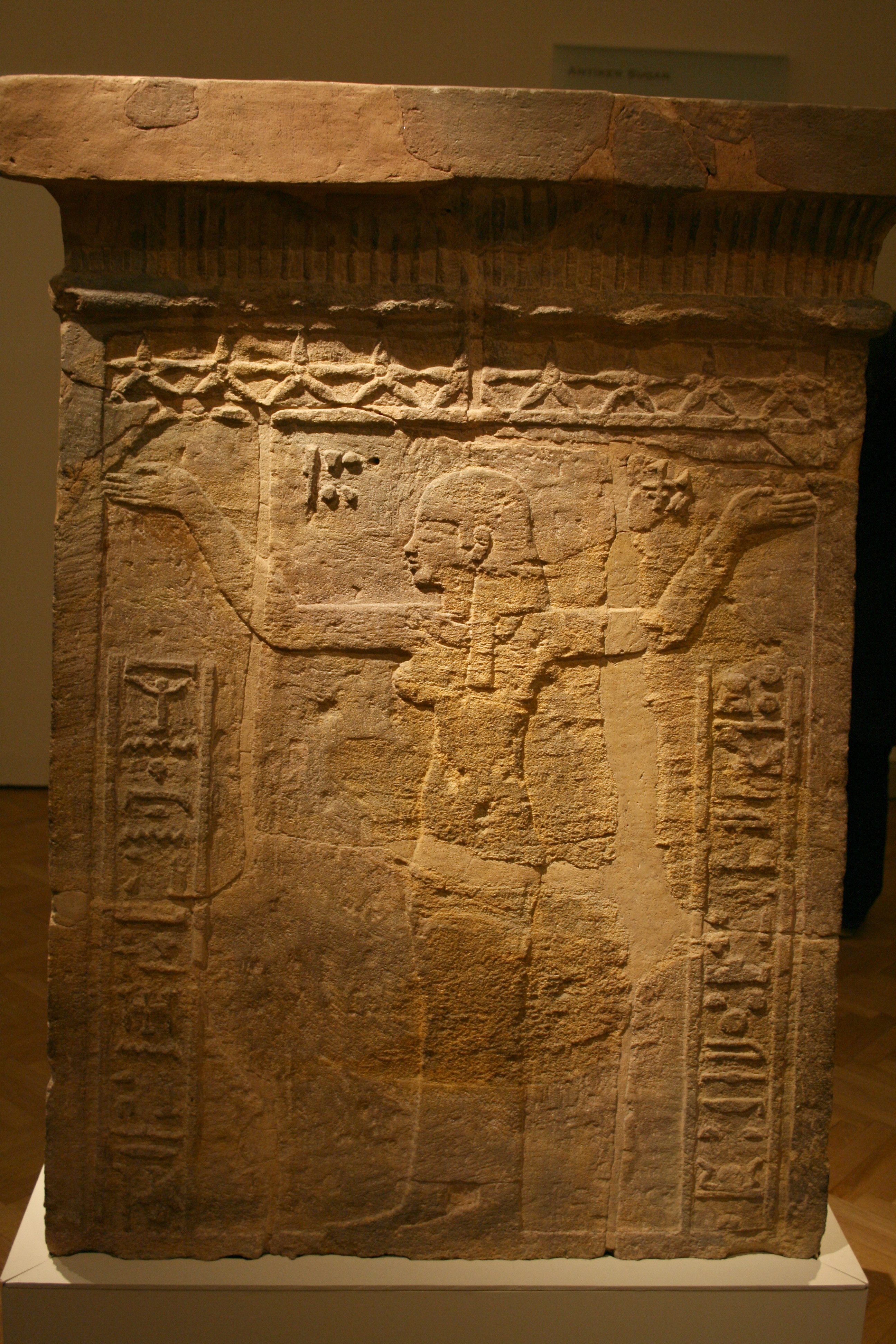
Wad ban Naqa
Wad ben Naga (also Wad Ban Naqa or Wad Naga) is the name of an ancient town of the Kushitic Kingdom of Meroë in present-day Sudan.
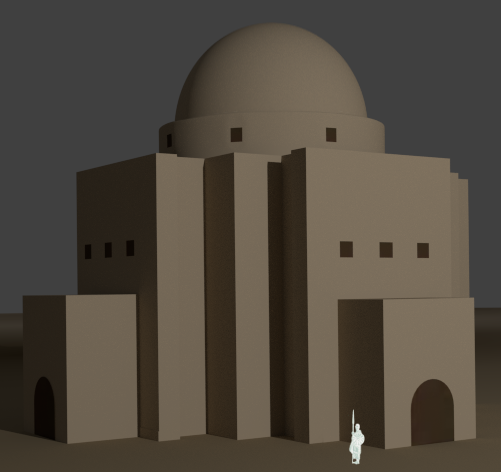
Old Dongola
Deserted medieval Nubian town in Sudan.