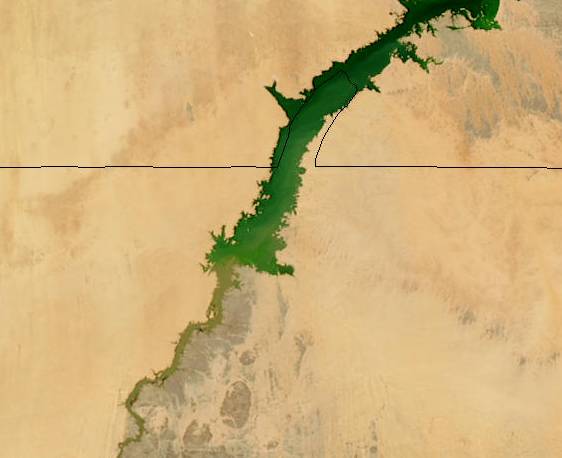
Explore the Map
Askut
21.6333° N, 31.1000° E
About
Askut, also known as Djer-Setiu, was an ancient Egyptian island fortress constructed during the Middle Kingdom under the reign of Sesostris III. Located on the Nile, it served as a strategic defensive structure to secure the border with Nubia. The fortress featured robust defensive walls with bastions, a fortified entrance, a temple, and warehouses. Over time, Askut evolved from a military installation to a more domestically oriented settlement, reflecting changes in community life and structure during the New Kingdom. Archaeological finds, such as pottery, religious artifacts, and evidence of craft production, provide insights into the diverse and multi-ethnic community that resided there. This site offers a valuable glimpse into the social, military, and religious dynamics of ancient Egypt and its interactions with Nubian culture.
Gallery
Explore photographs of ancient structures, artifacts, and archaeological excavations
Historical Timeline
Journey through time and discover key events in this site's history
Construction by Sesostris III
circa 1870 BCE
Transformation in New Kingdom
circa 1550 BCE
Archaeological Features
Unique architectural and cultural elements found at this historical site
Storage Structures
Defensive Structures
Military Installations
Water Management Features
Industrial and Craft Structures
Religious and Ritual Structures
Domestic and Habitation Structures
Food Production and Processing Features
Frequently Asked Questions
Plan Your Visit
Tours, travel arrangements, and practical information
More Sites in Sudan
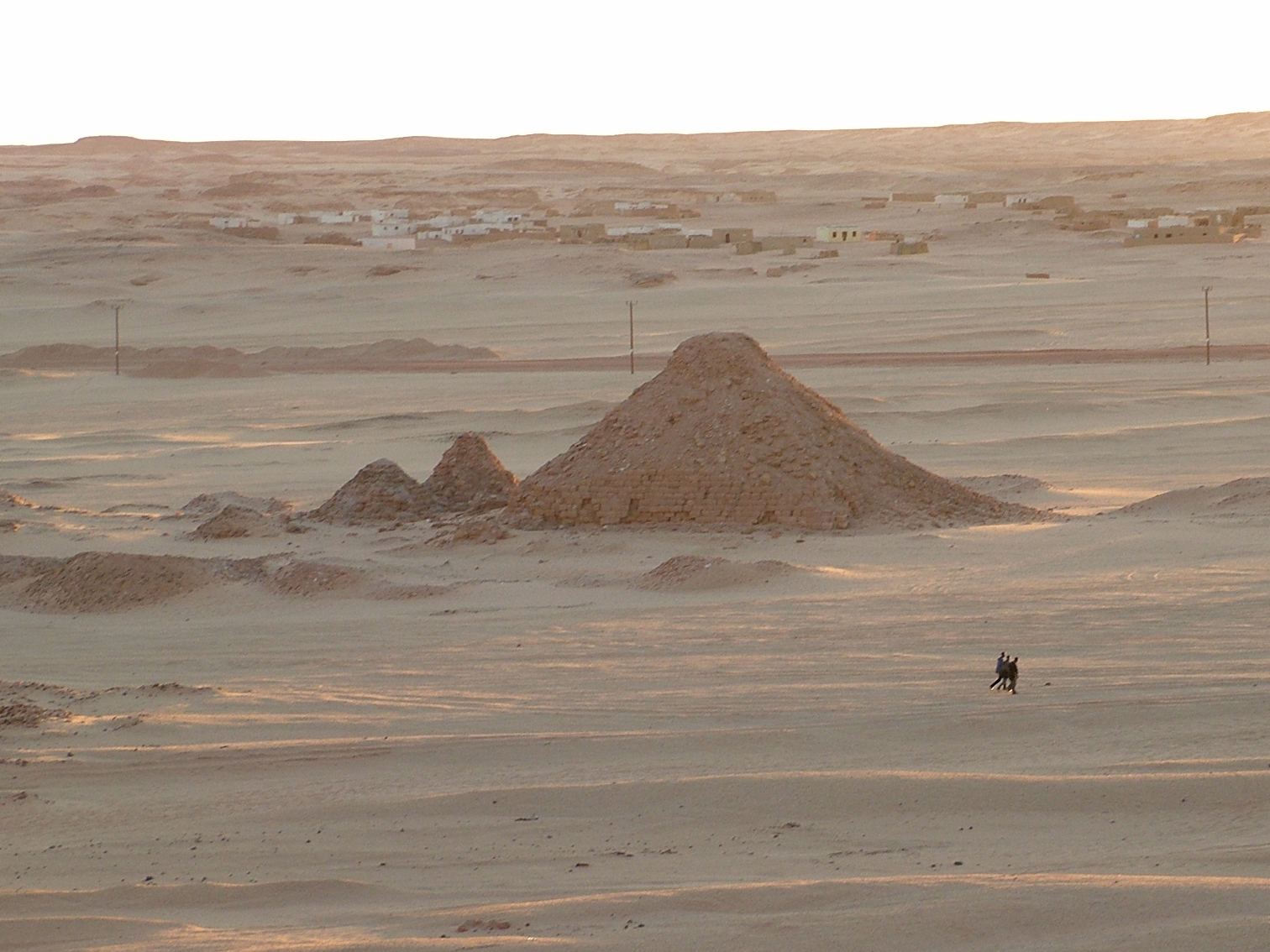
Jebel Barkal
Mesa with temples and pyramids in Sudan.
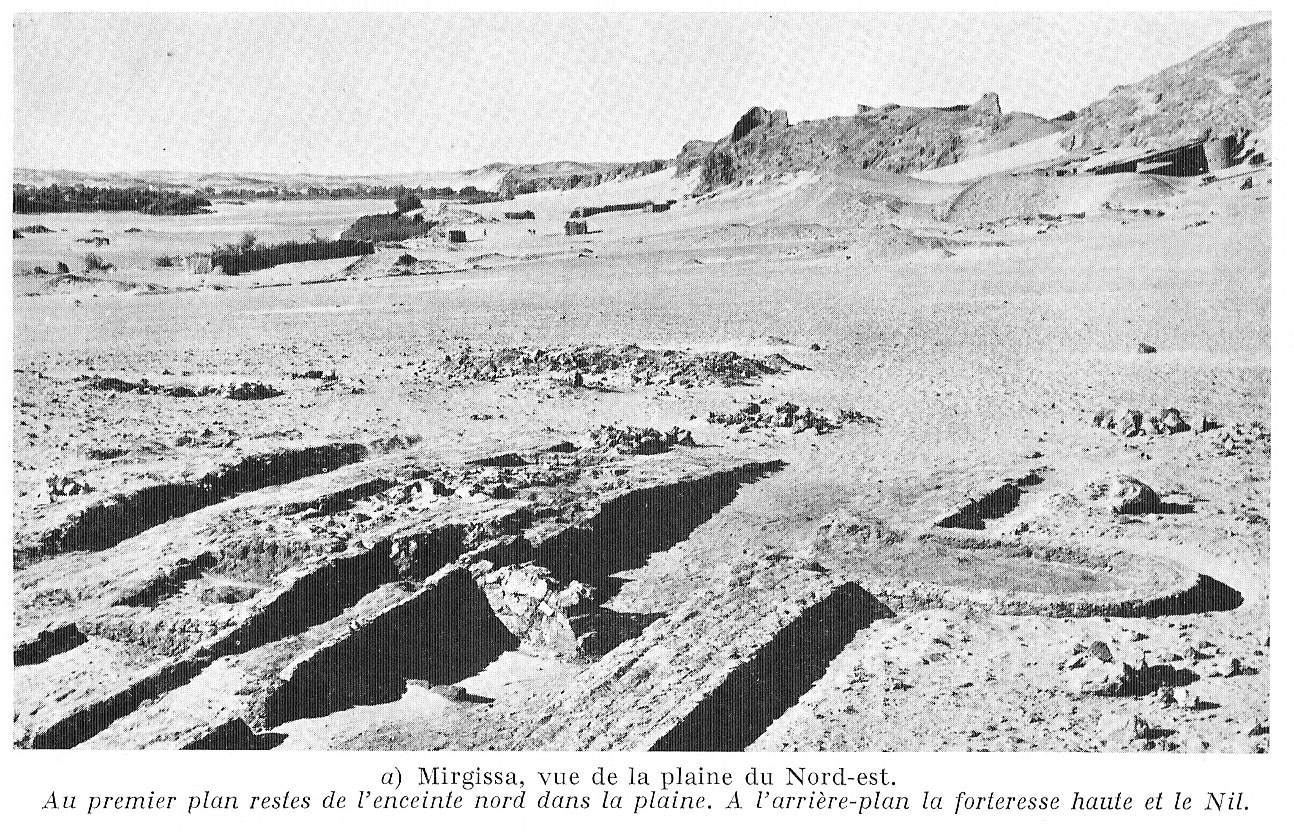
Mirgissa
Fortified Nubian settlement with large fortress.
Debeira
Nubian necropolis and medieval town remains
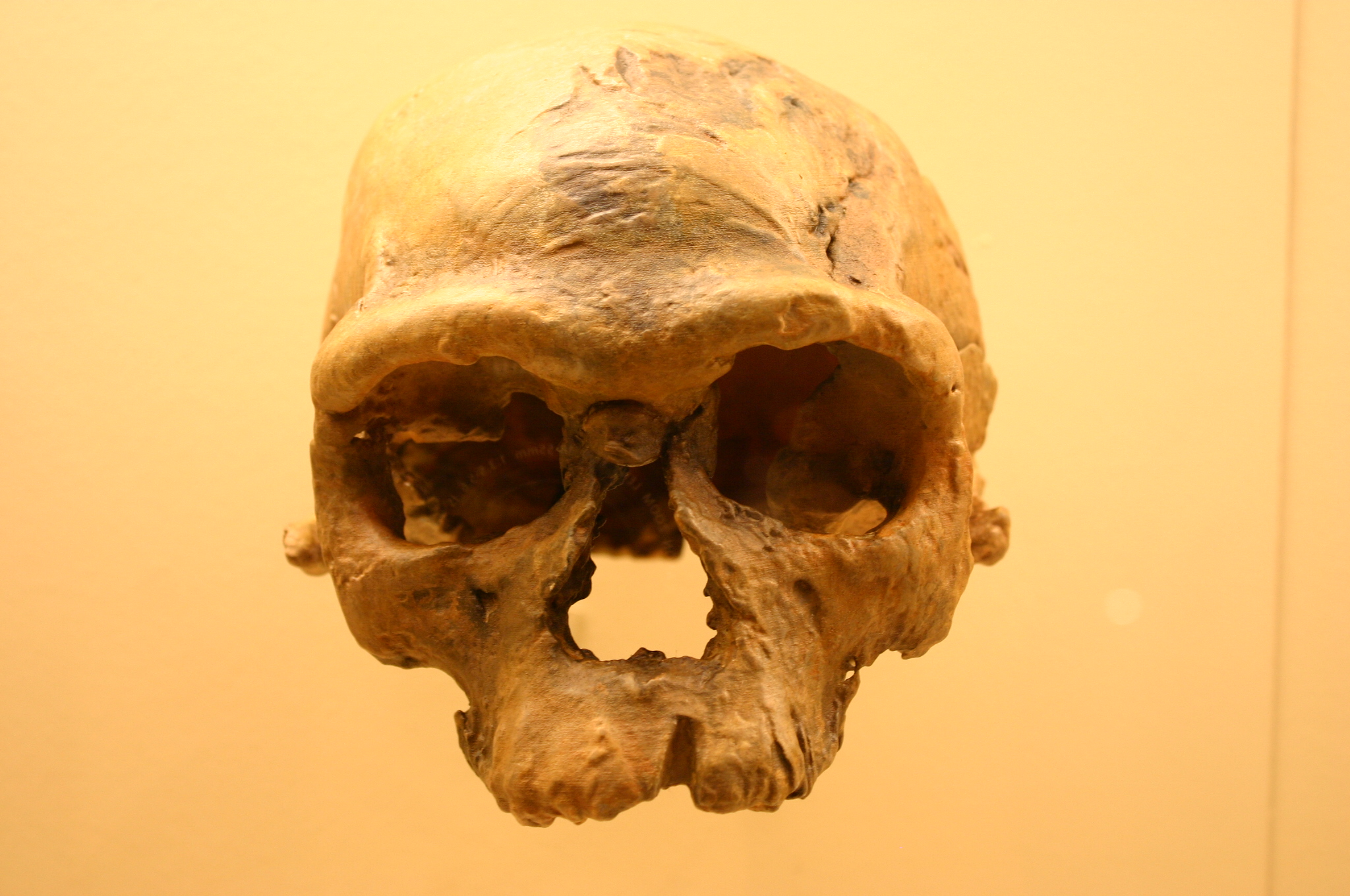
Shalfak
Ancient Egyptian fortress with mudbrick walls
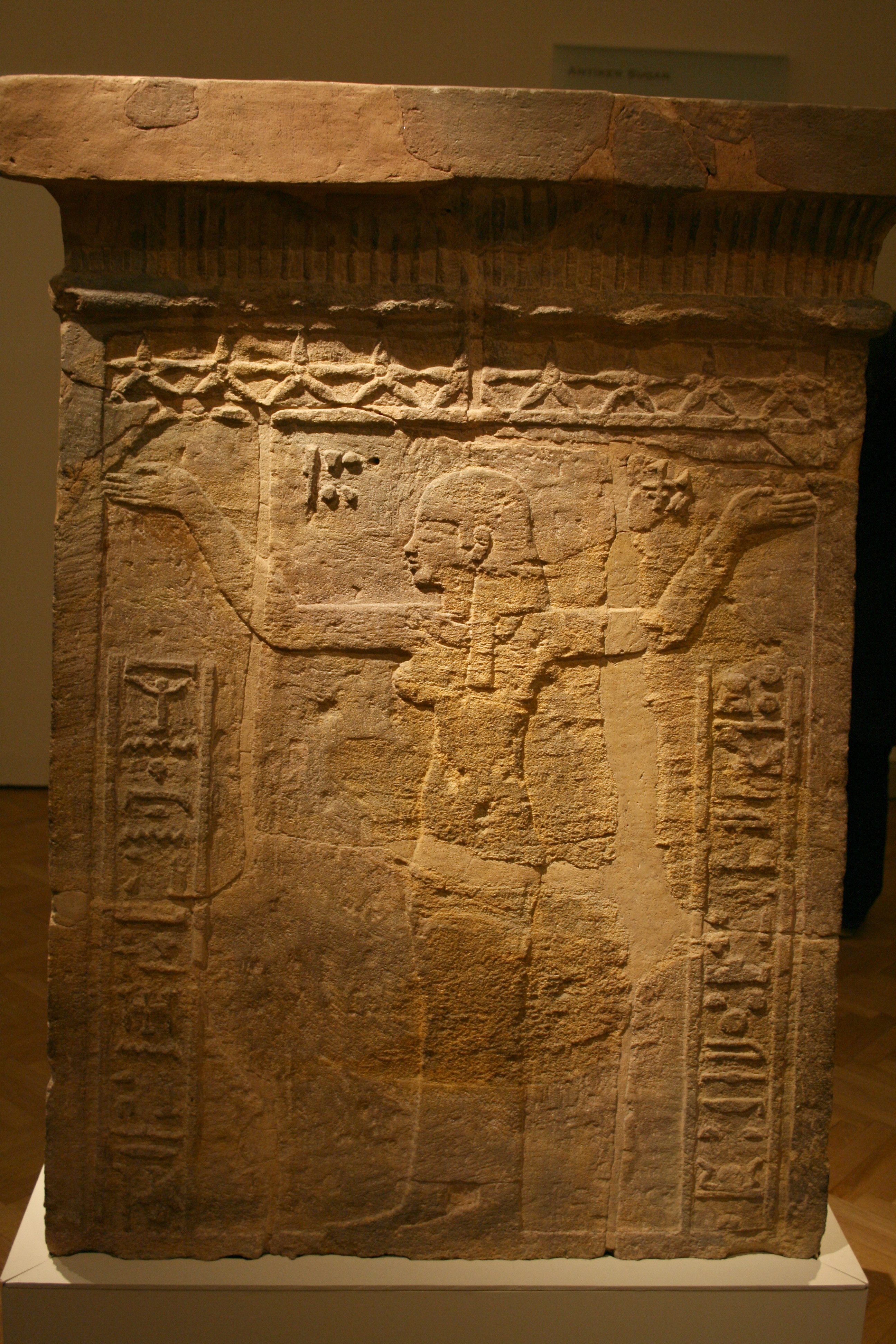
Wad ban Naqa
Wad ben Naga (also Wad Ban Naqa or Wad Naga) is the name of an ancient town of the Kushitic Kingdom of Meroë in present-day Sudan.
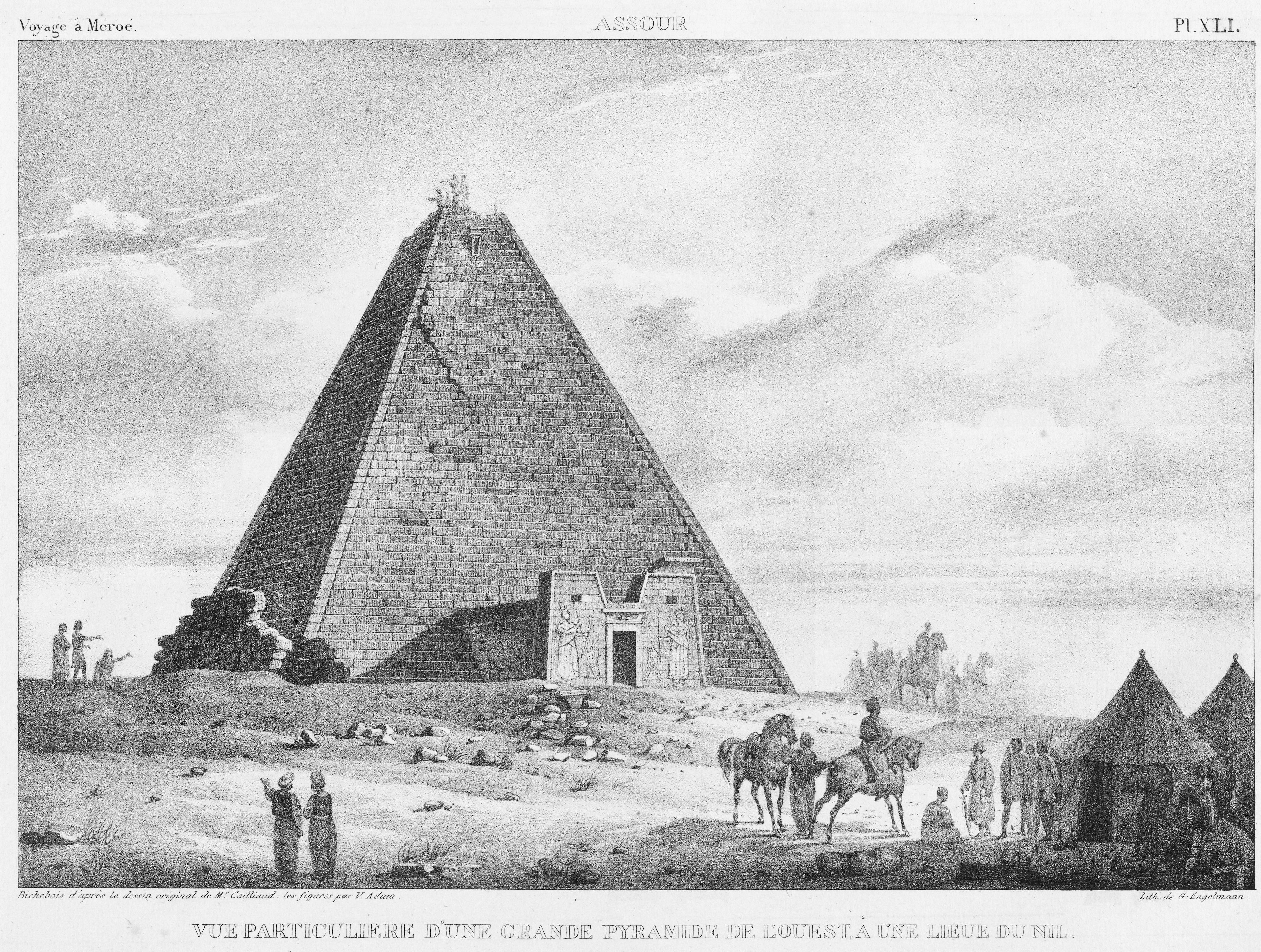
Nubian pyramids
Tall, narrow stepped pyramids in Sudan.