Explore the Map
Hillat al-Arab
18.5068° N, 31.8155° E
About
Hillat al-Arab is an archaeological site in Sudan, located about 3 kilometers south of Jebel Barkal. Known for its rock-cut tombs dating from approximately 1200 to 750 BCE, the site provides rare insights into Nubian culture prior to the Kingdom of Kush. The tombs feature multiple rooms and were designed for various individuals, with no evidence of grave robbing due to a collapsed ceiling in antiquity. Among the artifacts uncovered are Egyptian-style ceramics and imported jewelry, reflecting the area's historical ties to Egypt during the New Kingdom. The site is significant for its relatively primitive painted murals and its role in understanding cultural transitions in Nubia, particularly in relation to Egyptian influence and the rise of the Cushitic period.
Historical Timeline
Journey through time and discover key events in this site's history
Egyptian Influence
ca. 1200 BCE
Pre-Kushite Period
ca. 750 BCE
Archaeological Features
Unique architectural and cultural elements found at this historical site
Burial and Funerary Structures
Artistic and Decorative Features
Frequently Asked Questions
Plan Your Visit
Tours, travel arrangements, and practical information
More Sites in Sudan
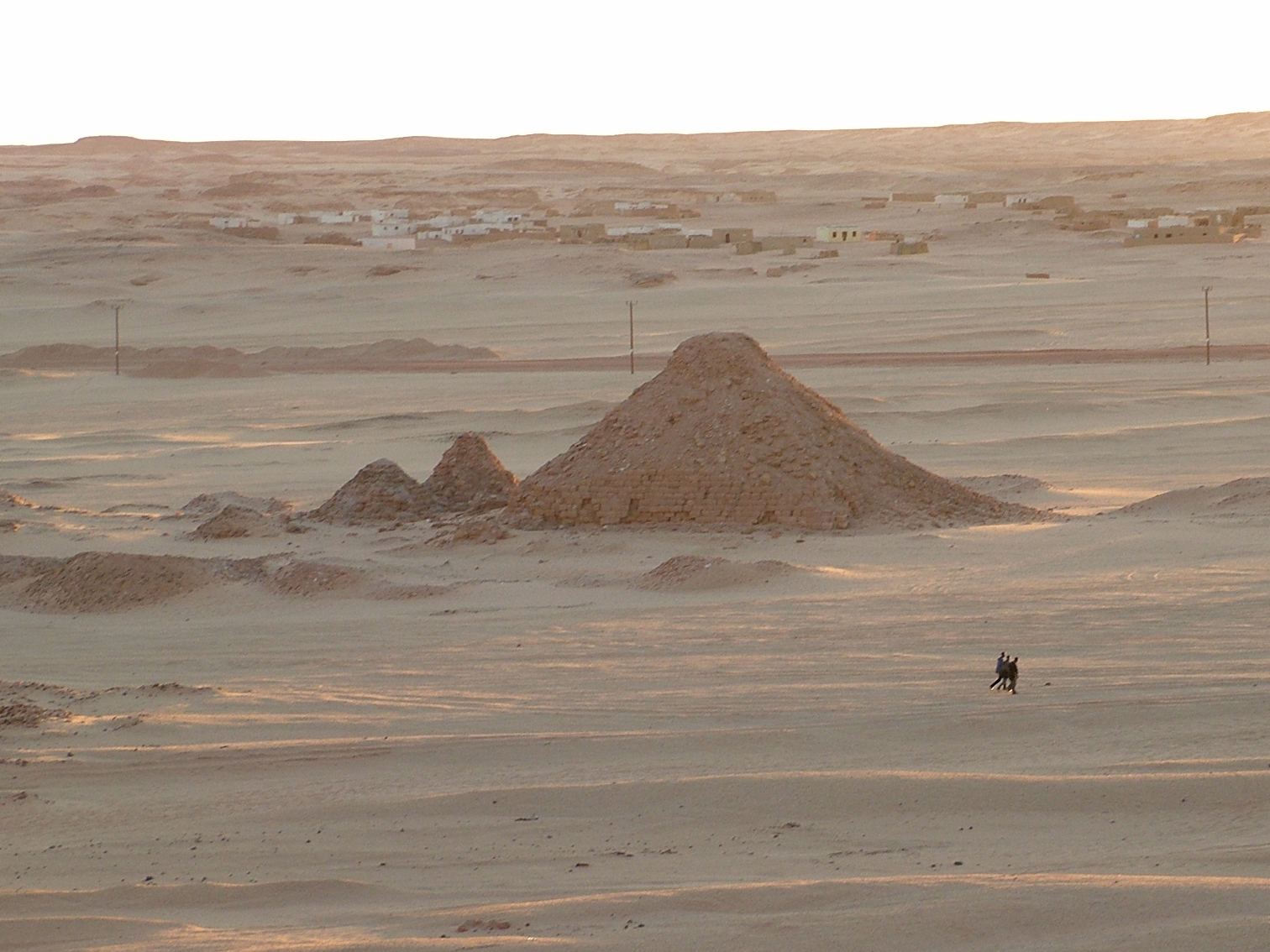
Jebel Barkal
Mesa with temples and pyramids in Sudan.
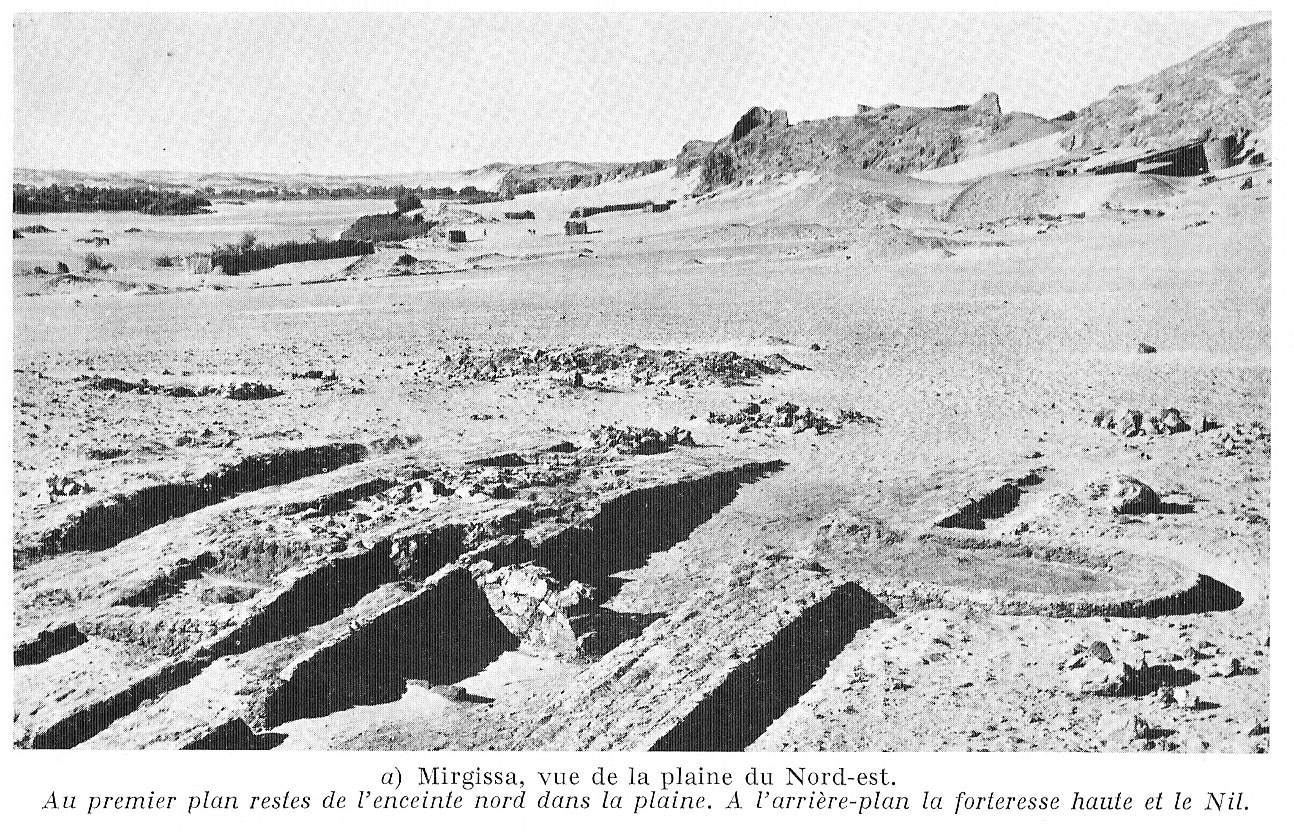
Mirgissa
Fortified Nubian settlement with large fortress.
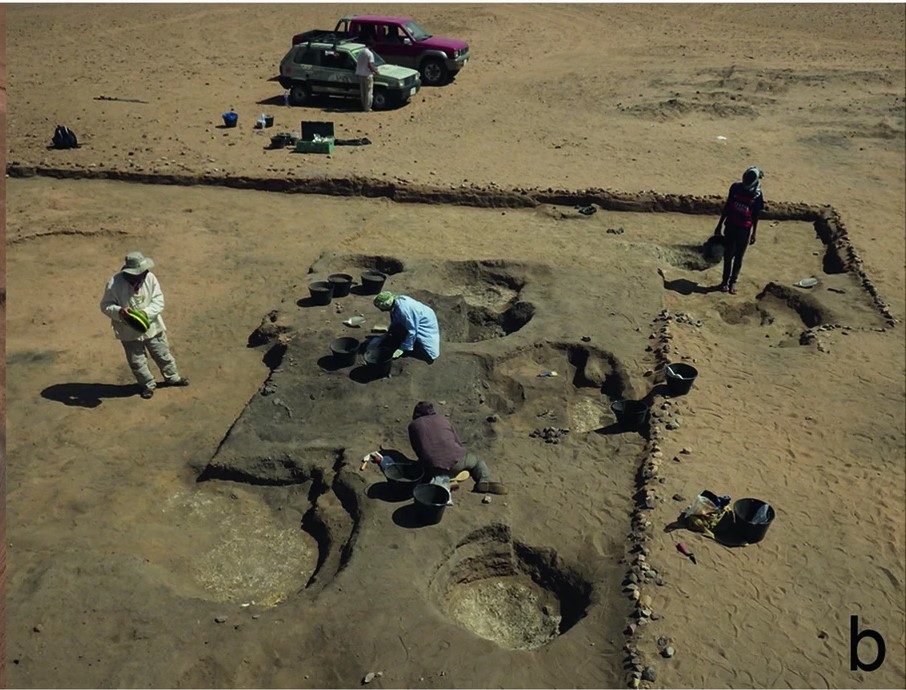
Al-Khiday
Multi-period cemetery site near White Nile
Shalfak
Ancient Egyptian fortress with mudbrick walls
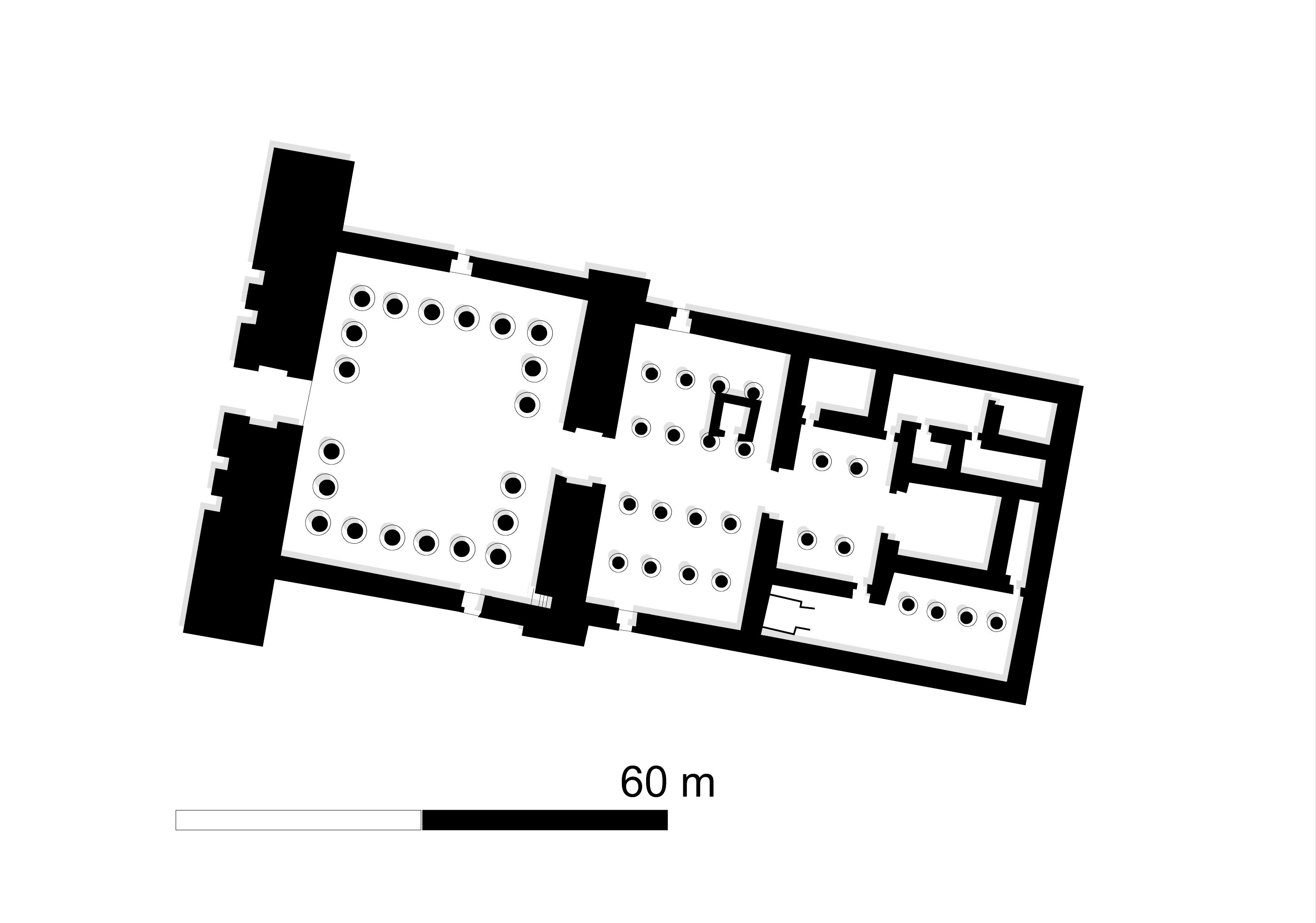
Sanam, Sudan
Napatan Period town with temple and cemetery
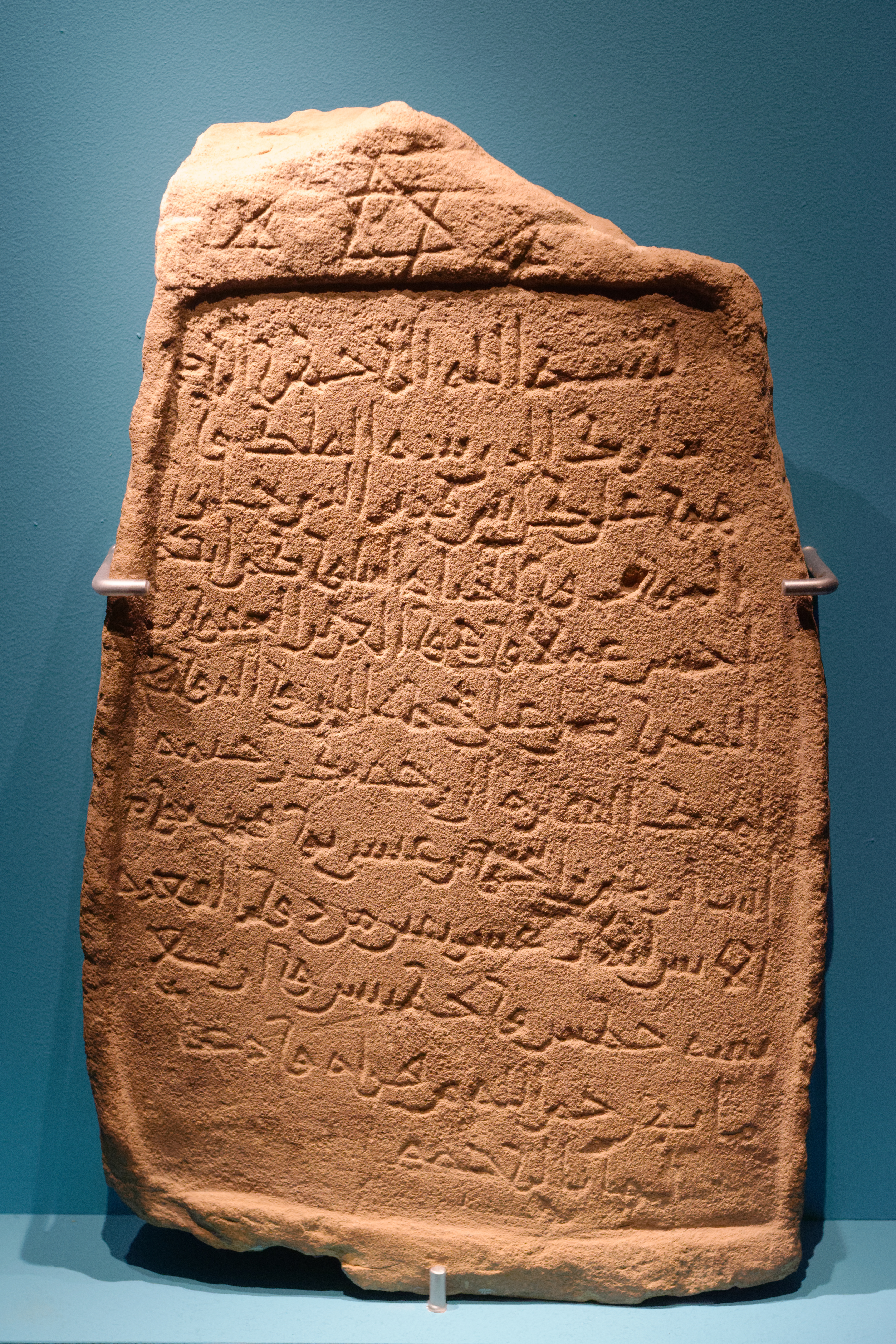
Meinarti
Stratified archaeological remains on Nile island