Explore the Map
Soleb
20.4333° N, 30.3333° E
About
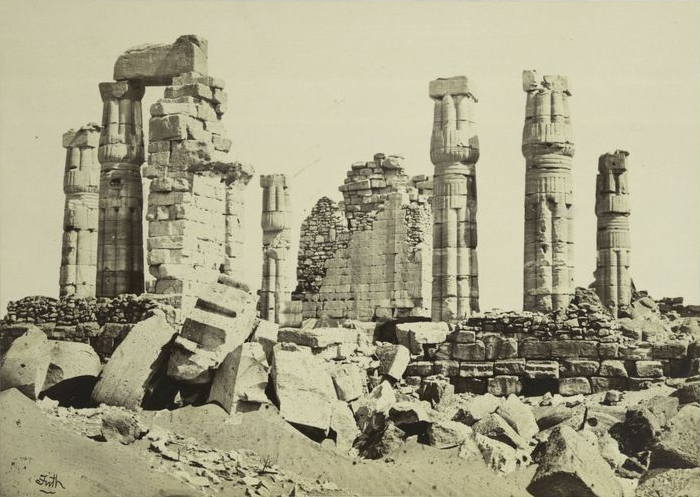
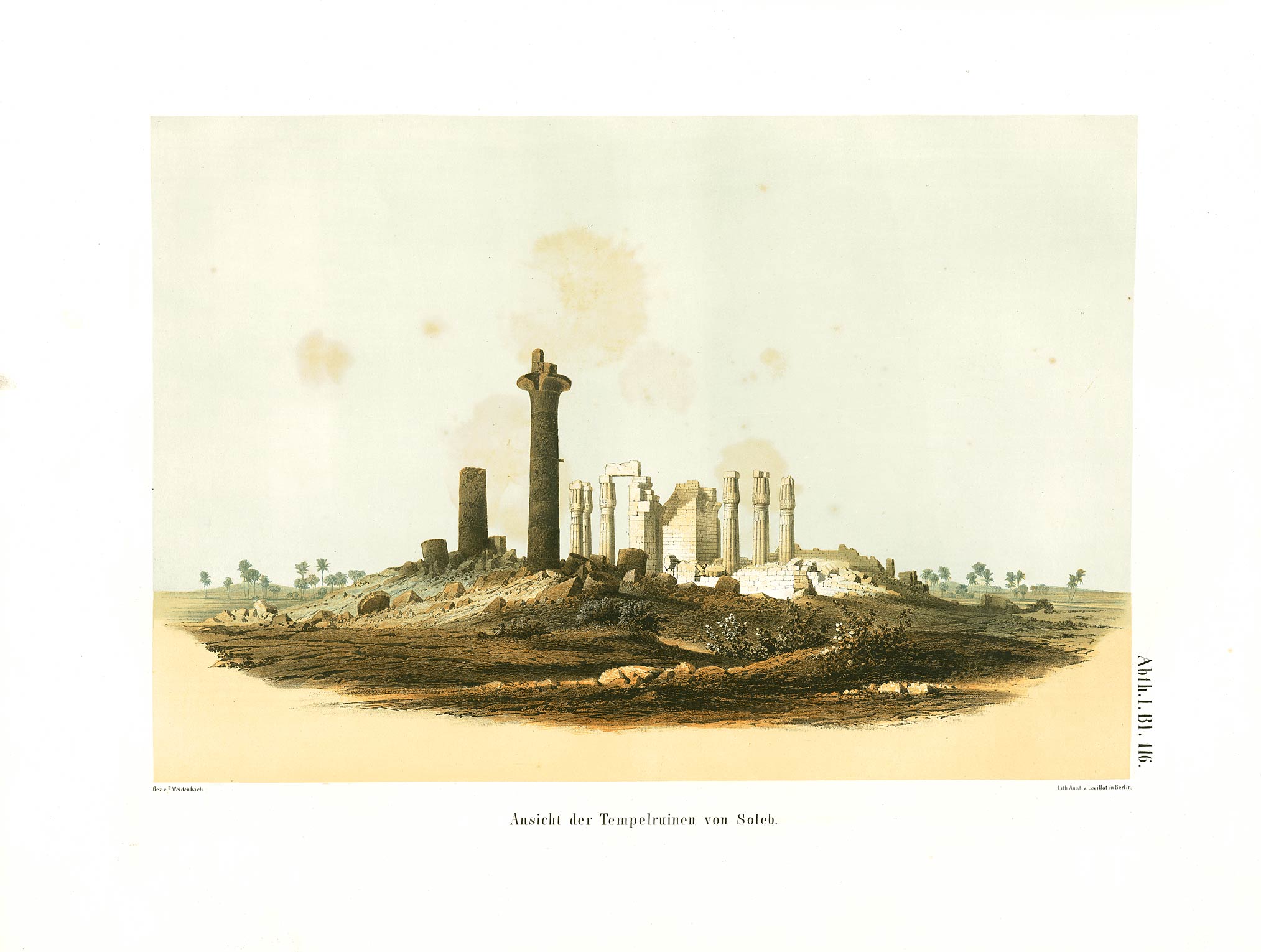
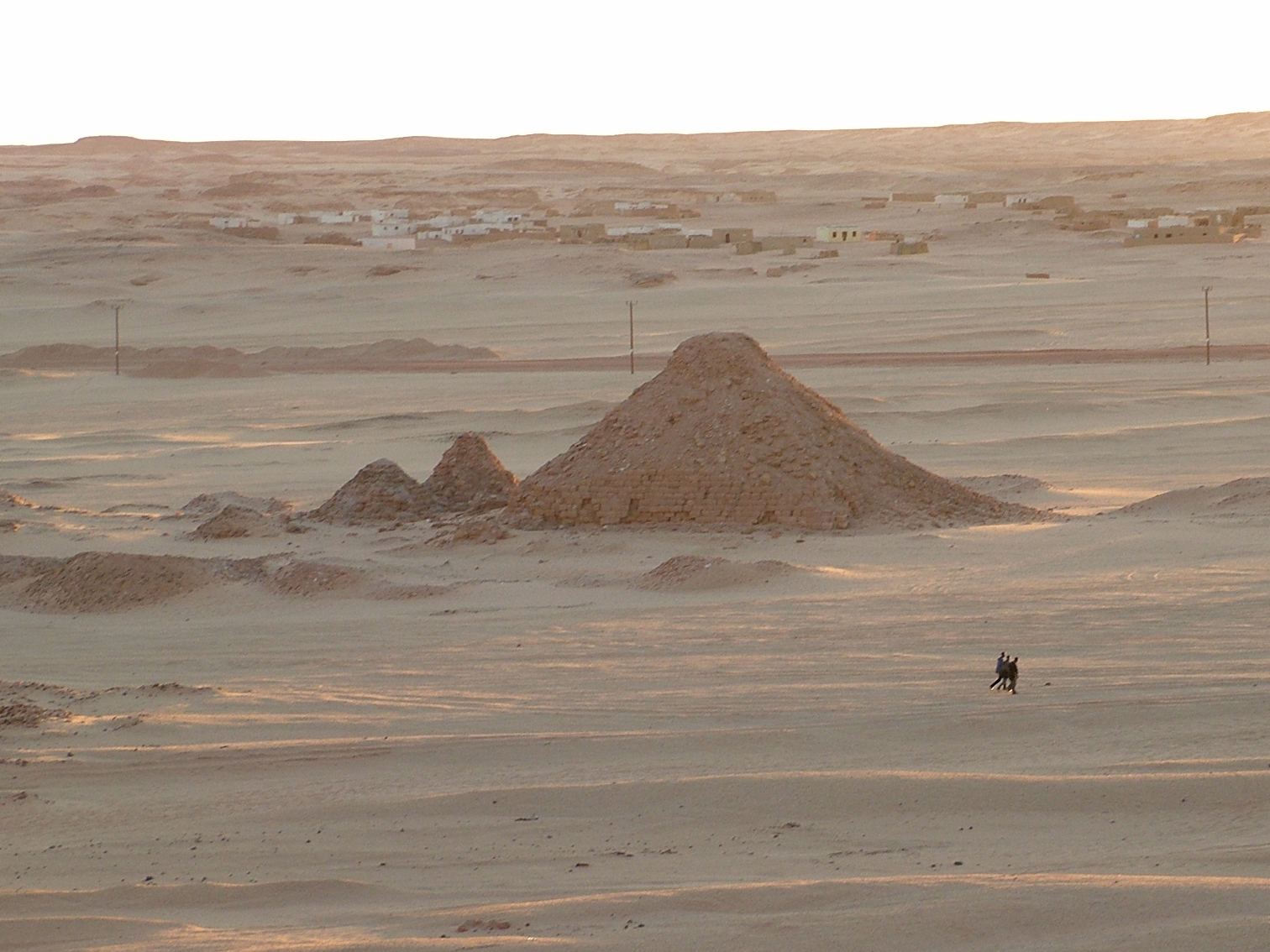
Soleb, an ancient town in Nubia, Sudan, is a significant archaeological site known for its temple complex and expansive necropolis. The temple, constructed during the reign of Pharaoh Amenhotep III in the 14th century BCE, stands as a testament to the architectural and religious advancements of the Egyptian New Kingdom. Originally dedicated to the deity Amun, the temple underwent changes during the Amarna Period under Akhenaten, who redirected its focus to the sun deity Aten, only for these reforms to be reversed under Tutankhamun. The site also features a necropolis with royal tombs from the 18th Dynasty and later periods. Inscriptions on the temple's columns record Egypt's military conquests and offer insights into the geopolitical landscape of the time. Soleb is a vital site for understanding the cultural and political dynamics of ancient Egypt and Nubia.
Gallery
Explore photographs of ancient structures, artifacts, and archaeological excavations
Historical Timeline
Journey through time and discover key events in this site's history
Amenhotep III temple construction
circa 1390 BCE
Amarna Period activities
circa 1353 BCE
Tutankhamen restoration
circa 1332 BCE
Archaeological Features
Unique architectural and cultural elements found at this historical site
Burial and Funerary Structures
Religious and Ritual Structures
Artistic and Decorative Features
Frequently Asked Questions
Plan Your Visit
Tours, travel arrangements, and practical information
More Sites in Sudan
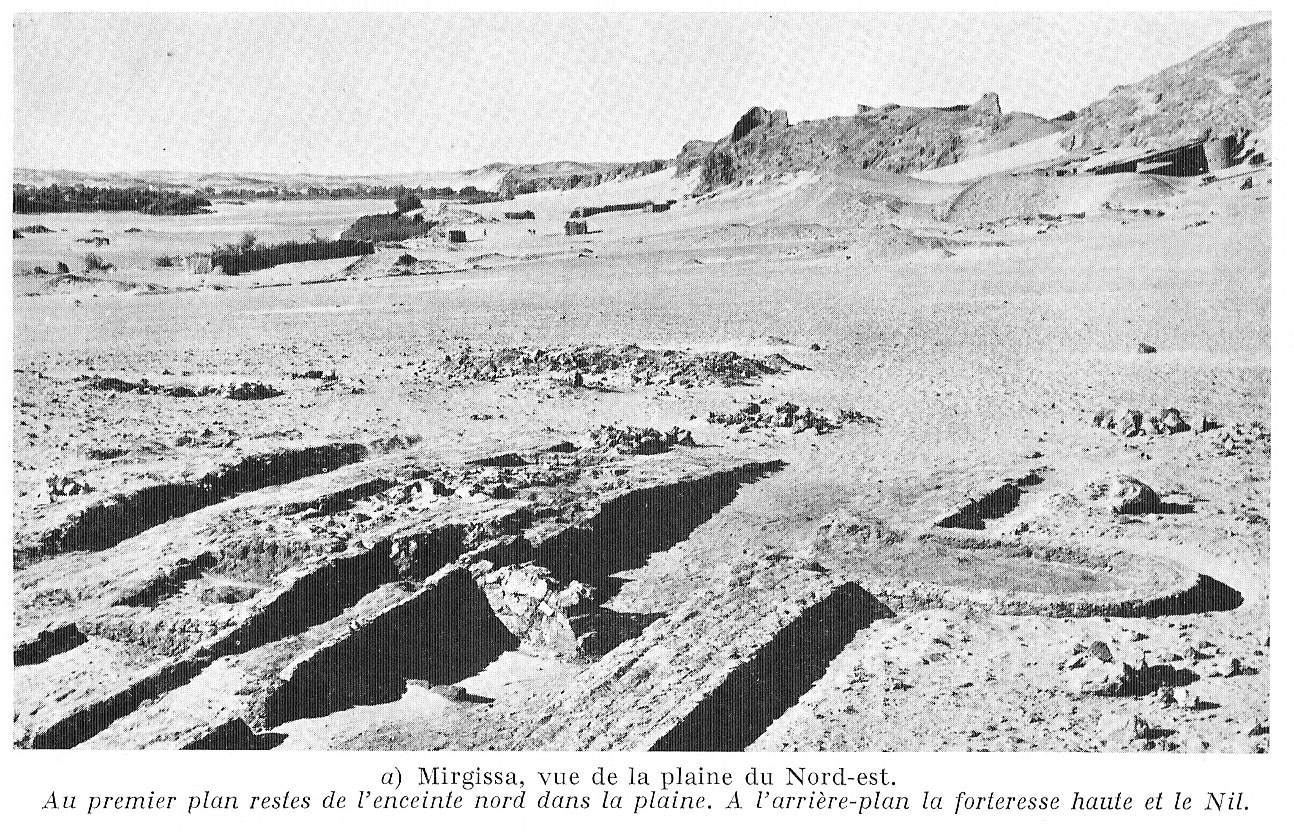
Mirgissa
Fortified Nubian settlement with large fortress.
Jebel Barkal
Mesa with temples and pyramids in Sudan.
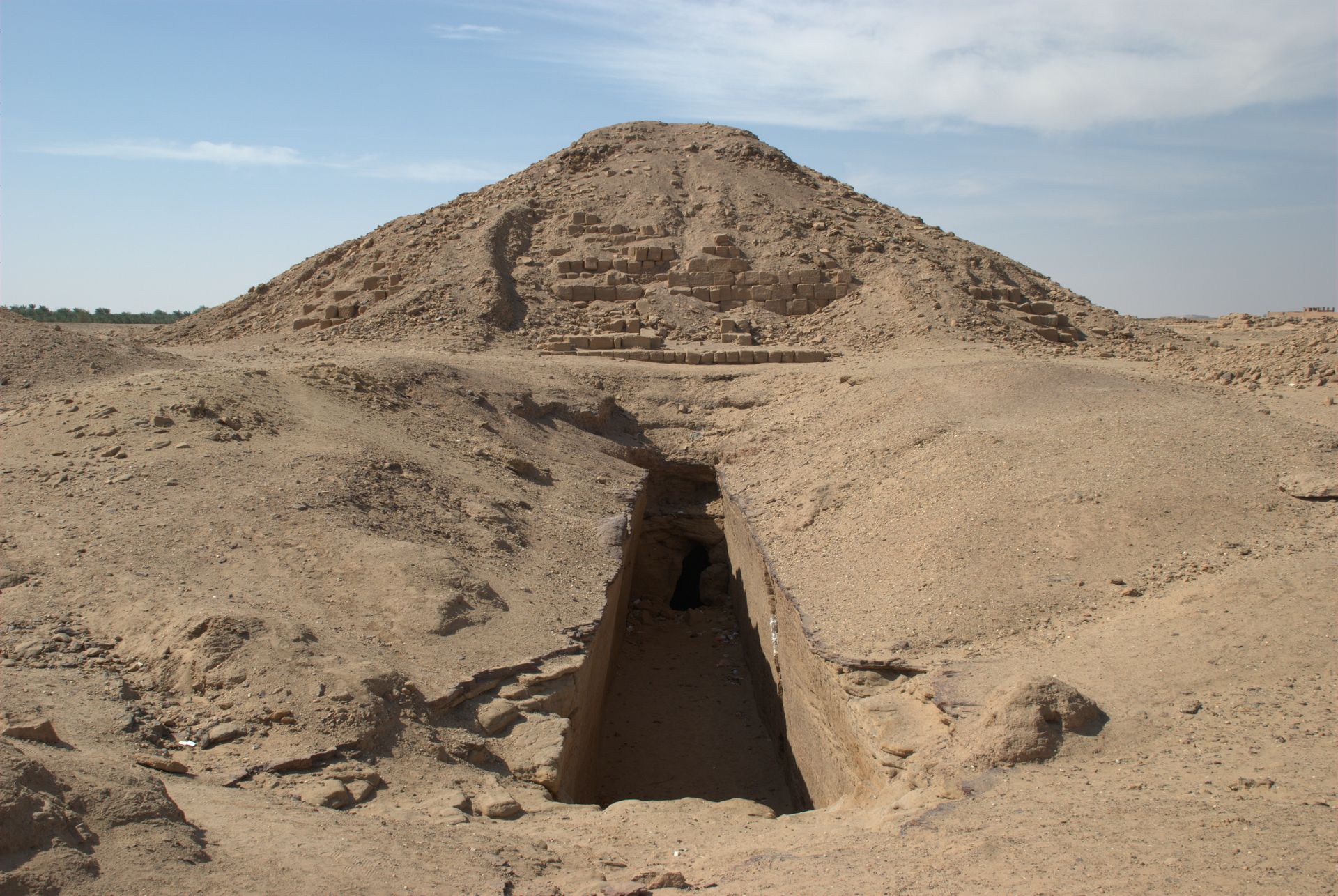
El-Kurru
Nubian pyramids and tombs in Sudan
Sanam, Sudan
Napatan Period town with temple and cemetery
Tabo (Nubia)
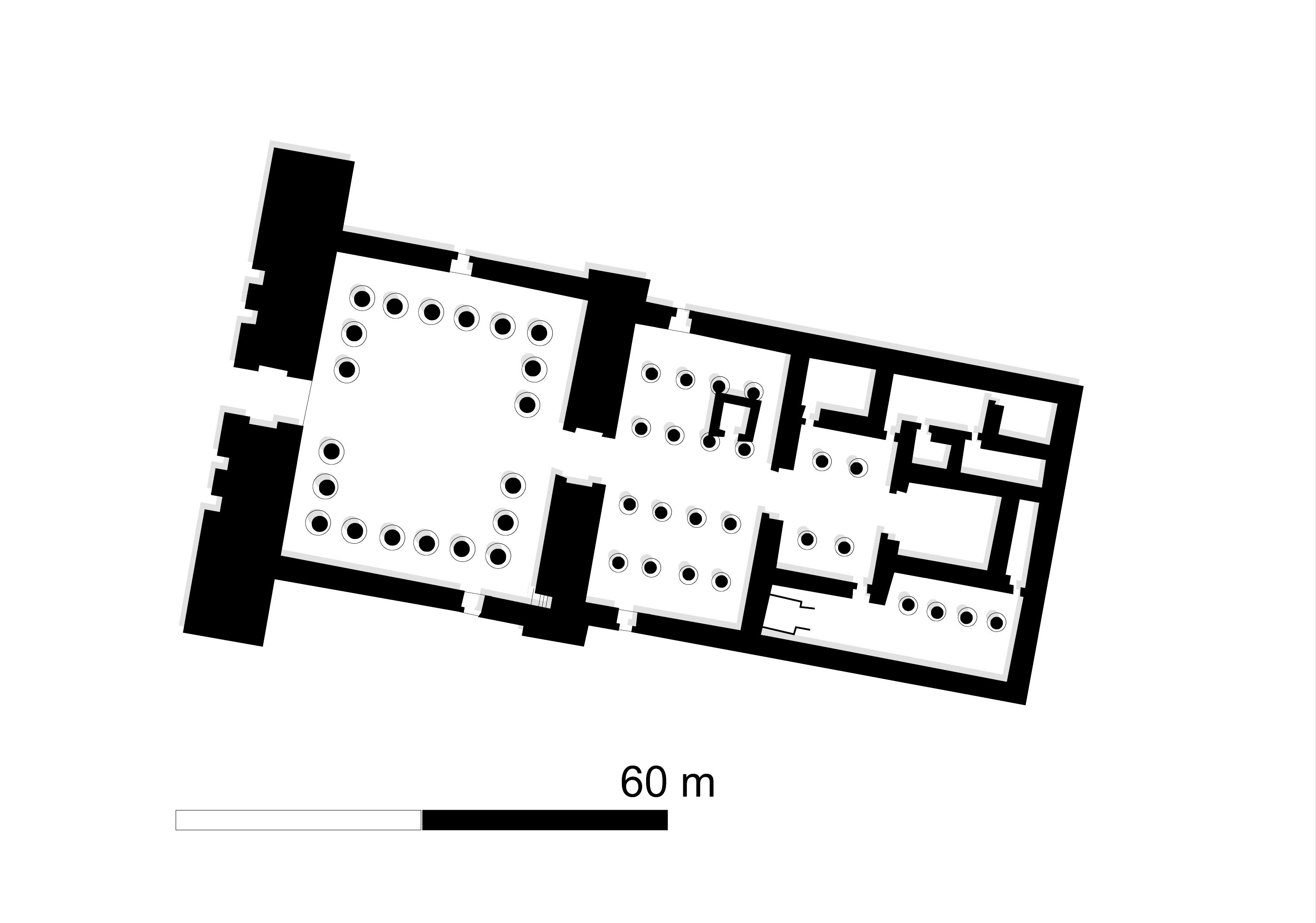
Large damaged Amun temple in Nubia.
Shalfak
Ancient Egyptian fortress with mudbrick walls