
Explore the Map
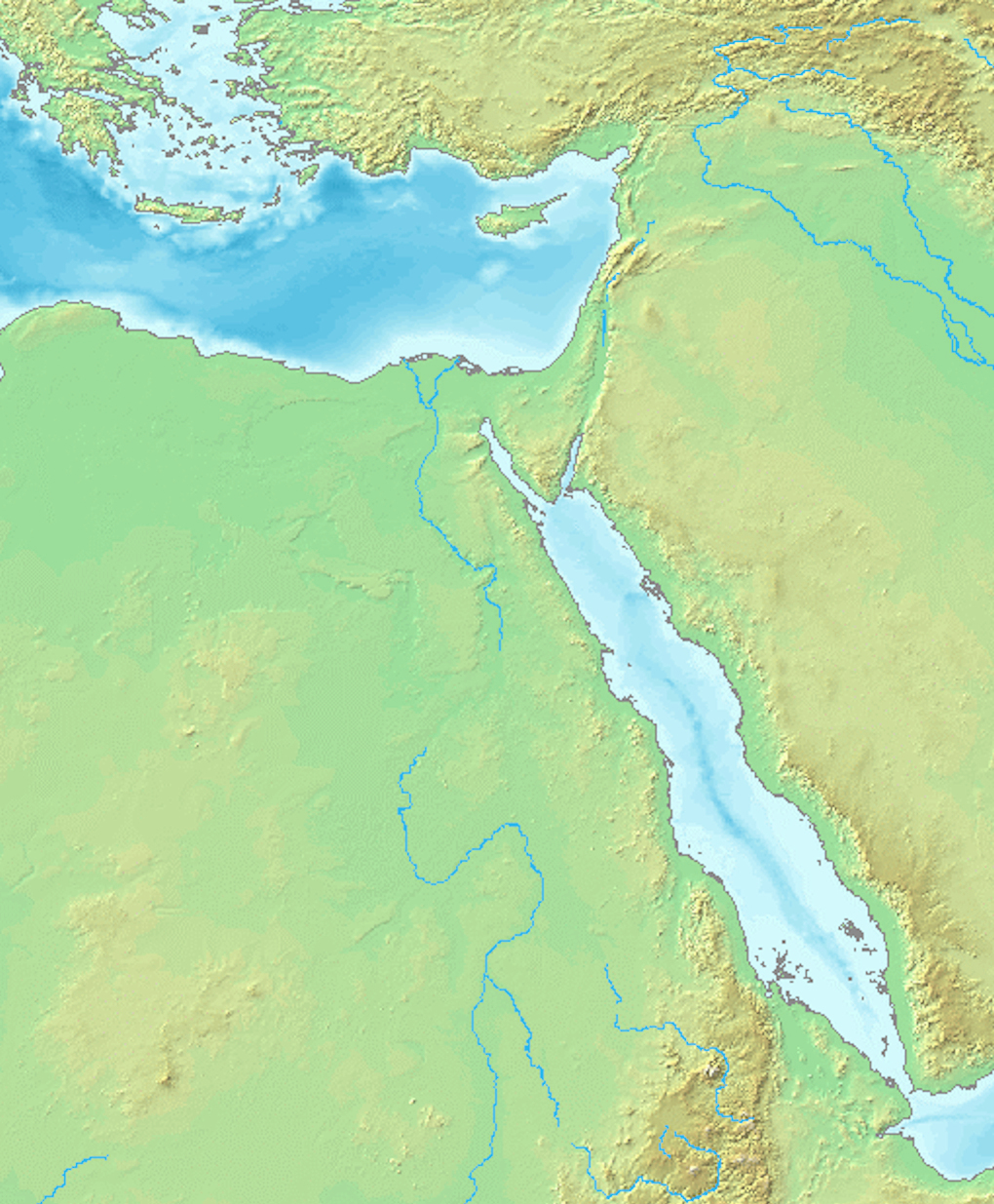
Kawa, Sudan
19.1167° N, 30.4913° E
About
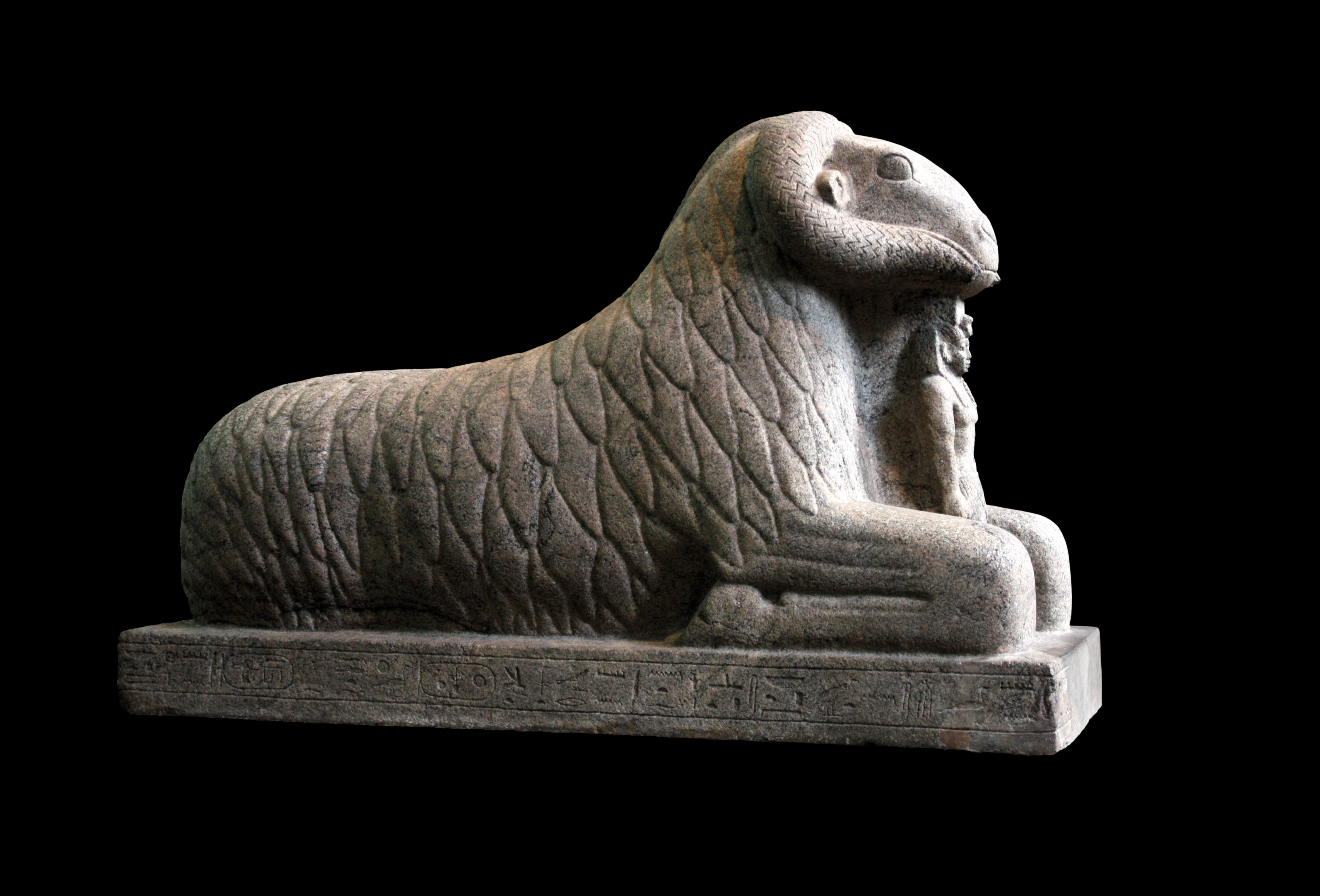
Kawa is an ancient archaeological site located in Sudan, known for its significant temples dedicated to the Egyptian god Amun. The site, situated between the Third and Fourth Cataracts of the Nile, was an important religious center during various periods, particularly under the influence of Egyptian and Kushite rulers. Notable constructions include temples commissioned by Egyptian pharaohs Amenhotep III and Tutankhamun in the 14th century BCE, and later by the Kushite king Taharqa in the 7th century BCE. The presence of these structures highlights the cultural and religious exchanges between Egypt and Kush. A shrine from Taharqa's temple is preserved in the Ashmolean Museum, reflecting the historical significance and craftsmanship of the era.
Gallery
Explore photographs of ancient structures, artifacts, and archaeological excavations

Historical Timeline
Journey through time and discover key events in this site's history
Construction of Amun temple by Amenhotep III
c. 1386 BCE
Construction of Amun temple by Tutankhamun
c. 1332 BCE
Construction of Amun temple by Taharqa
c. 690 BCE
Archaeological Features
Unique architectural and cultural elements found at this historical site
Religious and Ritual Structures
Frequently Asked Questions
Plan Your Visit
Tours, travel arrangements, and practical information
More Sites in Sudan
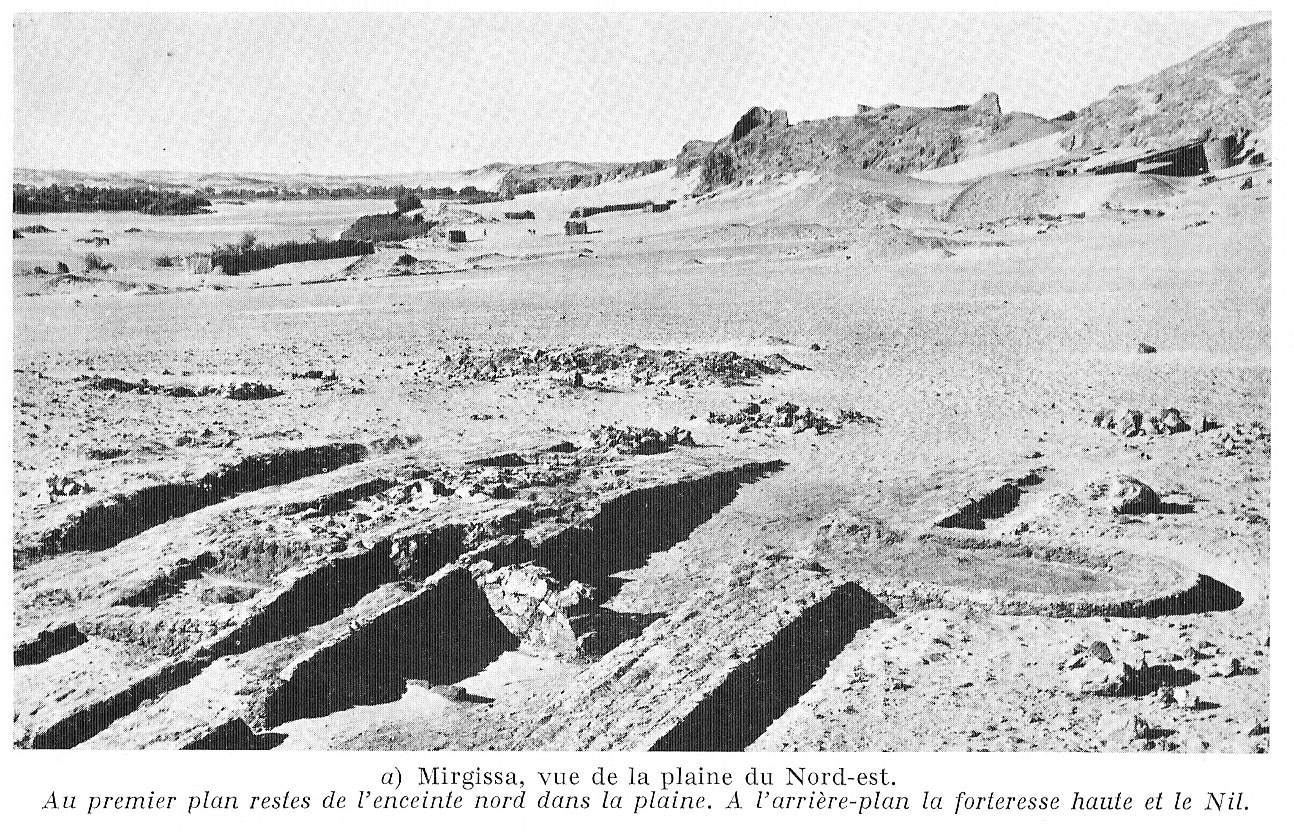
Mirgissa
Fortified Nubian settlement with large fortress.
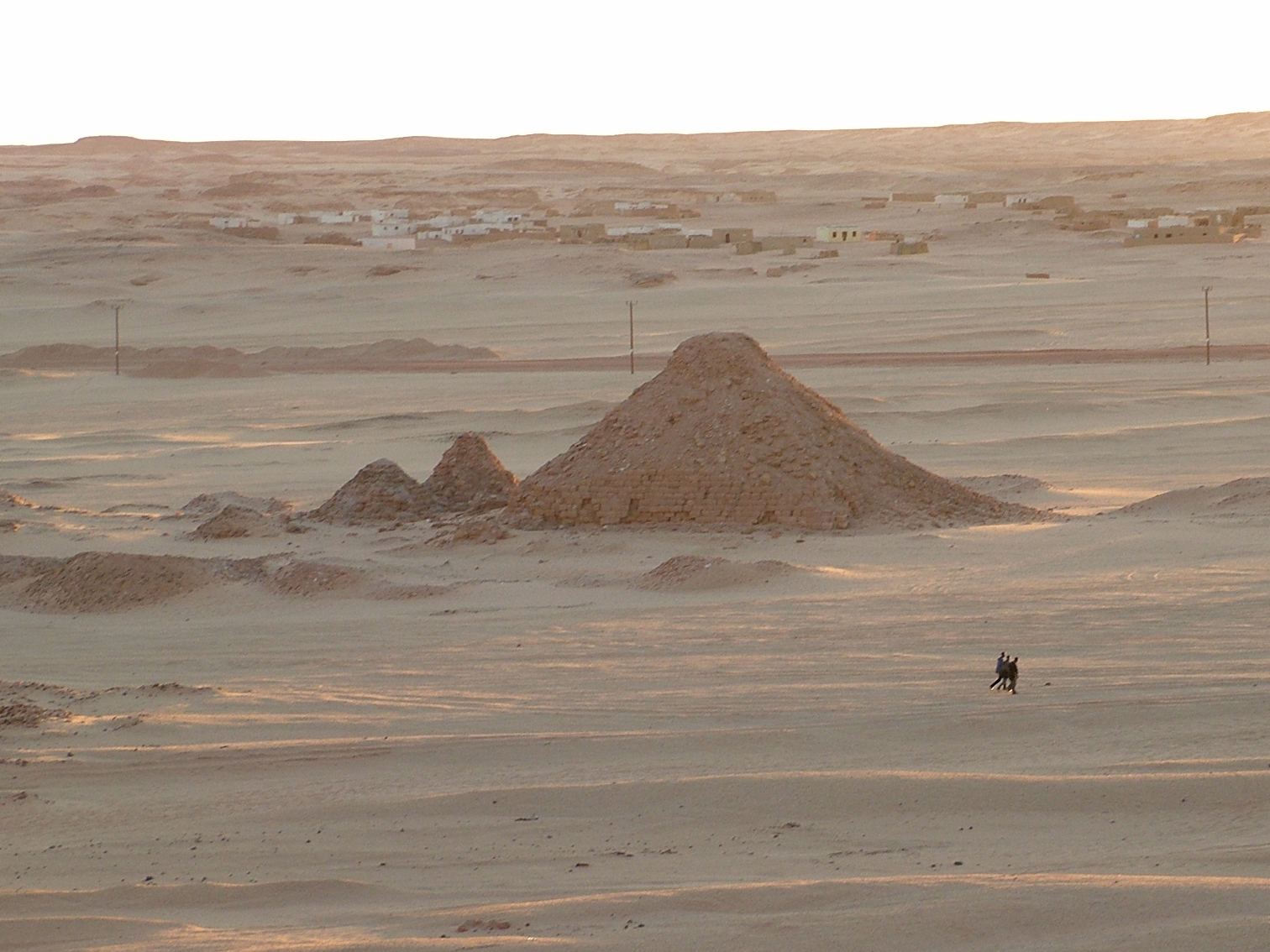
Jebel Barkal
Mesa with temples and pyramids in Sudan.
Debeira
Nubian necropolis and medieval town remains
Al-Khiday
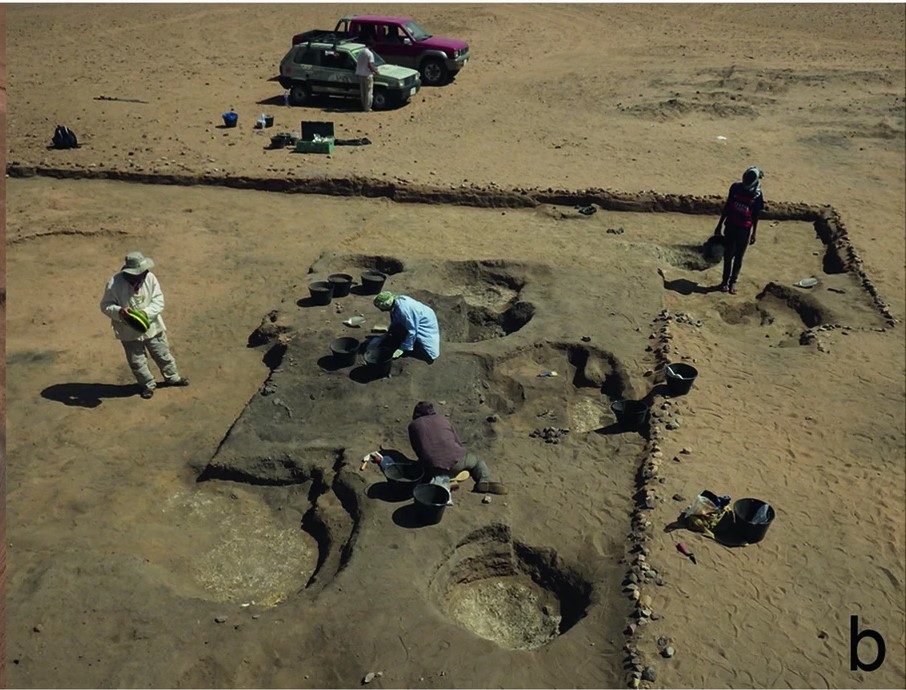
Multi-period cemetery site near White Nile
El-Kurru
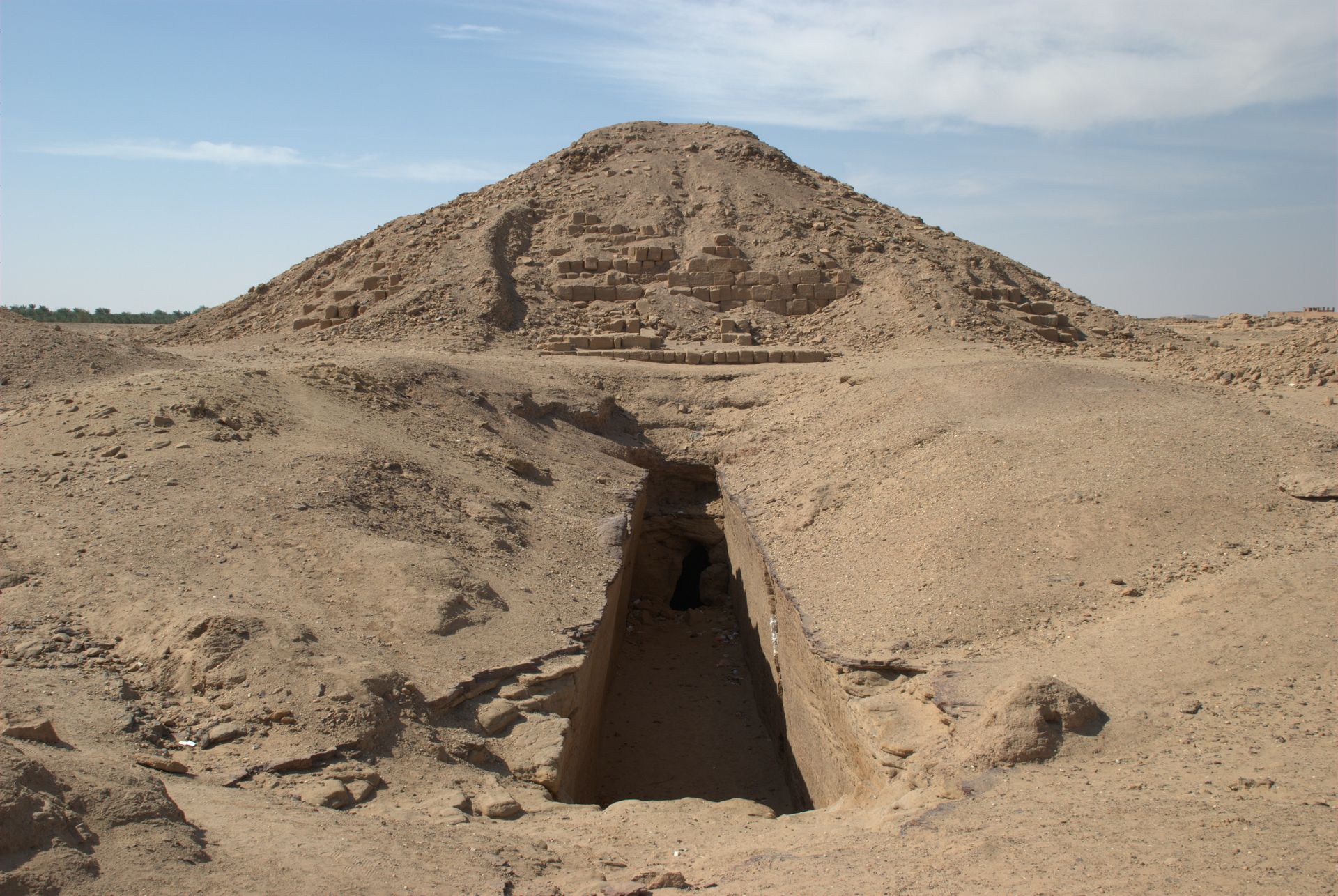
Nubian pyramids and tombs in Sudan
El-Hobagi
Post-Meroitic tumuli with weapons and vessels