Explore the Map
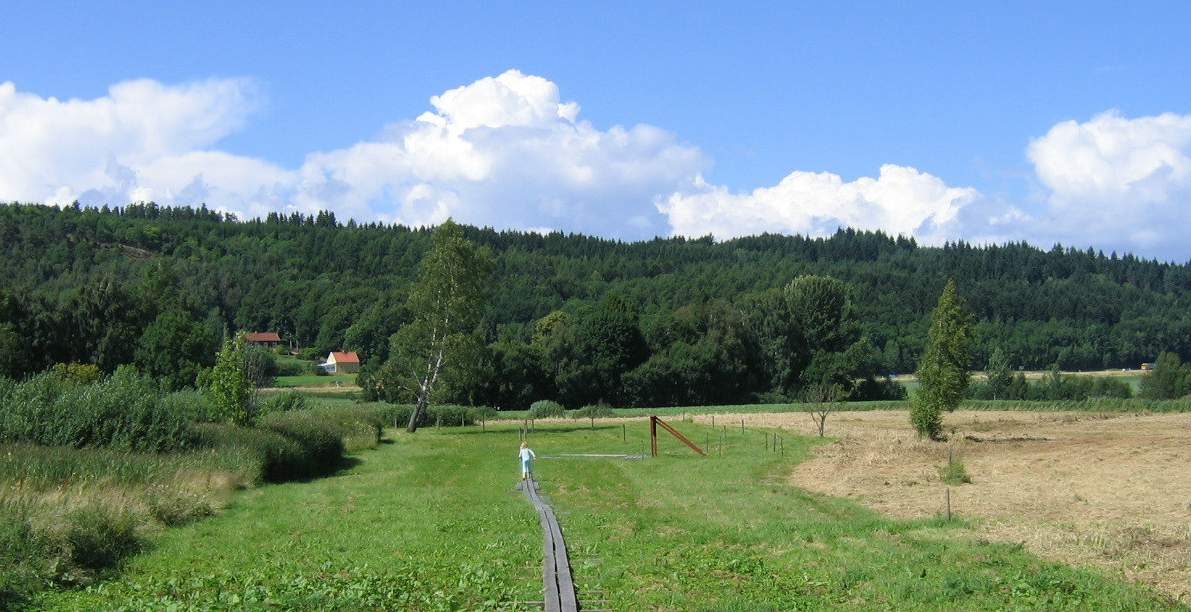
Alvastra pile-dwelling
58.2833° N, 14.6833° E
About
The Alvastra pile-dwelling is a unique archaeological site located in Östergötland County, Sweden, dating back to approximately 3000 BCE. This stilt house served as a seasonal social and religious center for a tribe, reflecting the influences of the Funnelbeaker and Pitted Ware cultures. The construction involved two phases over 18 years, separated by a 22-year hiatus, and the final structure covered an area of 1000 square meters. Despite its communal nature, the site was not fortified, suggesting its use was more ceremonial than defensive. In the later phase, it was converted into a cemetery. The site's significance lies in its distinctive architectural style and its role in the cultural and ritual activities of the Neolithic and Chalcolithic periods in Northern Europe.
Gallery
Explore photographs of ancient structures, artifacts, and archaeological excavations
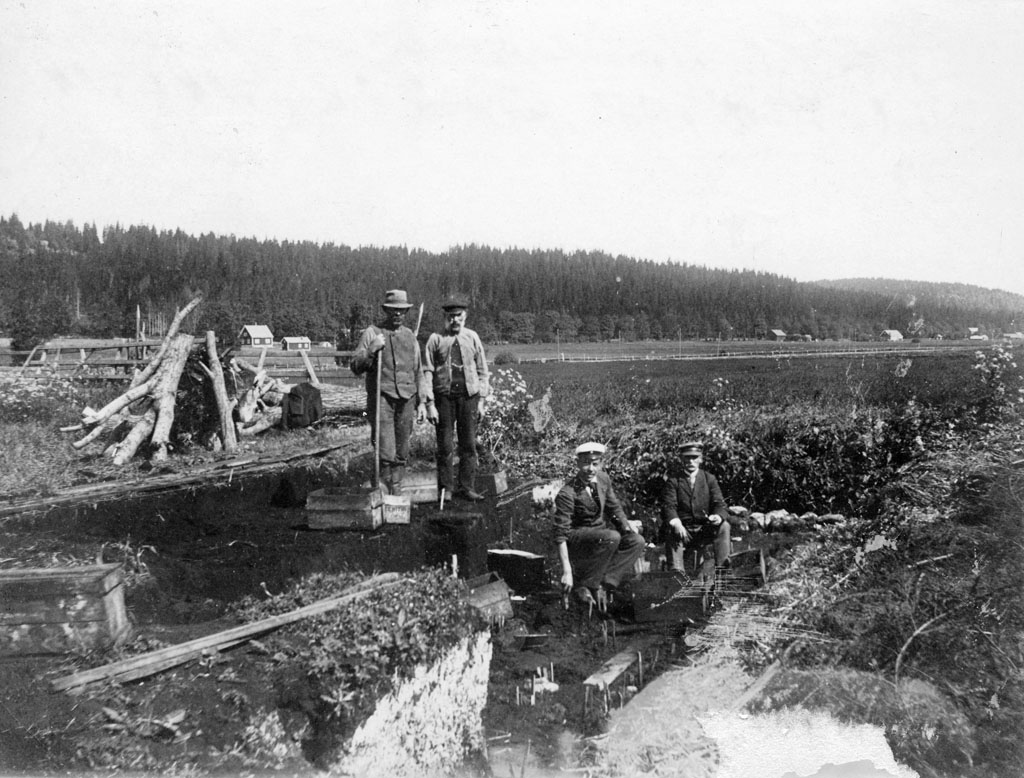
Historical Timeline
Journey through time and discover key events in this site's history
Initial construction
ca 3000 BCE
Second construction phase
ca 2982 BCE
Cemetery usage
ca 2960 BCE
Completion of construction
ca 2960 BCE
Archaeological Features
Unique architectural and cultural elements found at this historical site
Burial and Funerary Structures
Religious and Ritual Structures
Domestic and Habitation Structures
Environmental and Natural Features
Food Production and Processing Features
Frequently Asked Questions
Plan Your Visit
Tours, travel arrangements, and practical information
More Sites in Sweden
Ajvide Settlement
Neolithic to Bronze Age coastal settlement
Uppåkra
Iron Age settlement in Scania, Sweden.
Greby
Iron Age grave field in Bohuslän, Sweden
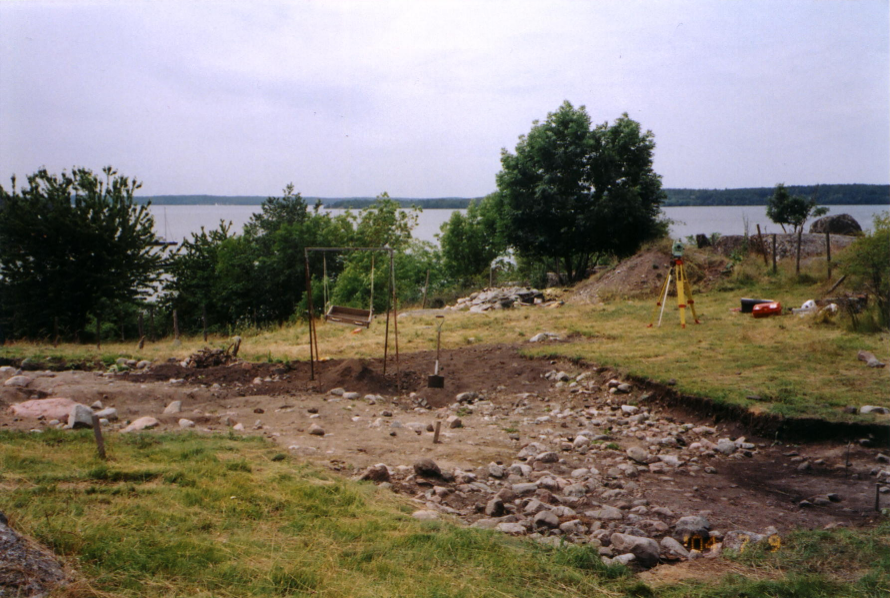
Birka
Viking Age trading center on Björkö island.
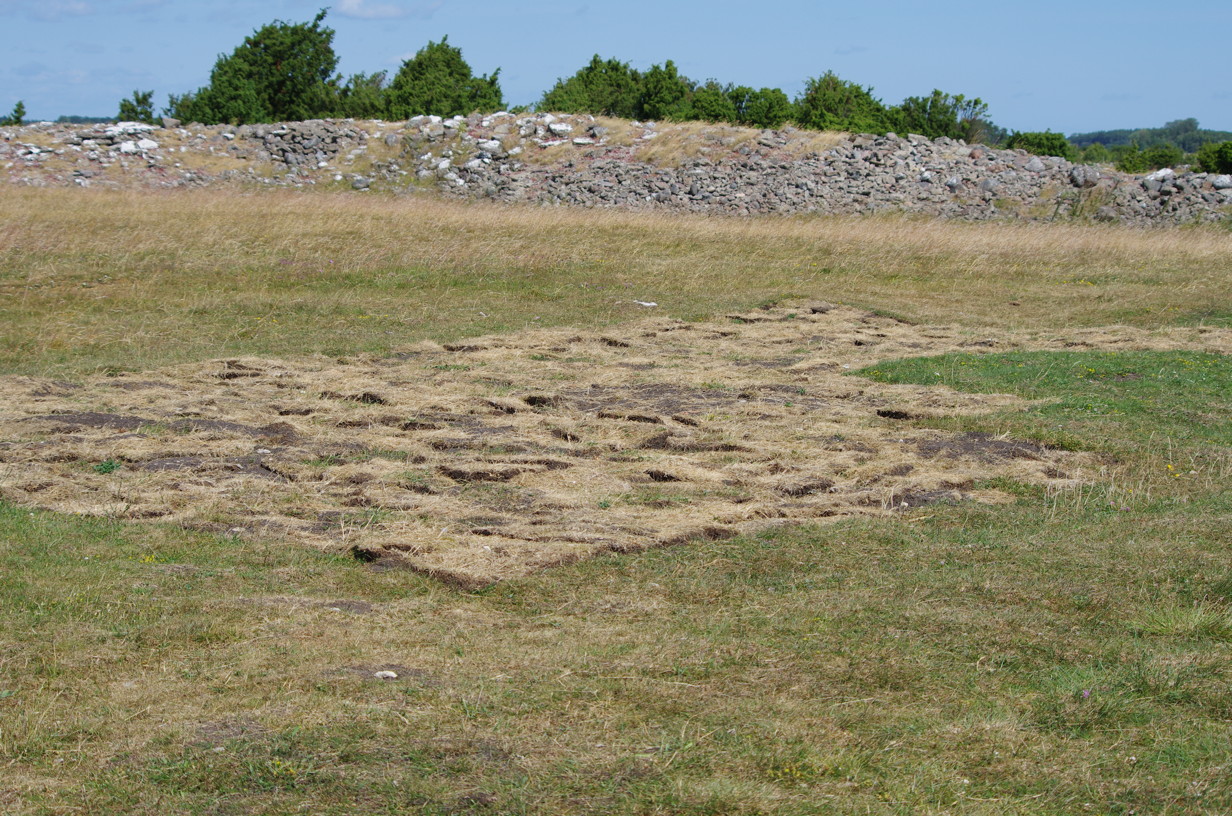
Sandby borg
Iron Age ringfort with massacre evidence
Pilane (Sweden)
Iron Age grave field with stone markers.