Explore the Map
Haga dolmen
58.1406° N, 11.6119° E
About
The Haga dolmen, also known as Hagadösen, is a notable Neolithic burial structure located on Orust island in Bohuslän, Västra Götaland County, Sweden. This megalithic dolmen is characterized by its four upright stone slabs supporting a fifth slab as a roof, complemented by a threshold and stepping stone. Encircled by a small mound of earth and faint edge stones, it features the largest interior chamber in the province. Constructed around 3400 BCE, the dolmen is significant for its Neolithic origins. Archaeological excavations in 1915 uncovered artifacts such as an amber necklace, stone axe, flint knife, and slate jewelry, indicating its use during the late Neolithic period. Despite its modest size, the site offers valuable insights into funerary practices and material culture of the time.
Historical Timeline
Journey through time and discover key events in this site's history
Construction of Haga Dolmen
3400 BCE
Use during late Neolithic
Late Neolithic
Archaeological Features
Unique architectural and cultural elements found at this historical site
Burial and Funerary Structures
Frequently Asked Questions
Plan Your Visit
Tours, travel arrangements, and practical information
More Sites in Sweden
Ajvide Settlement
Neolithic to Bronze Age coastal settlement
Uppåkra
Iron Age settlement in Scania, Sweden.
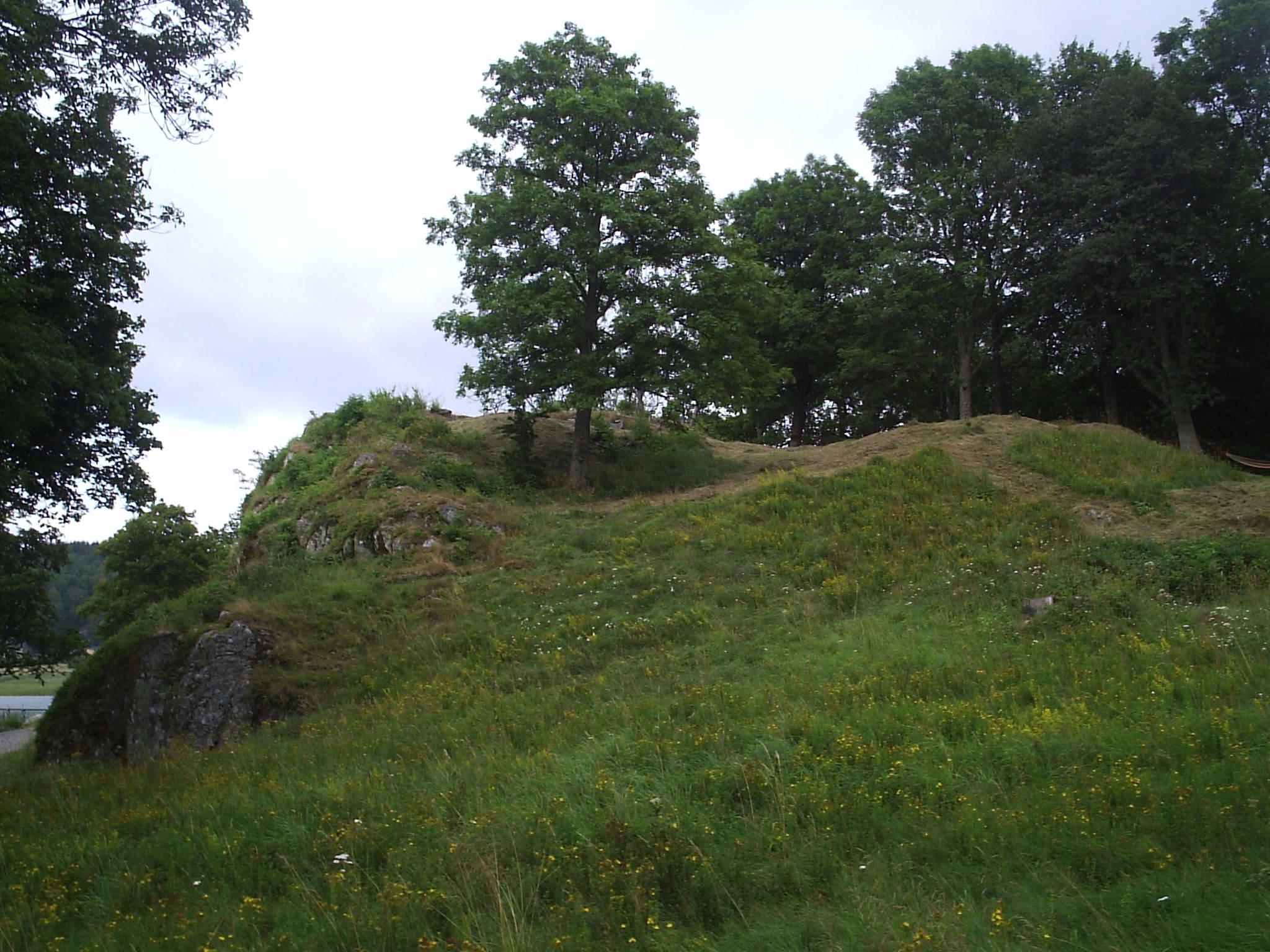
Dynge Castle
Motte-and-bailey castle ruin in Bohuslän
Finnestorp
Migration Period cult site with war booty.
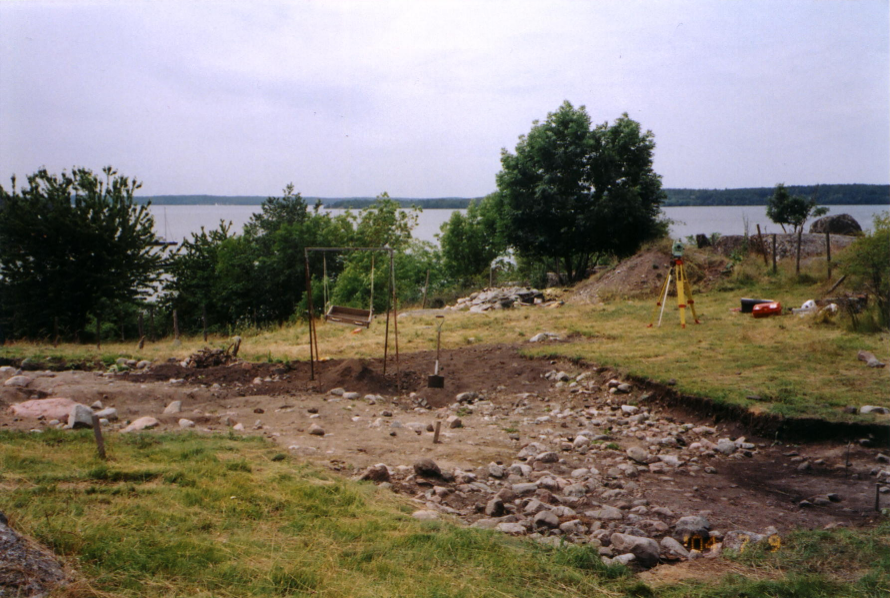
Birka
Viking Age trading center on Björkö island.
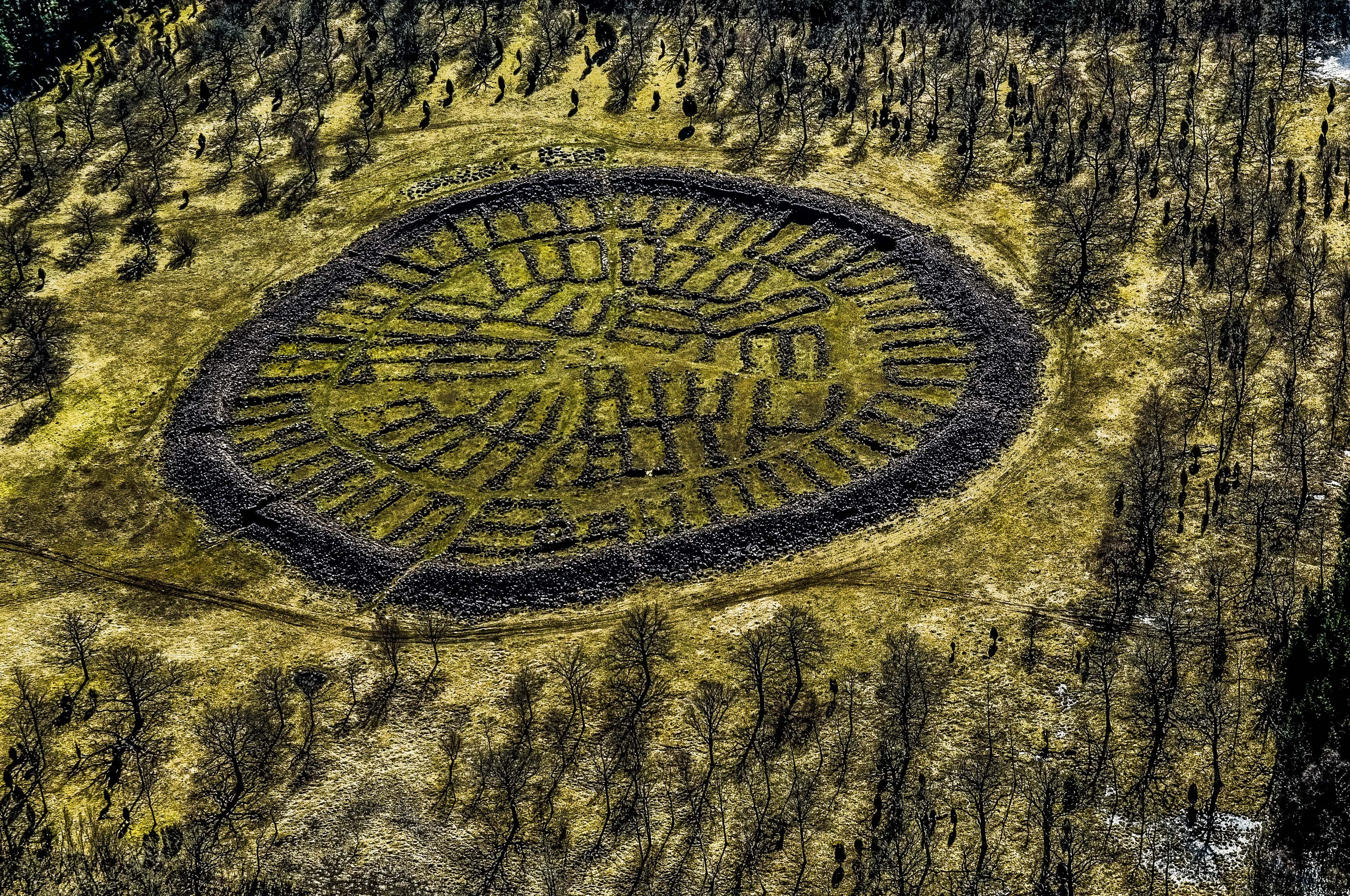
Ismantorp Fortress
Limestone ringfort with 95 houses