Explore the Map
Uppåkra temple
55.6648° N, 13.1699° E
About
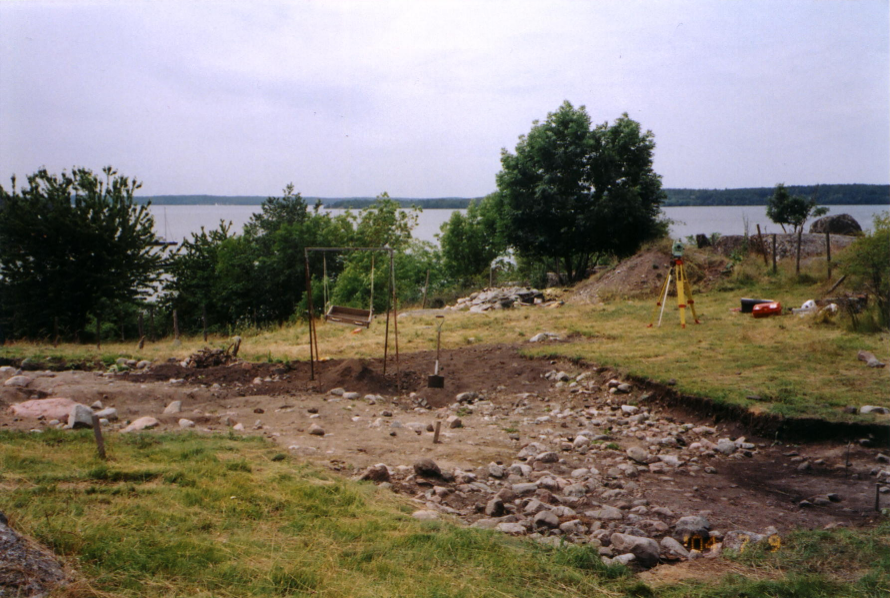
Remains of an Iron Age building interpreted as the possible remains of a temple were excavated in Uppåkra, south of Lund in Scania, Sweden, from 2000–2004. The building was rebuilt six times on the same floor plan, on the site of an older (3rd century) longhouse, and was likely in existence during the 6th to 10th centuries. It measured 13 by 6,5 meters (33 ft x 16.5 ft) and had three doors. The central part was elevated and supported by four pillars. Lars Larsson (2007) argued that the find represents "the first Scandinavian building for which the term 'temple' can be justly claimed".
Historical Timeline
Journey through time and discover key events in this site's history
Final rebuild / early Viking Age
early Viking Age
Temple construction and use
6th–10th centuries
Original longhouse
3rd century
Beaker deposit
c. 500 CE
Archaeological excavations
2000–2004
Archaeological Features
Unique architectural and cultural elements found at this historical site
Military Installations
Miscellaneous Features
Burial and Funerary Structures
Industrial and Craft Structures
Religious and Ritual Structures
Artistic and Decorative Features
Domestic and Habitation Structures
Food Production and Processing Features
Frequently Asked Questions
Plan Your Visit
Tours, travel arrangements, and practical information
More Sites in Sweden
Uppåkra
Iron Age settlement in Scania, Sweden.
Greby
Iron Age grave field in Bohuslän, Sweden
Finnestorp
Migration Period cult site with war booty.
Birka
Viking Age trading center on Björkö island.
Vätteryd
Iron Age grave field in Scania, Sweden
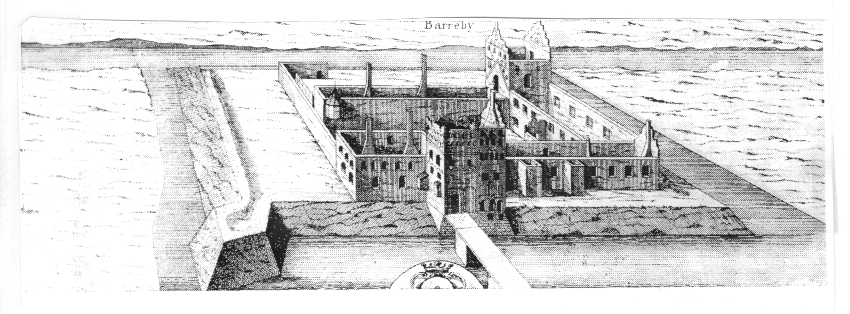
Borgeby Castle
Medieval castle with Viking Age origins.