Time Periods
Paleolithic
Mesolithic
Neolithic
Chalcolithic
Bronze Age
Iron Age
Classical Period
Post-Classical Period
Early Modern Period
Industrial Period
Contemporary Period
Time Periods
Paleolithic
Mesolithic
Neolithic
Chalcolithic
Bronze Age
Iron Age
Classical Period
Post-Classical Period
Early Modern Period
Industrial Period
Contemporary Period
Location
About
The Fraumünster, located in Zürich, Switzerland, is a significant historical and religious site. Originally founded as a Benedictine abbey for aristocratic women in 853 CE by Louis the German, it became an influential center with rights to hold markets and mint coins granted by King Henry III in 1045 CE. Over the centuries, the abbey gained substantial autonomy and power, especially after Emperor Frederick II granted it imperial immediacy in 1218 CE. The abbey's influence waned in the 14th century with the establishment of guild laws, and it was eventually dissolved during the Reformation in 1524 CE. Notable for its architectural evolution from Romanesque to Gothic styles, the church also features striking stained glass windows by Marc Chagall, installed in 1970. The Fraumünster site is a testament to Zürich's religious, political, and cultural history.
Archaeological Features
Explore the unique architectural and cultural elements found at this historical site
Burial and Funerary Structures
Religious and Ritual Structures
Artistic and Decorative Features
Historical Timeline
Journey through time and discover key events in this site's archaeological history
Plan Your Visit
Details
- Country
- Switzerland
- Source
- Wikipedia
More Sites in Switzerland
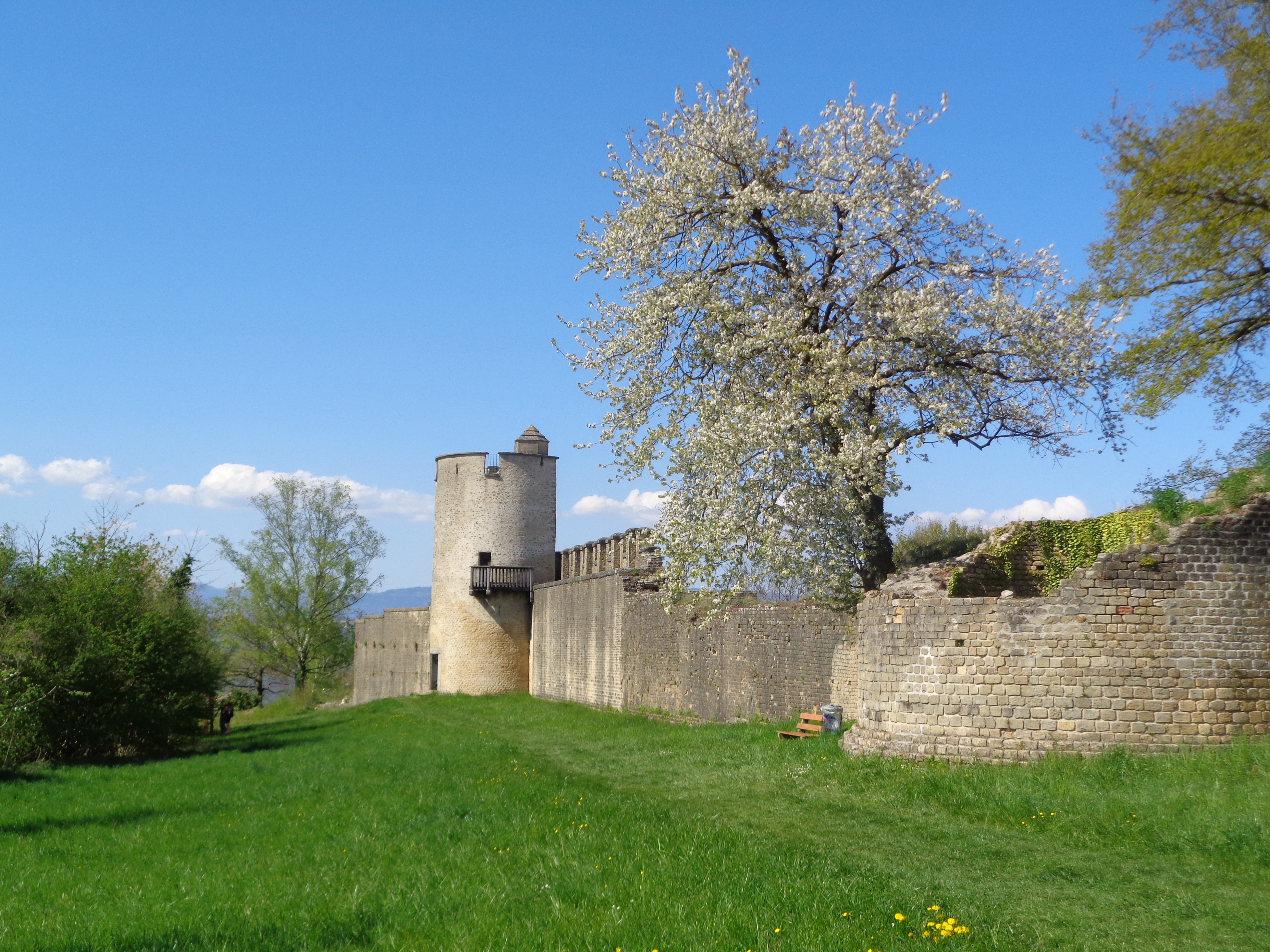
Aventicum
Roman city with amphitheatre and temple ruins
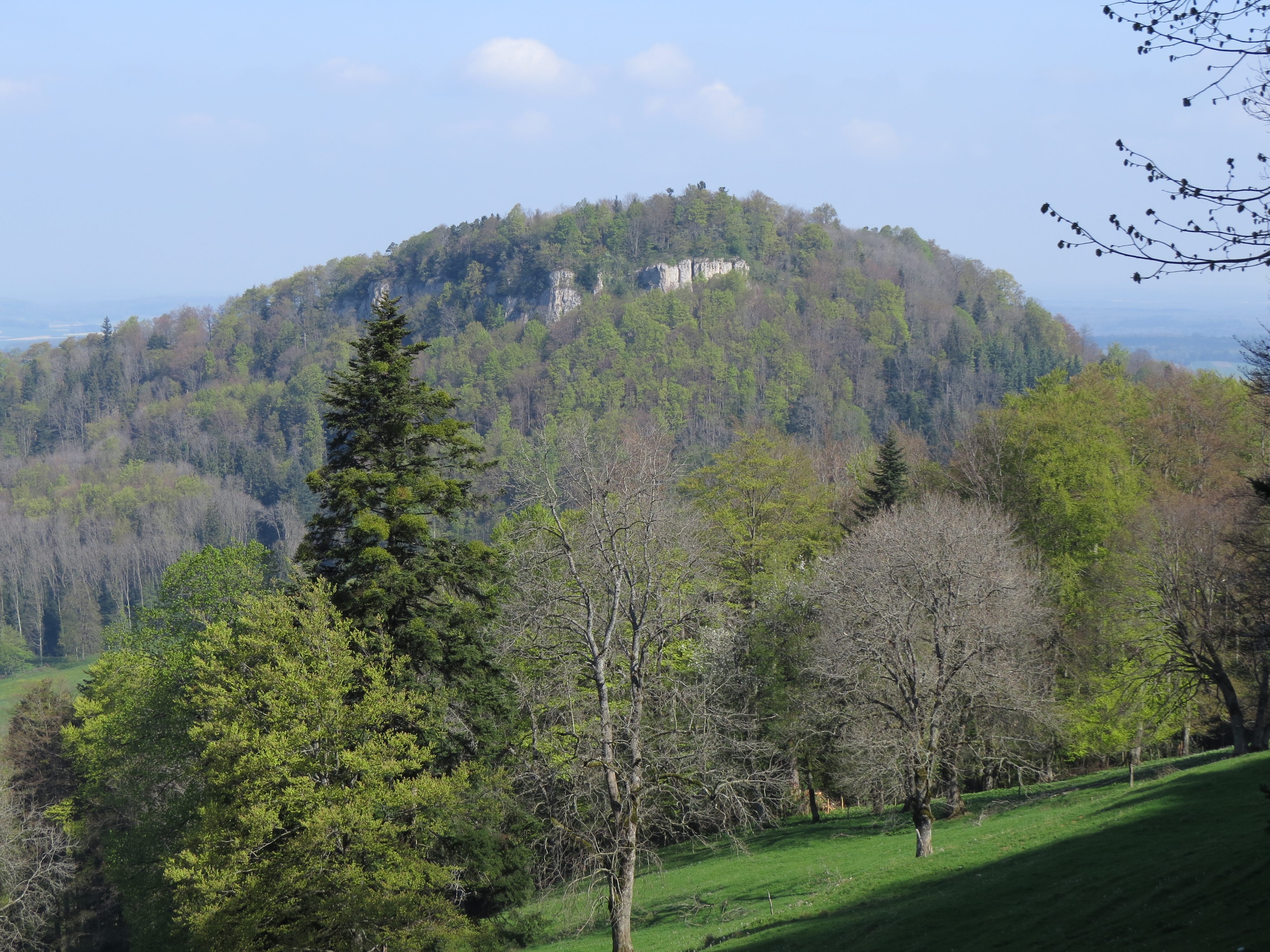
Mont-Terri Castle
Medieval castle on prehistoric hillfort plateau.
Aquae Helveticae
Roman vicus and mineral spa settlement
Oppidum Uetliberg
Iron Age fortification on Uetliberg hill
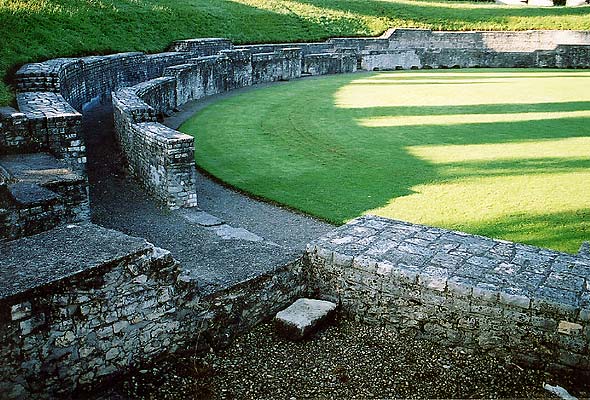
Vindonissa
Roman legion camp and settlement remains
Vitudurum
Roman vicus with defensive structures and temples