Explore the Map
Saoba Stone Pillars
23.4708° N, 121.3594° E
About
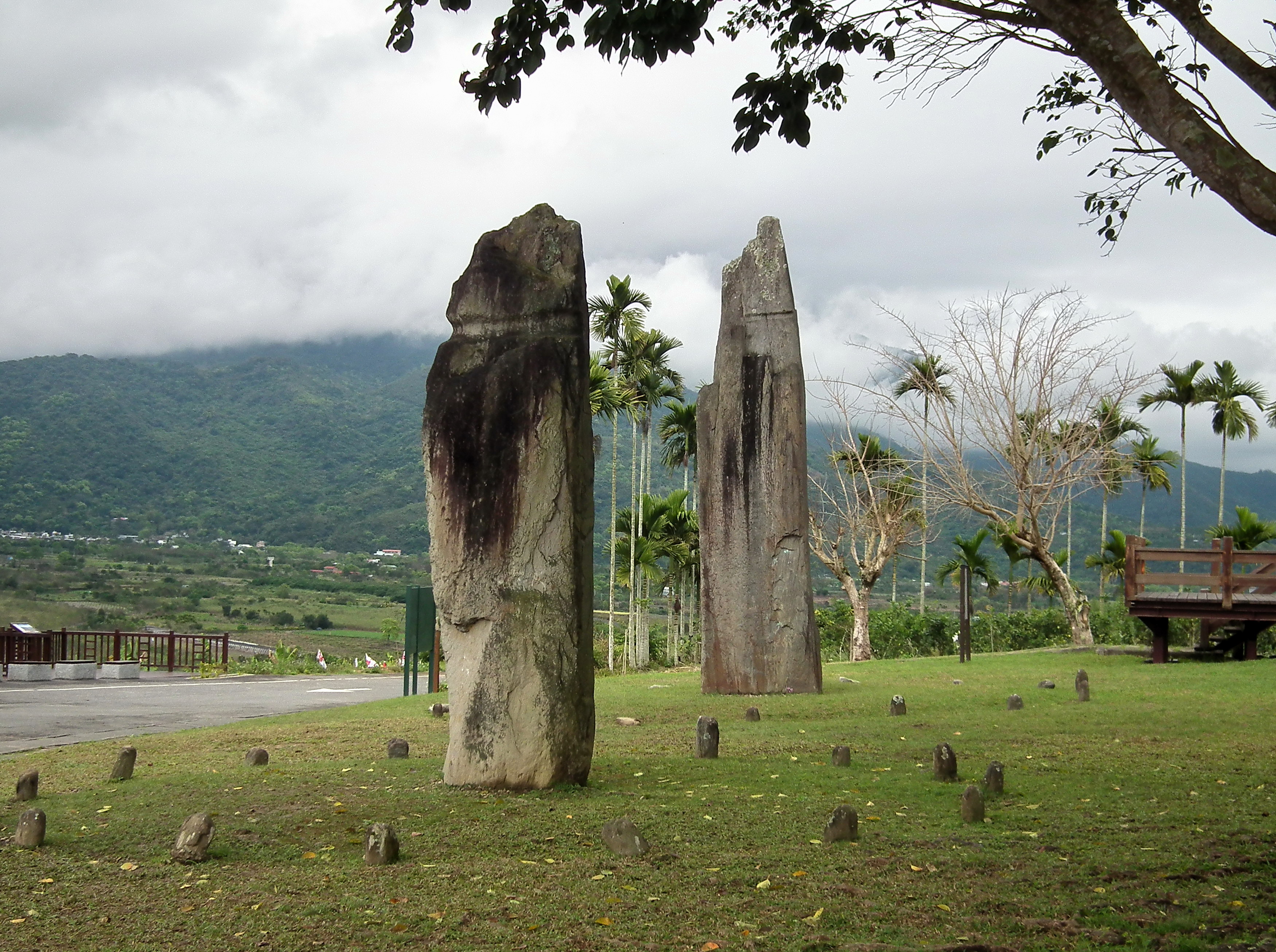
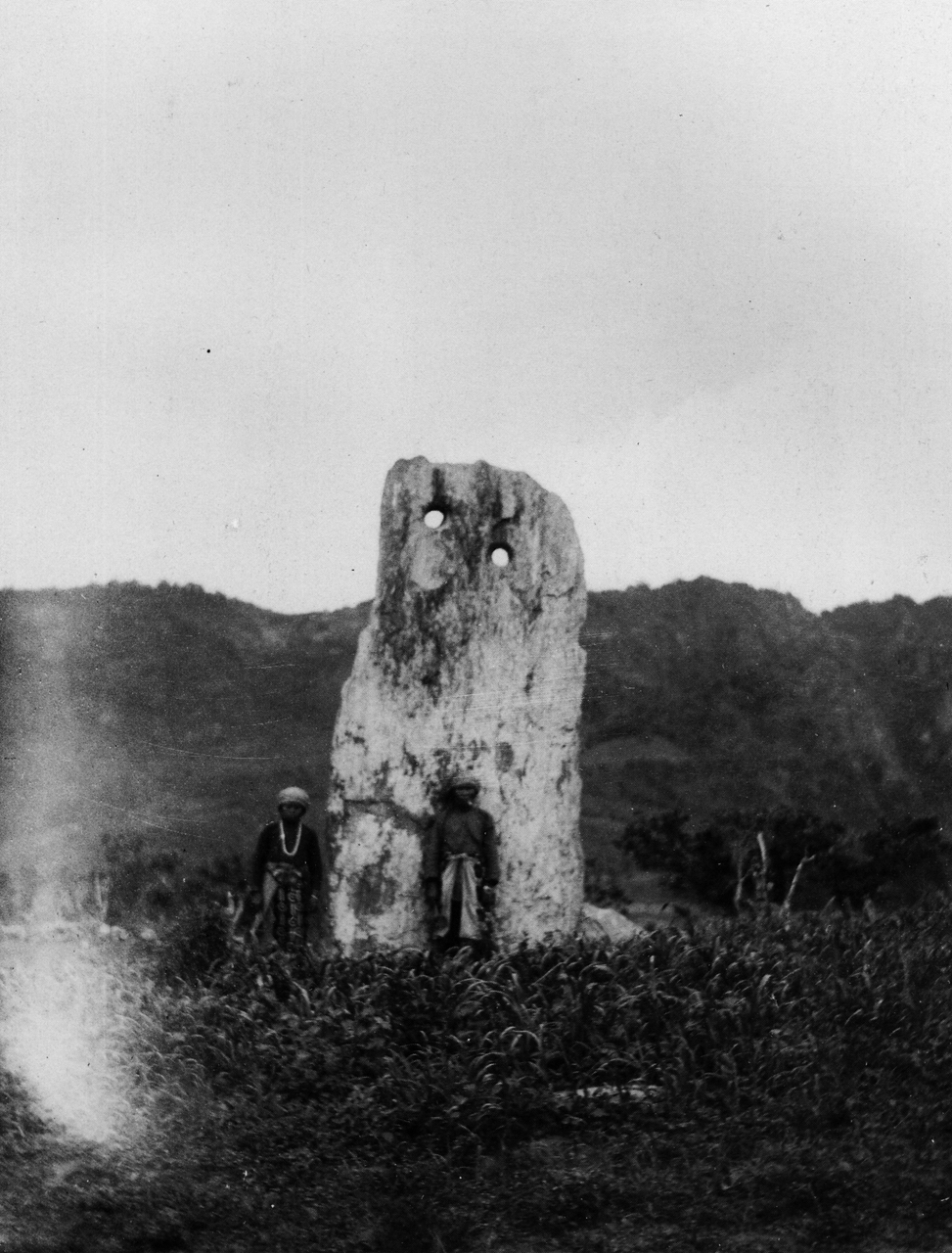
The Saoba Stone Pillars, also known as the Wuhe Stone Pillars, are an archaeological site located in Wuhe Village, Ruisui Township, Hualien County, Taiwan. These pillars are remnants of the Beinan culture and date back approximately 2,000-3,000 years, placing them in the Bronze Age. The site features two prominent stone pillars, standing at heights of 5.75 meters and 3.99 meters, which are believed to have served religious or ceremonial purposes, akin to menhirs observed in other ancient cultures. The site is significant for its representation of the Beinan culture, providing insights into the ritualistic practices and social organization of this prehistoric community. The Saoba Stone Pillars have been recognized as a 3rd grade national historic monument by Taiwan's Ministry of the Interior, underscoring their cultural and historical importance.
Gallery
Explore photographs of ancient structures, artifacts, and archaeological excavations
Historical Timeline
Journey through time and discover key events in this site's history
Beinan Culture Stone Pillars
1000 BCE, 100 BCE
Archaeological Features
Unique architectural and cultural elements found at this historical site
Religious and Ritual Structures
Frequently Asked Questions
Plan Your Visit
Tours, travel arrangements, and practical information


More Sites in Taiwan
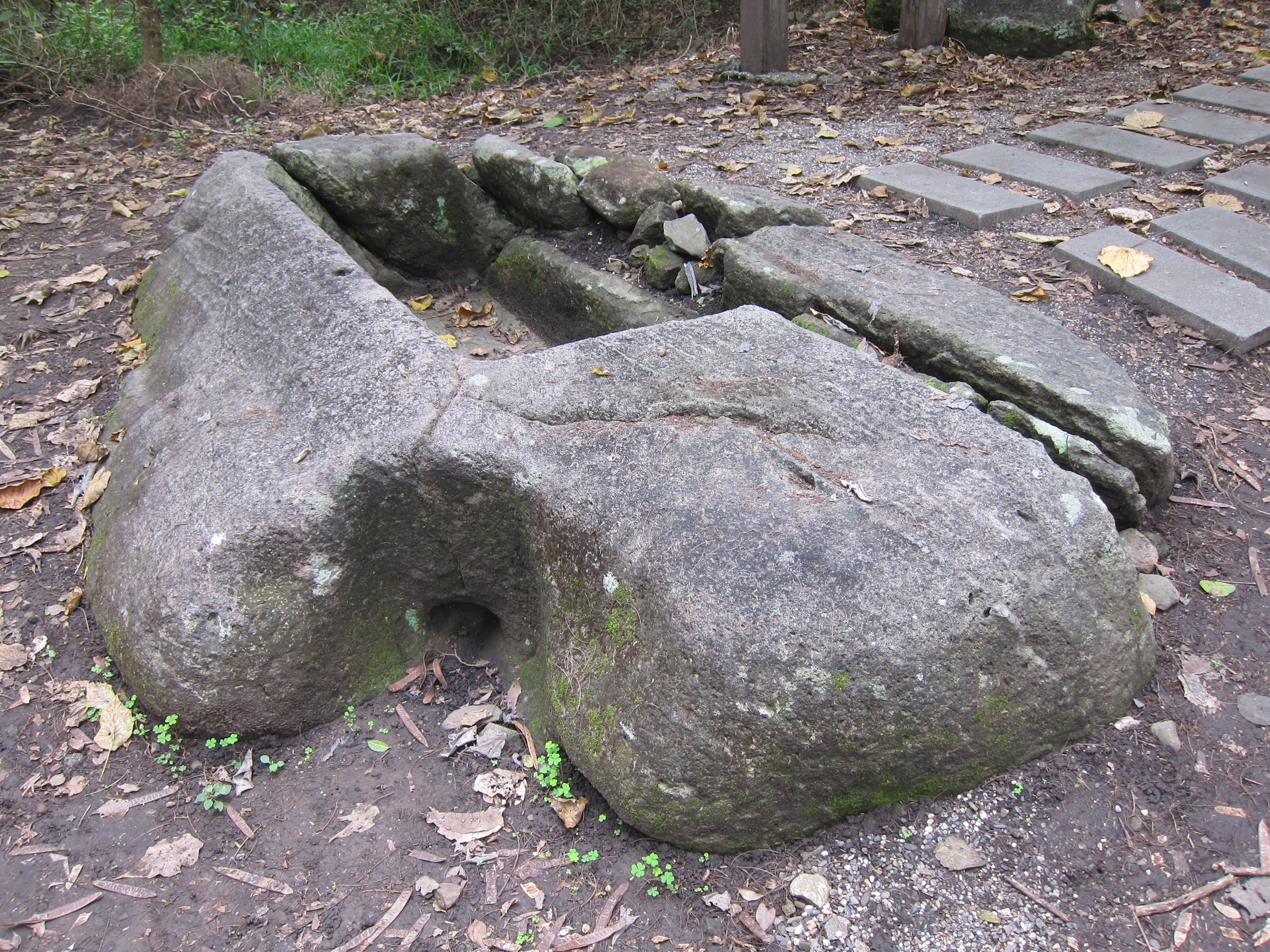
Dulan Site
Ancient stony coffin and wall site.
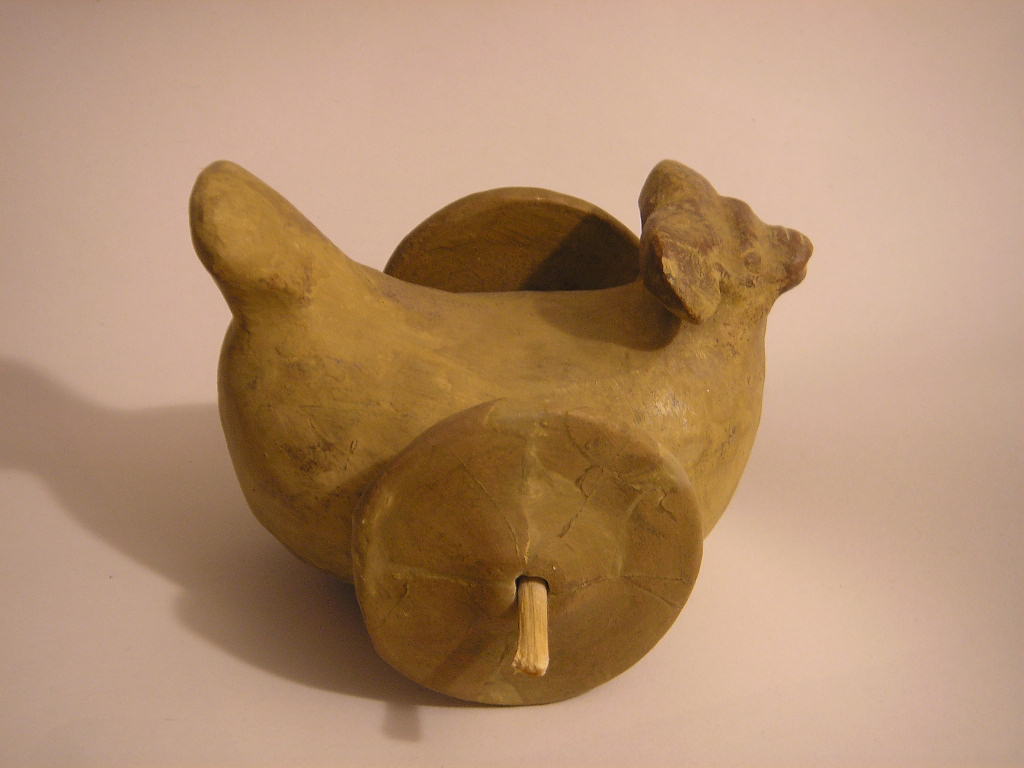
Fengbitou Archaeological Site
Prehistoric site with diverse cultural layers
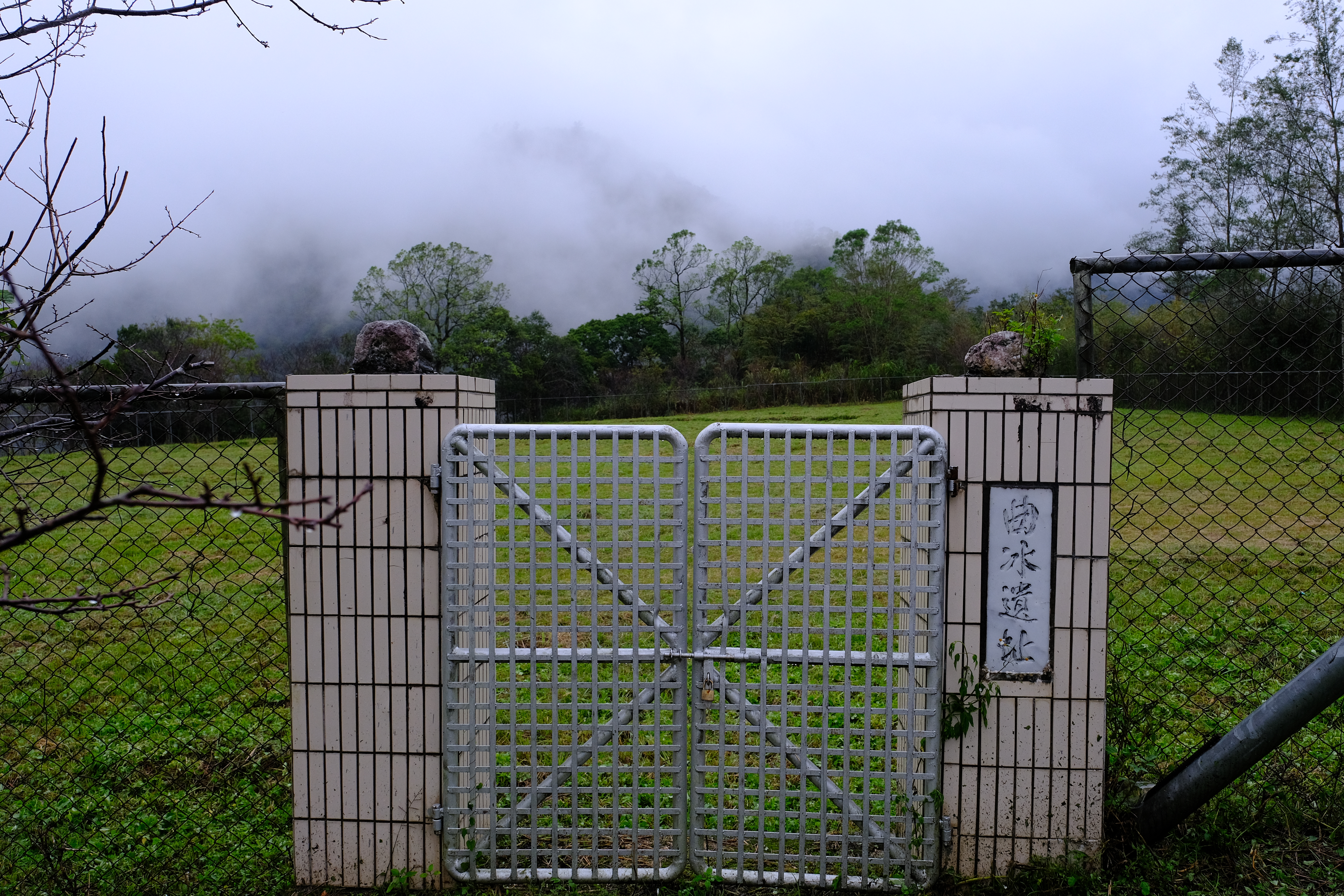
Chuping Archaeological Site
Prehistoric mountain settlements in Taiwan.
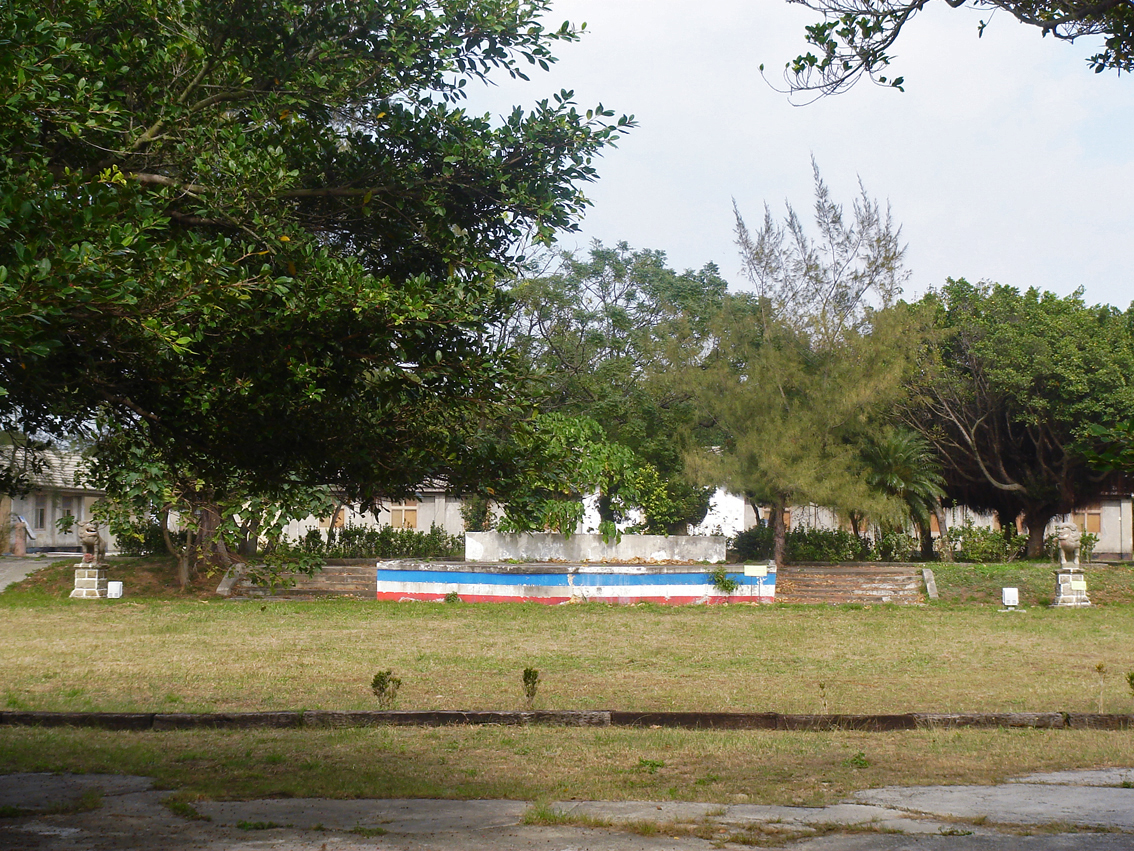
Niumatou Site
Oldest Neolithic site in central Taiwan.
Beinan Cultural Park
Largest prehistoric settlement in Taiwan
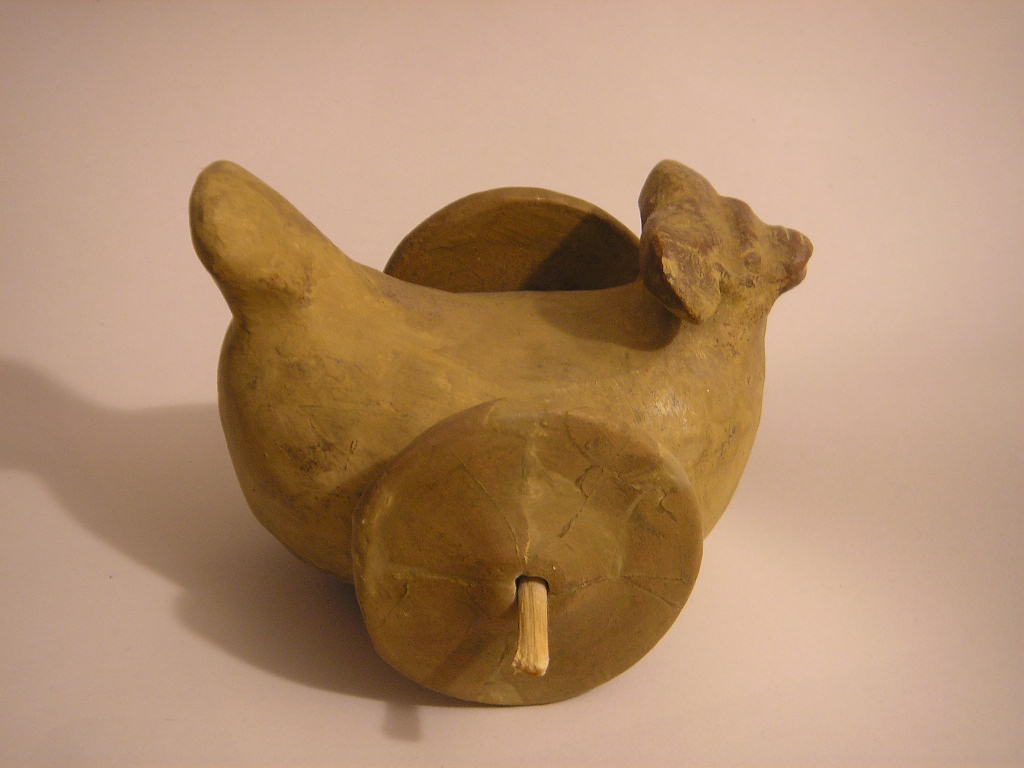
Huilai Monument Archaeology Park
Large archaeological site with replica park.