Explore the Map
Takht-i Kuwad
37.0538° N, 68.2819° E
About
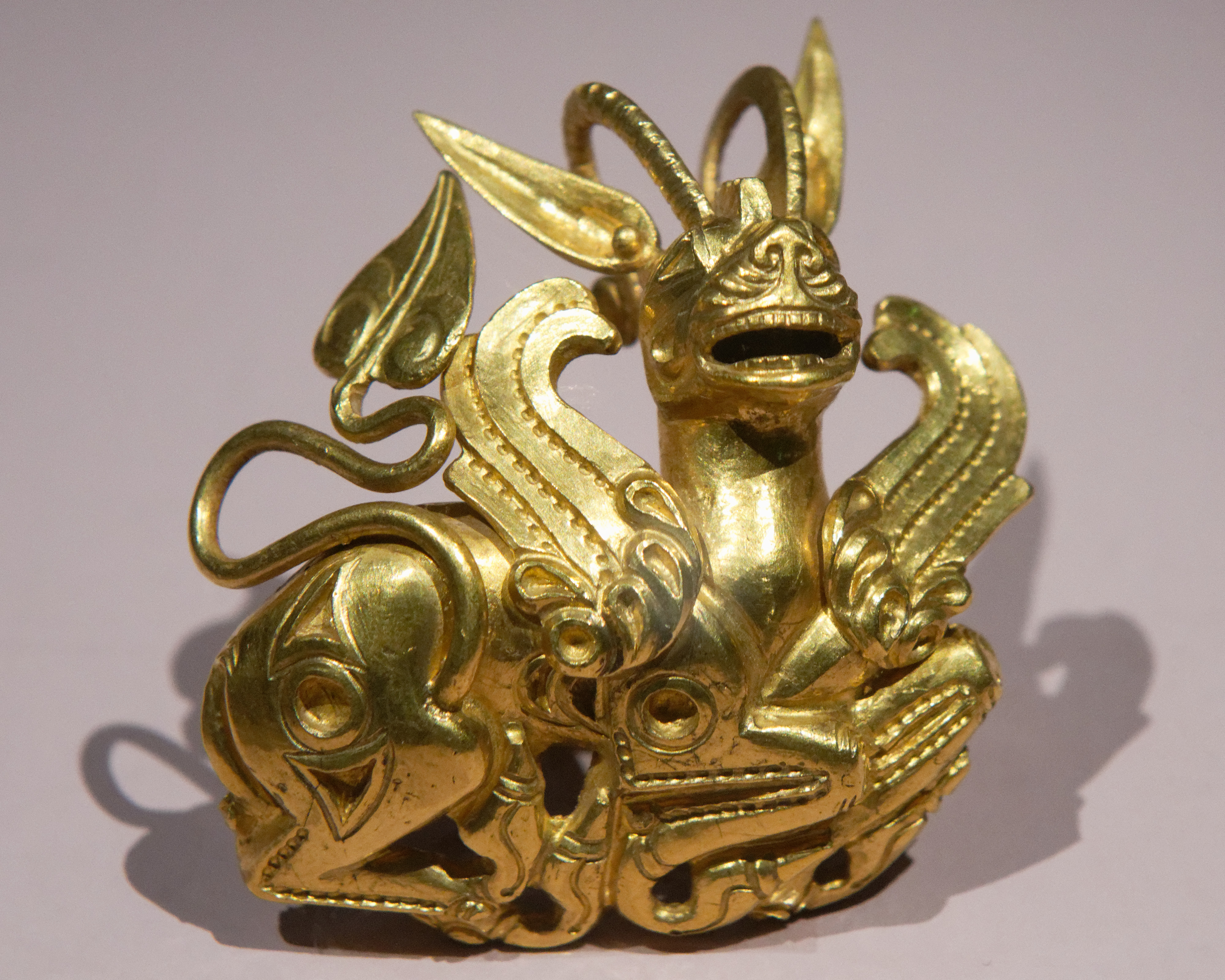
Takht-i Kuwad, located in the Kuliab district of Tajikistan near the confluence of the Vakhsh and Pyandzh rivers, is an archaeological site of significant historical interest. It is believed to be the original findspot of the renowned Oxus Treasure, which dates back to the 6th to 4th centuries BCE, during the Early to Late Iron Age. The site is characterized by the ruins of an ancient fort, suggesting its role as a defensive structure. Reports from the late 19th century indicate that the treasure was discovered in the ruins and subsequently sold to Indian merchants. This site is distinct from the nearby Takht-i Sangin, despite their proximity, and it holds a unique place in the study of ancient Central Asian history and archaeology.
Gallery
Explore photographs of ancient structures, artifacts, and archaeological excavations
Historical Timeline
Journey through time and discover key events in this site's history
Oxus Treasure Origin
500 BCE to 300 BCE
Archaeological Features
Unique architectural and cultural elements found at this historical site
Defensive Structures
Miscellaneous Features
Frequently Asked Questions
Plan Your Visit
Tours, travel arrangements, and practical information
More Sites in Tajikistan
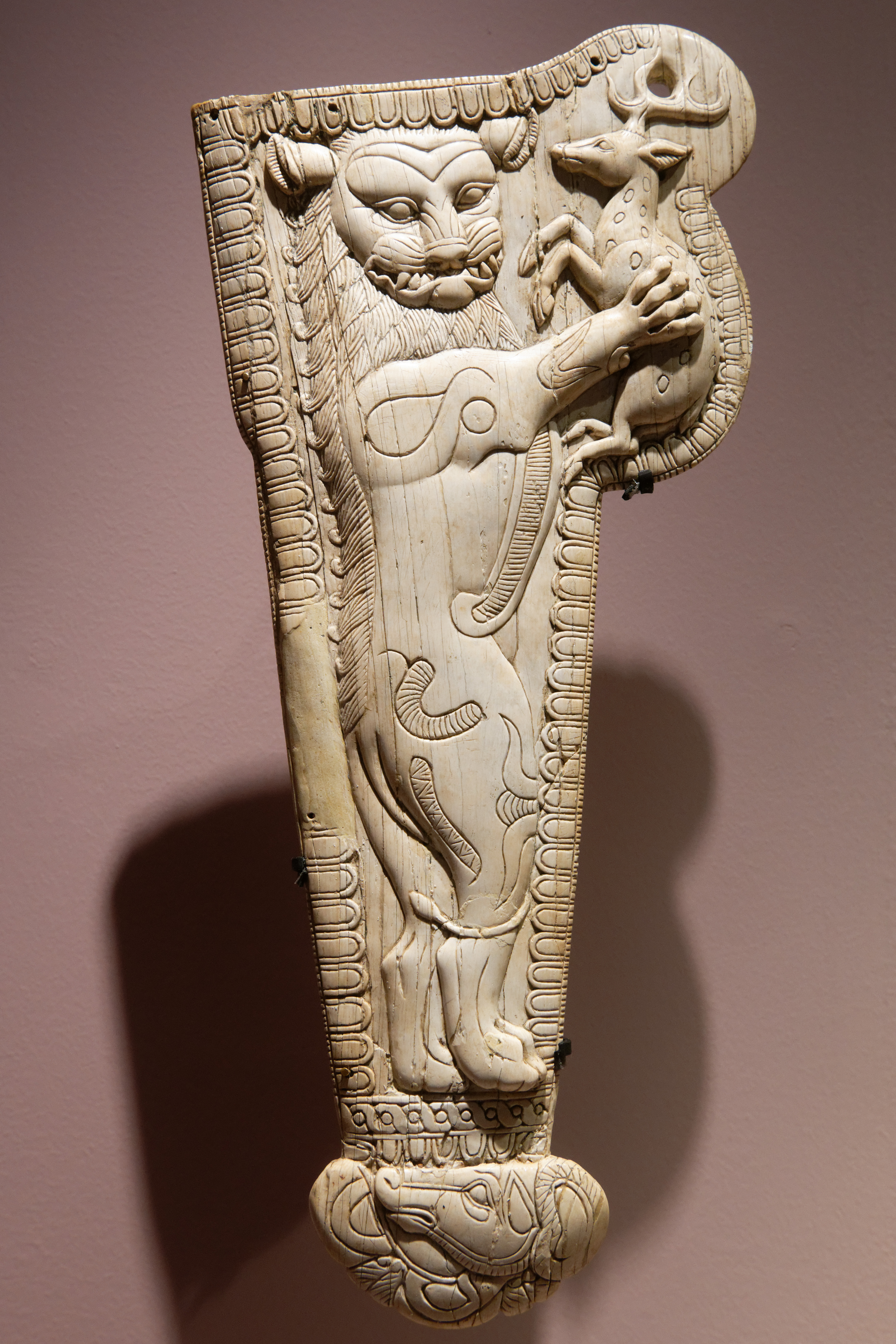
Takht-i Sangin
Hellenistic temple site near Amu Darya
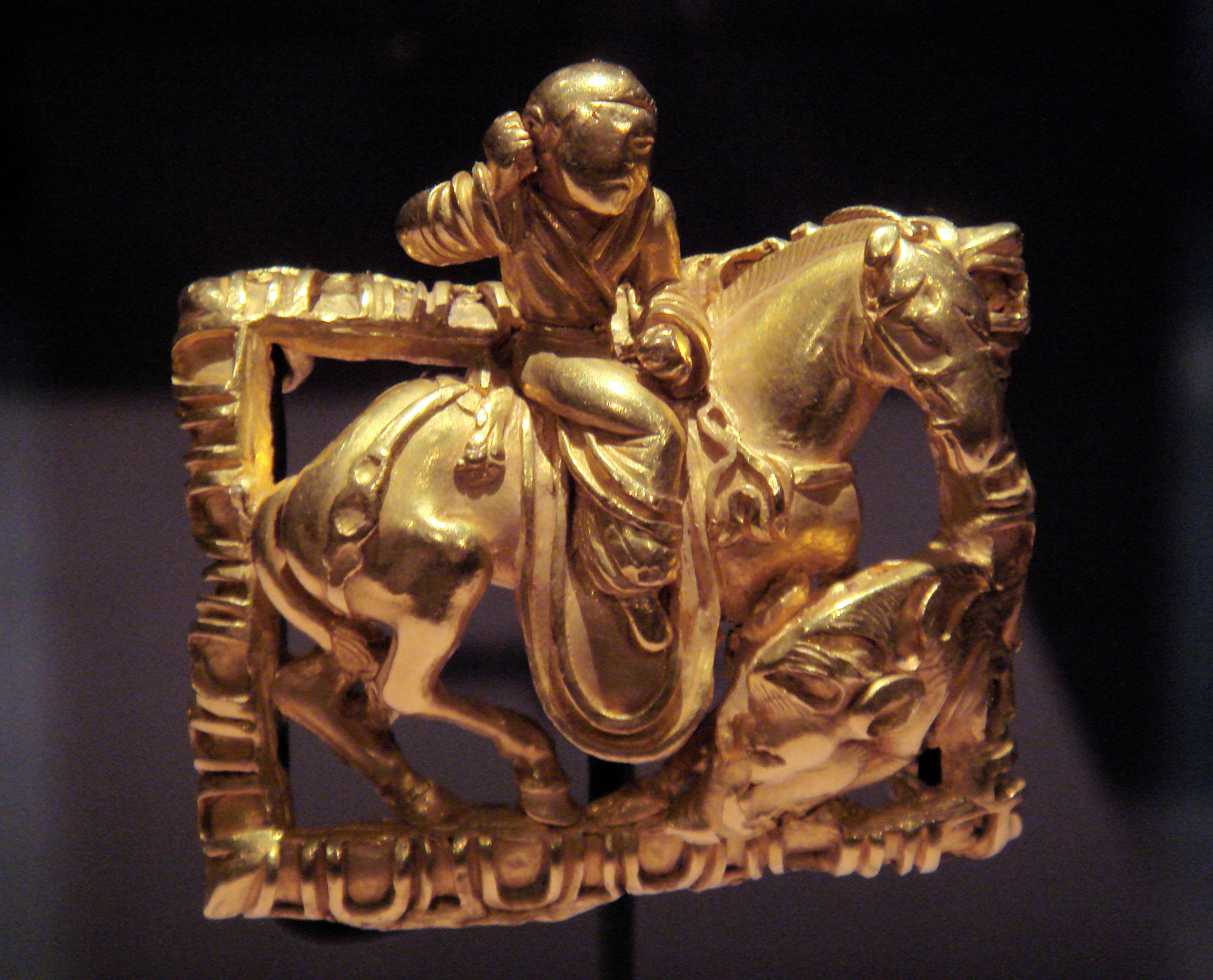
Saksanokhur
Hellenistic settlement with Corinthian architecture.
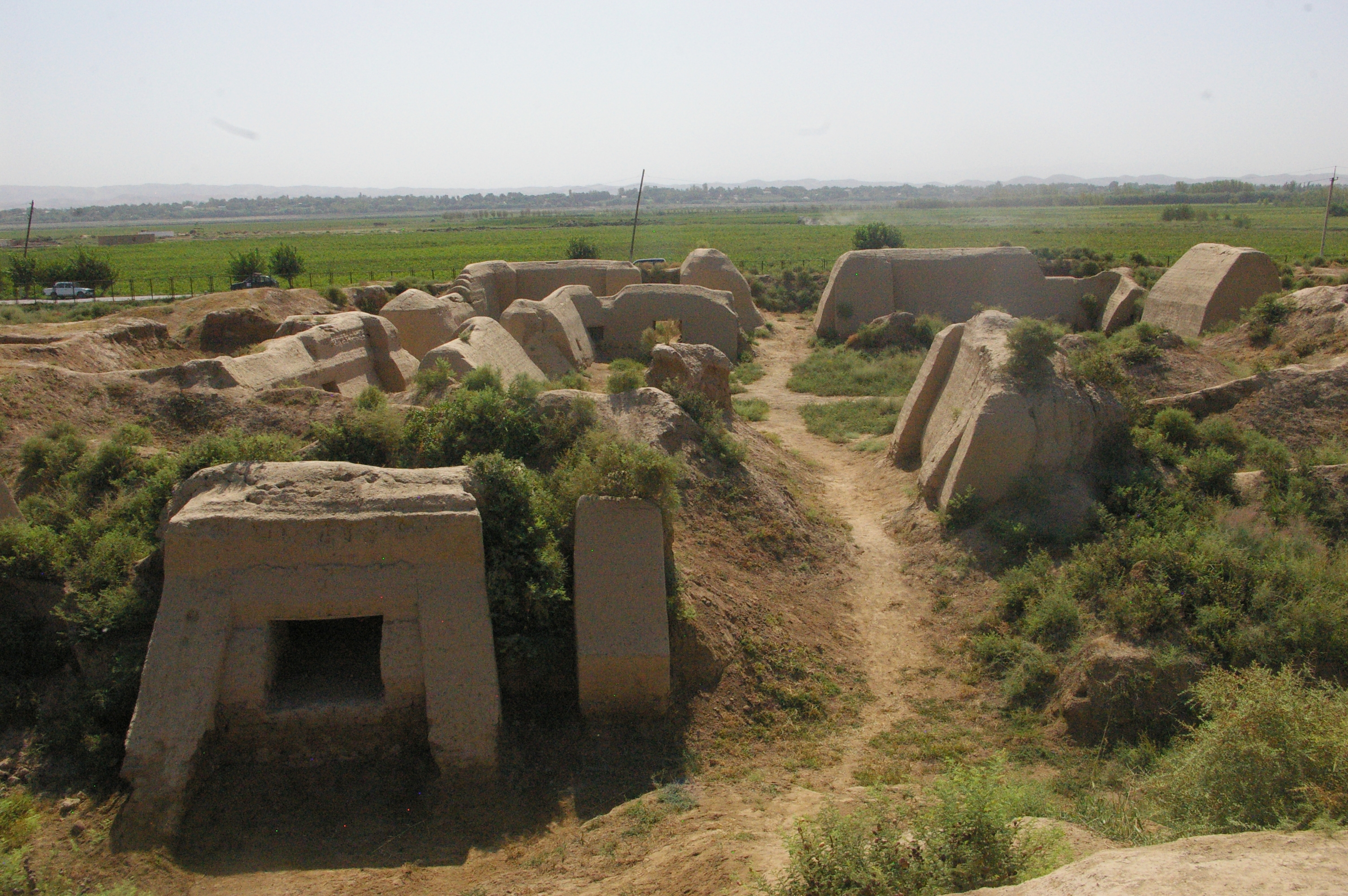
Ajina Tepe
Buddhist monastery cluster with artistic works
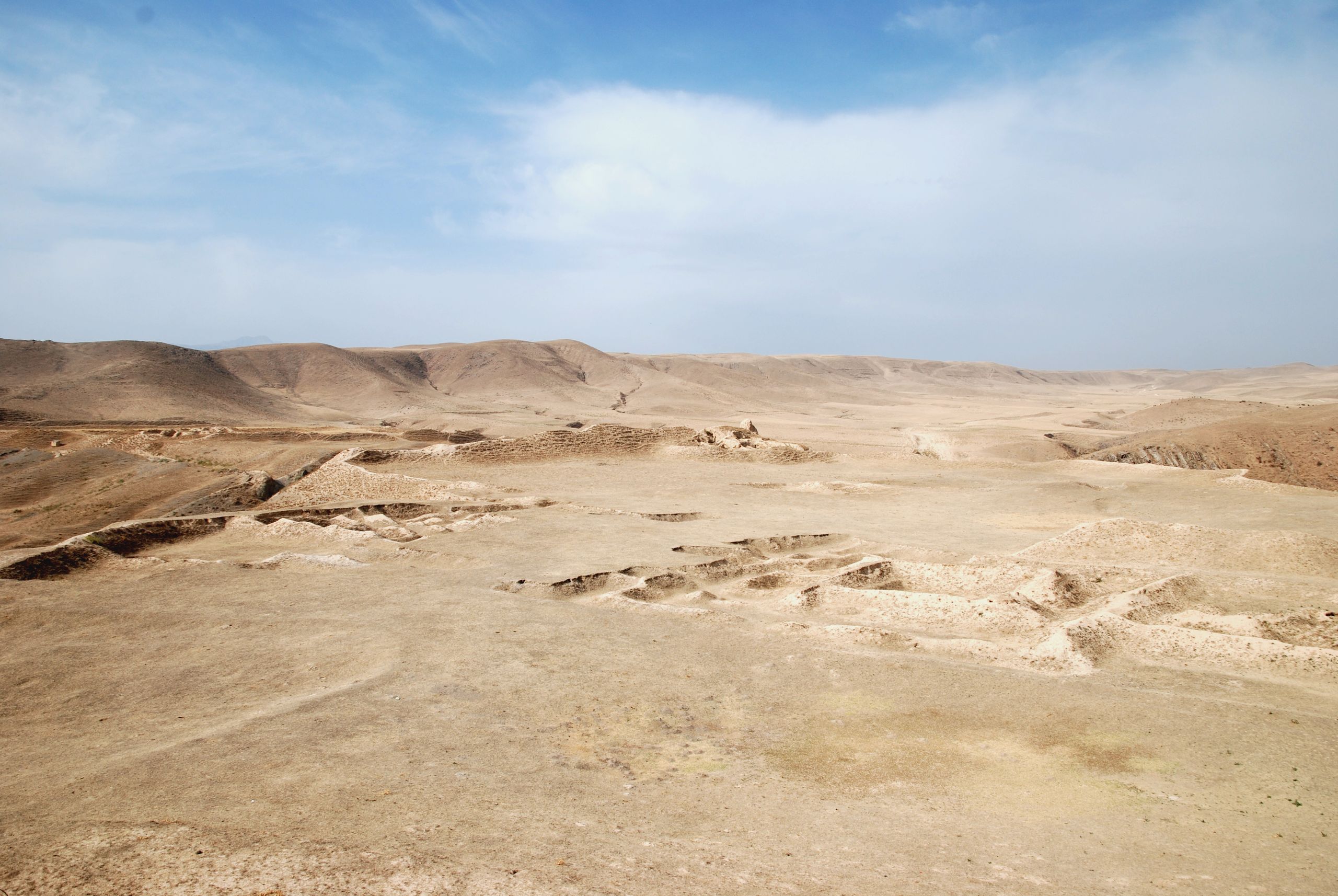
Bunjikat (archeological site)
Ancient capital with fortresses and art
Torbulok
Hellenistic sanctuary in Tajikistan's foothills.
Cultural Heritage Sites of Ancient Khuttal
<p>Ancient Khuttal was a medieval kingdom located between the Panj and Vakhsh Rivers and the Pamir piedmonts. The property includes ten sites and one…