Explore the Map
Takht-i Sangin
37.0989° N, 68.2850° E
About
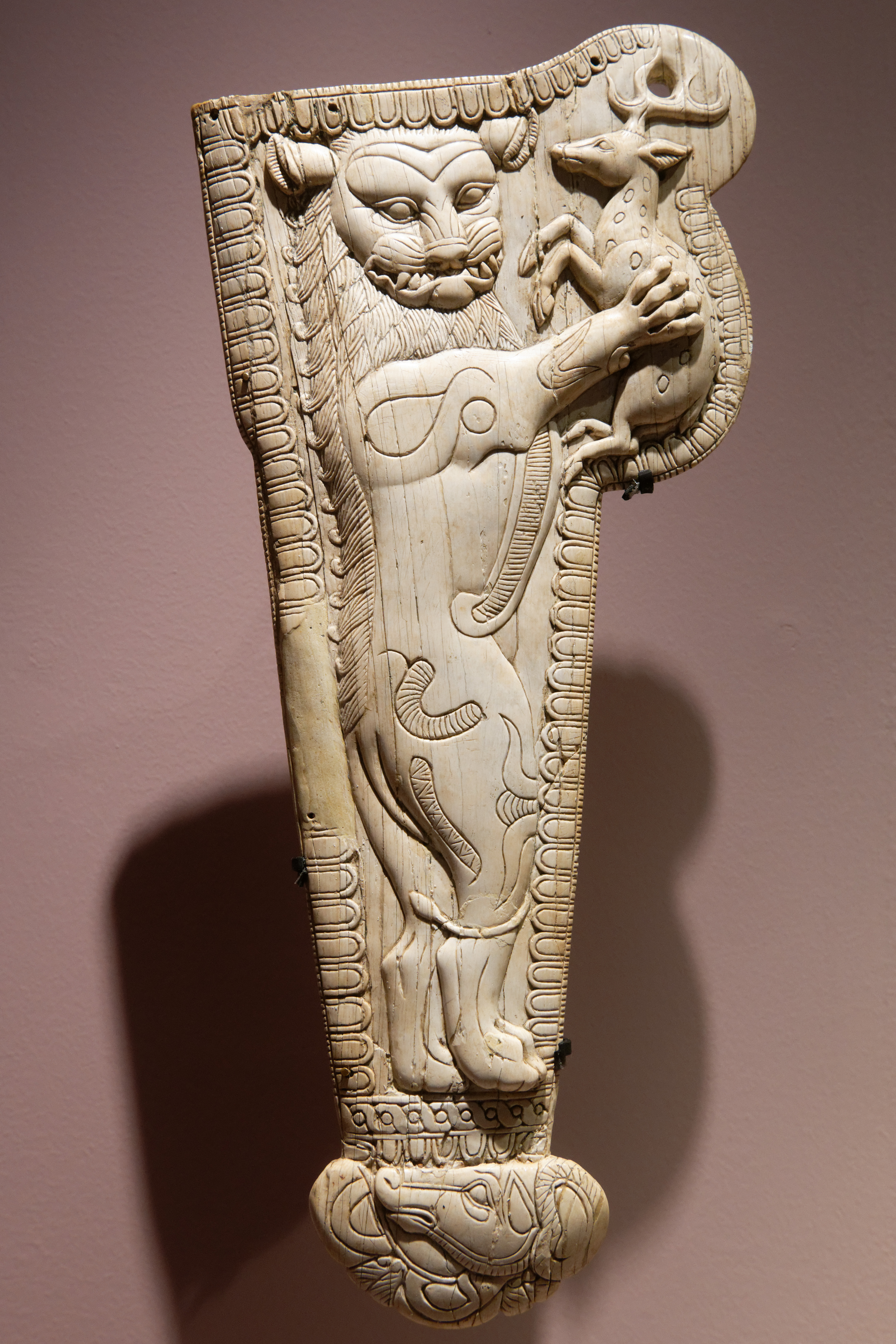
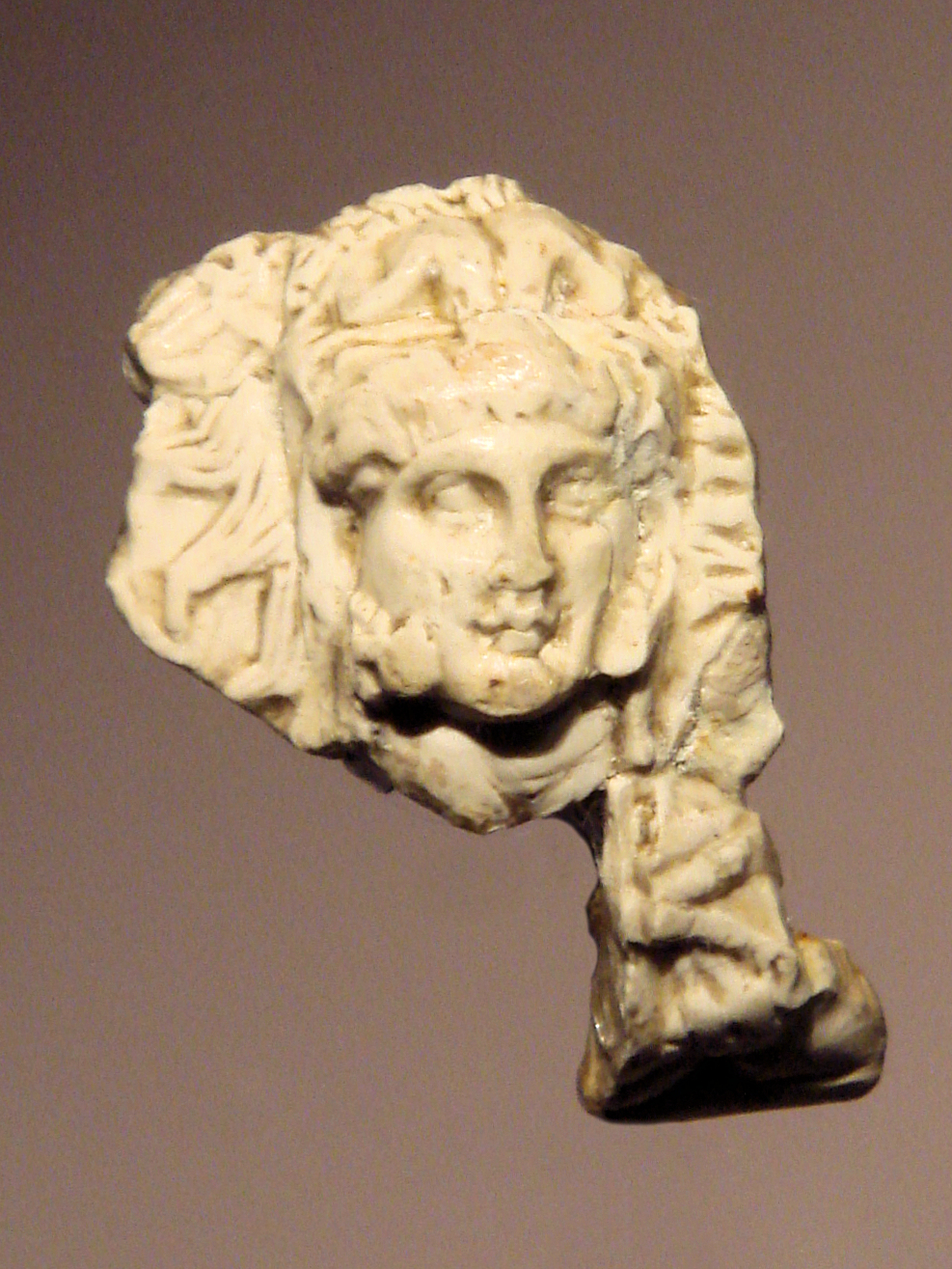
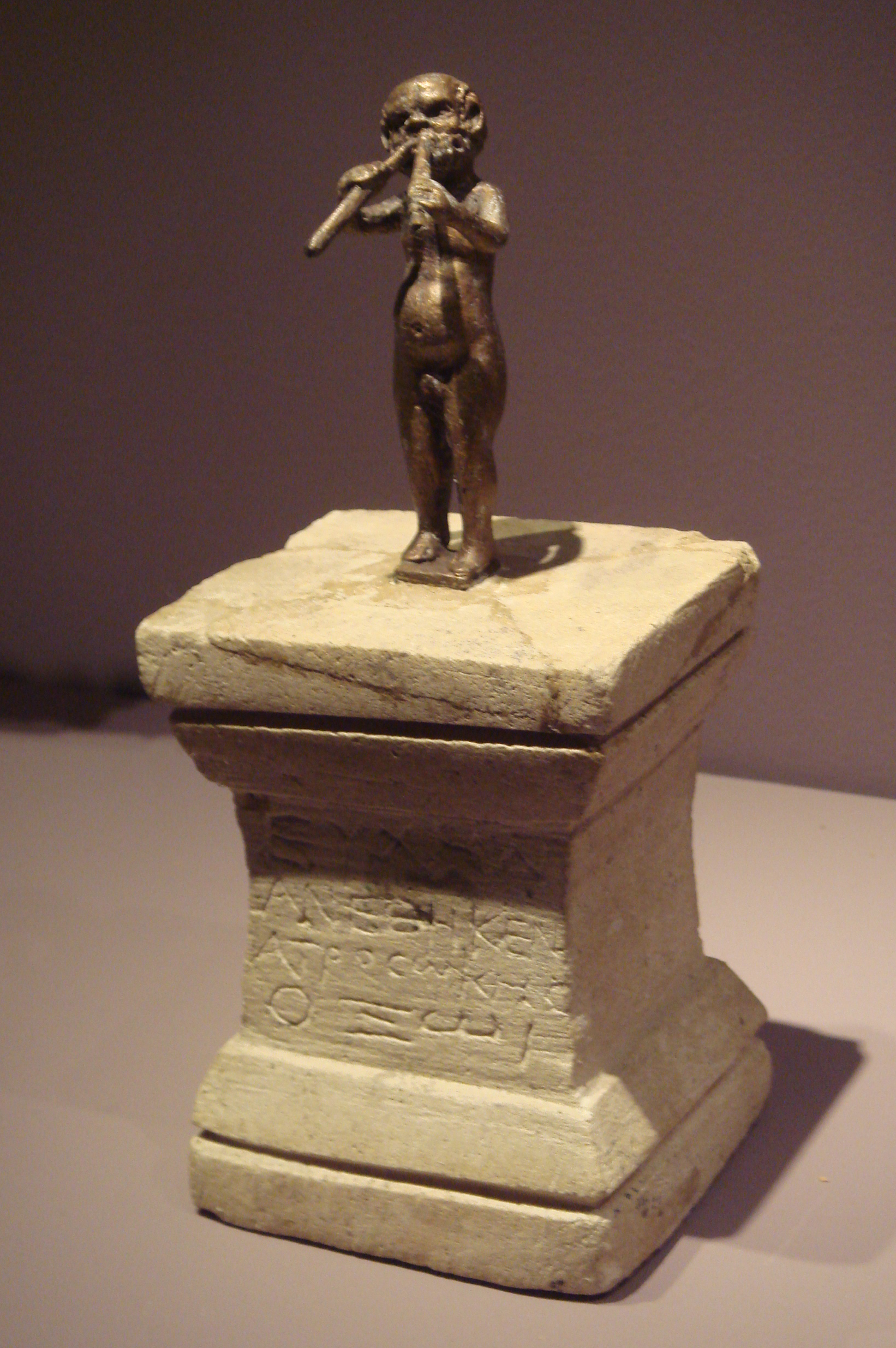
Takht-i Sangin, located in southern Tajikistan near the confluence of the Vakhsh and Panj rivers, is a significant archaeological site from the Hellenistic period. The site hosted a city in the Greco-Bactrian kingdom and featured a large temple dedicated to the Oxus river, which was possibly the central religious site for Bactria. The temple, constructed around 300 BCE, is surrounded by massive mud-brick walls and contains an inner courtyard with dedications and altars. Defensive structures include ditches and walls, while natural features like the river and mountains provided additional protection. The site continued to be used for religious purposes into the Kushan period, despite being sacked in the 130s BCE. Rich in votive offerings, the temple offers invaluable insights into the Greco-Bactrian religious life and cultural influences.
Gallery
Explore photographs of ancient structures, artifacts, and archaeological excavations
Historical Timeline
Journey through time and discover key events in this site's history
Construction of Oxus Temple
300 BCE
Sack by Kushans
130s BCE
Temple remains in use
3rd century CE
Archaeological Features
Unique architectural and cultural elements found at this historical site
Defensive Structures
Religious and Ritual Structures
Domestic and Habitation Structures
Environmental and Natural Features
Frequently Asked Questions
Plan Your Visit
Tours, travel arrangements, and practical information
More Sites in Tajikistan
Saksanokhur
Hellenistic settlement with Corinthian architecture.
Torbulok
Hellenistic sanctuary in Tajikistan's foothills.
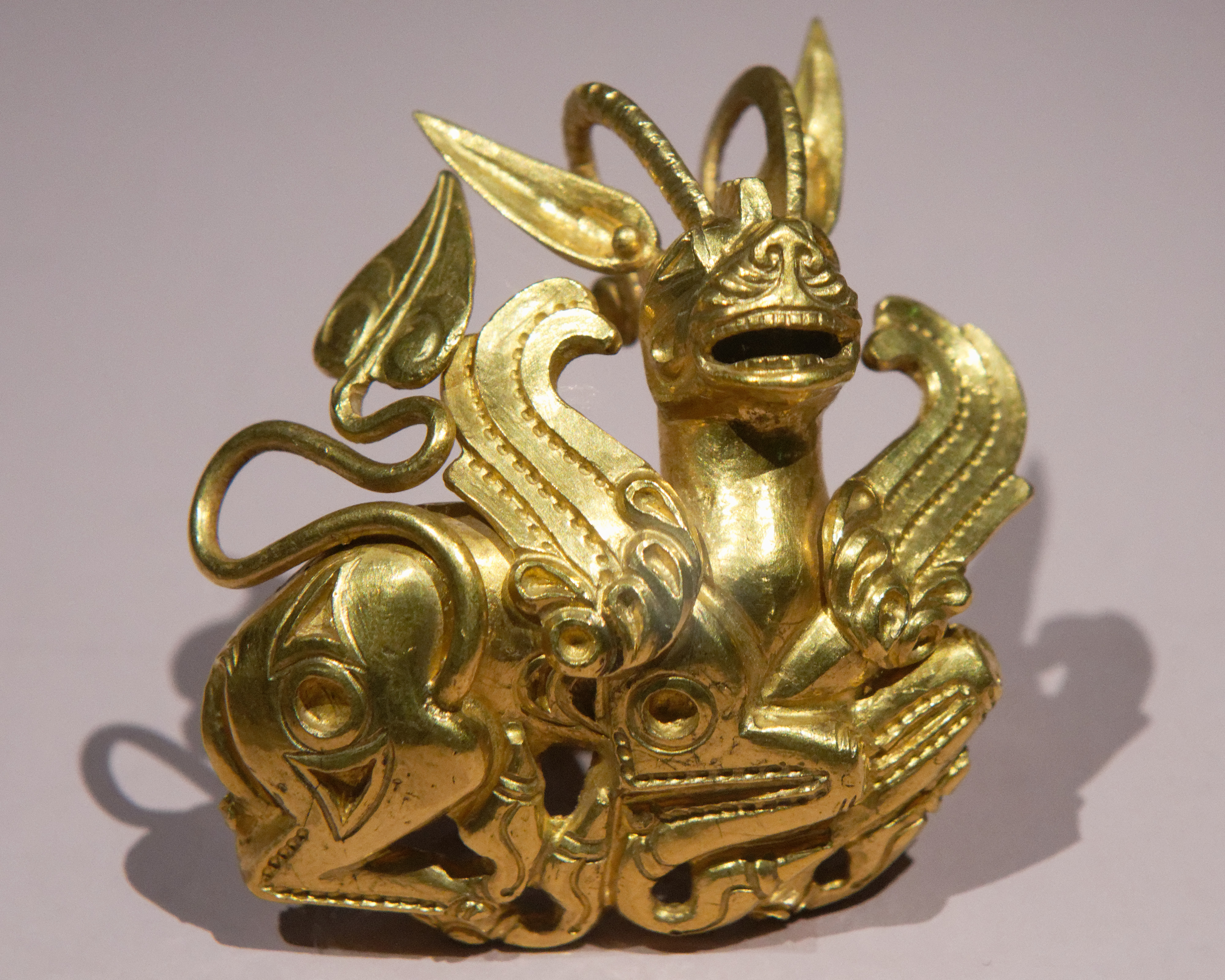
Takht-i Kuwad
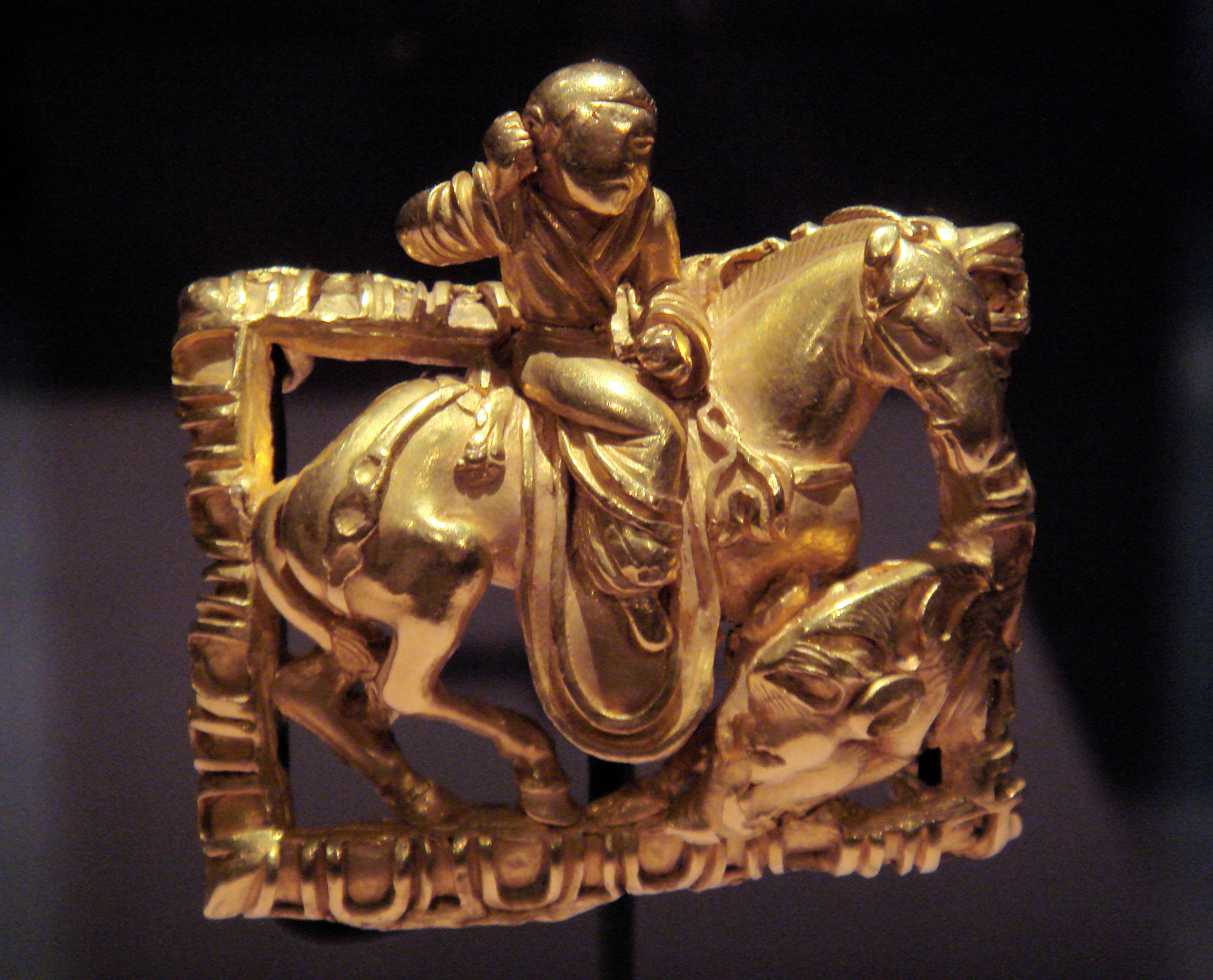
Ancient fort site, Oxus Treasure origin
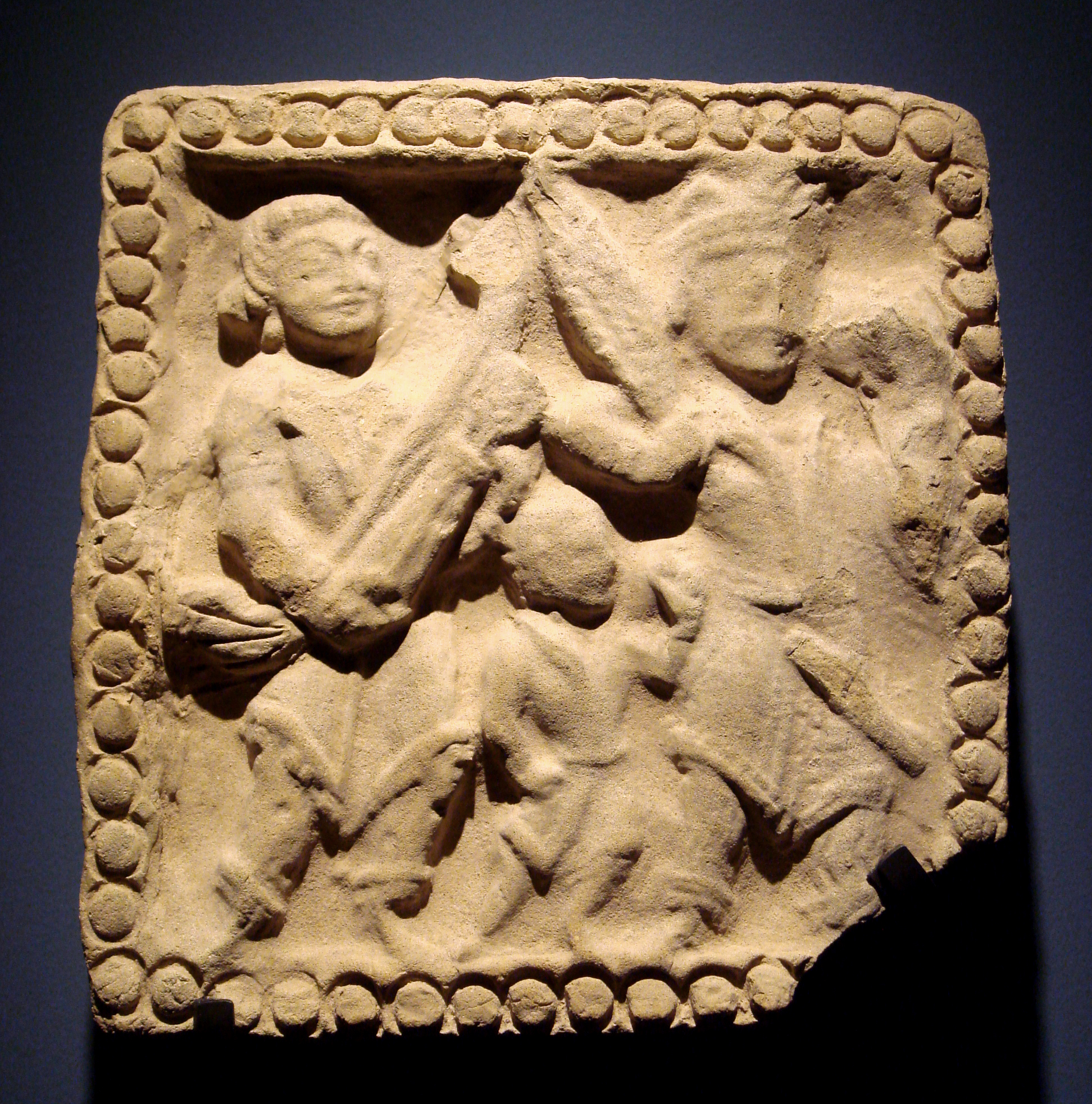
Kafir-kala (Tajikistan)
Ancient fortress with Buddhist temple remains.
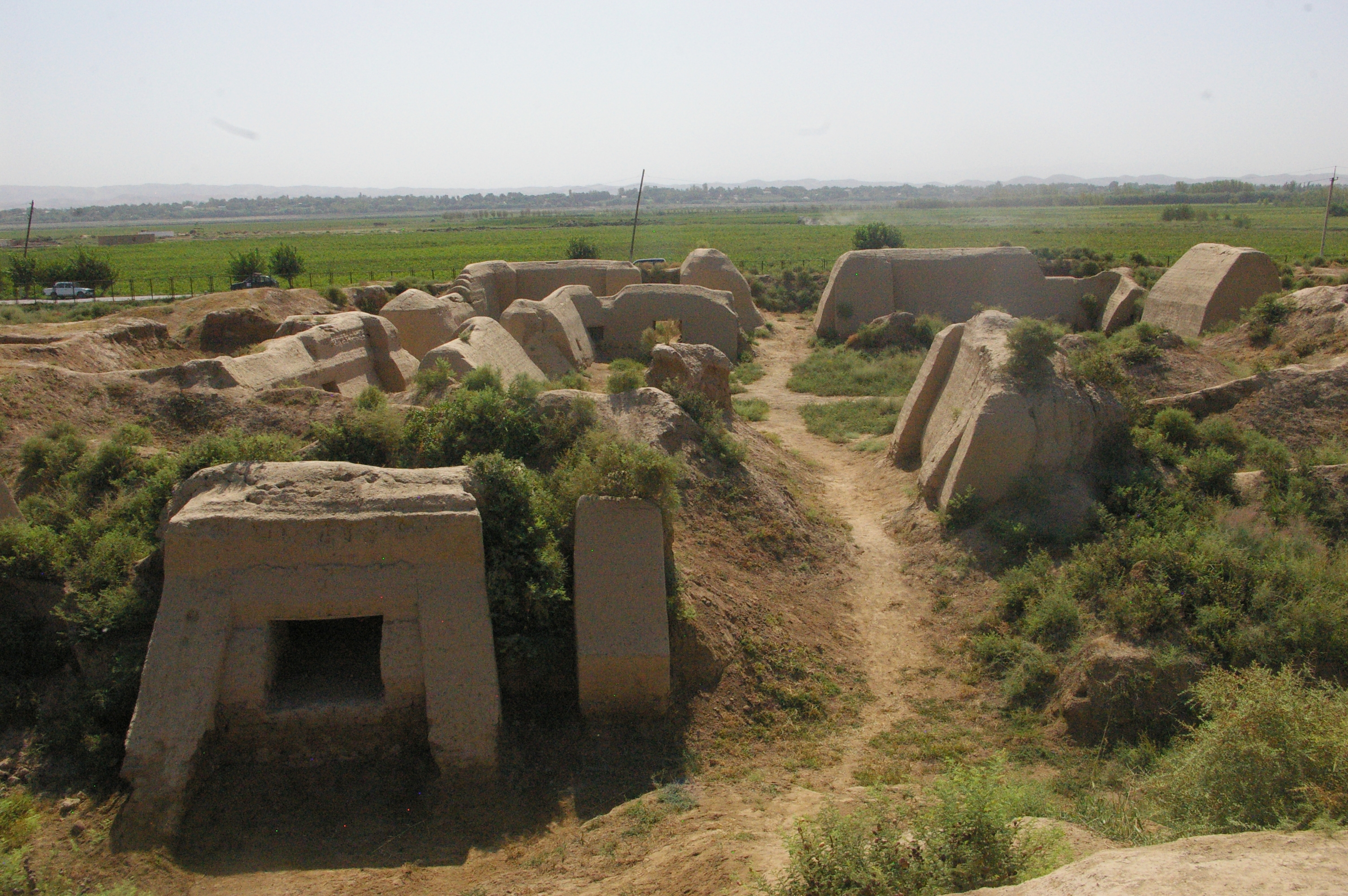
Ajina Tepe
Buddhist monastery cluster with artistic works
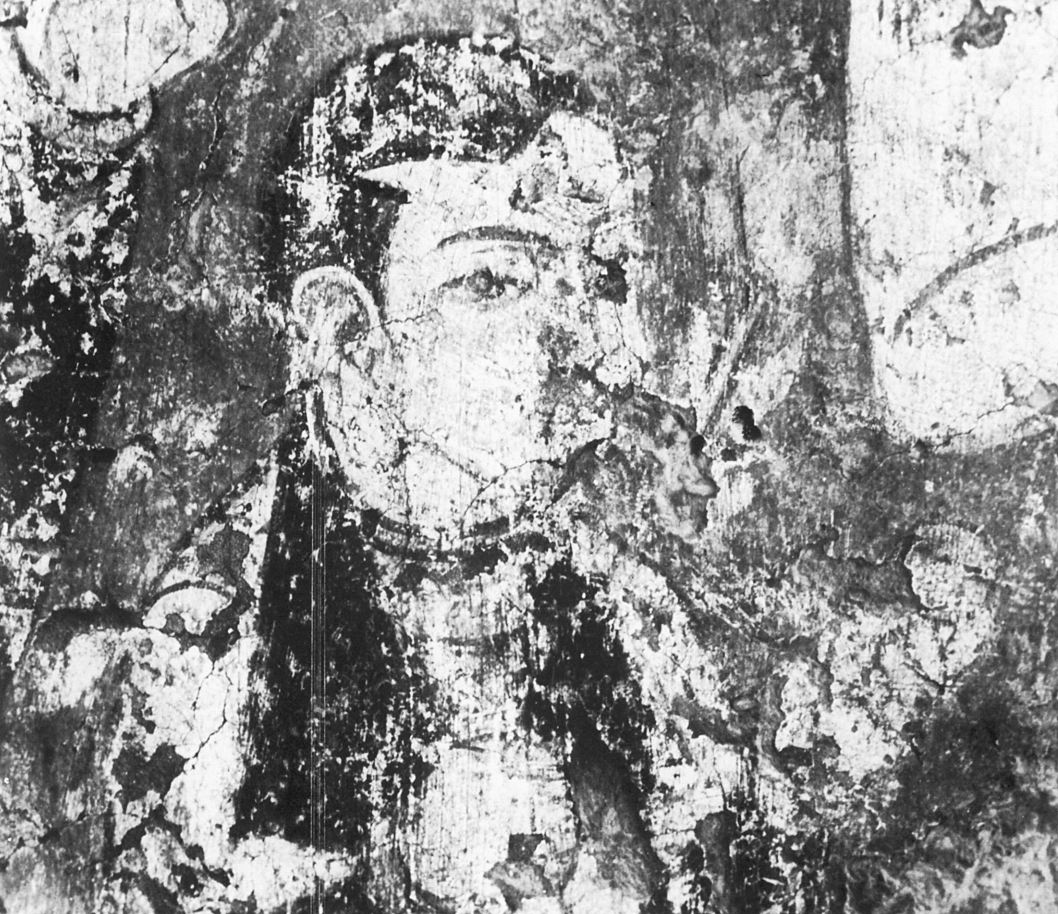
Kalai Kafirnigan
7th-8th century Buddhist temple in Tokharistan